
Stop Fish Fin Nipping: Your Hands-On Guide to a Harmonious Tank
Published on: September 9, 2026 | Last Updated: September 9, 2026
Written By: Lia Annick
Hello fellow aquarium enthusiasts! That sinking feeling when you spot ragged fins on your favorite fish is all too familiar. You’re not alone in wanting a quick, effective solution to end this stressful behavior for good.
This guide cuts straight to the chase, giving you actionable steps to restore peace. We’ll cover key aspects like:
- decoding the specific reasons fish turn into fin-nippers
- reconfiguring your tank’s layout and water chemistry to diffuse tension
- selecting truly compatible community fish to prevent future clashes
- applying both emergency measures and lasting habitat fixes
I’ve navigated these exact issues over years of running complex planted systems and breeding delicate fish like bettas and corydoras.
Spotting Fin Nipping: The First Signs of Trouble
Your first clue is often behavioral, not physical. Watch for fish that suddenly hug the tank corners or dart away when others approach, losing their usual calm grace. I saw this with Shadow, my Corydoras, who became a reclusive bottom-dweller when nipping started above him.
Inspect fins during your daily feedings under bright light. Look for clean, straight tears or chunks missing from tail and fin edges, unlike the fuzzy decay of fungal rot. Captain Fin’s once-pristine blue betta fins developed notches, a silent cry for help.
Pay attention to color and energy shifts. Dull scales or rapid gill movement can signal stress from constant harassment, long before physical damage appears. The hum of the filter should backdrop peaceful swimming, not frantic chases.
Understanding the “Why”: Common Causes of Fish Aggression
- Territorial Disputes: Many fish are hardwired to guard spaces. I use rocks and driftwood to create multiple distinct zones, which cuts down on squabbles over a single prime hiding spot. Even Goldie, my social goldfish, will nudge others from her favorite foraging corner in a crowded setup.
- Incompatible Tank Mates: This is a common beginner pitfall. Placing slow, long-finned fish like bettas with active nippers such as Tiger Barbs or some Tetras invites constant fin damage. Research temperament before buying; community tanks thrive on careful balance, not just color combinations.
- Stress & Poor Water Quality: Bad water directly fuels irritability. Ammonia levels creeping above 0 ppm or a pH that swings outside a species’ preferred range (like 6.0-7.0 for many tetras) acts like a constant irritant. Test weekly. Clear, stable water is the foundation of a peaceful tank.
- Overcrowding & Small Tank Size: Fish need room to retreat. A single goldfish needs 20+ gallons, not a bowl, and most community fish require a 20-gallon minimum to establish healthy personal space. Overcrowding turns your aquarium into a stressful arena where nipping is inevitable.
- Hunger or Inadequate Diet: Malnourished fish may nip for protein. I supplement high-quality pellets with blanched veggies for herbivores and frozen brine shrimp for carnivores to curb nutritional craving. A well-fed fish is far less likely to see a tank mate’s fins as a snack.
- Breed-Specific Behavior: Some species simply have nippy instincts. Fish like Serpae Barbs or African Cichlids often need species-only tanks or very large, carefully structured communities. Accepting these innate behaviors helps you plan a sustainable ecosystem, not a constant battle.
Emergency Measures: Immediate Steps to Halt Nipping
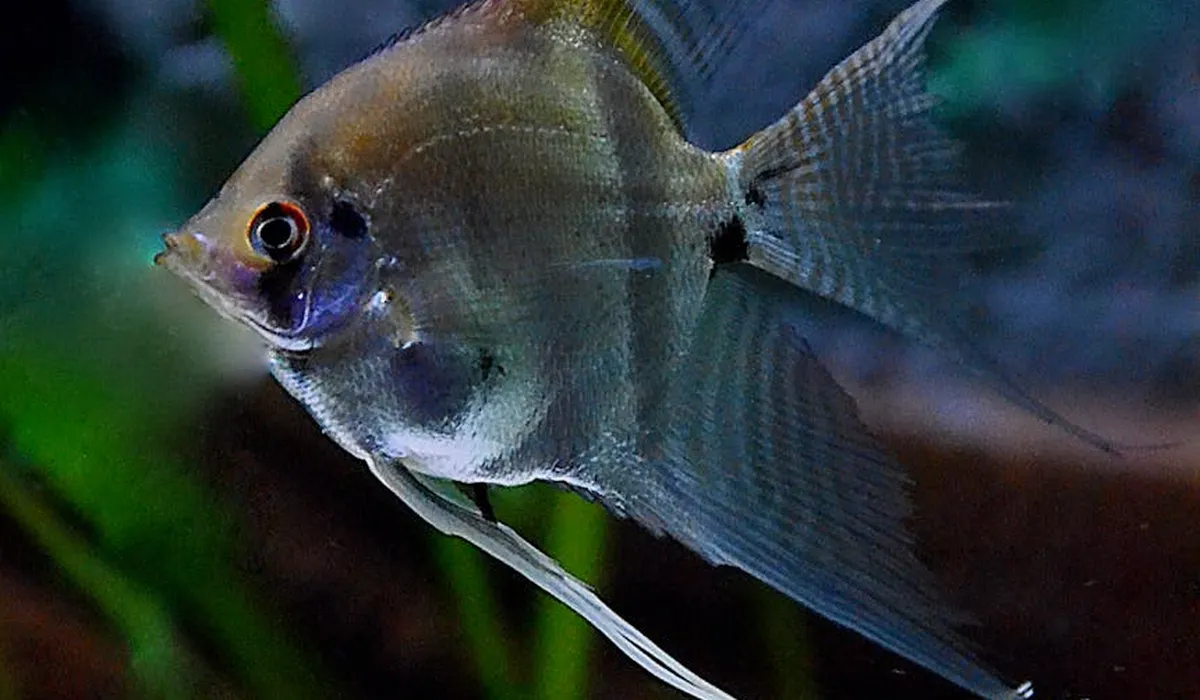
When you spot torn fins, you need to act fast to prevent a minor squabble from turning into a full-blown crisis. Your immediate goal is to separate the fish physically and break the cycle of aggression before serious harm is done.
-
Isolate the Aggressor: How to safely set up a temporary quarantine tank or breeder box.
You must remove the bully. A dedicated 5-gallon quarantine tank is ideal, but for speed, a simple breeder box inside your main tank works wonders. It keeps the aggressive fish in view but safely contained. This time-out isn’t a punishment; it’s a necessary reset that gives everyone, including you, a chance to breathe and plan. This approach is especially helpful when you’re dealing with a single aggressive fish in a community tank. It gives you time to observe behavior, rearrange the setup, and plan safer reintroduction. Float the breeder box, acclimate the fish, and let the tank’s calm return. Leave the aggressor isolated for at least 24-48 hours while you implement other changes.
-
Assess and Treat the Victim: Checking for injury, using clean water and salt baths to prevent infection.
Gently observe the injured fish. Look for ragged fin edges, red streaks (signs of infection), or damage to the body. Your best medicine is impeccably clean, warm water. I perform a partial water change immediately. For torn fins without body wounds, a salt bath can be a gentle healer. Dissolve one teaspoon of pure aquarium salt per gallon of tank water in a separate container, let the fish soak for 5-8 minutes, then return it to the main tank – this helps reduce stress and ward off fin rot. These steps directly support treating fin rot in aquarium fish by reducing stress and maintaining clean, warm water. If symptoms progress, consider medicated fin rot treatments per product directions. Monitor closely for a week.
-
Rearrange the Aquarium: How moving decorations and plants resets territories immediately.
This is your most powerful short-term tool. Before reintroducing the isolated fish, redecorate. Move that driftwood, swap the caves, replant some stems. It dismantles established territories and makes the entire environment feel new. A tank rearrangement makes every fish a beginner again, leveling the playing field and diffusing the tension that led to the nipping. The hum of the filter is the only familiar sound as they all re-explore.
The Long-Term Fix: Creating a Peaceful Tank Environment
Emergency steps are a bandage. To truly stop the behavior, you must address the root causes in your tank’s ecosystem. Peace is a product of design, not luck.
Choosing Truly Compatible Tank Mates
This is where most problems start. Fish have instincts we can’t train out. Never mix long-finned, slow-moving fish (like Bettas) with notorious fin-nippers (like some Tetras). Research is non-negotiable. Look beyond “community tank” labels and study each species’ activity level, territorial needs, and innate behaviors. For my feisty Captain Fin, I chose tank mates like Shadow the Corydoras-they occupy a different water level and have no interest in his flowing fins. Compatibility is about creating a community, not just a collection.
Optimizing Your Tank’s Layout and Size
Overcrowding is a silent stressor. A cramped tank is a pressure cooker for aggression. Follow proper stocking guides, but remember they are minimums. More space is almost always better. Then, use that space wisely. Break up sightlines with tall plants and decorations to create visual barriers; a fish that can’t see another across the tank can’t chase it. Create multiple distinct zones with varied hiding spots so every fish, from bold Goldie to shy Shadow, can claim a safe corner. A well-structured tank gives fish, from bold Goldie to shy Shadow, can claim a safe corner. This is a core principle you’ll find in the ultimate guide to territorial behavior. By shaping space and sightlines, you can anticipate aggression and give each fish room to retreat.
Mastering Water Quality and Routine
Poor water quality chronically stresses fish, making them irritable and more prone to disease and aggression. Test your water weekly. Regular testing with a reliable kit flags changes in essential water quality parameters like pH, temperature, ammonia, nitrite, and nitrate before they affect fish. This proactive monitoring keeps the tank’s water chemistry stable and your fish thriving. Ammonia and nitrite must be zero, and nitrates should stay below 20 ppm. I stick to a consistent schedule of weekly 25% water changes, using a gravel vacuum to remove waste-this ritual is the bedrock of my tank’s health. The shimmer of scales is brightest under the clarity of pristine water. Stable, optimal parameters remove a massive, invisible stressor from your fishes’ lives.
Implementing a Proper Feeding Schedule
Hunger breeds competition and hostility. Underfed fish may turn to nibbling fins as an alternative food source. Feed small amounts twice daily, only what your fish can consume in two minutes. Vary their diet with high-quality flakes, sinking pellets for bottom dwellers, and occasional treats like frozen brine shrimp to satisfy natural foraging behaviors. I watch to ensure every fish gets its share; sometimes I target-feed shy species like Corydoras to guarantee they aren’t left out. A well-fed fish is a content fish, less likely to bother its tank mates.
Special Considerations for Known Nippers
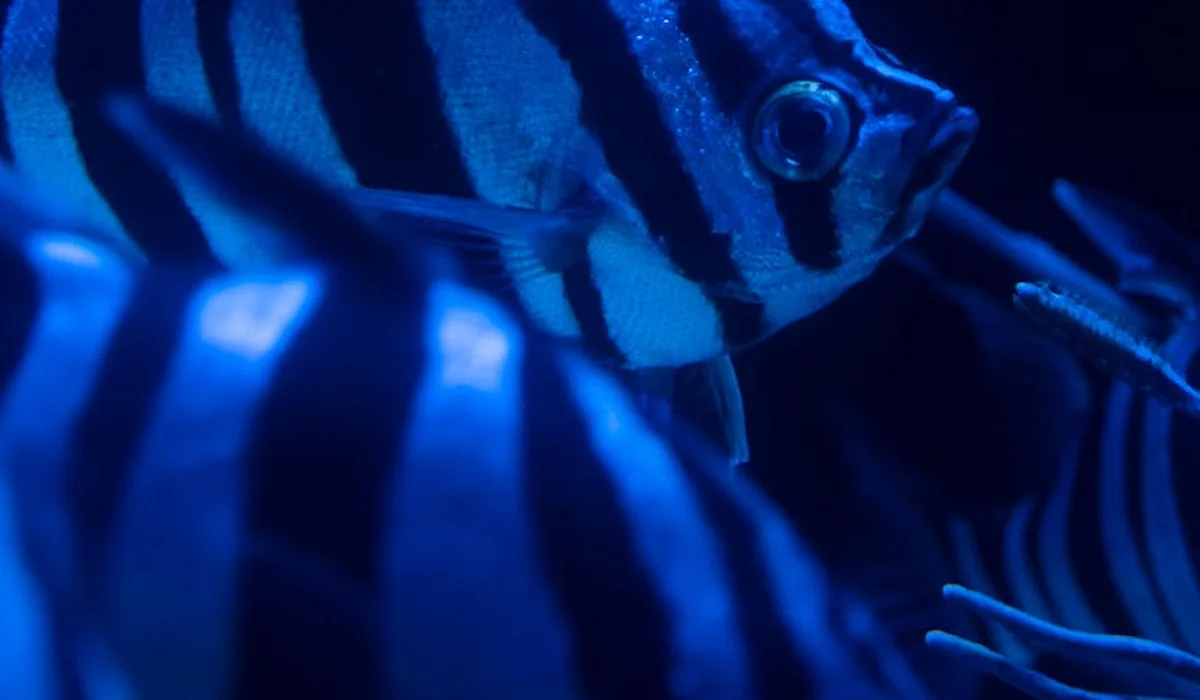
Some fish come with a reputation, and it’s not always unfair. Working with their nature, not against it, is the secret to peace. In this aggressive vs peaceful fish guide for community tanks, we explore how temperament shapes compatibility. These insights help you choose compatible fish and keep the tank harmonious.
Managing Semi-Aggressive Species
Fish like Tiger Barbs, Serpae Tetras, or some African Cichlids have energy and a tendency to chase. The goal isn’t to stop their spark, but to direct it.
Overstocking can actually be a smart strategy here, as it spreads any aggression across many fish, preventing a single target from being bullied relentlessly.
You must pair this with filtration that handles the extra bioload. I run a canister filter rated for a tank twice the size of my semi-aggressive community.
Feeding multiple small meals a day keeps everyone distracted and full. Bored fish are mean fish.
- Choose Robust Tankmates: Pair them with fish that can hold their own, like larger Rainbowfish or sturdy loaches, not delicate species.
- Break the Sightlines: Use rocks, wood, and dense plant thickets to create visual barriers and private zones.
- School Size Matters: Keep nippy species in larger groups of 8 or more. In small groups, they pick on each other; in a big school, their social order stabilizes.
Caring for Long-Finned Fish in a Community
Seeing a Betta’s glorious fins shredded is heartbreaking. For fish like my Captain Fin, their beauty is their vulnerability.
The shimmering, flowing fins of a Betta or Guppy are irresistible moving targets for some fish, seen more as curious toys than part of a living creature.
Your aquascaping must provide instant retreats. Tall silk plants, floating Betta logs, and caves with small entrances are non-negotiable.
I avoid any fish with a known fin-nipping label as tankmates for my Bettas. This includes most Barbs and some Tetra species. I also consult the betta fish safe compatibility list to guide my choices. That list helps me pick peaceful, compatible tank mates and avoid stress or injury to my Bettas.
- Priority During Feeding: Use a feeding ring or tube to ensure your long-finned fish gets its share without competing in the frenzy.
- Opt for Calmer Companions: The best tankmates are often bottom-dwellers like Corydoras (like my shy Shadow) or small, peaceful schooling fish like Chili Rasboras.
- Monitor Flow: Long fins are exhausting in a strong current. Adjust your filter output so your fish isn’t constantly battling the flow.
Monitoring and Adjusting: The Keeper’s Role
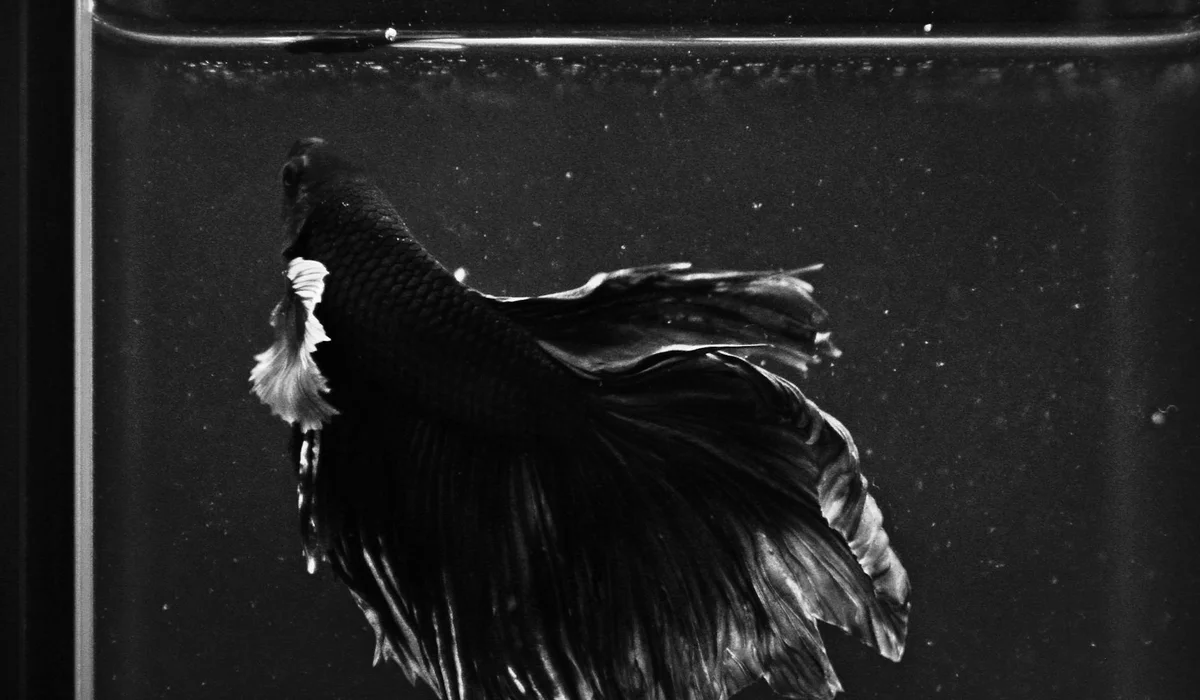
You are the peacekeeper. Your consistent observation is the most powerful tool in the tank.
Spend five minutes, twice a day, just watching. Don’t just glance-look for chasing, hiding, clamped fins, or fish lurking in corners.
Keep a simple journal note on your phone: a quick note about who chased who can reveal a pattern days before serious damage occurs.
If you spot nipping, act immediately. A temporary tank divider from the hardware store can give everyone a cooling-off period while you plan your next move.
- Rearrange the Furniture: A major decor reshuffle resets territories and can disrupt established bullying patterns.
- Check Water Parameters Weekly: Stress from poor water quality is a major, invisible trigger for aggression. Test consistently.
- Be Prepared to Rehome: Sometimes, a specific fish is just a bad fit. Having a backup plan or a trusted local fish store to contact is responsible keeping.
Remember, a peaceful tank isn’t a lucky accident. It’s a direct result of your choices and adjustments.
FAQs
How can I quickly tell if my fish’s fins are being nipped or if it’s a disease?
Fin nipping usually causes clean, straight tears or missing chunks, unlike the fuzzy, uneven decay of fungal infections. Watch for chasing or hiding behaviors that often accompany physical damage. Early detection during daily feedings can help you intervene before conditions worsen.
What water parameters are most likely to stress fish and lead to fin nipping?
Ammonia or nitrite levels above 0 ppm, along with unstable pH outside a species’ range, are key stressors that can trigger aggression. Test weekly and perform regular water changes to maintain stability. Consistent, optimal water quality removes a major invisible trigger for fin nipping.
Can using a breeder box or tank divider be a long-term solution for fin nipping?
No, these are only emergency tools to separate fish and halt immediate aggression. For permanent peace, you must address underlying issues like tank layout, compatibility, and feeding routines. Relying on dividers alone can mask problems and stress fish over time.
What should I feed my fish to reduce the likelihood of fin nipping?
Offer a varied diet with high-quality pellets, flakes, and occasional treats like blanched vegetables or frozen brine shrimp. For the best food for tropical fish, look for options that combine quality flakes, pellets, and other nutritious forms. Feed small amounts twice daily to ensure all fish are satisfied and less likely to nip out of hunger. Monitoring during meals helps prevent competition that fuels aggression.
Your Peaceful Tank Awaits
Start by honestly assessing your aquarium’s stock and layout, ensuring no fish is cramped or without a hiding place. From there, focus on water quality and a varied diet to keep everyone calm and content. Regular water testing and partial water changes are essential for improving water quality and keeping fish healthy. Monitoring ammonia, nitrite, nitrate, and pH helps maintain a stable environment for your aquarium.
Being a great fish keeper means committing to lifelong learning and adapting your care as your aquatic family grows. I encourage you to watch your tank daily, ask questions, and let each challenge deepen your connection to this rewarding hobby. For beginners, a simple guide to disease prevention and tank maintenance can be your first playbook. Starting with basic routines like regular water changes and monitoring water quality helps prevent problems before they start.
Further Reading & Sources
- What To Do For Fin-Nipping Fish – Cuteness
- How to stop The Fin nipping | AquariaCentral.com
- Charge of the bite brigade! – Practical Fishkeeping
- How to stop Fin nipping | Tropical Aquariums SA
- Fin Nipping…When is it too much? | Tropical Fish Keeping
Lia is an expert in aquarium and pet fish care. Having worked in the marine industry and having cared for multiple pet fish, she has acquired first hand expertise on aquarium care, maintenance and setup. She always brings her practical expertise and science to help solve any aquarium related queries.
Health & Disease