
Reading the Water: How to Spot Stress in Your Aquarium Fish Before It’s Too Late
Published on: September 18, 2026 | Last Updated: September 18, 2026
Written By: Lia Annick
Hello fellow fish keepers! That sinking feeling when your fish isn’t acting like itself is all too familiar. You’re right to be concerned, and learning to identify stress early is the key to preventing disease and ensuring a thriving tank.
This guide will walk you through the critical signals, from subtle behavior shifts to clear physical warnings. We’ll cover:
- The top behavioral red flags, from loss of appetite to frantic swimming.
- Physical symptoms like color loss, clamped fins, and rapid gill movement.
- How poor water chemistry silently creates chronic stress.
- Practical, step-by-step fixes to restore peace in your aquarium.
I’ve spent years breeding sensitive fish and balancing complex planted ecosystems, giving me a front-row seat to every stress signal in the book.
The Quiet Crisis: Why Your Fish’s World Matters
Think of your aquarium water not just as water, but as the very air your fish breathe. Every sip they take passes through their delicate gills, carrying with it everything dissolved within. A sudden shift here is like us walking from a clean mountain breeze into a fog of car exhaust. Your fish’s entire health is a direct reflection of the microscopic world you maintain for them. To improve water quality and keep your aquarium healthy, make regular water testing, ensure proper filtration, and perform small, frequent water changes. Healthy fish thrive in clean, stable water.
Captain Fin, my betta, is my early-warning system. I know my nitrate is creeping up when his vibrant blue seems just a touch duller. Stress from poor water chemistry is a silent, constant pressure that weakens their immune systems over time. It’s not always about a single disaster, but the slow grind of imperfection. Chronic stress opens the door to every parasite and bacterial infection waiting in the wings.
You must become a student of the unseen. The balance between ammonia, nitrite, and nitrate is the non-negotiable foundation. But look deeper-dissolved organics from waste, the gradual acidification from decaying leaves, and the steady consumption of minerals by your plants all play a part. Stability is the ultimate goal; wild swings in pH or temperature are far more dangerous than a single parameter being slightly “off.”
Reading the Room: Behavioral Red Flags You Can’t Miss
Fish communicate with their whole bodies. Unlike a dog that whines, your aquarium residents tell you everything through how they move, where they rest, and if they come to greet you. Learning this language is your most powerful tool. Sudden changes in routine behavior are the loudest alarm bells your fish can ring.
Lethargy and Hiding
It’s normal for Shadow, my corydoras, to duck into the plants. It’s not normal for him to stay there all day, every day, while his buddies are out sifting sand. Similarly, a betta that camps on the bottom or an active schooling fish that isolates itself is sending a clear signal. Excessive hiding, especially in a normally social fish, is a classic sign of feeling vulnerable or unwell.
Don’t just note the hiding-note the posture. Is your fish listing to one side? Is it clamped tightly into a corner? True lethargy looks heavy, like the fish is carrying a weight. Compare this to normal resting, where the fish remains alert and its fins are relaxed. A fish that no longer explores its territory is a fish conserving every ounce of energy just to cope.
Erratic Swimming and Buoyancy Issues
This goes beyond playful zoomies. Watch for frantic, uncoordinated darting, scratching against decor (flashing), or struggling to maintain a level position. I once saw Goldie, my goldfish, start to list toward the surface; it was a swim bladder issue triggered by poor water quality. Any loss of controlled swimming is a major red flag that demands immediate attention.
Buoyancy problems are particularly telling. A fish that sinks like a stone or floats like a cork is experiencing internal distress. This can stem from infection, constipation, or organ failure. Observe if the difficulty is constant or comes in waves, as this clues you into whether it’s a chronic condition or an acute episode.
Loss of Appetite and Changes in Breathing
When Captain Fin ignores his favorite food, I know something is seriously wrong. Fish are opportunistic eaters; a healthy fish rarely says no to a meal. A skipped feeding might be nothing, but sustained disinterest is a profound symptom. Appetite loss is often the very first sign of internal parasites or systemic infection.
Get close and watch their gills. Normal breathing is steady and rhythmic. Rapid, labored breathing (gill movements that look like panting) or gasping at the surface screams of oxygen deprivation or gill irritation from ammonia or chlorine. The rhythm of their gills is the rhythm of their life-any hitch in that beat is a critical distress call.
The Silent Scream: Decoding Physical Symptoms
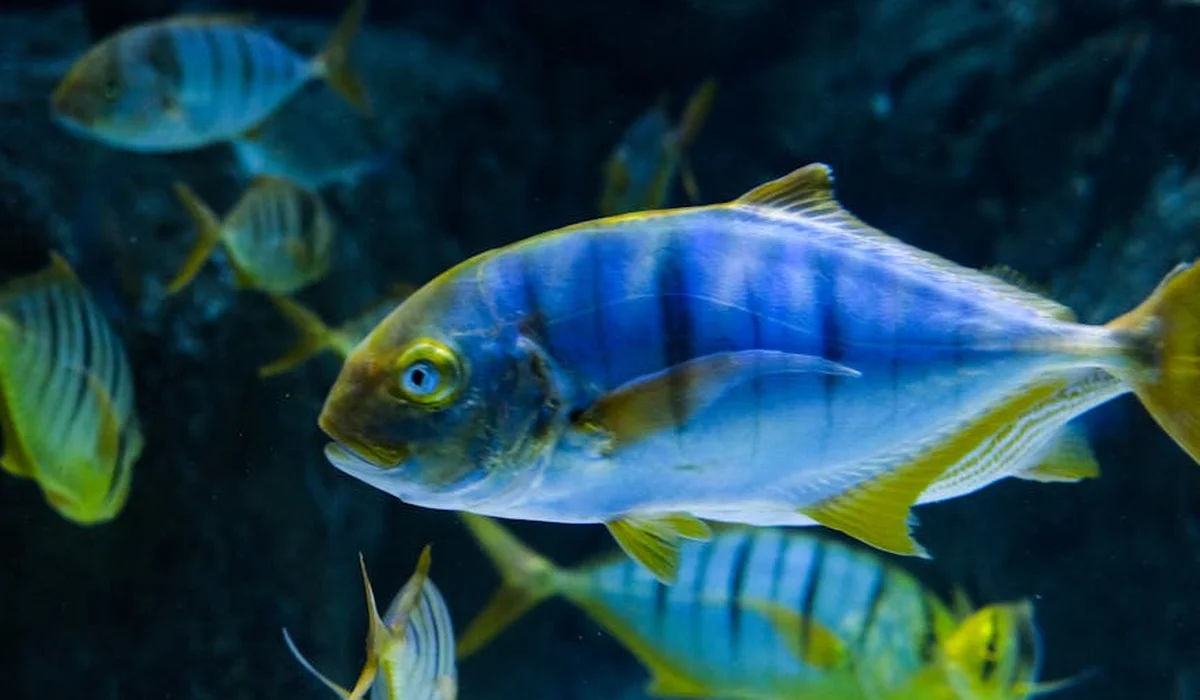
Your fish can’t tell you they hurt, but their bodies shout through subtle, silent changes. Learning this visual language is your first and most powerful tool as an aquarist.
Clamped Fins and Color Loss
Imagine constantly hunching your shoulders in discomfort-that’s clamped fins. A stressed fish holds its fins tight against its body instead of flowing freely. My betta, Captain Fin, does this if his water is even slightly off. Clamped fins are a universal distress signal, often the very first sign that something in the environment is wrong.
Fading color, or paling, is another huge red flag. It’s not the gentle color shift during sleep; it’s a dull, washed-out appearance. Vibrant fish like Goldie look suddenly faded. This can signal chronic stress from poor water quality or constant bullying. A sudden loss of brilliant color means your fish is actively trying to become invisible to perceived threats.
Visible Damage and Distress
Look for physical breakdowns on the body. Red streaks in fins or on the body, fuzzy white patches, or open sores (ulcers) are not just “sickness”-they are the direct result of a weakened immune system crushed by stress. A fish gasping at the surface or breathing with rapid gill movements is in acute distress, usually from oxygen deprivation or ammonia burns. Rapid gill movement is the equivalent of panting; it means your fish is fighting for its life right now.
Don’t ignore erratic behavior that causes harm. Frantic scraping against decor (flashing) damages slime coats and scales. Watch for frayed, rotting fins or missing scales, which are physical wounds from stress-induced illness or aggression.
Uninvited Guests: The Top 5 Causes of Tank Stress
-
Poor Water Quality (Ammonia, Nitrite, Incorrect pH)
This is the number one culprit. Ammonia and nitrite are invisible toxins that chemically burn fish gills. I test my tanks weekly because you simply cannot guess these levels. Any detectable amount of ammonia or nitrite above 0 ppm is an emergency that requires immediate partial water changes. A pH that swings wildly is also a silent shock; many fish prefer stability over a theoretically “perfect” number. Common causes of high ammonia include overfeeding, decaying debris, and insufficient biological filtration. For more details, you can check out the article on the common causes of high ammonia. Fixes include larger partial water changes, reducing feeding, and ensuring your tank is properly cycled with beneficial bacteria. -
Incorrect or Fluctuating Temperature
A heater that fails or a tank in direct sunlight can send temperatures on a roller coaster. Tropical fish like bettas need a steady 78-80°F. A variance of more than 2-3 degrees in a day forces their bodies into metabolic overdrive. Invest in a reliable heater and a separate digital thermometer-the tiny sticker ones are often tragically inaccurate. -
Overcrowding and Incompatible Tank Mates
Too many fish, or the wrong kinds together, creates a prison of constant anxiety. Fish like Shadow, my corydoras, need peaceful friends and open bottom space. Overcrowding leads to resource competition, aggression, and a toxic buildup of waste. Research adult sizes and social needs before buying; that cute little fish might become a territorial monster. -
Inadequate Habitat (Lack of Hiding Spaces, Wrong Substrate)
Bare tanks are stressful tanks. Fish need retreats to feel secure. Without plants, caves, or driftwood, they are constantly exposed and on high alert. The wrong substrate matters, too; delicate bottom feeders need smooth sand, not sharp gravel that can injure their barbels. A crowded decor store is less stressful than a barren, open-plan aquarium for most fish species. -
Improper Acclimation and Handling
Dumping a new fish directly into your tank is a massive shock to its system due to differences in water chemistry and temperature. The slow drip acclimation method is best. Netting fish frequently also removes their protective slime coat. Always acclimate for at least 30-60 minutes, and use a container instead of a net when possible to move fish. Proper acclimation techniques are crucial for their health.
Species Spotlight: Stress Signs in Common Tank Residents

Different fish express anxiety in different ways. Knowing the normal behavior for your tank’s personalities is your first line of defense. In a community tank, recognizing aggressive versus peaceful personalities helps you anticipate conflicts. This guide will help you manage those traits to keep the tank harmonious.
Feisty Solo Artists (Bettas like Captain Fin)
For a betta, stress often manifests as a loss of that famous fiery spirit. If your normally responsive friend like Captain Fin is lethargic, resting on the substrate, or ignoring food, something is seriously amiss. Look for faded colors, clamped fins held tight to the body, and frantic, darting swimming. A stressed betta may also breathe rapidly at the surface or, conversely, try to hide constantly.
Gregarious Schoolers and Foragers (Goldfish, Tetras)
Stress fractures the social contract in a school. Watch for fish that break away from the group, hanging at the top or bottom alone, as this is a classic distress signal. You might see frantic, erratic swimming or, in goldfish like Goldie, a complete loss of interest in foraging. Fins may clamp, and they might scratch against decorations-a sign of external parasites irritation often brought on by poor water.
Shy Bottom Dwellers (Corydoras like Shadow)
When normally shy fish become recklessly visible, it’s a major red flag. A Corydoras like Shadow who is constantly darting around the mid-water column or gasping at the surface is screaming for help. Their barbels (those cute whiskers) may appear eroded or red from unsuitable substrate. If they’re utterly motionless for too long or refusing to sift through sand, investigate your water quality immediately.
Calming the Waters: Your Step-by-Step Response Plan
Don’t panic. A methodical approach will solve most problems. Follow these steps in order.
-
Test Your Water Immediately (Ammonia, Nitrite, Nitrate, pH)
This is non-negotiable. Any trace of ammonia or nitrite is an emergency. High nitrates or a sudden pH swing are also common culprits. Knowing your exact parameters is like getting a diagnosis from a doctor-it tells you exactly what to treat. -
Check Heater and Thermometer Function
Feel the heater. Is it on? Confirm the temperature with a separate, reliable thermometer. A failed heater can cause a deadly temperature drop, while a stuck one can slowly cook your tank. A variance of more than two degrees from your target can induce stress. -
Observe Tank Dynamics for Bullying
Sit and watch for 15 minutes. Is one fish chasing others? Are certain fish blocked from food? Aggression is a huge stressor. Look for torn fins, missing scales, or one individual claiming a huge territory as their own. When you spot a single aggressive fish, you’ll need a plan for dealing with bullies in a community tank. Effective bully management often means early action, such as relocating the aggressor or adjusting the layout to reduce chasing. -
Perform a Modest, Temperature-Matched Water Change
Don’t change more than 25-30% at once. Use a water conditioner and match the new water’s temperature to your tank within one degree. This instantly dilutes pollutants and provides relief without shocking the system with a massive shift. Think of it as a safe, effective partial water change. Replacing only a portion at a time helps maintain stability while gradually diluting pollutants. -
Consider a Hospital Tank for Severe Cases
If a fish is injured, being severely bullied, or shows signs of contagious illness, move them. A simple, bare-bottom tank lets you monitor, treat, and allow them to recover in peace. This also prevents you from medicating your entire main tank unnecessarily. For best results, make sure you’re using the proper equipment in your hospital tank.
## Common Questions
What are the most common early warning signs of stress in any fish?
The most common early warnings are behavioral changes. You should watch for a sudden loss of appetite, unusual hiding or lethargy in normally active fish, and frantic, darting swimming. These behavioral shifts often appear before any physical symptoms become visible and indicate that your fish is not comfortable in its environment. Some changes are normal with routine or acclimation, but persistent or extreme changes may signal illness. For a detailed comparison, refer to Healthy vs unhealthy fish, which outlines important signs indicating health vs illness in fish.
Are stress signs different for a betta fish compared to other fish?
While many signs are universal, bettas exhibit some specific tells. A stressed betta often loses its vibrant color and holds its flowing fins clamped tightly against its body. You may also notice a dramatic change in personality, such as a feisty fish becoming listless and spending excessive time resting on the bottom or hiding.
Can a fish be stressed without showing obvious physical symptoms?
Absolutely. Stress is often an internal, physiological response to poor water conditions or fear. A fish may experience significant stress from chronic issues like incorrect pH or minor bullying long before it shows torn fins or spots. This is why monitoring behavior and regularly testing your water parameters is so crucial. Watching how they behave before and after a water change can tell you what’s normal for your tank. Generally, a properly matched water change should calm stress and bring activity back to baseline, while persistent stress afterward indicates another issue.
What should I do immediately if I think my betta fish is stressed?
Your first and most critical step is to test the aquarium water for ammonia, nitrite, nitrate, and pH. Ensure the water temperature is stable and correct for a betta (78-80°F). Then, perform a modest water change with temperature-matched, conditioned water to immediately dilute any pollutants and provide relief. Regular testing helps maintain proper water parameters in your aquarium. Establish a simple routine to re-test after changes to stay ahead of problems.
Your Aquarium’s Silent Language
By watching for subtle shifts in behavior, appearance, and appetite, you become fluent in your fish’s silent language of stress. Your most powerful tools are consistent observation, pristine water quality, and a peaceful tank environment that meets each species’ specific needs.
Becoming a great fishkeeper is a rewarding journey of paying attention and adapting to the living world in your care. Stay curious, keep learning, and you’ll build a thriving aquatic home where your fish can truly flourish.
Further Reading & Sources
- Fish Stress: Signs, Causes and Treatment | Chewy
- Stress factors for aquarium fish
- Stressed Fish? How to Identify Causes & Calm Your Aquarium Pets
- Tips for Spotting Signs of Distress in Your Fish Before It’s Too Late – RateMyFishTank.com
- Beginner: Stress
Lia is an expert in aquarium and pet fish care. Having worked in the marine industry and having cared for multiple pet fish, she has acquired first hand expertise on aquarium care, maintenance and setup. She always brings her practical expertise and science to help solve any aquarium related queries.
Health & Disease