
Do Fish Feel Lonely? Decoding Schooling vs. Shoaling for a Happier Tank
Published on: September 12, 2026 | Last Updated: September 12, 2026
Written By: Lia Annick
Hello fellow fish keepers! Watching a single fish glide through the water often sparks a deep worry about their social needs. That moment of concern shows you care deeply about providing the best life for your aquatic pets.
This guide will give you clear answers and practical steps by covering:
- the precise biological difference between schooling and shoaling fish
- unmistakable behavioral signs of stress in isolated fish
- exact group sizes and tank mates for popular social species
- aquascaping techniques that naturally encourage bonding
With multiple years of experience running complex planted tanks and breeding everything from bettas to corydoras, I’ve balanced countless aquatic communities for optimal health.
The Big Question: Can a Fish Feel Lonely?
Watching a single fish pace the glass can tug at your heartstrings. You might wonder if it misses company. From my tanks, I’ve seen fish like Captain Fin, my betta, display very different behaviors when alone versus when he has tank mates he can see, even if they don’t share water. The short answer is that fish don’t get “lonely” with human-like emotions, but they absolutely can suffer from intense stress when kept in isolation against their natural instincts. So, what are the most common signs of stress in aquarium fish? Recognizing these can help you adjust their environment before problems escalate.
Fish Feelings vs. Fish Stress: What Science Tells Us
Neuroscience shows fish brains aren’t wired for complex emotions like loneliness, but they are brilliantly adapted to feel stress-a vital survival tool. Chronic stress from being alone manifests in ways you can spot: faded colors, lethargy, loss of appetite, or frantic glass surfing. Think of it like this: a solo schooling fish in your tank is like a person stranded on a quiet, open plain; they feel exposed and vulnerable constantly.
My corydoras, Shadow, taught me this. Alone, he’d wedge himself under wood and rarely come out. After I introduced a small group of his own kind, his whole demeanor changed; he now flits across the substrate with a playful confidence that’s a joy to watch. The change wasn’t about “friendship” but about reduced stress and fulfilling a deep-rooted need for safety in numbers.
Here’s how to distinguish simple solitude from harmful stress:
- Observe activity levels: A healthy solo fish of a solitary species (like a betta) will explore and rest. A stressed solo schooler will hide excessively or swim erratically.
- Monitor eating habits: A sudden lack of interest in food is a major red flag for stress-related depression.
- Check physical appearance: Dull colors or clamped fins often signal ongoing anxiety, not just poor water quality.
Schooling vs. Shoaling: It’s More Than Just a Group
Many aquarists use these terms interchangeably, but the difference shapes how you stock your tank. Schooling is synchronized, military-precision swimming where all fish move as one glittering unit, often seen in neon tetras or rummynose tetras. Shoaling is a looser social club; fish hang out in the same area for security but move independently, like my group of corydoras or most barbs.
A shoaling fish can often adapt to a mixed-species group if their core needs are met, but a true schooling fish will remain stressed without the tight formation of its own kind. Getting this wrong is a common setup mistake. I once tried keeping a single harlequin rasbora with some placid guppies; it never settled, always darting as if trying to find its missing squadron.
Why They Do It: Survival, Communication, and Comfort
The drive to group is hardwired for three concrete reasons. First, survival: a group creates a “confusion effect” for predators, and many eyes are better for spotting danger. Second, communication: subtle body flicks and shifts in the school spread info about food or threats faster than any single fish could. Third, comfort: the very presence of companions lowers cortisol levels, promoting better health and coloration.
To replicate this in your aquarium, follow these steps:
- Identify your fish’s natural behavior. Research if they are obligate schoolers (need a tight group), shoalers, or solitary.
- Provide the right group size. For schooling fish, six is often the absolute minimum, but eight or more is where the magic happens and you see natural, fluid movement.
- Design your tank layout to encourage grouping. Use open swimming lanes for schoolers and clustered plants or caves for shoalers to feel secure.
The gentle hum of your filter should be the backdrop for the shimmering dance of a school, not the only sound in a tank of isolated, stressed individuals. Meeting this social need is as critical as nailing your water parameters.
Spotting the Signs: Is Your Fish Lonely or Stressed?
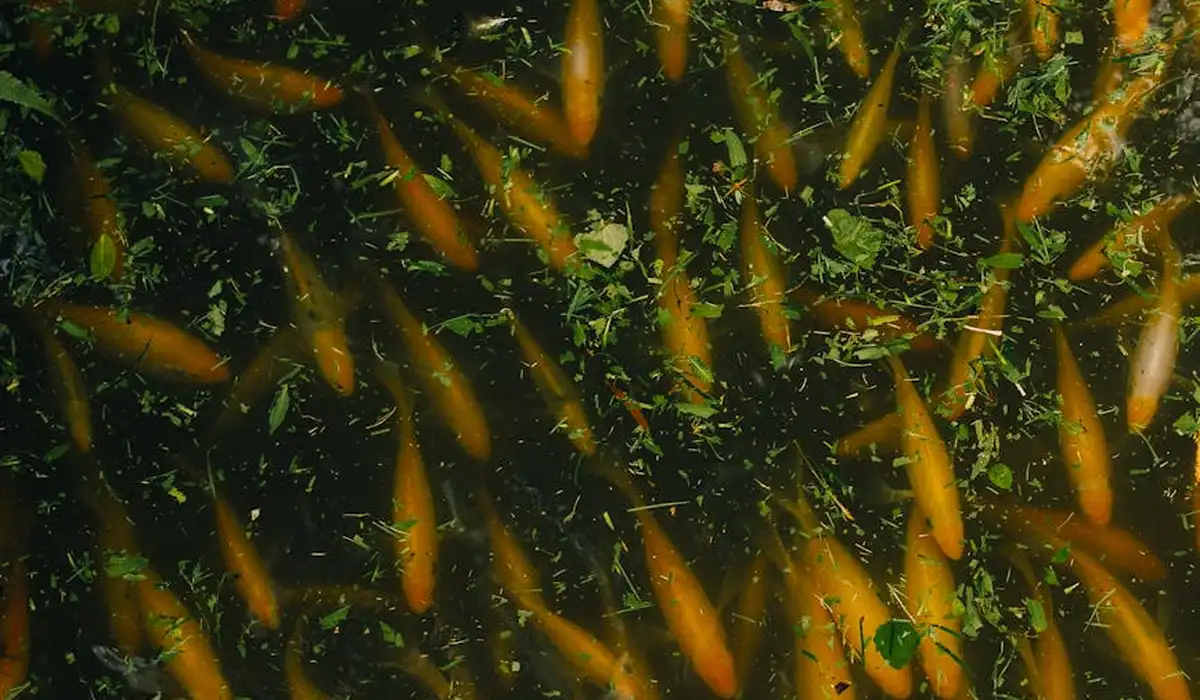
Decoding fish behavior is like learning a silent language. You need to watch closely for the subtle tells that something is off in their world. It also helps you spot play, fighting, and mating signals. These cues reveal a lot about their social world.
Clues in Social Species (Schoolers & Shoalers)
For fish like Shadow, my Corydoras, being alone is genuinely stressful. A single schooling fish often acts like a nervous wreck. You might see it clinging to one corner of the tank, hiding constantly, or swimming in frantic, erratic bursts instead of calm, exploratory patterns. Its colors might even look washed out. A happy shoaler, in contrast, moves with a coordinated grace, feeling secure enough to forage and explore as a unit.
Other red flags include a complete loss of appetite or, paradoxically, hyper-aggression toward other species. It’s a fish screaming for its tribe without making a sound.
When “Alone” is Actually Okay: Solitary Fish Behavior
This is where Captain Fin, my Betta, enters the chat. His natural state is solitary. Seeing him patrol his territory calmly or rest on a leaf is a sign of contentment, not loneliness. For a territorial fish, the stress comes from invasion, not isolation-so adding another betta would be a disaster. Signs of stress in a solitary fish look different: flaring constantly at its own reflection, rubbing against decor (flashing), or developing clamped fins. Don’t mistake a peaceful, independent existence for sadness.
Creating the Right Social Scene in Your Tank
Getting the social mix right is the cornerstone of a harmonious aquarium. It’s about respecting each species’ innate needs. In a community tank, recognizing aggressive versus peaceful personalities helps you choose compatible mates and arrange the tank accordingly. Our aggressive vs peaceful fish guide offers practical tips to maintain harmony and prevent conflicts.
The Magic Number: How Many Fish Make a Happy Group?
This isn’t a vague suggestion. For true schoolers, fewer than six is often just a group of stressed individuals. My rule of thumb is to aim for a minimum of six, but I’ve found that groups of eight or more truly unlock that beautiful, synchronized swimming behavior that makes a tank look and feel natural. For shoalers like tetras, a group of ten or more creates a breathtaking, shimmering effect. Always research your specific fish; some, like Harlequin Rasboras, need a dozen to feel truly secure.
Tank Mates and Community Dynamics
Throwing together fish that just “fit” your water parameters is a recipe for tension. You must consider personality layers.
- Match Activity Levels: A hyperactive Zebra Danio will endlessly pester a slow-moving Gourami. It’s not aggression; it’s incompatibility.
- Respect All Zones: A good community has fish using the top, middle, and bottom. Shadow (bottom) and Goldie (mid-level) can coexist peacefully because they aren’t competing for the same physical space.
- Provide Visual Breaks: Dense plants, driftwood, and caves are non-negotiable. They give shy fish a retreat and break lines of sight to prevent bullying. Even Captain Fin needs places to hide from his own majestic view sometimes.
The goal is a balanced ecosystem where every fish can express its natural behavior without fear.
Beyond Fish Friends: Enrichment for Every Personality
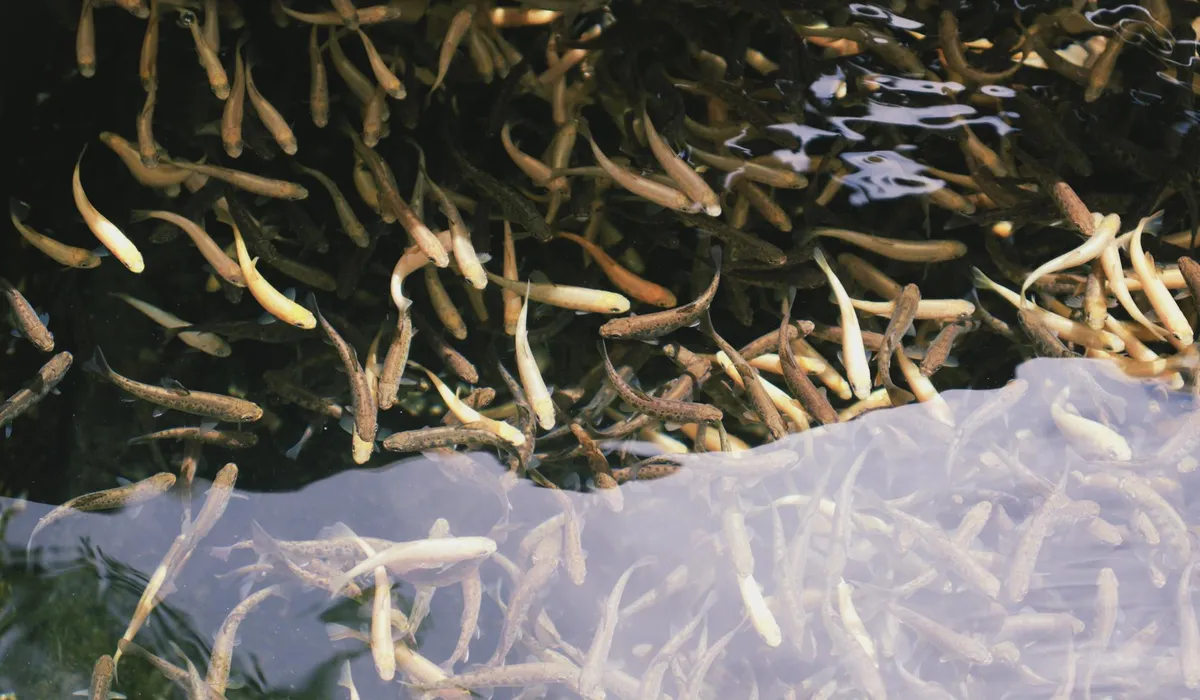
Think of your tank not just as a container, but as a dynamic world where mental stimulation is as vital as clean water. Providing the right environment prevents stress and boredom, which can manifest as faded colors, lethargy, or even illness in your fish. Improving water quality is essential for a healthy aquarium. Regular tests and routine water changes help keep fish vibrant and stress-free.
Setting Up a Stimulating Environment
A stimulating tank mimics a fish’s natural habitat, giving them choices and challenges throughout the day. The key is to observe your fish’s natural behaviors and build your aquascape to support them, whether they crave company or solitude. To put these ideas into practice, refer to a step-by-step guide for creating a planted aquascape aquarium. It helps you plan, plant, and maintain a natural-looking tank that supports your fish.
For the Social Butterfly (The Schooling Tank)
For fish like my Corydoras, Shadow, a group is non-negotiable for their well-being. Schooling fish feel secure and exhibit fascinating natural behaviors only when kept in proper numbers, which reduces stress and encourages active exploration.
Here’s how to build a thriving community tank for social species:
- Start with the right group size. For most small schooling fish like Tetras or Rasboras, a minimum of six is the golden rule, but for Corydoras, I never go below six in my 20-gallon long tank.
- Create lanes for swimming. Use tall background plants like Vallisneria and leave the mid-water area open so the school can move as a shimmering unit.
- Add multiple hiding clusters. Spread driftwood, rock caves, and dense plant bunches like Java Fern across the tank to break lines of sight and prevent any single fish from being bullied.
- Trigger natural foraging. I scatter sinking wafers in different spots to make my Corydoras patrol the sand, working together to find food just like they would in a river.
For the Lone Wolf (The Solitary Fish Tank)
Fish like Captain Fin, my Crowntail Betta, are territorial and can become stressed by constant company. A solitary set-up succeeds when it offers complex territory to patrol and control, turning the entire tank into a kingdom for one.
Enrichment for a lone fish focuses on environmental complexity, not companions:
- Prioritize horizontal space. Even in a 5-gallon tank, a longer footprint is better than a tall one, giving your betta room to cruise and establish territories.
- Include resting spots near the surface. Betta leaves or broad Anubias leaves give them a place to perch just below the waterline, which they inherently seek.
- Use gentle flow and visual barriers. A sponge filter provides calm water, while strategically placed plants break up the view, making the tank feel larger and more engaging.
- Rotate toys safely. I occasionally introduce a clean, smooth mirror for less than a minute during feeding time to stimulate Captain Fin’s curiosity, but never leave it in to cause constant stress.
A Quick Guide to Common Fish and Their Social Needs
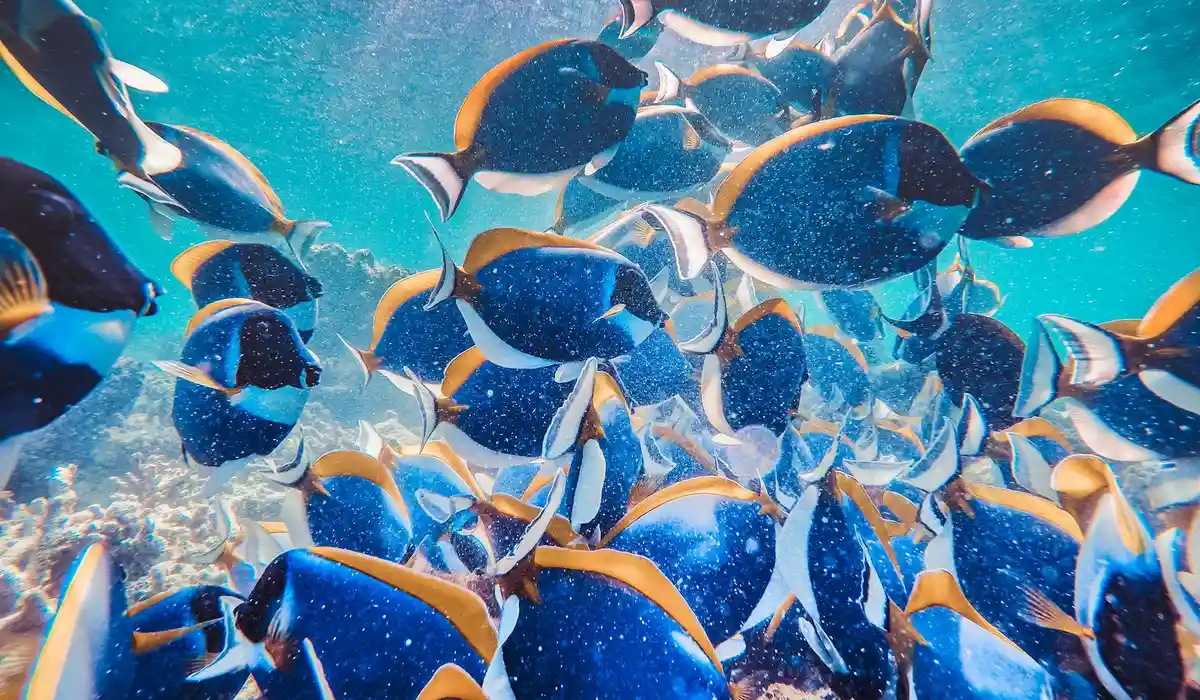
Matching a fish’s social requirements to your tank setup is the cornerstone of a healthy aquarium. Getting this wrong is a common source of fish stress, so use this guide as a cheat sheet for planning your aquatic community. When you choose compatible fish for your community tank, you’ll minimize aggression and maximize harmony. Start by considering temperament, size, and schooling needs to ensure every inhabitant thrives.
| Fish Type | Social Nature | Minimum Group/Tank Size | Key Environmental Needs |
|---|---|---|---|
| Corydoras Catfish (like Shadow) | True schooling fish, deeply social | 6+ individuals; 20-gallon tank | Soft sand substrate, pH 6.5-7.5, many hiding places |
| Betta Fish (like Captain Fin) | Solitary & territorial; males must live alone | 1 individual; 5-gallon minimum | Calm water, 78-80°F, plants for resting and cover |
| Oranda Goldfish (like Goldie) | Social shoaler, enjoys company of its own kind | 2+ individuals; 30 gallons for the first, +20 per added fish | Cool water (68-74°F), powerful filtration, open swimming space |
| Neon Tetra | Tight schooling fish for safety | 6+ individuals; 10-gallon tank minimum | Dim lighting, acidic water (pH 6.0-7.0), planted backdrop |
| Dwarf Gourami | Often solitary or paired; can be timid with boisterous fish | 1 individual or a pair; 10-gallon tank | Surface plants, warm water (77-82°F), peaceful tank mates |
Remember that individual personality exists, like Goldie’s relentless foraging, so always watch your fish and adjust their environment to support their unique habits. Understanding how each fish stakes and defends a space is a cornerstone of the ultimate guide to aquarium territorial behavior. Plan your tank with defined zones and sufficient cover to reduce aggression. Your observations are the most valuable tool for ensuring each fish, whether in a crowd or alone, lives a full and engaging life.
Common Questions
Can I keep different species of schooling fish together to form one group?
While different species can sometimes shoal loosely together for security, true synchronized schooling almost always occurs within the same species. A Neon Tetra will not perfectly school with a Harlequin Rasbora. It’s best to provide a proper-sized group of each species to meet their specific social needs and prevent stress.
My single schooling fish seems fine now. Is it okay to add companions later?
Yes, and it is highly recommended. A single fish may appear calm out of sheer lethargy or fear. Introducing an appropriate-sized group of its own kind often triggers a remarkable positive change in behavior, energy, and coloration as its fundamental need for security is finally met.
Are there any schooling fish that can be kept alone if the tank is small?
No. The need to school or shoal is a hardwired instinct for social species, not a preference based on space. Keeping a schooling fish alone in a small tank is a double stressor: isolation compounded by confinement. For a small tank, choose a suitable solitary species like a Betta or a single Dwarf Gourami instead.
My Zebra Danios (active shoalers) chase each other constantly. Is this a sign they are unhappy or that my group is too small?
This is often normal behavior for active shoalers. Chasing is typically a way to establish a hierarchy and is a sign of social interaction. However, if one fish is relentlessly bullied, hides constantly, or shows physical damage, increasing the group size can help diffuse aggression by spreading it out among more individuals. Likewise, in a community tank with a single bully, adding more hides and distinct territories can help. If the aggression remains, temporarily separating or relocating the bully may be necessary.
Wrapping Up: Fish Companionship and Care
Your fish’s social health hinges on recognizing their natural instincts, so always house schooling species in proper groups. Tailor your tank’s community and layout to reduce stress and promote natural, engaging behaviors for every inhabitant.
Responsible fish keeping is a journey of attentive care and constant education about your aquatic pets. Embrace the learning process, and you’ll build a thriving, dynamic ecosystem that brings joy for years to come.
Further Reading & Sources
- Do Fish Get Lonely? Understanding Fish Behavior
- Shoaling and schooling – Wikipedia
- What happens if a schooling fish is alone? – Quora
- Schooling Fish
- Can a Goldfish Live Alone? Do They Get Lonely? – Aquarium Labs
Lia is an expert in aquarium and pet fish care. Having worked in the marine industry and having cared for multiple pet fish, she has acquired first hand expertise on aquarium care, maintenance and setup. She always brings her practical expertise and science to help solve any aquarium related queries.
Fish Species