
Your Guide to Managing Aquarium Territorial Behavior
Hello fellow aquarists. You set up a beautiful tank, only to find your fish chasing each other or hiding constantly. I know that frustration well, and this guide will help you restore the peace.
We will cover everything you need to create a harmonious underwater world, including:
- How to spot the subtle and obvious signs of territorial disputes.
- The main triggers that cause fish to claim territory and become aggressive.
- Proven tank management and aquascaping solutions to reduce conflict.
- How to choose fish with compatible temperaments from the start.
My advice comes from years of hands-on experience maintaining complex community tanks and breeding sensitive species.
What Is Territorial Behavior in Your Aquarium?
Think of territorial behavior as your fish’s way of saying, “This is my spot!” It’s a natural instinct to claim and defend a specific area for food, safety, or breeding. You’ll see this most often with cichlids, bettas like my Captain Fin, and many types of catfish, all trying to secure their own little piece of the underwater world.
It’s vital to know the difference between normal posturing and real trouble. A little chasing or flaring is often just a warning. True harmful aggression involves relentless pursuit, physical damage like torn fins, and preventing other fish from eating. Healthy territorial disputes are brief and don’t result in injury, while harmful aggression is persistent and damaging.
Imagine your fish’s territory is like your favorite chair at home. You might give a look if someone else sits there, but you wouldn’t start a fight. That’s normal. If you were constantly shoving them out of the chair, that would be a problem. Fish operate on a similar principle. Understanding fish behavior helps explain why they sometimes play, fight, or engage in mating displays. These actions reveal what they need and how they communicate with each other.
| Territoriality | Illness or Stress |
|---|---|
| Behavior is directed at specific tank mates. | Behavior is generalized and affects the whole tank. |
| Fish returns to normal when the “intruder” leaves its zone. | Fish remains lethargic, hides constantly, or gasps at the surface. |
| Fins are typically erect and colors may be bright during displays. | Fins are often clamped close to the body, and colors can fade. |
| Appetite remains strong. | Fish refuses food. |
How to Spot the Signs of Fish Aggression
-
Watch for clear visual cues. You’ll see one fish relentlessly chasing another, nipping at fins, or ramming. Flaring gills, where a fish puffs out the membrane on the side of its head to look bigger, is a classic warning sign, especially in bettas and some cichlids.
-
Learn their body language. A lateral display, where a fish turns sideways to show off its full body size, is a fish’s way of flexing. Sudden, intense color changes can also signal agitation; my Captain Fin turns a deep, electric red when he’s guarding his floating log.
-
Identify stress in the bullied fish. Look for fish that are always hiding, have torn or tightly clamped fins, or stay huddled in a top corner. They might also develop a loss of color and refuse to come out during feeding time, a major red flag. These are among the most common signs that a fish is stressed in an aquarium, often signaling bullying or poor tank conditions. Recognizing them early helps you intervene to reduce aggression and improve tank health.
-
Observe the invisible lines they draw. Over time, you’ll notice certain fish only patrol a specific cave, a corner behind a filter, or a patch of plants. These are the boundary lines of their territory, and watching where they get defensive tells you everything about their claimed space.
Common Triggers for Territorial Disputes
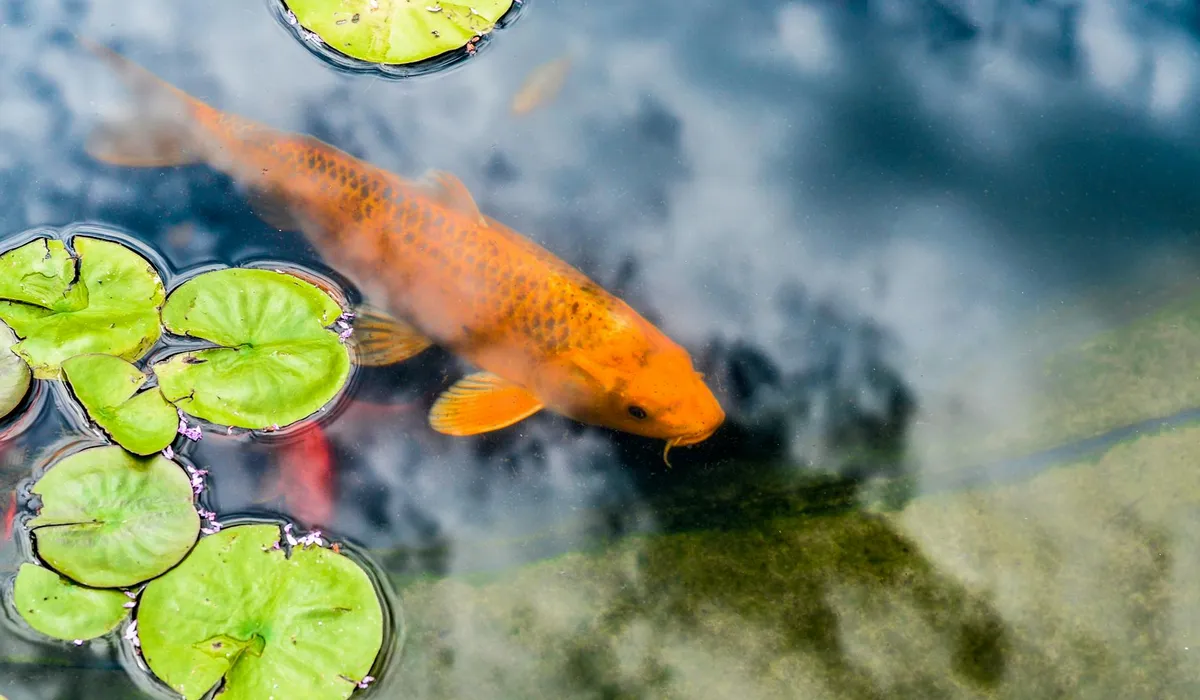
Seeing your fish chase each other is stressful. I’ve been there. The key to peace is understanding what sparks these skirmishes in the first place.
-
Small Tank Size
Imagine being forced to share a tiny studio apartment with a roommate you can’t avoid. That’s life for fish in an undersized tank. There’s simply no room to establish personal space. A fish that would be content in a larger area becomes a tyrant when its entire world is only a few gallons. Providing ample swimming room is the single most effective way to reduce territorial pressure. For many cichlids, for instance, a 55-gallon tank is a starting point, not a luxury. Equally important is choosing the right tank mates; peaceful companions can dramatically cut stress and reduce aggression. Do your homework on each species’ temperament and space needs before adding them to the same tank.
-
Overstocking
Cramming too many fish into one tank is a recipe for constant stress. It overloads the filter, pollutes the water faster, and forces constant competition for food, oxygen, and territory. The gentle hum of the filter is drowned out by the frantic darting of stressed fish. An overstocked tank doesn’t just look crowded; it feels like a perpetual state of emergency for the fish living in it. Always research the adult size and social needs of every species before you buy.
-
Lack of Hiding Spots
A bare tank is a battlefield. Without caves, dense plants, or driftwood, submissive fish have nowhere to retreat. They are constantly in the line of sight of more dominant tank mates, which keeps aggression levels high. My Corydoras, Shadow, would be a nervous wreck without his jungle of Java Fern. Breaking up the line of sight with decor gives every fish a safe zone and dramatically lowers aggression. It’s one of the easiest and most effective fixes you can make.
-
Poor Water Quality and Incorrect Lighting
Fish living in discomfort are quick to irritability. High ammonia or nitrite levels are toxic, causing physical stress that manifests as aggression. Even incorrect pH or hardness can put certain species on edge. Similarly, lighting that is too bright or left on for 16 hours a day can be incredibly stressful. Perfect, clean water is the foundation of a peaceful community, as it removes the underlying physical stress that fuels fights. Aim for a consistent photoperiod of 6-8 hours to mimic a natural day/night cycle.
-
Breeding Aggression
This is a powerful, instinct-driven trigger. A fish guarding a nest of eggs or a swarm of fry will see every other creature in the tank as a potential threat. My Crowntail Betta, Captain Fin, once claimed an entire corner of the tank when he was building a bubble nest, chasing away fish twice his size. Breeding aggression is often the most intense but also the most predictable and temporary form of territorial behavior. If you have a breeding pair, be prepared to use a tank divider or provide a dedicated breeding tank to protect the other inhabitants.
Species-Specific Territorial Traits
Not all fish view territory the same way. Some are relaxed neighbors, while others are the aquatic equivalent of a homeowner with a “no trespassing” sign and a serious attitude. Knowing the innate personality of your fish is the single most effective way to prevent tank turmoil. Understanding where each species falls on the aggressive vs peaceful spectrum is essential for a successful community tank. In our aggressive vs peaceful fish guide for community tank personalities, we break down compatibility and practical tips to keep harmony.
The Assertive Personalities
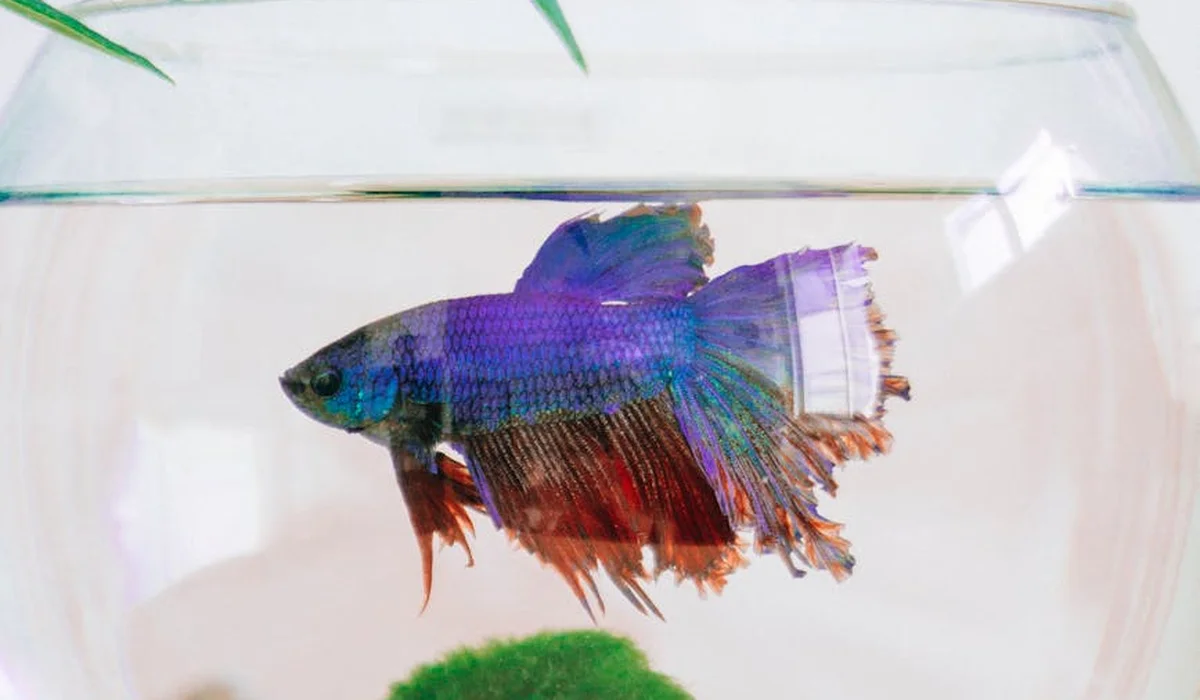
Let’s start with the fish that demand their space. My own Crowntail Betta, Captain Fin, is a perfect example. He patrols his five-gallon palace with purpose.
Bettas
Male bettas are infamous for fighting other males to the death. They see flowing fins and bright colors as a direct challenge. House male bettas alone; their territorial nature is not a phase, it’s a fundamental part of their behavior. Even with other species, they may nip at slow-moving, long-finned fish.
- Tank Needs: A minimum of 5 gallons, heavily planted with tall or floating plants to break lines of sight.
- Temperature: 78-80°F (25-27°C)
- Tank Mates: Snails or shrimp can sometimes work, but always have a backup plan.
Cichlids
This is a massive family with varying temperaments, but many are staunchly territorial, especially when breeding. African Cichlids from the rocky shores of Lake Malawi, for instance, are constantly jockeying for the best hiding spots.
- Tank Needs: Often require 55 gallons or more. Use rock piles to create numerous distinct caves and territories.
- pH: Varies by type; African Cichlids often need a higher, more alkaline pH around 7.8-8.5.
- Strategy: “Overstocking” is a common technique to diffuse aggression, as no single fish can dominate a large group, but this demands superior filtration.
The Peaceful Community Dwellers
On the other end of the spectrum, we have the fish that just want to live their lives without drama.
Corydoras Catfish
My Corydoras, Shadow, is the definition of a peaceful bottom-dweller. These fish are social and need a group of their own kind to feel secure. They don’t defend territory; they explore it together in adorable, wiggling packs.
- Group Size: Keep a minimum of 6 of the same species.
- Tank Needs: Soft sand substrate is crucial to protect their delicate barbels (whiskers).
Guppies
These livebearers are all about community. While males might display to females, they rarely fight over space. Their main concern is staying out of the way of larger, more aggressive tank mates. A well-planted tank gives them security and reduces stress.
- Group Dynamics: A ratio of two to three females per male helps prevent any single female from being harassed.
Aquarium Fish Compatibility Chart
This chart gives you a quick visual guide for common fish combinations. Remember, individual fish can have unique personalities!
| Fish Species | Betta | Dwarf Gourami | Angelfish | Zebra Danio | Corydoras | Neon Tetra |
|---|---|---|---|---|---|---|
| Betta | No | No | No | Risky | Yes | Risky |
| Dwarf Gourami | No | No | Risky | Yes | Yes | Yes |
| Angelfish | No | Risky | Yes (in pairs/groups) | Yes | Yes | No (will eat them) |
| Zebra Danio | Risky | Yes | Yes | Yes | Yes | Yes |
| Corydoras | Yes | Yes | Yes | Yes | Yes | Yes |
| Neon Tetra | Risky | Yes | No | Yes | Yes | Yes |
Key: Yes = Generally Safe, Risky = Use Caution, No = Not Recommended.
Mastering Group Dynamics
For schooling fish, numbers are everything. A lone tetra is a nervous, stressed fish. A shimmering school of them is a confident, healthy display.
A proper school makes fish feel secure, drastically reducing their stress and the resulting territorial squabbles. It confuses predators and allows the fish to exhibit their natural, fascinating behaviors.
- Small Tetras (Neons, Embers, etc.): Start with a group of at least 10. You’ll see a huge difference in their behavior compared to a group of 5 or 6.
- Barbs (Tiger, Cherry, etc.): Keep in groups of 8 or more. In smaller numbers, they often turn their nippy behavior onto tank mates.
- Danios & Rasboras: A minimum of 6 is the absolute baseline, but 8-10 is far better for a stable, active school.
- Bottom Dwellers (Corydoras, Loaches): Never keep them alone. A group of 6+ ensures they feel safe enough to venture out and forage.
I learned this the hard way with a small group of harlequin rasboras that always hid. Doubling their numbers transformed them from shy recluses into bold, active swimmers that now dominate the middle of the water column.
Setting Up Your Tank to Reduce Aggression
-
Step 1: Choose the right tank size based on species.
Getting the tank size wrong is a fast track to a conflict zone. Fish don’t just need space to swim; they need room to establish their own personal zones without constantly bumping into their tankmates. A 10-gallon tank might seem fine for a single feisty betta, but for a group of semi-aggressive cichlids, it’s a pressure cooker. Always research the adult size and territorial needs of your fish, then provide a tank that’s even a little bigger than the minimum recommendation. Choosing the right tank size can be crucial for their well-being. That extra 5 or 10 gallons can be the difference between a peaceful community and a daily turf war.
-
Step 2: Arrange decor and plants to create natural boundary lines.
Think of your tank like a studio apartment you’re sharing with roommates. You wouldn’t just put all the furniture in one corner. Use your hardscape-driftwood, large rocks, and tall decorations-to physically divide the tank into distinct territories. A large piece of driftwood can create a visual and physical barrier between the left and right sides of the aquarium. By strategically placing these large items, you give multiple fish the chance to claim a “room” of their own, which dramatically cuts down on confrontations. If you’re new to the hobby, a simple step-by-step beginner’s guide for building your home aquarium tank can help you plan these placements. Following a beginner-friendly layout guide helps you account for tank size, filtration, and decor before you add fish.
-
Step 3: Add plenty of caves, rocks, and hiding spots.
A fish without a safe place to retreat is a stressed fish, and stress fuels aggression. I use a mix of commercial caves, stacks of slate, and even clean, unglazed clay flower pots laid on their sides. The goal is to create more potential homes than you have fish. Providing an abundance of hiding spots ensures that even the most submissive fish in your tank can find immediate refuge, which lowers the overall stress level for the entire community. This is non-negotiable for bottom-dwellers like catfish, who feel vulnerable out in the open.
-
Step 4: Use plants to break sightlines and provide cover.
Plants are your secret weapon for peacekeeping. A thick wall of Amazon Swords, Vallisneria, or Hornwort acts like a privacy fence, preventing a fish from seeing clear across the tank. When a territorial fish can’t constantly see its rivals, it feels more secure and is less likely to patrol aggressively. Dense planting, especially around the edges and back of the tank, creates a complex environment where fish can forage and explore without being on constant display. Floating plants like Frogbit can also dim the light and add another layer of security from above.
-
Step 5: Consider tank dividers for highly aggressive fish.
Sometimes, despite your best efforts, you’ll have a fish that simply cannot coexist with others. For fish like my old betta, Captain Fin, a permanent or temporary tank divider is a lifesaver. You can section off part of the tank, giving the aggressive fish its own territory while keeping it in the same water. A solid divider that completely blocks the line of sight is the only kind that works; mesh dividers often don’t stop the aggressive posturing. This isn’t a failure on your part-it’s a responsible solution that keeps all your fish safe and healthy.
Practical Steps to Manage and Prevent Conflicts
-
Step 1: Research fish compatibility before adding new fish.
Never buy a fish on a whim because it looks pretty at the store. That beautiful fish could be a territorial nightmare for your current community. I spend hours researching a new fish’s temperament, adult size, and preferred water parameters before I even consider it. Look beyond the “community fish” label and dig into species-specific behaviors, as even peaceful fish can get feisty in a cramped space. For instance, my betta, Captain Fin, would never tolerate another fish with long, flowing fins, but he’s perfectly fine with the speedy, short-finned tetras in his tank. When planning a community tank, you should actively choose compatible fish that tolerate similar water conditions and coexist peacefully. A little care in selection can save you from counterproductive aggression and stress.
-
Step 2: Quarantine new arrivals to avoid introducing stress.
I keep a simple 10-gallon tank ready for all new fish. This two-week quarantine period isn’t just about spotting diseases like Ich; it’s a critical acclimation period. A quarantine tank gives new fish time to destress and recover from their journey without the immediate pressure of established territories. A stressed fish is more likely to hide constantly or, conversely, lash out aggressively, so this quiet time sets them up for success when they finally join the main display. To make this process smooth, I set up a quarantine tank ahead of every new arrival—cycling it and checking parameters so it’s ready. When you set up a quarantine tank for new fish, you gain a controlled, low-stress start that helps them settle in faster.
-
Step 3: Implement a feeding strategy to reduce competition.
Food is a primary trigger for aggression. If you only drop food in one spot, the boldest fish will claim it and guard it fiercely. I use multiple feeding points in my tank. I’ll drop a sinking wafer for Shadow the corydoras at the back, some flakes in the middle for the tetras, and a pellet at the front for Captain Fin. Spreading food out across the tank prevents a single “dinner table” from becoming a battleground and ensures your shy bottom-feeders like corydoras actually get to eat. This simple hack completely eliminated the frantic food frenzy I used to see.
-
Step 4: Monitor fish interactions and keep a log.
Watch your tank for 10-15 minutes at different times of day, especially during feeding and dawn/dusk when many fish are most active. I keep a small notebook with quick notes. Is one fish constantly chasing another? Is a particular cichlid guarding a flowerpot and not letting anyone else near? Writing down what you see helps you spot patterns of bullying or stress long before a fish gets injured. I once noticed my normally social Goldie was being chased from one side of the tank; my log helped me pinpoint the new decor that had created the problem spot.
-
Step 5: Rearrange decor periodically to disrupt established territories.
About once every two months, I do a minor rescape. I don’t do a full tear-down, but I’ll move a piece of driftwood, swap the positions of two plants, or add a new rock formation. Rescaping resets the “ownership” of the tank, forcing all the fish to renegotiate their territories from scratch and breaking up established bully zones. The first hour might be a little chaotic as everyone explores, but it almost always results in a more balanced and peaceful community afterward.
-
Step 6: Isolate aggressors if necessary for community peace.
Sometimes, despite your best efforts, one fish just won’t stop harassing the others. As a last resort, you need to remove the bully. I have a small breeder box that hangs inside the main tank. A temporary “time-out” for the aggressor, lasting a few days, can often reset its behavior and give the other fish a chance to recover and claim new hiding spots. However, it’s important to recognize when behavioral resets aren’t enough. If the aggression continues once it’s released, the only responsible choice is to permanently rehome the fish to a species-only tank or return it to your local fish store.
Common Questions
What should I do immediately if I see my fish being territorial and aggressive?
First, try to identify and remove the specific trigger, such as a lack of hiding spots. You can quickly add more plants or decorations to break up the line of sight. If a particular fish is the bully, consider temporarily isolating it in a breeder box within the tank to give the others a break.
How can I safely introduce a new fish to an established tank with territorial residents?
Always quarantine the new fish first to ensure it is healthy and distressed. A proper quarantine helps prevent disease from spreading to the main tank. When introducing it to the main tank, rearrange the decor to disrupt the established territories and reset the social hierarchy. This makes the environment new for all the fish, which can reduce aggression towards the newcomer.
Does rearranging the tank decor really help stop fish from fighting?
Yes, it is a highly effective strategy. Moving decorations, rocks, and plants removes the visual landmarks that fish have claimed as their own. This forces all the inhabitants to re-establish their territories from scratch, which can break up existing bully zones and diffuse tension.
When is it time to permanently remove an aggressive fish from my community tank?
You should consider permanent removal if the fish causes persistent physical harm, prevents others from eating, or remains aggressive even after you’ve tried other solutions like tank rearrangement and isolation. For the health of your entire community, the aggressive fish may need to be rehomed to a species-specific tank.
Your Peaceful Underwater World
Successfully managing your aquarium’s social life boils down to providing ample territory and watching for stress signals before they become serious. A well-structured tank with plenty of sightline breaks and hiding spots is your best tool for preventing most aggressive encounters.
Remember, being a great fishkeeper means committing to the ongoing learning process and adapting your care as your aquatic community grows and changes. Your dedication to understanding their world is what transforms a simple tank into a thriving, harmonious ecosystem.
Further Reading & Sources
- Aquarium Fish Behavior Guide: Understanding Social Dynamics and Patterns
- Hierarchies And Social Structures In Aquariums | Aquariums.guide
- Aquarium Fish Aggression: Causes and Solutions
- Aquarium Adventures Unveiled: Why Do They Do That? Understanding Fish Behavior
- Aquarium Fish Behavior
Lia is an expert in aquarium and pet fish care. Having worked in the marine industry and having cared for multiple pet fish, she has acquired first hand expertise on aquarium care, maintenance and setup. She always brings her practical expertise and science to help solve any aquarium related queries.
Fish Species