
Your First Aquarium: A Simple, Step-by-Step Guide to Building a Thriving Home Tank
Hello fellow fish keepers, feeling a mix of excitement and nerves about starting your first aquarium? That initial confusion over tank sizes and equipment is totally normal, and I’m here to turn that uncertainty into confidence.
This straightforward guide breaks down the entire process into manageable steps, so you can avoid common pitfalls and enjoy crystal-clear water and happy, active fish.
We will walk through every critical phase together:
- Selecting the ideal tank size and location to prevent future headaches.
- Choosing reliable equipment like filters and heaters for a stable environment.
- Mastering the nitrogen cycle and water chemistry to keep your fish safe and healthy.
- Aquascaping with substrate and plants to create a beautiful, natural habitat.
- Acclimating your first fish properly for a stress-free introduction.
With years of hands-on experience maintaining high-tech planted tanks and breeding everything from feisty bettas to shy corydoras, I provide advice that’s been tested in real home aquariums.
Choosing Your Aquarium Tank and Perfect Spot
What Size Aquarium is Best for a Beginner?
Many new aquarists think a small tank is easier, but that’s the opposite of the truth. A larger volume of water is far more forgiving of beginner mistakes, as waste dilutes more easily and parameters stay stable. For your first freshwater aquarium, I strongly recommend starting with a 20-gallon tank. This size gives you fantastic stocking options while being manageable for learning maintenance routines. Do choose the right aquarium size for your fish species, based on their adult size and swimming needs. This helps prevent overcrowding and ensures the tank supports them as they grow.
- 10-gallon tanks are okay for a single Betta or some shrimp, but water quality can swing wildly with just a small overfeeding.
- 20 to 30-gallon tanks are the sweet spot. They’re stable, you can keep a small community of fish, and they don’t demand excessive space.
- 5-gallon tanks and smaller are incredibly challenging to keep balanced and are not suitable for most beginner fish, despite what pet store displays might suggest.
Glass or Acrylic: Picking Your Tank Material
You have two main choices, and for most beginners, the decision is straightforward. Glass tanks are the standard for a reason-they are scratch-resistant and often more affordable. Acrylic tanks are much lighter and offer clearer, optical-quality viewing, but they scratch if you look at them sideways.
- Glass: Highly scratch-resistant, lower cost, and widely available. The weight is its main drawback.
- Acrylic: Extremely clear and lightweight, but prone to scratching and typically more expensive.
In my own fish room, every single tank is glass. The durability against scratches during cleaning and algae scraping makes glass the practical, long-term winner for a home aquarium.
Budgeting for Your Home Aquarium
The initial sticker price of the empty tank is just the beginning. You must budget for all the equipment that makes it a living ecosystem. A common mistake is spending the entire budget on the tank and stand, leaving no funds for a proper filter or heater.
- Tank & Stand: ~$150-$300 for a 20-30 gallon combo.
- Filtration: ~$50-$100 for a quality hang-on-back or canister filter.
- Heater & Thermometer: ~$30-$50. Never skip the thermometer to verify the heater’s work.
- Substrate & Lighting: ~$60-$150. Good plant substrate and a full-spectrum LED light are investments that pay off.
- Unexpected Costs: Always set aside an extra $50-$100 for water conditioners, test kits, fish food, and net.
Plan to spend at least double the cost of your empty tank on the essential equipment to get started correctly. Buying quality from the start saves money and heartache later.
Essential Equipment for Your Fish Tank
Filtration Options for Freshwater Tanks
Your filter is the heart of the aquarium, and it must perform three types of filtration to keep the water pristine. The gentle hum of a good filter is the sound of a healthy tank. You need mechanical filtration to trap debris, chemical filtration (like carbon) to remove dissolved wastes, and most critically, biological filtration where beneficial bacteria live to process toxic ammonia.
- Hang-on-Back (HOB) Filters: My top pick for beginners. They are affordable, easy to maintain, and offer all three types of filtration.
- Sponge Filters: Excellent for biological filtration and very gentle, often used in breeding tanks or shrimp tanks. They require an air pump.
- Canister Filters: The powerhouses for larger tanks (40+ gallons). They hold more media and offer superior mechanical and biological filtration but are more expensive and complex to clean.
Choose a filter rated for a tank size larger than your aquarium to ensure it can handle the biological load effectively. Over-filtration is your best friend. When choosing, align the filter’s capacity with your tank size to ensure you pick the right aquarium filter for your setup.
Heater and Temperature Control
Nearly all tropical fish need stable, warm water. A sudden temperature drop can stress fish and invite disease. The goal is a steady environment, not one that swings with your home’s temperature. You need a reliable heater and a separate thermometer to act as your independent watchdog.
- For a standard 20-gallon tank, a 50-watt to 100-watt heater is perfect.
- Always use an adjustable heater, not a preset one, so you can dial in the exact temperature your specific fish need (usually between 76-80°F for most tropical communities).
- Place the heater near a water flow source, like the filter output, to distribute heat evenly throughout the tank.
The little glass thermometer stuck to the outside of your tank is non-negotiable; it’s the only way to know your heater is functioning properly. I check mine every single day.
Substrate and Lighting for Planted Tanks
Your substrate is more than just decoration; it’s the foundation for your plants and a home for beneficial bacteria. Pairing the right substrate with the right light is the secret to a thriving planted tank. The shimmer of fish scales against a backdrop of lush green plants is a sight every aquarist should experience.
- Inert Substrate: Gravel or sand. It looks nice but provides no nutrients for plants. You’ll need to add root tabs for any root-feeding plants.
- Active Plant Substrate: Soils and clays (like Fluval Stratum). These are packed with nutrients and help soften water and lower pH, which many fish and plants love.
- Lighting: A full-spectrum LED light is ideal. Look for one with adjustable intensity or a built-in timer. For low-tech planted tanks, aim for 6-8 hours of light per day to keep algae in check.
A 2-3 inch deep layer of a quality plant substrate will fuel plant growth for over a year and create a stable root system that benefits your entire aquarium. This is one area where investing a little more upfront makes a massive difference.
Step-by-Step Aquarium Setup
Preparing and Adding Substrate
Think of your substrate as the foundation of your entire underwater world. The type you choose directly impacts your water chemistry and plant health. I always use a two-layer approach for my planted tanks. A nutrient-rich base layer capped with an inert sand or fine gravel gives your plant roots a powerful start without clouding the water column.
Before anything goes in the tank, you must clean it. Even if the bag says “pre-rinsed,” trust me, it isn’t clean enough. Place small amounts of substrate in a bucket and run water through it, swishing it with your hand, until the water runs completely clear.
- Turn a 5-gallon bucket one-third full with your substrate.
- Place the bucket in a sink or tub and run a gentle stream of water into it.
- Use your hand to stir and agitate the substrate vigorously.
- Tip the bucket to drain the cloudy water, being careful not to lose substrate.
- Repeat steps 2-4 until the water you drain out is perfectly clear.
Now, you can add it to your dry, empty tank. Slope it gently from the back to the front. A slight slope, about an inch higher in the back, creates a wonderful sense of depth and makes waste naturally drift forward for easier cleaning. Aim for a depth of 2-3 inches for most planted setups.
Installing Decorations and Plants
This is where your personal touch brings the aquarium to life. Decorations aren’t just pretty; they are crucial hiding spots for fish like my Corydoras, Shadow. When arranging hardscape like rocks and driftwood, always place them directly on the tank’s bottom glass *before* you add the substrate. Burying the base of a large rock or piece of wood in the substrate anchors it securely and prevents any dangerous tipping that could crack the glass.
For plants, I separate them into three main types to make planting easier:
- Root Feeders: Plants like Swords and Cryptocorynes. Push their roots deep into the substrate, covering the crown (where roots meet stems) but not burying any leaves.
- Rhizome Plants: Anubias and Java Fern. Never bury their thick, horizontal rhizome. Instead, attach them to rocks or wood with super glue gel or cotton thread.
- Stem Plants: Plants like Hornwort and Rotala. Plant these in small bunches, trimming the bottom leaves first to expose a clean stem for insertion.
Arrange taller plants in the background and shorter ones in the front. Leave some open swimming space in the center; a crowded tank can stress active fish and makes maintenance a real chore. Once everything is placed, give your hardscape a gentle shake to ensure it’s stable and won’t topple over.
Setting Up Your Filtration System
Your filter is the heart and lungs of your aquarium, home to the beneficial bacteria that keep your fish safe. I recommend a hang-on-back filter for most beginners-they are effective, affordable, and easy to maintain. The key is to never replace all the filter media at once, as that’s where your essential bacteria colony lives.
Before you install it, fill your aquarium with dechlorinated water about halfway. This gives you water to test for leaks and makes planting easier. This is the first step in our install and set up aquarium filter complete guide. In this guide, we’ll show you how to install, prime, and start the filter. Now, set up your filter:
- Rinse the filter media (sponges, ceramic rings) in a bowl of old tank water (or dechlorinated water) to remove dust. Never use tap water, as the chlorine will kill bacteria.
- Assemble the media in the filter box according to the manufacturer’s instructions.
- Mount the filter securely on the back of the tank and ensure the intake tube is fully submerged.
- Fill the filter’s reservoir with tank water to prime it, then plug it in.
You should see a steady flow of water returning to the tank. Adjust the flow rate if your filter allows it; a gentle flow is better for bettas, while goldies prefer more current. That steady hum means the nitrogen cycle is beginning, a process where bacteria convert harmful fish waste into safer substances. Let the filter run with the tank lights on for a full 24-48 hours before adding any fish to ensure everything is stable.
Cycling Your New Aquarium
Cycling your aquarium is like building the foundation for a tiny, living world-it’s the process of growing beneficial bacteria that break down harmful fish waste. Without a solid cycle, your tank can become toxic quickly, so take your time here to avoid heartache later.
I always start with a fish-less cycle using pure ammonia or a pinch of fish food to simulate waste. This method is safer and kinder to fish, as it doesn’t expose them to dangerous ammonia spikes. You’ll need a water test kit to track ammonia, nitrite, and nitrate levels over 4-6 weeks until both ammonia and nitrite read zero.
- Add an ammonia source to reach 2-4 ppm.
- Test water every 2-3 days, watching for nitrite to rise and fall.
- Once nitrate appears and others drop, do a partial water change before adding fish.
The hum of your filter will become a steady rhythm as bacteria colonize the media, turning murky beginnings into crystal-clear water. Patience here pays off with a tank that supports vibrant, active fish like Captain Fin, who thrives in stable conditions.
Understanding Water Parameters
Water parameters are the invisible rules that keep your aquarium healthy, much like the air we breathe. Testing your water weekly with a liquid test kit gives you a clear picture of what’s happening beneath the surface. To learn how to test your aquarium water properly, follow our step-by-step guide that walks you through each part of the process. It covers what tools you need, how to collect samples, and how to interpret the results so you can keep your tank in balance.
Focus on these key levels for most community tanks: ammonia at 0 ppm, nitrite at 0 ppm, nitrate below 20 ppm, pH between 6.5 and 7.5, and temperature around 75-80°F for tropical species. Goldie, my Oranda, taught me that even slight pH swings can stress fish, so I use crushed coral in the filter to buffer it naturally.
- Ammonia: Toxic; indicates unfinished cycling.
- Nitrite: Harmful; should be undetectable in a cycled tank.
- Nitrate: Less toxic; control with plants and water changes.
- pH: Affects fish health; stable is better than “perfect”.
- Temperature: Use a reliable heater to avoid fluctuations.
I’ve found that pairing fast-growing plants like hornwort with regular testing reduces algae and keeps parameters in check. Consistency in water quality means your fish will show brighter colors and more natural behaviors over time.
Preventing and Treating New Tank Syndrome
New Tank Syndrome hits when ammonia builds up rapidly in an uncycled or overloaded aquarium, often causing fish to gasp at the surface or hide. Spotting early signs like cloudy water or lethargic fish can save you from a full-blown crisis.
To prevent it, never add too many fish at once-start with one or two hardy species after cycling. I learned this the hard way with Shadow, my Corydoras; now I quarantine new plants and fish to avoid introducing stressors.
- Cycle fully before adding fish.
- Stock slowly, aiming for one inch of fish per gallon as a rough guide.
- Perform 25% water changes weekly to dilute toxins.
- Use beneficial bacteria supplements to speed up stabilization.
If New Tank Syndrome strikes, act fast with a 50% water change and dose a water conditioner that neutralizes ammonia. Adding floating plants like duckweed can help absorb excess nutrients while giving shy fish like Shadow a safe spot to retreat.
Keep the filter running to maintain bacterial colonies, and test daily until levels normalize. Your diligence here transforms a shaky start into a thriving ecosystem where every fish can shimmer with health.
Selecting and Adding Fish to Your Tank
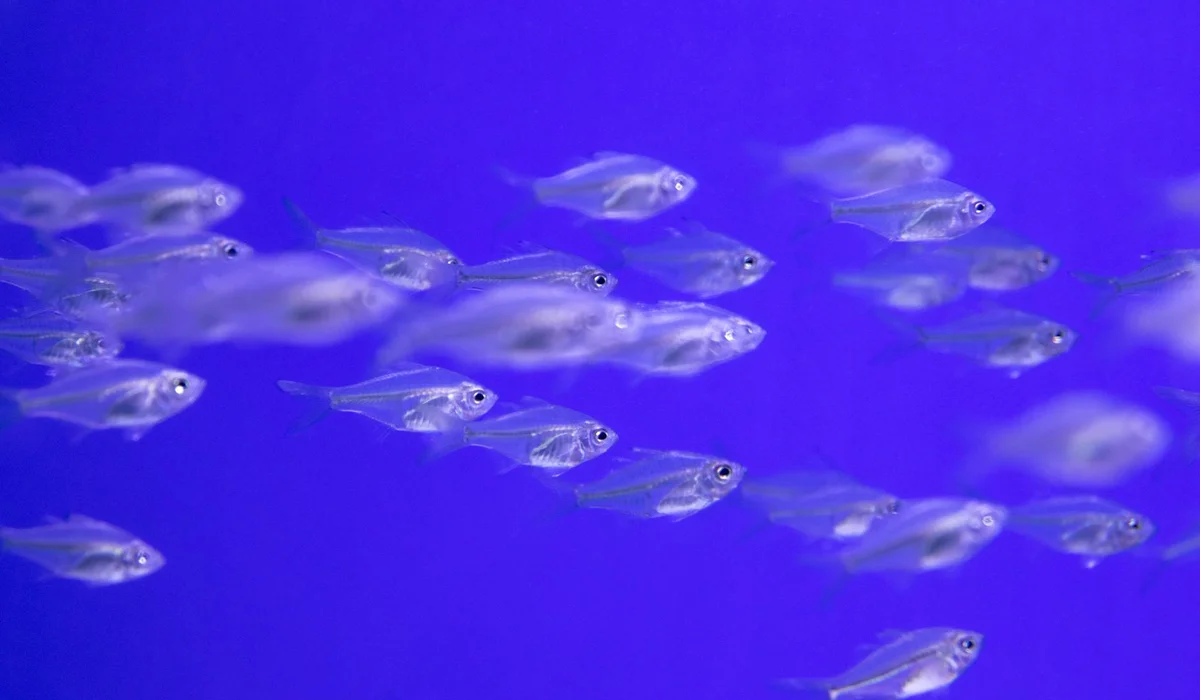
Choosing your fish is like picking roommates; you want personalities and needs that mesh well to avoid constant squabbles. Start by researching adult sizes, temperament, and water parameter needs before you ever visit the store. I learned this the hard way when my feisty Crowntail Betta, Captain Fin, claimed the entire tank as his own, making it clear not all fish play nice together. It’s crucial to choose the right tank mates to minimize stress and aggression.
Always consider the final adult size of a fish, not just its cute juvenile form. A common mistake is buying a small fish that will outgrow your tank, leading to stress and health issues. For example, Goldie, my Oranda Goldfish, started small but needed a much larger home as she grew, requiring a tank of at least 20 gallons for one alone. If you’re planning ahead, a 40-gallon tank size guide often serves as a practical next step for many aquarists, striking a balance between space and maintenance. Our 40-gallon fish tank size capacity guide breaks down stocking limits, compatibility, and filtration considerations to keep you on the right track.
- Match water temperature: Tropical fish like tetras need 75-80°F, while goldfish prefer 68-74°F.
- Check pH compatibility: Many community fish thrive in neutral pH (6.5-7.5), but always verify species-specific ranges.
- Observe behavior in the store: Look for active, alert fish without torn fins or spots, as this indicates good health.
When adding fish, float the bag in your tank for 15-20 minutes to equalize temperature, then slowly mix small amounts of tank water into the bag over an hour. This gradual acclimation prevents shock from sudden changes in water chemistry, giving your new pets the best start. I always dim the lights during this process to reduce stress, mimicking a calm environment.
Building a Peaceful Community Tank
A harmonious community tank balances fish from different water levels to minimize competition. Think of it as a layered ecosystem with top, middle, and bottom dwellers each having their own space. In my tank, Shadow the Corydoras cleans the substrate while mid-level swimmers like tetras occupy the center, creating a dynamic yet peaceful scene.
Avoid mixing fin-nippers with long-finned species, as this can lead to constant harassment. Stick with known peaceful species like neon tetras, platies, and corydoras catfish for a low-drama setup. I’ve found that adding plenty of live plants and hiding spots, such as caves or driftwood, gives shy fish like Shadow a safe retreat, reducing aggression.
- Start with the most peaceful species first, adding more assertive fish later to establish a calm hierarchy.
- Maintain a balanced male-to-female ratio for species that breed easily, like guppies, to prevent overpopulation and stress.
- Feed a varied diet to ensure all fish get nutrients, using sinking pellets for bottom feeders and flakes for top swimmers.
Monitor interactions closely for the first few days, watching for chasing or hiding. If you see consistent bullying, be ready to rehome a fish to keep the peace-it’s better than dealing with injured pets. The gentle hum of the filter and the shimmer of scales in a well-balanced tank is a reward for careful planning.
Setting Up a Quarantine Tank
A quarantine tank is your best defense against introducing diseases to your main aquarium. I treat it like an insurance policy, using a simple 5-10 gallon tank with a basic sponge filter and heater. This separate space lets you observe new or sick fish without risking your established community’s health. When you add new fish, start with a quarantine tank to observe and acclimate them before introducing them to the main tank. This keeps your main aquarium safe and makes introductions smoother.
You don’t need fancy equipment; a spare tank or even a large food-safe container can work. Cycle the quarantine tank just like your main one, ensuring beneficial bacteria are present to handle waste. I keep a small power filter running in my main tank so it’s ready to go when needed, seeding it with good bacteria instantly. This process is crucial to properly set up a quarantine tank filter system.
- Use a heater set to the same temperature as your main tank, typically 74-78°F for most tropical fish.
- Include a hiding place like a PVC pipe or plastic plant to reduce stress for quarantined fish.
- Perform partial water changes weekly, testing ammonia and nitrite levels to keep water pristine.
Quarantine new fish for at least two weeks, watching for signs of illness like lethargy or white spots. This observation period allows you to treat any issues early, preventing a full-blown outbreak in your display tank. I’ve saved entire communities by catching a case of ich in quarantine, sparing my main tank from medication and stress. During quarantine, actively look for signs of disease in every new arrival—changes in appetite, swimming, or gill movement. Early detection helps prevent spread to the main tank.
Long-Term Aquarium Maintenance
Keeping your aquarium thriving over months and years relies on simple, consistent habits that protect your fish and plants. From my own tanks, I’ve seen that a steady routine prevents stress and keeps the water crystal clear, letting fish like Captain Fin and Goldie show off their vibrant colors. Think of it like tending a garden-regular care means fewer surprises and healthier life.
Performing Safe Water Changes
Water changes are the heartbeat of aquarium health, removing waste and replenishing minerals without shocking your fish. I always match the new water’s temperature to the tank within one degree to avoid stressing sensitive species like Shadow, who darts for cover at any sudden change. Here’s how I do it safely every week.
- Use a gravel vacuum to siphon out 15-25% of the water, which also cleans debris from the substrate.
- Treat tap water with a dechlorinator before adding it-I let it sit for a minute to neutralize chemicals.
- Pour the fresh water in slowly over a plate or your hand to avoid disturbing the tank’s layout and fish.
For smaller tanks under 10 gallons, I stick to 20% changes weekly, while larger setups can go 10-15%. The shimmer of scales under renewed water is a reward for this simple task, and it keeps toxins like ammonia at bay. If you notice fish acting skittish, check that the pH and hardness of the new water are close to the tank’s levels-aim for a pH of 6.5-7.5 for most community fish.
Controlling Algae Outbreaks
Algae happens to every aquarist, but it’s a fixable issue tied to light and nutrients. In my experience, reducing daily light to 6-8 hours and wiping glass with a clean cloth cuts down green films without harsh chemicals. Start by identifying the type; green spot algae often means low phosphates, while hair algae signals overfeeding.
- Adjust lighting: Use a timer for consistency and avoid direct sunlight, which fuels algae blooms.
- Feed sparingly: Uneaten food decays, so give only what fish eat in two minutes-Goldie’s foraging helps here!
- Add live plants: They outcompete algae for nutrients; I love Java fern for its low needs.
For stubborn cases, introduce algae-eaters like nerite snails or amano shrimp, but research compatibility first. Remember, a little algae is normal and can even provide snacks for bottom dwellers like Shadow, so don’t aim for perfection. Testing nitrate levels weekly helps you spot imbalances early; keep them below 20 ppm for a balanced ecosystem.
FAQs
What safety precautions should I take during setup?
Always place your aquarium on a level, sturdy stand designed to hold its weight to prevent tipping or cracking. Use drip loops for all electrical cords to keep them away from water and avoid potential shocks. Wear gloves when handling glass or sharp decorations to protect against cuts, and have a towel handy to quickly clean up any spills that could cause slips.
How should I set up a sump or canister filter?
For a canister filter, assemble the media trays with mechanical filter pads, chemical media like activated carbon, and biological media such as ceramic rings to support beneficial bacteria. Connect the intake and output hoses securely, ensuring they are fully submerged and free of kinks, then prime the filter by filling it with water before plugging it in to prevent dry running. Regularly check for leaks during the first few hours of operation, and clean the media monthly in old tank water to maintain efficiency without harming the bacterial colony.
What materials are recommended for a DIY aquarium project?
Use tempered glass for the panels, as it is stronger and safer than regular glass, and seal the edges with 100% silicone labeled as aquarium-safe to ensure it is non-toxic and waterproof. Avoid materials like treated wood, metals, or certain plastics that can leach harmful substances into the water, and always test the silicone cure time fully before adding water to prevent leaks. For structural support, opt for a solid base and frame made from materials like acrylic or reinforced glass to handle the water pressure over time.
How can I prevent algae outbreaks and control them?
Limit your tank’s light exposure to 6-8 hours per day using a timer and avoid placing it in direct sunlight to reduce algae growth triggers. Perform regular water changes and test nitrate levels, keeping them below 20 ppm by not overfeeding and removing uneaten food promptly. Introduce algae-eating species like nerite snails or amano shrimp if compatible with your fish, and use a magnetic algae scraper for glass surfaces to manage outbreaks without chemicals.
Your Aquatic Journey Begins Now
Your success hinges on patiently cycling your new tank before adding fish and consistently testing your water parameters. This foundational care builds a stable, healthy world where your fish can truly thrive.
Remember that you are responsible for a living ecosystem, so always prioritize the well-being of your aquatic pets. The most rewarding part of this hobby is the journey of continuous learning and the vibrant life you get to nurture.
Further Reading & Sources
- r/Aquariums on Reddit: The Ultimate Beginner’s Guide to Your First Aquarium
- New Fish Checklist: How to Set Up a Fish Tank for Beginners – Aquarium Co-Op
- Beginner’s guide to setting up your first aquarium
- How to Set Up a Low Tech Planted Aquarium for Beginners – Aquarium Co-Op
- 1.1. Aquarium Beginner Guide
Lia is an expert in aquarium and pet fish care. Having worked in the marine industry and having cared for multiple pet fish, she has acquired first hand expertise on aquarium care, maintenance and setup. She always brings her practical expertise and science to help solve any aquarium related queries.
DIY Projects