
Fish Behavior Unmasked: Spot the Difference Between Play, Aggression, and Romance
Hello fellow aquarium enthusiasts! Have you ever watched your fish zoom around the tank and wondered if it’s a game, a battle, or a love story unfolding? That moment of curiosity is something every fish keeper experiences, and I’m here to turn your confusion into clarity.
This guide breaks down the mystery so you can respond confidently to your fish’s actions. We will explore:
- How to identify genuine playfulness versus simple exploration
- The clear visual cues that signal aggression and territorial fights
- Recognizing the unique dances and rituals of mating behavior
- Species-specific examples from bettas to corydoras
- Immediate steps to take if interactions turn harmful
With years of hands-on experience running high-tech planted tanks and successfully breeding a variety of fish, I’ve learned to read their underwater language firsthand.
Decoding the Basics of Fish Behavior
-
In your aquarium, fish behavior is how your aquatic pets communicate, explore their world, and respond to each other and their environment. Monitoring how they act before and after a water change helps you understand what’s normal. Small, temporary changes like increased hiding or faster swimming after a change are usually normal, but persistent agitation or lethargy may signal a problem.
Think of it as their way of telling you how they feel without making a sound.
-
The main behaviors you will notice fall into three clear categories.
- Play: Lighthearted activities that show curiosity and intelligence.
- Fighting: Aggressive actions that stem from stress, territory, or incompatibility.
- Mating: Rituals and dances that are part of the breeding process.
Recognizing these categories helps you respond appropriately to keep your tank peaceful.
-
Observation is your most powerful tool for maintaining fish health.
By watching for just five minutes daily, you can spot subtle changes that signal water quality issues or illness long before they become emergencies.
Spotting Playful Fish Behavior
-
Playful fish often engage in gentle chasing, interact with tank objects like bubbles or plants, or repeatedly swim through decorations. In a community tank, it’s useful to distinguish aggression from play. Understanding aggressive vs peaceful fish personalities can help you choose compatible tank mates and maintain harmony.
You might see a fish nudge a pebble across the substrate just for fun, with no intent to eat or claim it.
-
Differentiating play from aggression is straightforward if you follow these steps.
- Watch their fins: Playful fish keep fins relaxed, while aggressive fish flare them out stiffly.
- Check for injuries: Play rarely causes harm, but fighting often results in nipped fins or scales.
- Note the duration: Play is brief and sporadic, but aggression is persistent and intense.
- Observe body color: Fish usually keep normal colors during play, but may darken or pale during a fight.
This step-by-step check helps you avoid misreading a fun chase as a dangerous conflict.
-
Many popular aquarium fish display playful antics.
- Bettas, like my Captain Fin, may follow your finger or playfully flare at their own reflection.
- Goldfish, such as Goldie, often push small ornaments or gravel with their mouths while foraging.
- Corydoras catfish, like Shadow, enjoy darting in and out of plant thickets or hiding spots.
Seeing your fish play is a joyful sign that they are healthy and content in their home.
Recognizing Fighting and Aggression
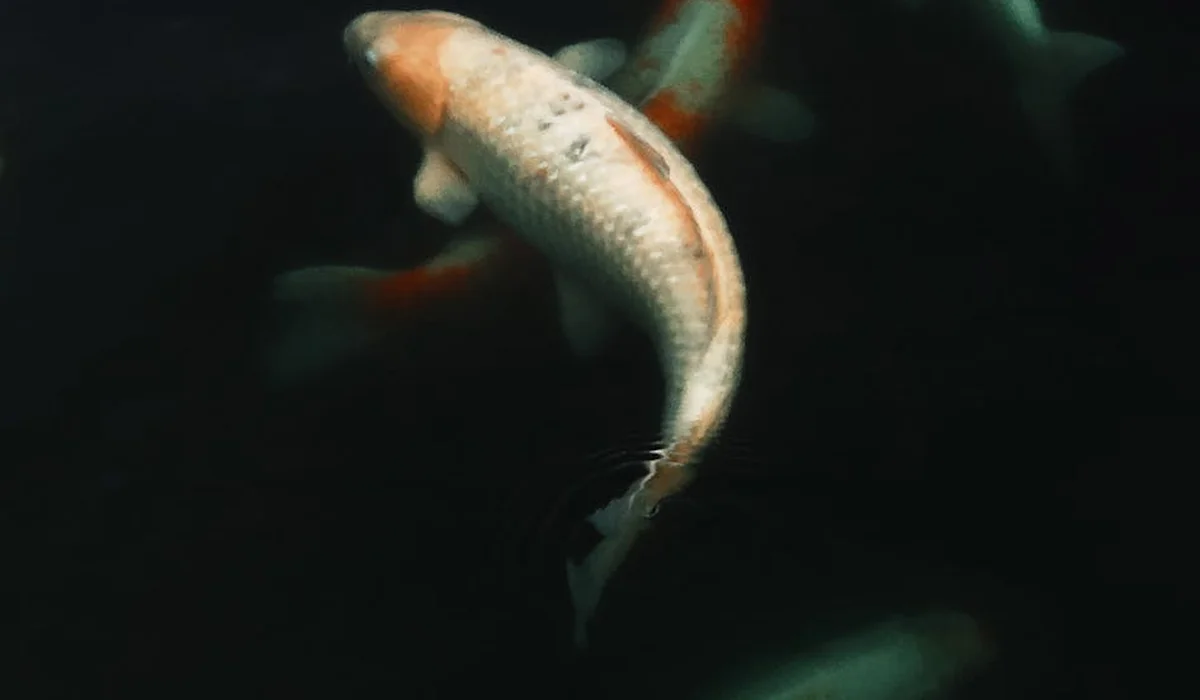
When fish start to argue, their body language speaks volumes. Watch for fin flaring, where a fish spreads its fins wide to appear larger and more intimidating-this is a classic sign of aggression, especially in species like bettas. You might notice nipping, where one fish bites at another’s fins or body, or relentless chasing that leaves the pursued fish stressed and hiding.
- Fin flare: Often seen in territorial fish like Captain Fin, my crowntail betta, who puffs up when he feels his space is invaded.
- Nipping: This can damage fins and lead to infections if not addressed quickly.
- Chasing: If one fish is constantly harassing another, it’s a red flag for bullying.
Territoriality drives much of this behavior, as fish like cichlids or goldfish stake out their favorite spots. In community tanks, a social hierarchy forms, with dominant fish controlling access to food and shelter, which can stress shy bottom dwellers like Shadow, my corydoras. This pecking order is natural, but it shouldn’t lead to injury. That top-bottom split is common in tanks, with some fish patrolling the upper zones while bottom-dwellers stay low for safety. If Shadow stays at the bottom, it may be avoiding aggression or seeking cover rather than being comfortable there.
To identify and reduce aggression, start by observing your tank daily for these cues. If you see signs of fighting, rearrange decorations and plants to disrupt established territories, giving everyone a fresh start. Add more hiding places with rocks or driftwood, and ensure your tank isn’t overcrowded—this spreads out aggression. These strategies are especially useful when you have a single aggressive fish in a community tank; they help contain the bully and protect calmer residents. Regular monitoring helps catch escalation early. For persistent issues, consider separating the aggressive fish temporarily or rehoming them to restore peace.
Identifying Mating and Courtship Rituals
Mating behavior in fish is often a beautiful dance of color and movement. Courtship displays include vibrant color changes, where fish like goldfish intensify their hues to attract mates, and mounting or nudging as part of the pairing process. You might see males chasing females in a playful, non-aggressive way, or they might perform “dances” by swimming in circles or shimmying.
- Color changes: Goldie, my oranda, glows brighter orange when she’s ready to spawn.
- Mounting: This is common in livebearers like guppies, where the male positions himself above the female.
- Spawning behaviors: Look for egg-laying in plants or on surfaces, and bubble nest building in bettas.
Spawning is triggered by environmental cues like warmer water temperatures (around 78-82°F for many tropical species), stable pH levels, and clean water. Fish may become more active and focused on specific areas, such as preparing a nesting site or guarding eggs once laid. For egg-layers, you might notice a sudden interest in fine-leaved plants or smooth stones.
To support mating if it occurs, maintain optimal water quality with regular testing and partial water changes. Provide plenty of dense plants or spawning mops for egg deposition, and consider a separate breeding tank to protect fry from being eaten. Adjust lighting to mimic natural day-night cycles, and offer high-protein foods to condition the fish for breeding. If eggs appear, reduce water flow to prevent them from being disturbed, and monitor for fungal growth-gently removing any affected eggs can help the rest thrive.
Interpreting Fish Body Language and Signals
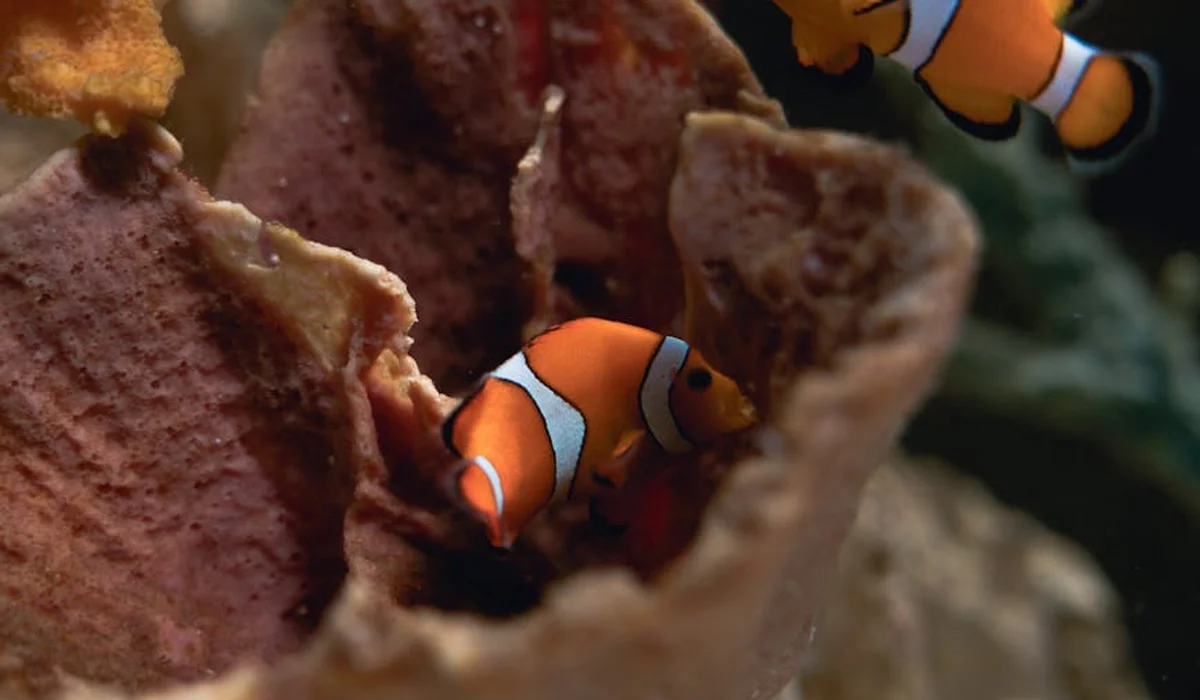
Watching your fish is like learning a silent language-their colors, fins, and movements tell you everything. I’ve spent years decoding these signals with my own fish, like Captain Fin, whose iridescent blue and red hues deepen when he’s feeling feisty or ready to mate. Start by noticing subtle shifts; it’s your first clue to their mood.
How to Read Color Changes, Fin Positions, and Movement
Color changes aren’t just for show-they’re emotional barometers. When my Betta, Captain Fin, darkens his colors, it often means he’s asserting dominance or reacting to stress, while a pale tint can signal illness. Goldfish like Goldie might brighten when happy but fade if water quality dips.
- Fin positions speak volumes: Clamped fins tight to the body mean stress, as I’ve seen with Shadow, my Corydoras, when he’s scared. Flared fins in Bettas indicate aggression or courtship.
- Movement patterns reveal intent: Erratic, darting swimming often points to fear, while slow, deliberate gliding is usually play or exploration. Chasing can be mating or fighting-observe if it’s persistent or brief.
Common Stress Signals and What They Mean
Stress in fish is like a silent alarm—ignore it, and health issues follow. Rapid gill movement or gasping at the surface screams poor water quality or low oxygen, something I check immediately in my tanks. So, what are the most common signs that stress is at play in an aquarium? Recognizing these signals early helps you distinguish stress from disease and act quickly. Here’s a quick list of red flags:
- Hiding constantly, like Shadow does when overwhelmed-it means they need more cover.
- Loss of appetite; Goldie skipping meals was my wake-up call to test ammonia levels.
- Flicking against decor, which signals parasites or irritation.
Step-by-Step Guide for Daily Observation
Set aside five minutes each day to watch your fish-it’s a game-changer for early problem detection. I do this every morning with my crew, noting any changes in behavior before feeding time. Follow these steps to stay ahead of issues:
- Check water clarity and filter hum first; cloudy water often precedes stress.
- Observe each fish individually: Look for color shifts, fin positions, and swimming style.
- Note social interactions: Are they chasing, schooling, or avoiding each other?
- Record anything unusual in a journal; I’ve caught diseases early this way.
Creating a Calm Aquarium Environment
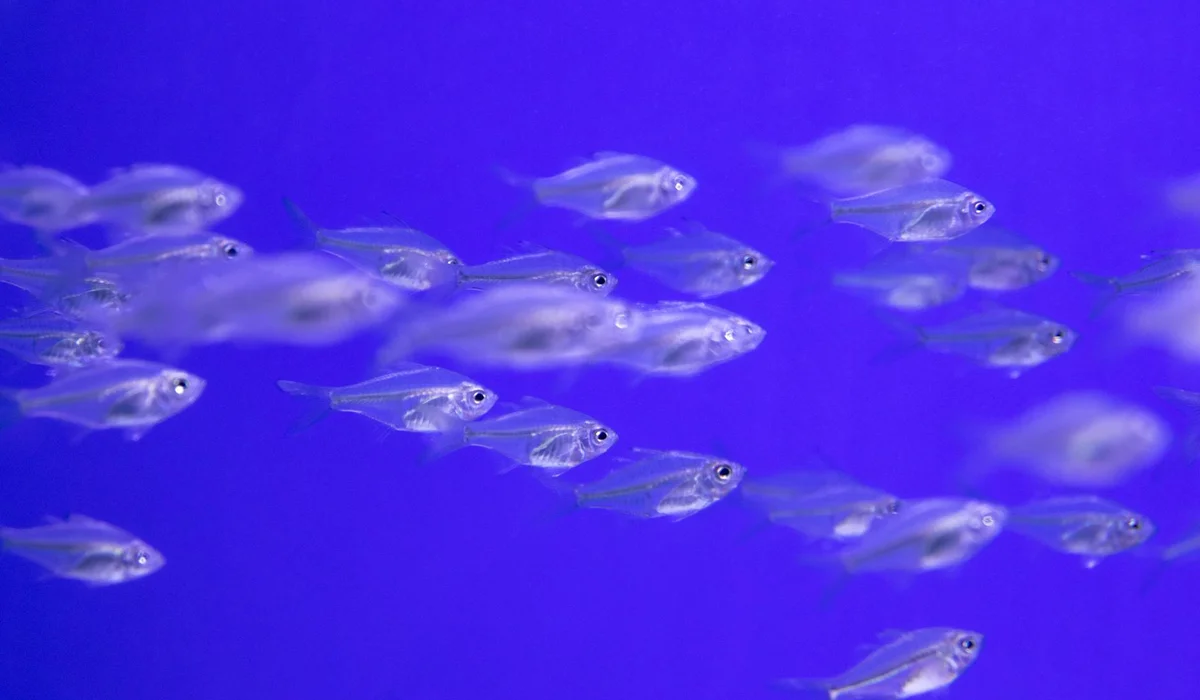
A peaceful tank starts with smart setup choices that mimic nature. From my experience, a well-planned environment reduces aggression and stress, letting fish like Goldie forage happily without constant hiding. Choosing the right tank mates is essential to reduce fish stress and aggression. Focus on balance—water quality, decor, and fish pairings all play a role.
Tips on Tank Setup to Minimize Stress and Aggression
Size matters more than you think; overcrowding fuels fights. For Bettas like Captain Fin, I use a 5-gallon minimum with plenty of plants to break sight lines and curb territorial behavior. Include these elements for harmony:
- Use live plants like Java Fern or Anubias-they absorb nitrates and provide hiding spots, reducing the shimmer of stress in your fish.
- Ensure gentle water flow; strong currents stress bottom dwellers like Shadow.
- Maintain consistent lighting cycles; sudden changes startle fish and disrupt routines.
List Compatible Fish Pairings and Hiding Spots
Mixing the wrong fish is a recipe for chaos. I always research temperament and water needs-for example, Corydoras like Shadow thrive with small Tetras or Guppies in a community tank. Avoid pairing aggressive species with shy ones; here are some safe bets:
- Betta sororities (female-only) in heavily planted 10-gallon tanks.
- Goldfish with other cold-water species like White Cloud Minnows, but keep tanks spacious-20 gallons for the first Goldfish.
- Corydoras with peaceful mid-water swimmers; they’ll clean the bottom without conflict.
Hiding spots are non-negotiable. Add caves, driftwood, or dense plants to give every fish a retreat, which I’ve seen cut down chasing in my aquariums by half. These hiding places also help your fish stake out territories, giving each a defined retreat. With clearly defined spaces, aggression tends to drop.
Steps to Adjust Water Quality and Decor for Harmony
Water parameters are the foundation of a calm tank. Test weekly for pH, ammonia, and nitrites—I aim for a pH of 6.5-7.5 for most community fish, and zero ammonia to prevent stress-induced diseases. In this step-by-step guide, you’ll learn how to test your aquarium water accurately and interpret the results. We’ll walk you through each test and adjustment so your tank stays balanced. Follow these steps to fine-tune your setup:
- Perform partial water changes of 20-30% weekly; use a gravel vacuum to remove waste without disturbing decor.
- Adjust decor gradually: Sudden moves stress fish, so I shift one item at a time and monitor for days.
- Add floating plants like Frogbit to diffuse light and lower nitrate levels, creating a soothing overhead canopy.
FAQs
How can I tell if my fish is playing or fighting?
Playful behavior involves relaxed fins, brief and sporadic chasing, and no signs of injury. In contrast, fighting includes stiff fin flaring, persistent chasing, and often results in nipped fins or scales. Observing body language over a few minutes can help you distinguish between the two.
What are common signs of stress in aquarium fish?
Stress signals include clamped fins tight to the body, rapid gill movement, and constant hiding or loss of appetite. These behaviors often point to issues like poor water quality, overcrowding, or inadequate hiding spots. Addressing these factors promptly can restore your fish’s well-being. Healthy signs include steady swimming, regular appetite, and bright coloration. Distinguishing healthy signs from these stress signals helps you keep fish thriving.
How can I encourage natural behaviors like playing or mating?
Provide a stimulating environment with plenty of plants, decorations, and hiding spots to mimic their natural habitat. Maintain stable water parameters, such as temperature and pH, and offer a varied diet to support health and trigger instincts. Regular observation helps you adjust conditions to foster these behaviors.
What should I do if I notice aggressive behavior in my tank?
Immediately rearrange tank decor to disrupt established territories and reduce tension. Add more hiding places using rocks or driftwood, and check that the tank isn’t overcrowded to minimize conflicts. If aggression persists, consider temporarily separating the aggressive fish or rehoming them for a peaceful community. These steps reflect the principles of the ultimate guide to aquarium territorial behavior. Understanding territorial dynamics helps prevent conflicts and maintain a peaceful tank.
Becoming a Confident Fish Behavior Detective
Focus on observing body language like fin flaring and chase patterns to tell playing, fighting, and mating apart. Providing a stable, spacious environment with excellent water quality is your best tool for preventing stress and correctly interpreting your fish’s actions.
Your role as a fish keeper is a rewarding journey of ongoing education and attentive care. Stay curious, keep learning about your aquatic pets, and you’ll build a thriving, harmonious tank that reflects your dedication.
Further Reading & Sources
- Love in the ocean – Great Barrier Reef Foundation
- Fish Love | No Ads | Play At Friv® 🕹️
- Aquarium Fish Aggression: Causes and Solutions
- How do you tell if your fish are playing or being aggresive? | Freshwater Aquarium Discussion Forum
- Fish aggression – Wikipedia
Lia is an expert in aquarium and pet fish care. Having worked in the marine industry and having cared for multiple pet fish, she has acquired first hand expertise on aquarium care, maintenance and setup. She always brings her practical expertise and science to help solve any aquarium related queries.
Fish Species