
Smart Aquascaping: Build Better Hiding Places and Fish Territories
Hello fellow aquarists! Have you noticed your new fish hiding constantly or seen a favorite getting chased around the tank? You’re not alone. Creating proper territories is one of the most overlooked skills for a healthy, peaceful aquarium.
This guide will walk you through the art of crafting an underwater landscape where every fish feels secure. You will learn:
- How to use hardscape like rocks and driftwood to form instant, durable territories.
- The best live plants for dense cover that also boost water quality.
- Creative DIY and store-bought hide ideas that fit any budget.
- Strategies for managing territorial behavior in community tanks.
I’ve perfected these techniques over years of running high-tech planted tanks and breeding sensitive fish.
Why Your Fish Need Hiding Places and Territories
Think of your aquarium not just as a tank of water, but as a complete neighborhood for your fish. Just like you need a quiet room to retreat to, your fish need their own apartments and yards. Without them, life becomes a constant state of low-grade panic. I’ve seen timid fish like Shadow, my Corydoras, completely transform from a reclusive bottom-dweller to an active explorer once he had a secure cave to call home.
Hiding spots are your best defense against fish stress, which is the root of most health problems. A fish that feels exposed is a fish on high alert, releasing stress hormones that weaken its immune system over time. Providing cover is the single most effective way to lower stress and prevent opportunistic diseases from taking hold. This is especially true for community tanks where fish of different temperaments mingle.
Beyond just stress relief, defined territories are crucial for curbing aggression. Many fish, even generally peaceful ones, can become territorial, especially during breeding. A feisty Betta like Captain Fin needs a log or dense plant to claim as his own; this gives him a defined kingdom to patrol, which actually makes him less likely to hassle tank mates. Clear boundaries established by decor prevent constant squabbles over the entire tank, creating a more harmonious community.
These spaces also directly support natural, instinctive behaviors that are a joy to watch. A pair of Apistogramma cichlids will use a flat stone or a coconut cave as a breeding site, fiercely guarding their eggs. Foraging fish will learn to sift through the substrate in their “zone,” and shoaling fish will use tall plants as a meeting point. When fish can act out their natural roles, your aquarium becomes a more vibrant and dynamic ecosystem.
Key Benefits of Hiding Places and Territories
- Dramatic Stress Reduction: Lowers cortisol levels, leading to healthier, more colorful fish.
- Established Safe Zones: Gives shy or bullied fish an escape route, preventing exhaustion and injury.
- Managed Colony Dynamics: Allows for a clear pecking order without constant fighting.
- Encourages Natural Breeding: Provides the security many species need to spawn and raise fry.
- Stimulates Natural Behaviors: Promotes foraging, exploring, and resting in designated areas.
Planning Your Aquarium Layout for Effective Territories
Before you buy a single decoration, you need a game plan. Throwing rocks and wood in randomly can create dead spots and conflict zones. I always start by considering two things: the physical dimensions of the tank and the social needs of its inhabitants. A 10-gallon tank with a solitary Betta has vastly different territory needs than a 55-gallon cichlid community.
You must research each species’ preferred water column level. Bottom-dwellers like Corydoras need open floor space with scattered caves, while mid-water tetras appreciate dense plant thickets, and surface-dwellers like floating plants or overhanging wood. Planning your layout vertically, from substrate to surface, ensures every fish has a place to thrive without overcrowding a single level.
Mapping out territories is like drawing a neighborhood map. For larger or semi-aggressive fish, a good rule of thumb is to create one distinct territory for every 12-18 inches of horizontal tank space. Use hardscape—rocks, driftwood, and tall plants—to build visual barriers that break the line of sight across the tank. This stops a dominant fish from seeing the entire length of the aquarium as its domain. In the ultimate guide to aquarium territorial behavior, these zoning strategies form the core toolkit for predicting and managing aggression. By planning micro-territories and visual breaks, you can foster stable social dynamics and minimize stress for all fish.
Steps for Mapping Your Tank’s Territories
- List Your Fish: Write down every species and how many of each you have. Note their adult size and temperament.
- Identify Zones: Divide your tank into rough sections: left, center, right, foreground, and background.
- Assign Real Estate: Place the territory for your most assertive fish first, in a prime location. Then, find suitable spots for shyer species, ensuring they have multiple hiding spots.
- Create Escape Routes: Make sure no area is a dead end. There should always be a clear path for a chased fish to flee to safety.
- Do a Sightline Check: Get down to fish-level and look across the tank. If you can see from one end to the other, you need more visual barriers.
The most effective way to define a space is by breaking the line of sight. A dense thicket of Java Fern or a cluster of Amazon Swords can create a “wall” that gives fish a sense of privacy. Similarly, a large piece of driftwood or a stack of slate can physically separate one area from another. Using hardscape and plants to create distinct rooms within your aquarium is the secret to a peaceful, multi-species community. Don’t be afraid to get a little messy; a perfectly manicured lawn is less useful to fish than a jungle with clear pathways and private nooks.
Choosing Materials for Natural and Safe Hiding Places
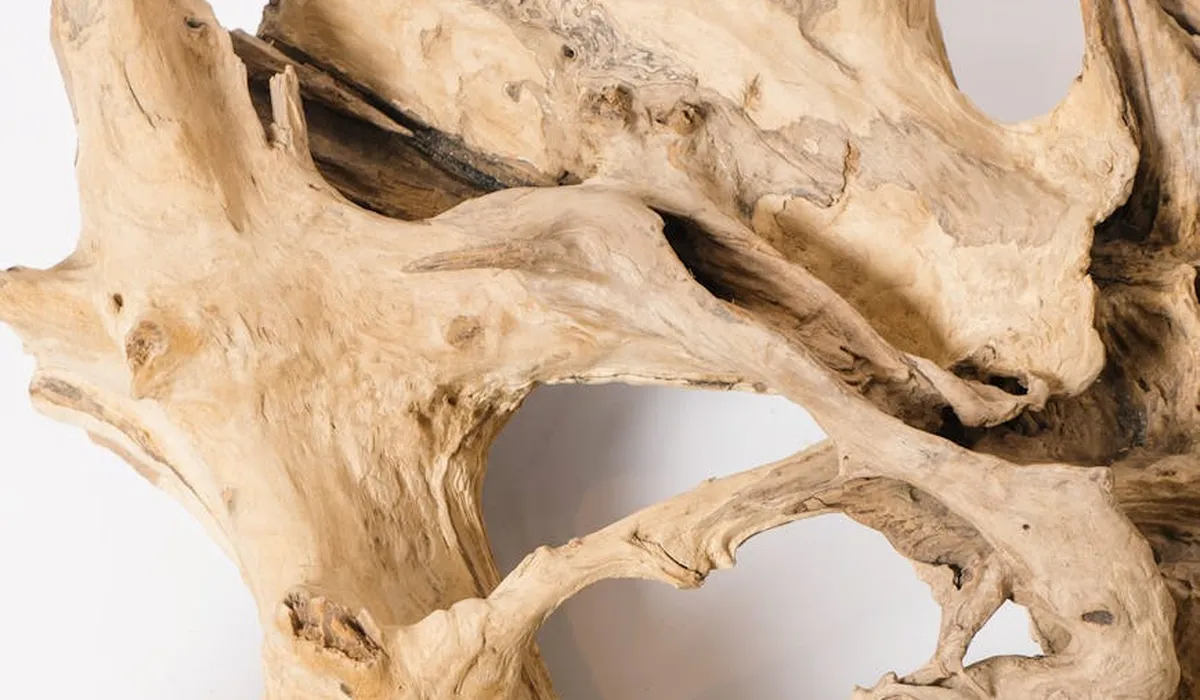
Selecting the right materials for hideouts can make your fish feel secure and enhance your tank’s beauty. I always prioritize non-toxic, inert items that won’t leach harmful chemicals into the water, especially for sensitive species like bettas or corydoras. Also, ensure any decor is aquarium-safe. Look for inert, non-toxic materials that won’t alter water chemistry.
- Rocks: Slate, lava rock, and smooth river stones work well for stacking into caves.
- Driftwood: Mopani or spider wood adds texture and can slowly release tannins that mimic natural habitats.
- Caves: Commercial resin caves or simple clay pots provide enclosed spaces for shy fish.
- Plants: Live plants like Java fern or Anubias, or soft artificial plants, offer cover and improve water quality.
Each material has its own benefits and drawbacks in terms of durability and safety. For instance, rocks are long-lasting but must be checked for sharp edges that could tear delicate fins, as I learned with Captain Fin’s flowing tail.
| Material | Pros | Cons |
|---|---|---|
| Rocks | Extremely durable, stable, and natural-looking | Heavy weight can stress tank seams; may alter pH if calcareous |
| Driftwood | Adds tannins that benefit some fish; visually appealing | Can decay over 1-2 years; requires boiling to prevent fungal growth |
| Caves | Ready-to-use and easy to reposition for cleaning | Plastic types may harbor bacteria if not porous; smooth surfaces lack biofilm for grazing |
| Plants | Live plants oxygenate water and reduce nitrates; artificial ones need no light | Live plants demand specific lighting and nutrients; cheap artificial plants can have sharp plastic edges |
You don’t need to break the bank to create cozy spots. DIY hideouts from household items can be just as effective, like using PVC pipes for tunnels that Shadow darts into when startled.
- Clean, food-safe PVC pipes cut into short sections make excellent tunnels for small fish.
- Upside-down terracotta pots with a notch filed into the rim create instant caves.
- Rinsed plastic containers with holes melted or cut out can be stacked for multi-level hideaways.
Step-by-Step Guide to Building Fish Hideouts
-
Start with a clean substrate and base layout. I always vacuum the gravel thoroughly to remove debris, which prevents cloudiness and gives a fresh canvas for arranging hideouts.
-
Add larger structures like rocks or driftwood as anchor points. Position these first to establish territories, ensuring they’re stable by testing for wobbles-this avoids accidents during fish activity.
-
Incorporate plants and smaller decor to fill gaps and create crevices. Tuck live plants like Java moss between rocks to form dense thickets where Goldie can forage safely.
-
Test stability and ensure no sharp edges that could harm fish. Run your hand over all surfaces; if it feels rough to you, it could injure your fish’s scales or fins.
-
Adjust based on fish behavior and tank maintenance needs. This is part of a step-by-step setup guide for your first aquarium. Follow along to balance your tank layout with your fish’s needs. Observe how your fish interact with the setup over a few days, and be ready to shift items if they seem stressed or if cleaning becomes tricky.
Tailoring Hideouts to Common Fish Species
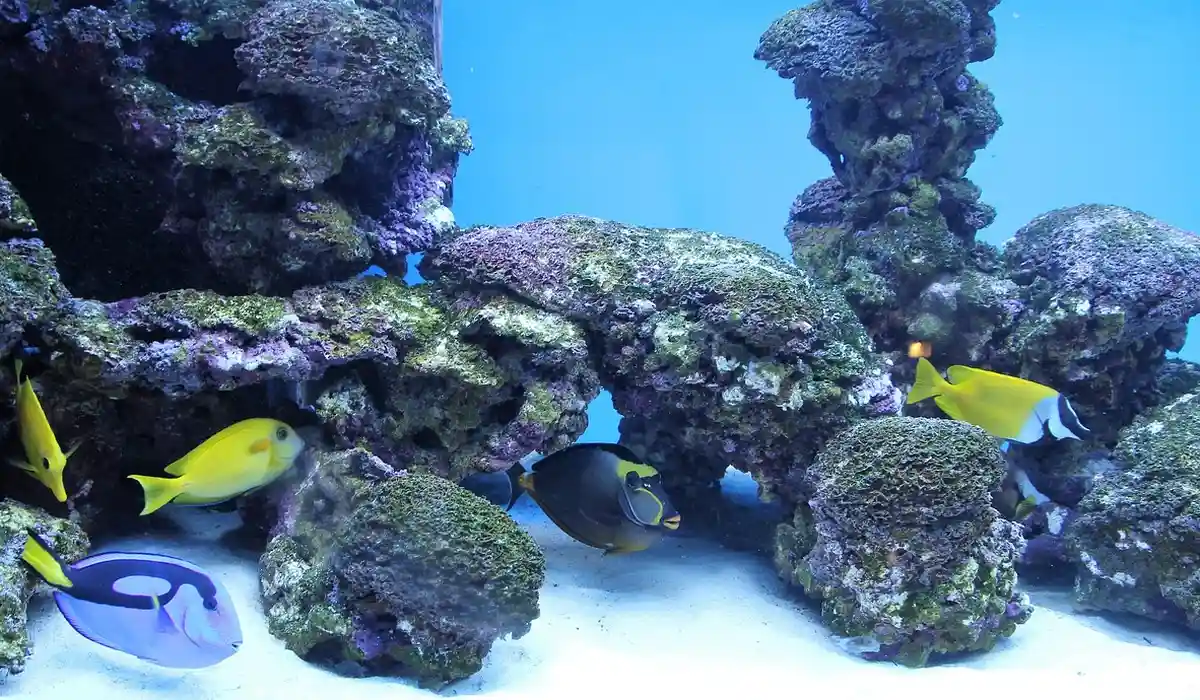
Bettas and Labyrinth Fish
My feisty betta, Captain Fin, taught me that labyrinth fish like calm, easy-to-reach spots. They need to breathe air from the surface, so tall, deep caves are a poor choice.
- Focus on low, shallow hiding places and leaf hammocks. Broad-leaved plants like Anubias or a suction-cup leaf hammock near the surface provide perfect, accessible rest stops.
- Emphasize calm areas away from strong water flow. Position their hides away from filter outflows, as their long, delicate fins are easily buffeted and torn by currents.
Creating a quiet corner with a smooth rock overhang and a floating betta log can dramatically reduce stress and encourage natural resting behavior.
Bottom Dwellers like Corydoras and Plecos
My shy corydoras, Shadow, spends his days tucked under driftwood. Bottom-dwelling fish feel secure with weight above them and tight spaces around them.
- Recommend caves and crevices near the substrate. Use small terracotta pots on their sides, purpose-built ceramic caves, or stacks of smooth slate to create a network of tunnels on the tank floor.
- Suggest using smooth rocks and driftwood for grazing. Driftwood is not just a hide; it’s a food source for many plecos, and the biofilm that grows on it provides vital nutrition.
A cluster of smooth river rocks with gaps just wide enough for a corydoras to squeeze into will make your bottom crew feel right at home and encourage natural foraging.
Goldfish and Active Swimmers
Watching my Oranda, Goldie, barrel through the tank showed me that active swimmers need a different approach. They need room to move but still appreciate visual breaks.
- Advise on open spaces with occasional shelters to prevent boredom. A single, large piece of driftwood or a robust rock formation in the center gives them a landmark to swim around without cluttering their swimming lanes.
- Note the importance of sturdy decor that won’t be knocked over. Goldfish are powerful and clumsy. Any decoration must be heavy and stable, with no sharp edges they could injure themselves on.
Anchoring a large piece of Malaysian driftwood directly to the tank’s bottom glass ensures your goldfish can’t redecorate and potentially trap themselves or damage the tank.
Avoiding Common Mistakes in Territory Setup
I’ve made many of these errors myself, so learn from my mishaps to create a safer, healthier environment for your fish.
- List pitfalls like overcrowding decor or using hazardous materials. Too many ornaments can trap waste and block swimming paths. Always avoid painted decorations, which can leach toxins, and sharp lava rock that can tear fins and barbels.
- Explain how to avoid blocking filters or creating dead zones. Never place a large decoration directly in front of an intake or output. This starves the filter of water flow and creates stagnant pockets where harmful bacteria can thrive.
- Include tips on balancing light and reflection for fish comfort. A overly bright, reflective tank bottom can stress fish. Using a dark substrate or placing decor to break up intense light reflections helps create a more calming, natural feel.
Before filling your tank, do a “dry run” with your decor layout to ensure you have clear flow paths and no hazardous tight spots where a fish could get stuck. Think of this as the first step in setting up your fish tank after a move. When the layout looks good, proceed with filling, cycling, and stocking in a clear, step-by-step sequence.
Monitoring and Adjusting Your Aquascape Over Time

Creating the perfect layout isn’t a one-time event. Your tank is a living world, and its needs will change. Watching your fish’s daily behavior is the single best way to know if your hardscape and plant choices are working for them. You’ll quickly learn to read their body language.
Signs Your Fish Are Using Their Hideouts
Look for these positive signals that your fish feel secure.
- A betta that casually rests on a broad leaf or peeks out from a cave entrance is a content betta.
- Schooling fish like tetras that spread out and explore the entire tank, not just huddle in one corner.
- Corydoras catfish actively sifting through the substrate near their favorite piece of driftwood.
- Fish that do not immediately dart for cover when you approach the tank.
You should also watch for clear distress signals. If a fish is constantly hiding, pressed against the glass in a corner, or has clamped fins, it feels exposed and unsafe. This is a sign you need more or better-placed cover.
When to Move or Add New Decor
Your fish will tell you when it’s time for a redecorating session.
- If you see consistent bullying or one fish guarding a single hideout, break the line of sight. Add a tall plant or a new rock formation to create visual barriers.
- When introducing new fish, temporarily add a few extra hiding spots, like terracotta pots or PVC pipes, to ease the transition and reduce territorial disputes.
- If a specific decoration is never used, try rotating it or moving it to a different part of the tank. The current flow or light level might be unappealing there.
I often do a minor rescape every few months. A small change, like shifting a piece of driftwood, can completely reset territorial boundaries and reduce aggression without stressing the entire ecosystem.
Keeping Hiding Places Clean and Safe
Hiding spots can become traps for uneaten food and waste. A regular maintenance routine is vital.
- During weekly water changes, use a gravel vacuum to gently clean the substrate around caves and under driftwood.
- For porous rocks and wood, a quick swish in the bucket of removed tank water will dislodge debris without killing the beneficial bacteria.
- Inspect all decorations for sharp edges that could tear delicate fins, especially on fish like my Crowntail Betta, Captain Fin.
- Trim back overgrown plants to ensure they don’t completely block water flow, which can create dead zones.
Gentle cleaning preserves the biological stability of your tank while ensuring your fish’s sanctuaries remain healthy and inviting. A clean hideout is a safe hideout.
FAQs
How many hiding spots should I provide per fish?
It’s best to have at least one hiding spot for each fish, especially in community tanks with mixed species. For territorial or shy fish, aim for multiple hideouts to prevent competition and reduce stress. Distribute them across different tank levels to accommodate various behaviors and needs. Choosing the right tank mates is essential to reduce stress and aggression in a community tank. Pairing species with compatible temperaments helps maintain calm and harmony.
What are some easy DIY hiding places for an aquarium?
You can make simple hideouts using clean, food-safe PVC pipes cut into short tunnels or sections. Another idea is to use overturned terracotta pots with a notch filed in the rim for entry. Always ensure materials are smooth, non-toxic, and rinsed thoroughly to avoid harming your fish or water quality.
Why do plecos need specific hiding places?
Plecos are nocturnal and prefer dark, enclosed spaces to rest during the day, which helps reduce stress and prevent aggression. They also graze on biofilm that grows on surfaces like driftwood, so incorporating wood into their hides supports their dietary needs. Proper hiding spots encourage natural behaviors and overall health.
Can too many hiding places cause issues in my tank?
Yes, overcrowding decor can block water flow and create dead zones where debris accumulates, leading to poor water quality. It might also limit swimming space and make cleaning difficult. Strive for a balance that provides security without cluttering the aquarium layout.
Crafting Your Aquarium’s Final Touches
Focus on using a mix of decorations, plants, and structures to build secure territories that suit your fish’s natural instincts. A well-planned layout with plenty of cover not only makes your fish feel safe but also promotes healthier, more vibrant behavior in your tank. Choose aquarium-safe decorations and live plants with smooth edges to protect fins. Make sure everything is securely anchored and well rinsed before introduction to the tank.
Your role as a caretaker means always putting your fish’s well-being first through consistent tank maintenance and observation. Embrace the journey of learning more about aquarium cleaning and maintenance to ensure your underwater friends lead long, happy lives in a thriving environment.
Further Reading & Sources
- Why Fish Need Hiding Spots | CeramicNature Aquarium Caves & Decor – BRS Fresh
- How to provide hiding places for your aquarium fish – AllPondSolutions
- Is this a decent scape? Enough hiding places? | Reef2Reef
- r/Aquariums on Reddit: How to make hiding spots for my fish
- Hiding Spots for Aquarium Fish – A Word of Caution
Lia is an expert in aquarium and pet fish care. Having worked in the marine industry and having cared for multiple pet fish, she has acquired first hand expertise on aquarium care, maintenance and setup. She always brings her practical expertise and science to help solve any aquarium related queries.
Aquascaping