
Your Thriving Aquarium Awaits: A Straightforward Guide to Fish Health and Tank Care
Published on: December 25, 2025 | Last Updated: December 25, 2025
Written By: Lia Annick
Hello fellow fish keepers. I see you watching your tank, hoping every fish stays vibrant and healthy, but maybe worrying about mysterious illnesses or murky water. You are not alone in that quiet concern, and a clear, simple path to prevention exists.
This guide will walk you through the core habits that stop problems before they start. We will cover:
mastering your water chemistry,
building a fail-safe tank maintenance routine,
the non-negotiable step of quarantining new fish, and
how to spot the earliest signs of stress in your fish.
I’ve spent years cultivating balanced ecosystems and breeding healthy fish, learning these lessons directly from the aquarium.
Diving into Water Quality and Aquarium Cycling
Think of your aquarium water as the very air your fish breathe. Poor water quality is the root cause of nearly every common fish health problem you’ll encounter. The shimmer of your fish’s scales and their energetic behavior are direct reflections of the water they live in. To keep your aquarium healthy and your fish thriving, improve water quality through regular testing and proper filtration. Small, consistent maintenance makes a big difference.
The Non-Negotiable Nitrogen Cycle
Before any fish calls your tank home, you must establish the nitrogen cycle. This isn’t just a suggestion; it’s the fundamental law of a healthy aquarium. I think of it as cultivating an invisible cleanup crew made of beneficial bacteria. The nitrogen cycle converts waste into safer forms, preventing ammonia spikes. Without it, even a small bioload can spell disaster.
- Beneficial bacteria colonize your filter media and substrate.
- They convert toxic fish waste (ammonia) into nitrite, which is also toxic.
- A second type of bacteria then converts that nitrite into nitrate, which is far less harmful.
- You then remove nitrate through weekly water changes.
Attempting to add fish before this cycle is fully established is the single biggest mistake new aquarists make, often leading to “New Tank Syndrome” and a heartbreaking outcome. This is one of the seven critical mistakes to avoid when cycling a new aquarium.
How to Cycle Your Tank Quickly and Safely
You have two main paths to a cycled tank. The fishless cycle is my strong recommendation for every beginner, as it’s the most humane and controlled method. This is a step-by-step guide to cycling a fish tank properly. We’ll walk you through the essential steps to ensure a safe, fully cycled tank before adding any fish.
- Fishless Cycling: You add a pure ammonia source to the empty tank to feed the bacteria. You’ll need a liquid test kit to monitor the process. The cycle is complete when your tests read 0 ppm ammonia, 0 ppm nitrite, and a rising level of nitrate. This typically takes 4-8 weeks.
- Fish-In Cycling: This is a more challenging and stressful method for both you and the fish. It involves adding a very small number of hardy fish, whose waste produces the ammonia. It requires extremely diligent, daily testing and water changes to keep the fish safe from toxins.
Patience during the cycling phase is your greatest asset and the kindest thing you can do for your future aquatic pets. The hum of the filter during this time is the sound of a new world being built.
Setting Up Your Tank for Success from the Start
A little foresight during setup prevents countless headaches later. Your goal is to create a stable, low-stress environment that mimics a natural ecosystem.
Substrate and Hardscape Foundations
Your tank’s floor is more than just decoration. A depth of 2-3 inches is ideal for most planted tanks, providing root space and surface area for bacteria. Rinse your substrate thoroughly in a bucket until the water runs clear to avoid a cloudy tank. A well-rinsed substrate is the first step toward that crystal-clear water we all strive for.
Filter and Heater Placement
Position your filter output to create a gentle surface ripple, which promotes vital gas exchange. Place the heater near the filter outflow to ensure even heat distribution throughout the tank, preventing cold spots. I always use a separate thermometer on the opposite side of the tank from the heater for an accurate reading. Consistent temperature and water flow are silent guardians of fish health.
Choosing the Right Plants
Live plants are not just beautiful; they are functional allies. They consume nitrate, provide shelter, and can even outcompete algae for resources.
- Beginner-Friendly Plants: Java Fern, Anubias, and Amazon Sword are incredibly hardy. They don’t require high light or injected CO2, making them perfect for a first tank.
- Planting Tip: Do not bury the rhizome (the thick, horizontal stem) of Java Fern or Anubias. Instead, attach them to driftwood or rocks with cotton thread or super glue.
A well-planted tank is a living filter that actively contributes to the stability of your water parameters. It turns basic fish-keeping into true aquascaping.
Creating a Simple and Effective Maintenance Routine
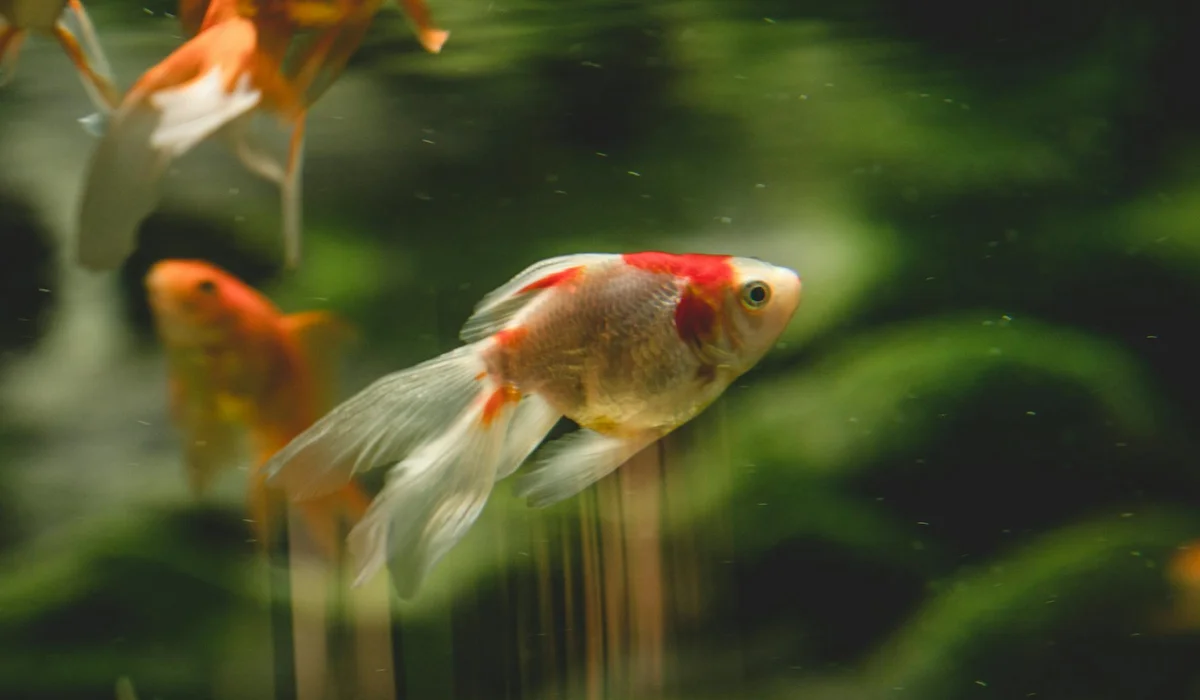
Setting up a regular maintenance schedule is your best defense against fish stress and disease. A consistent routine keeps your water crystal clear and your fish vibrant and active. I base my own weekly tasks on the needs of my crew-Captain Fin’s delicate fins demand pristine water, while Shadow’s scavenging helps, but doesn’t replace, my cleaning duties.
Your Essential Weekly Checklist
Stick to this simple list every seven days to maintain balance. Performing a 25-30% water change is the single most impactful habit for diluting toxins and replenishing minerals. Always use a water conditioner to remove chlorine before adding new water to the tank.
- Test your water parameters for ammonia, nitrite, and nitrate. Aim for 0 ppm ammonia, 0 ppm nitrite, and under 20 ppm nitrate.
- Use a gravel vacuum to siphon waste from the substrate, focusing on areas where food and waste accumulate.
- Trim any dead or overgrown plant leaves to prevent decay and maintain clean aesthetics.
- Wipe the inside glass with an algae scraper or a clean, dedicated cloth to ensure a clear view of your aquatic world.
Smart Filter Care That Protects Your Ecosystem
Your filter is the heart of the tank, housing beneficial bacteria. Never rinse filter media in tap water; instead, swish it gently in a bucket of old tank water during a water change to preserve the vital bacteria. I learned this the hard way early on when a too-clean filter caused a mini-cycle and stressed out Goldie.
- For hang-on-back filters, replace chemical media like carbon monthly, but keep biological media unless it’s falling apart.
- Sponge filters are wonderfully simple-just squeeze them in removed tank water every few weeks to dislodge debris.
- Check impellers for noise or slowdown monthly, as a silent filter can mean a dead tank if unnoticed overnight.
Daily Quick Glances That Make a Difference
Spend two minutes each day observing your tank. Noticing small changes early, like a fish hiding more than usual or a slight cloudiness in the water, lets you address problems before they become emergencies. Watch for Captain Fin flaring at his reflection or Shadow darting more than normal-these are clues.
- Verify the heater is working by ensuring the water feels consistently warm (78-80°F for bettas, 68-74°F for goldfish).
- Listen for the hum of the filter; any change in sound can indicate a blockage or failure.
- Count your fish quickly to ensure everyone is accounted for and behaving typically.
Monthly Deep-Clean Tasks
Once a month, tackle slightly bigger jobs. Deep cleaning your substrate with a thorough vacuuming prevents toxic gas pockets from forming in the gravel or sand. This is especially important in tanks with bottom-feeders like Shadow, who stir things up but can’t handle built-up waste alone.
- Inspect all equipment-heaters, air pumps, and lights-for signs of wear or corrosion.
- Clean the outside glass and hood to remove dust and water spots, improving light penetration and your viewing pleasure.
- Test your tap water if you use it, as seasonal changes can alter pH or hardness, affecting your tank’s stability.
Feeding Practices to Keep Fish Vibrant and Healthy
What you feed your fish and how you do it directly impacts their color, energy, and immune system. Think of food as the foundation of their health, not just a daily chore. I’ve seen dull, listless fish transform into shimmering, active pets with a simple change in their diet.
Offer a Varied, High-Quality Diet
Just like you wouldn’t want to eat the same meal every single day, neither do your fish. A varied diet prevents nutritional gaps.
- Staple Flakes/Pellets: Use a high-quality brand as the main course. Look for whole fish or shrimp as the first ingredient.
- Frozen or Live Foods: These are the power-ups. Brine shrimp, daphnia, and bloodworms are packed with protein. My betta, Captain Fin, goes wild for frozen bloodworms.
- Veggie Options: Don’t forget the greens! Blanched zucchini slices or spirulina wafers are perfect for algae eaters and many other species.
Rotating between three or four different foods each week ensures your fish get a full spectrum of vitamins and minerals. This variety supports everything from scale shine to strong fins.
Master the Art of Portion Control
This is the most common mistake I see, and it leads to cloudy water and sick fish. Overfeeding pollutes the tank almost instantly.
- Feed an amount they can completely consume within two minutes.
- Watch their bellies. You should see a slight roundness, not a bloated balloon.
- When in doubt, underfeed. A healthy fish can easily handle a missed meal.
A single feeding session for my community tank lasts only about 30 seconds, and that’s plenty for everyone from Goldie to Shadow. Any more, and I’d be cleaning the gravel far more often.
Stick to a Consistent Feeding Schedule
Fish thrive on routine. It reduces their stress and helps you monitor their appetite, which is a key health indicator.
- Feed adult fish once or twice a day.
- Feed young, growing fry three or four times a day with smaller portions.
- Consider a “fasting day” once a week where you offer no food at all. This gives their digestive systems a break and helps clean out their guts.
A predictable schedule means your fish will be active and ready at meal times, allowing you to easily spot anyone who isn’t eating. A fish hiding and refusing food is often the first sign of trouble.
Quick FAQ: Fish Feeding
How do you know if you are overfeeding? You’ll see uneaten food settling on the substrate after five minutes. The water might also get cloudy or algae might grow faster.
Can you use an automatic fish feeder? Absolutely! They are great for consistency if you travel or have an irregular schedule. Just test it over a bowl first to ensure it dispenses the correct amount.
What about feeding bottom feeders? Sinking pellets or wafers are a must. Drop them in after the other fish have eaten to ensure your Corydoras, like Shadow, get their fair share. For properly feeding bottom feeders like plecos and Corydoras, consider a quick second feeding later in the day. A varied diet of sinking pellets, wafers, and occasional veggie matter helps them stay healthy.
Spotting and Stopping Common Fish Diseases Early
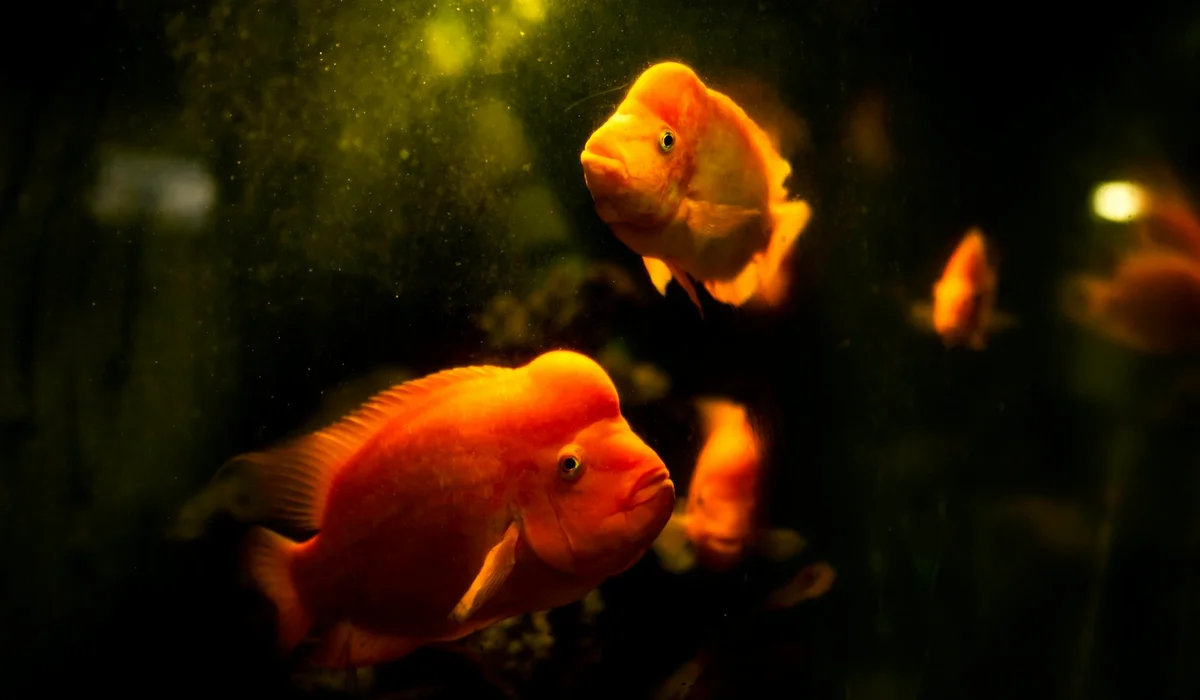
Walking up to your tank should feel like a moment of peace, not a moment of panic. Catching a fish disease in its earliest stages is the single most effective way to ensure a full recovery for your aquatic friend. I’ve learned that a watchful eye during daily feedings is your best diagnostic tool.
Know the Signs of a Healthy Fish
Before you can spot sickness, you need to know what health looks like. A vibrant fish is an active fish.
- Clear, bright eyes without cloudiness or swelling.
- Fins held erect and open, not clamped close to the body.
- Smooth, intact scales with no lesions, bumps, or fuzzy patches.
- Strong, steady appetite and normal swimming behavior.
- Consistent, solid waste-stringy white poop is a major red flag.
Three Common Diseases and How to Fight Them
Ich (White Spot Disease)
This is the most common unwelcome visitor. It looks like your fish has been sprinkled with salt or sugar. You’ll see grainy white spots on their fins, body, and gills.
Affected fish often flash, or rub themselves against rocks and substrate to try and scratch the itch.
My go-to treatment is to gradually raise the tank temperature to 82-86°F (28-30°C) for 10-14 days and use a reliable ich medication containing malachite green or copper. The heat speeds up the parasite’s life cycle, making the free-swimming stage vulnerable to the medicine.
Fin Rot
This bacterial infection makes a fish’s fins look like they are melting or being eaten away. The edges become ragged, discolored, and often have a white, inflamed margin.
Fin rot is almost always a sign of poor water quality, so your first step is to test your water and perform an immediate partial water change. For treatment, I use antibacterial treatments like those with erythromycin or API Fin & Body Cure, but cleaning the water is the real cure. Properly treating fin rot in aquarium fish also means maintaining stable tank conditions and quarantining new fish to prevent spread.
Swim Bladder Disorder
If your fish is struggling to stay upright, swimming upside down, or sinking to the bottom, it’s likely a swim bladder issue. My Oranda, Goldie, had a bout of this after overeating.
I successfully fasted her for two to three days and then offered a peeled, cooked pea, which acts as a natural laxative. This simple remedy often fixes buoyancy problems caused by constipation. If it persists, consider an internal parasite treatment.
The Quarantine Tank: Your Secret Weapon
I cannot overstate the value of a simple quarantine tank. It’s a small, bare-bottom hospital tank that saves you from treating your entire main display.
- A 5 to 10-gallon tank is perfect.
- Include a simple sponge filter and a heater.
- No substrate or decor is needed, making it easy to clean and monitor the sick fish.
Any new fish should spend at least two weeks in quarantine before joining your main tank to prevent introducing illness, and it’s crucial to know how to set up a proper quarantine tank. It’s a simple habit that prevents countless headaches.
The Best Medicine is Clean Water
More often than not, disease is a symptom of an unstable environment. Your filter’s hum is the sound of your tank’s immune system at work.
Stick to a consistent weekly water change schedule of 25-30% to remove dissolved waste and replenish essential minerals. This one routine does more to prevent disease than any medicine on the shelf. Test your water parameters weekly-ammonia and nitrite must always be zero, and nitrate should be kept below 20 ppm.
Essential Tools and Tips for Ongoing Tank Care
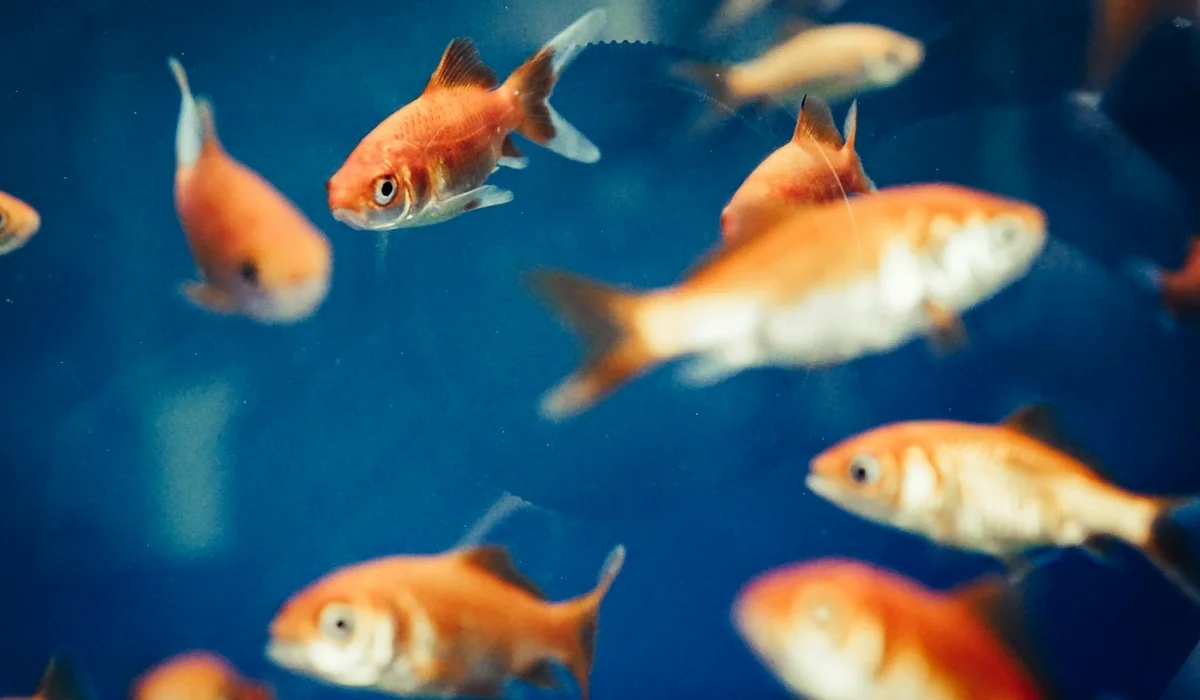
Keeping your fish healthy starts with having the right gear and a simple routine. A well-stocked aquarium maintenance kit is your first line of defense against stress and disease for your finned friends. Let’s look at what you need to keep on hand.
Your Aquarium Maintenance Toolkit
You don’t need a lab, but a few key items make all the difference. I keep all of this in a small bucket under my tank stand.
- A dedicated aquarium siphon and gravel vacuum.
- Several clean, fish-only buckets (marked so they never get used for household chemicals).
- A reliable water conditioner that neutralizes chlorine and chloramines.
- A liquid-based master test kit for ammonia, nitrite, nitrate, and pH.
- An algae scraper or pad (magnetic ones are fantastic for deep tanks).
- A pair of long aquascaping tweezers and scissors for plant trimming.
- A soft, lint-free cloth for wiping the glass exterior.
The Weekly Maintenance Rhythm
Consistency is more valuable than perfection. A quick, weekly check-in is far better for your tank’s stability than a massive, infrequent overhaul. This routine should take you less than 30 minutes once it becomes a habit.
- Listen to your tank. The gentle hum of the filter and the steady stream of bubbles from the air pump should sound normal.
- Observe your fish. Are they active and alert like Captain Fin, or are they lethargic and hiding? This is your first health check.
- Wipe down the inside glass to remove any algae film, giving you a crystal-clear view.
- Use your test kit to check ammonia and nitrite levels; they should always be zero.
The Monthly Deep Clean
Once a month, you’ll do a more thorough job. This is when you tackle the parts of the filter and substrate that need a bit more attention.
- Vacuum 25-30% of the substrate in sections, especially where fish like Shadow the Corydoras forage. Don’t do the entire bottom at once.
- Squeeze out or rinse filter media in the bucket of old tank water you just removed. Never rinse filter media under tap water, as the chlorine will kill the beneficial bacteria you’ve worked so hard to cultivate.
- Trim any dead or overgrown plant leaves to keep your aquascape tidy and healthy.
- Inspect all equipment like heater tubes and filter impellers for any buildup or damage.
Mastering the Water Change
This is the cornerstone of good tank care. The goal is to remove waste and replenish minerals without shocking your fish.
- Turn off your heater and filter to protect them from air exposure during the water level drop.
- Use your gravel vacuum to siphon water from the tank into your bucket. As you go, push the vacuum into the gravel to stir up and remove debris.
- Only remove 15-25% of the total tank volume. For a small tank, this might be just a few gallons.
- Prepare the new water in a separate, clean bucket. Match the temperature to your tank water and add the correct dose of water conditioner.
- Slowly pour the fresh, treated water back into the tank. I use a clean bowl to disperse the flow so I don’t disturb the substrate or scare the fish.
- Turn your heater and filter back on. Listen for that reassuring hum as everything starts up correctly.
A pro tip I’ve learned is to use the old tank water to water your houseplants; it’s full of beneficial nutrients and reduces waste. This simple habit connects the health of your aquatic world to the rest of your home.
Common Questions
How long should I quarantine new fish before adding them to my main tank?
A quarantine period of at least two to four weeks is recommended. This gives you enough time to observe the new fish for any hidden signs of illness that may not be immediately visible. A separate, simple quarantine tank prevents introducing disease to your established, healthy aquarium; learn how to properly quarantine new fish to prevent disease.
When should I start treating a sick fish with medication?
You should start treatment as soon as you have confidently identified the disease and confirmed that your water quality is perfect. Treating in a separate hospital tank is ideal to protect your main tank’s biological filter and other fish. Always follow the medication’s instructions precisely regarding dosage and duration.
Besides visible spots or fin damage, what are other early signs of disease?
Early warning signs often include behavioral changes like lethargy, hiding, loss of appetite, or rapid gill movement. You might also notice your fish rubbing against objects or swimming erratically. Not every change signals illness; some can be normal depending on species or tank conditions. By knowing what your fish usually does, you can tell healthy variation from unhealthy signs. Observing your fish daily during feeding is the best way to spot these subtle clues before an illness becomes severe.
How often should I test my water to effectively prevent disease?
Test your water parameters at least once a week as part of your regular maintenance routine. You should test immediately if you notice any fish showing signs of stress or illness. Consistent testing allows you to catch and correct ammonia or nitrite spikes before they can compromise your fish’s immune systems. Proper testing and maintenance of water parameters is crucial for a healthy aquarium.
Your Healthy Aquarium Awaits
Stick to a consistent schedule of partial water changes and test your water weekly to prevent most common illnesses. By focusing on pristine water quality and a stress-free environment, you create a foundation where fish diseases struggle to take hold.
Remember, your fish rely entirely on you for their well-being, making responsible ownership a rewarding commitment. The hobby of fish keeping is a continuous learning experience, so stay curious and keep exploring new ways to enhance your aquatic world.
Further Reading & Sources
- Freshwater Aquarium Disease Prevention, Recognition and Treatment
- Aquarium fish health
- How to Treat Sick Aquarium Fish (Even If You’re Not Sure What’s Wrong)
- Fish | Healthy Pets, Healthy People | CDC
- Management of Aquarium Fish – Exotic and Laboratory Animals – Merck Veterinary Manual
Lia is an expert in aquarium and pet fish care. Having worked in the marine industry and having cared for multiple pet fish, she has acquired first hand expertise on aquarium care, maintenance and setup. She always brings her practical expertise and science to help solve any aquarium related queries.
Health & Disease