
White Fuzzy Stuff in Your Fish Tank? Your Identification and Elimination Guide
Hello fellow fish keepers! That sudden patch of white fuzz on your driftwood or glass isn’t just unsightly-it’s a signal from your tank’s ecosystem. Spotting it can spike your anxiety, but understanding it is your first step to a clear, healthy aquarium.
In this article, I’ll break down this common issue so you can act fast. We’ll cover:
- Precisely what this white growth could be, from harmless biofilm to problematic fungi.
- The specific water conditions and causes that invite it to thrive.
- A clear action plan for safe removal tailored to different tank setups.
- Long-term prevention habits that protect your fish and plants.
I’ve navigated this exact problem countless times over years of maintaining high-tech planted tanks and breeding sensitive fish like bettas and corydoras.
First Clues: Identifying the White Fuzzy Growth
Spotting strange white stuff in your tank can be worrying, but don’t panic. Your first job is to become a keen observer, noting exactly where and how this growth appears. This quick-scan table helps you match clues to likely causes.
| Location | Texture & Appearance | Probable Identity |
|---|---|---|
| New driftwood, rocks, or plastic decor | Slimy, translucent to white film; often peels | Biofilm |
| Fish eggs, wounds, or decaying plant matter | Fluffy, cotton-like tufts; looks like small pom-poms | Fungal Growth |
| Filter intake, substrate, or tank walls | Dusty, hairy, or powdery white patches | Bacterial Colonies |
| Throughout the water column | General cloudy, milky water; not anchored | Bacterial Bloom |
| Directly on fish skin, fins, or gills | Fine, velvety coating or distinct white spots | Parasite (e.g., White Velvet) |
Once you’ve scanned the table, get up close with a focused inspection. These four steps will help you gather the details needed for a solid diagnosis.
- Examine decor and plants. Touch surfaces gently; biofilm feels slippery, fungus feels fibrous.
- Inspect the substrate. Stir the gravel lightly to check for fuzz hidden in waste pockets.
- Watch your fish. Look for any unusual rubbing or clamped fins, signs of irritation.
- Assess water clarity. Cloudiness points to a bloom, while clear water with patches suggests surface growth.
This process takes just a few minutes but cuts through the confusion. Accurate identification starts with knowing the difference between a fuzzy patch, a slimy film, and cloudy water.
Fungus, Bacteria, or Biofilm? Diagnosing Your White Fuzz
Aquarium Fungus: The Cotton-Like Invader
True aquarium fungus has a distinct, fluffy texture reminiscent of cotton batting. I most often see it on injured fish, like if Captain Fin tears a fin, or on decaying organic matter that’s been overlooked. It exploits high levels of dissolved organics from overfeeding or poor tank hygiene.
Visually, set it apart from bacterial slime; fungus forms raised, fuzzy tufts, while bacteria lay flatter. To stop fungus, immediately remove any affected decaying material and improve your water change routine to cut excess nutrients.
Bacterial Fuzz and Blooms
White bacterial fuzz forms thin, often powdery colonies on hard surfaces. These blooms frequently erupt after overfeeding, a lesson I learned watching Goldie’s leftover meals fuel a cloudy tank explosion. Unlike the beneficial bacteria in your filter, these are free-floating or surface-bound opportunists.
A severe parasitic form is “white velvet,” which gives fish a dusty, sugar-coated look. If your usually active fish, like Shadow, becomes lethargic and sports this coating, it’s a critical red flag requiring separate treatment. Consistent filtration maintenance and portion control are key to prevention.
Harmless Biofilm: Nature’s Slimy Coating
Biofilm is a clear or whitish, slippery layer that coats new surfaces like wood or plastic. This is a natural bacterial film, and in my experience, bottom-feeders like Corydoras absolutely love to graze on it as a food source. Certain fish clean-up crews, including Otocinclus and small plecos, help keep biofilm in check by grazing on it. It forms as microbes break down tannins and sugars.
Do not mistake this harmless slime for a problem. Biofilm typically self-resolves within weeks and even contributes to a balanced ecosystem by providing a food web for scavengers.
Is the White Fuzz in Your Tank Dangerous?
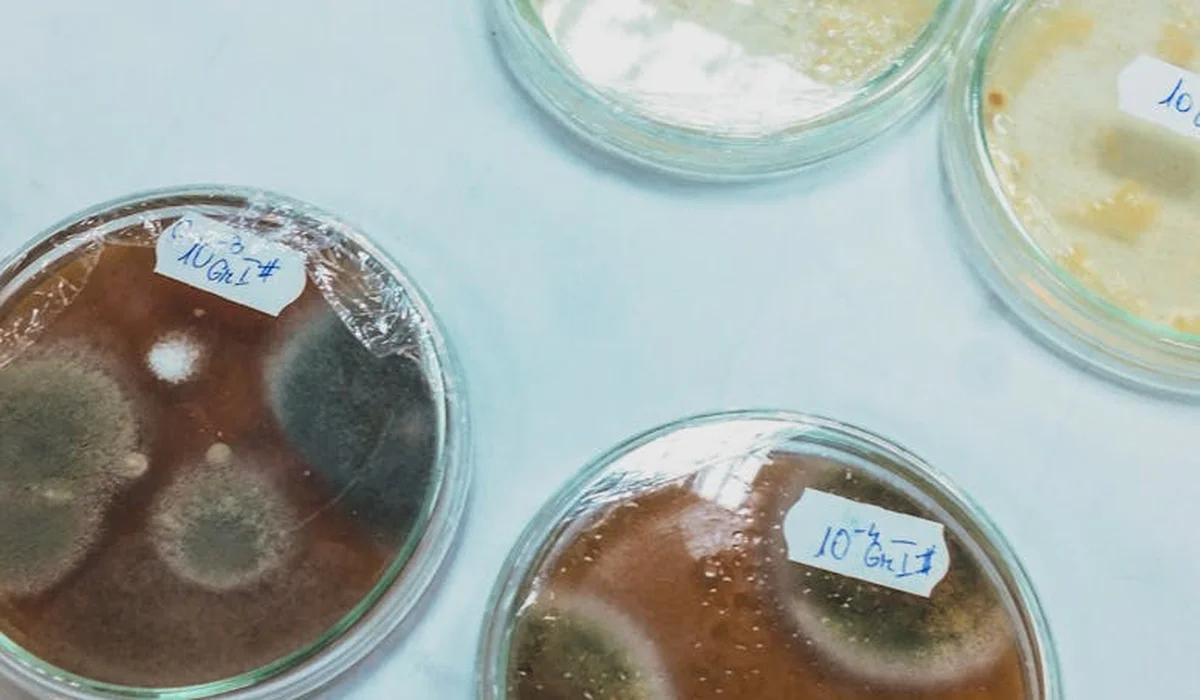
Seeing that fluffy growth can be alarming, but not all fuzz spells trouble for your aquatic friends. You need to play detective and identify the source, because the risk ranges from zero to serious depending on whether it’s biofilm, fungus, or bacteria.
-
Benign Scenarios: The Fuzz is Just an Eyesore
When the white film is slick and coats only new driftwood, ornaments, or even the tank glass above the waterline, it’s likely harmless biofilm. This microbial mat is a natural part of a new tank settling in, and many shrimp or snail species will happily graze on it. I’ve watched my shy corydoras, Shadow, poke at it on a new piece of wood without any ill effects. -
Harmful Scenarios: The Fuzz is a Health Threat
If the growth is cotton-like and attached to your fish-clinging to fins, mouths, or wounds-it’s dangerous fungal or bacterial infection. Left untreated, this can rapidly cause fin rot, sap energy leading to lethargy, and make fish stop eating. My betta, Captain Fin, once showed stress flashes in his color and clamped fins during a bacterial bloom, which was my cue to act fast.
Step-by-Step Treatment for White Fuzzy Stuff
How to Treat Fungal Growth
-
Isolate the affected fish if you can. Moving them to a clean hospital tank prevents spread and lets you treat them directly without affecting your main tank’s balance. This is a core step in a beginner’s guide to disease prevention and tank maintenance. Regular monitoring and proper quarantine routines help keep the whole tank healthy.
-
Perform an immediate 30-50% water change in the main tank. Use a gravel vacuum to remove waste and dilute spores. Vacuum slowly across the gravel in short, overlapping passes to pull debris from the substrate and keep the gravel clean. This helps prevent hidden buildup and supports clearer water. Fresh, clean water is often the best first medicine for any tank ailment.
-
Choose a safe antifungal treatment. Look for medications with ingredients like Pimafix or malachite green, and always follow the bottle’s dosage for your tank’s volume. A gentle option is to use aquarium salt in the hospital tank; about 1 tablespoon per 5 gallons can help soothe fish and inhibit fungus.
-
Monitor closely for a week. Watch for the fuzz receding and the fish becoming more active. I keep a log for sick fish, noting daily behavior and appetite, just like I did when Goldie was recovering.
How to Clear Bacterial White Fuzz
-
Manually remove as much visible fuzz as you can. Use a clean, algae scraper or a toothbrush dedicated to tank use to gently wipe it off decor and glass, especially when you’re unsure how to clean algae off aquarium glass effectively.
-
Vacuum the substrate thoroughly. This sucks up the organic debris that feeds bacterial colonies. Don’t just skim the surface; get deep into the gravel to disturb the waste bed.
-
Check and rinse your filter media in old tank water. Never use tap water, as chlorine will kill the beneficial bacteria. You want to clear gunk without sterilizing the bio-media that keeps your cycle stable.
-
Boost aeration with an air stone or by lowering water flow to create surface agitation. Bacteria thrive in stagnant, low-oxygen water, so increasing oxygen helps curb their growth. Resist the urge to use antibiotics immediately; overuse can harm your biological filter and lead to resistant strains.
How to Manage and Clean Biofilm
-
Wipe affected decor during your regular water change. Use a soft, clean cloth or a dedicated aquarium sponge to simply rub the slimy layer off. It comes off easily.
-
Siphon directly over the biofilm areas. As you change water, run the gravel vacuum tube along the film to suction it away. This physical removal is usually all you need, as biofilm isn’t harmful. For tanks with shrimp or other sensitive fish, regular biofilm removal helps prevent issues with feeding and health. Regular, careful cleaning supports a healthy, stress-free environment for these inhabitants.
-
Pre-soak new wood or ornaments before adding them. Letting them sit in a bucket of water for a week or two allows much of this biofilm to form and be cleaned off outside your tank, reducing the initial bloom.
Preventing White Fuzzy Stuff from Coming Back

Keeping that white fuzz at bay isn’t about a one-time fix; it’s about building consistent, sustainable habits that your whole tank ecosystem can thrive on. The ultimate goal is stability, and your daily and weekly routines are the foundation for a clean, clear aquarium.
- Master the Partial Water Change: This is your most powerful tool. I swap out 20-25% of my tank’s water every single week. For my smaller planted tank, that’s a five-gallon bucket every Saturday morning. This physically removes excess nutrients and spores before they can fuel an outbreak. The gentle hum of the Python siphon is the sound of prevention.
- Feed with Precision, Not Passion: Overfeeding is the #1 cause of water quality issues. Offer only what your fish can completely consume in about two minutes. Watch Captain Fin; his belly will slightly round out, and he’ll lose interest. Any food sinking to the bottom is too much. One fasting day per week gives your filter a break and mimics natural conditions.
- Clean Your Filter Intelligently: Never rinse filter media under tap water! The chlorine will kill the vital beneficial bacteria living there. Instead, schedule a monthly cleaning where you swish sponges or ceramic rings in a bucket of old tank water you’ve just removed during a water change. This preserves your bacterial colony while removing physical gunk.
- Quarantine Everything New: I keep a simple 10-gallon tank with a spare filter and heater for this exact purpose. Any new plant, ornament, or even snail gets a dip or a soak. For plants, a quick bath in a diluted bleach solution (19 parts water, 1 part bleach) for 90 seconds, followed by a thorough rinse and a dechlorinator soak, kills hitchhiking spores. This extra step has saved my main display tank from countless potential invasions.
Advanced Insights: Water Chemistry and the White Fuzz Connection
While regular maintenance handles the basics, sometimes you need to look at the unseen chemical dance in your water. Parameters that swing wildly create stress and opportunity for pathogens. Think of your water test kit not as a report card, but as a conversation with your aquarium’s health. Regular testing helps you maintain proper water parameters in your aquarium and catch imbalances before they cause trouble.
A sudden drop in pH, often from decaying organic matter, can shock fish and make them susceptible to fungal infections. I use crushed coral in my filter media bag for my African cichlid tank as a natural, slow-release buffer that holds pH steady. For softer water tanks, Indian Almond Leaves can gently lower and stabilize pH while releasing beneficial tannins. To safely adjust pH levels in your fish tank, make gradual changes and test the water regularly with a reliable kit. Avoid rapid swings that can stress fish and disrupt the ecosystem.
Nitrate spikes are a silent feast for fuzz. While less toxic than ammonia, nitrates above 20 ppm (parts per million) signal an overload. Lush, fast-growing plants like Hornwort or Floating Frogbit are my secret weapon; they literally suck nitrates out of the water column to use as fuel for growth. If your nitrate reading is consistently high despite water changes, look at your stocking level-you might simply have too many fish for the tank’s volume.
Low oxygen levels, often overlooked, create a stagnant environment where fuzzy fungi thrive. Surface agitation from your filter output or an air stone isn’t just for show. That shimmering, rippling surface massively increases gas exchange. On a quiet evening, if I see my fish like Goldie hanging near the surface, it’s my first clue to check the flow. A simple air pump and stone are a cheap insurance policy for crystal-clear, oxygen-rich water.
FAQs
What is the white fuzz on my brand-new driftwood or ornament?
This is almost certainly harmless biofilm, a natural microbial layer that forms as bacteria and fungi break down sugars and tannins on new surfaces. It is not dangerous and often appears as a slimy, translucent to white coating. Many shrimp, snails, and bottom-feeding fish will happily consume it as a food source. In a new aquarium, this biofilm is normal and usually not dangerous. If it becomes thick or foul-smelling, it can signal water quality problems that may threaten tank inhabitants and should be addressed.
I’ve seen advice on forums like Reddit about using hydrogen peroxide or bleach. Is this safe?
While these methods are sometimes discussed for spot-treating hardscape outside the tank, they carry significant risk if misused. Improper dilution or residue can harm your fish and destroy the beneficial bacteria in your filter. It is safer and more effective to address the root cause through water changes and manual removal first.
What is the safest chemical treatment for white fuzz on my fish?
For true fungal infections on fish, treatments containing Pimafix or specific antifungal agents like those with malachite green are considered safe when dosed correctly. Always move the affected fish to a quarantine tank first if possible, and consider a gentle aquarium salt bath as a first-line treatment to avoid stressing the main tank’s ecosystem.
How long should I wait to see if the white fuzz goes away on its own?
If the fuzz is solely a biofilm on decor, it may diminish within a few weeks as tank residents eat it or it stabilizes. However, if the growth is fluffy, on fish, or spreading rapidly, you should not wait. Immediate action, starting with a significant water change and manual cleaning, is required to prevent potential health risks to your aquarium inhabitants.
Keeping Your Tank Crystal Clear
The white fuzz in your tank is typically a sign of excess organic waste, often appearing as either a harmless Fungus on decaying matter or a more persistent Biofilm. Tackle it by performing consistent partial water changes, gently vacuuming your substrate, and removing any obvious decaying leaves or uneaten food.
Remember, a healthy aquarium is a balanced ecosystem that requires your attentive observation and care. Embrace the learning process, stay curious about your pets’ needs, and you’ll build a beautiful, thriving underwater world. Learn to read the signs of a healthy vs unhealthy tank, and you’ll know when to adjust care. Notice changes in water clarity, fish behavior, and test results to spot issues before they become problems.
Further Reading & Sources
- 16.10.1. Aquarium White Fuzz
- Issue with white fuzzy mold. | Aquarium Forum
- 16.10. Water Mold
- Help! I have white mold in my tank. – General Chat – Aquarium Co-Op Forum
- HOW TO: Get rid of that fuzzy stuff on new/old driftwood | British Columbia Aquarium Forums
Lia is an expert in aquarium and pet fish care. Having worked in the marine industry and having cared for multiple pet fish, she has acquired first hand expertise on aquarium care, maintenance and setup. She always brings her practical expertise and science to help solve any aquarium related queries.
Health & Disease