
Your Guide to Crystal Clear Water: How to Clean Aquarium Gravel Like a Pro
Published on: January 28, 2026 | Last Updated: January 28, 2026
Written By: Lia Annick
Hello fellow aquarium enthusiasts! If you’ve ever peered into your tank and seen murky water or debris nestled in the gravel, you know that sinking feeling. I get it-keeping that substrate clean is the unsung hero of a thriving tank, and doing it right saves you time and keeps your fish happy.
This straightforward guide will walk you through everything you need, covering why this simple task is your best defense against poor water quality, how to pick the perfect gravel vacuum for your setup, and my personal step-by-step method for vacuuming without stressing your fish. You’ll also learn about the ideal cleaning schedule for different tanks and handy tricks to make maintenance quicker.
I’ve spent years running complex planted systems and breeding delicate fish, so I’ve cleaned more gravel than I can count and learned what truly works.
Why Cleaning Aquarium Gravel is Non-Negotiable
Think of your aquarium gravel as a silent collector of your tank’s daily life. Every uneaten pellet from Goldie’s enthusiastic feast, every waste particle from Captain Fin’s patrols, and every decaying plant leaf settles between those stones, starting a hidden breakdown process. If ignored, this decomposing waste releases ammonia, a toxin that can quickly harm your fish.
Your substrate is a living landscape, not just decoration. A healthy balance exists where beneficial bacteria colonize the gravel to process waste, but too much physical detritus will smother these microbes and lead to dangerous nitrate spikes. I’ve seen tanks crash when this balance tips, stressing even hardy fish like Shadow.
Committing to clean gravel rewards you with a thriving ecosystem. You’ll see the water turn crystal clear, allowing the shimmer of Captain Fin’s scales to glow, and you’ll maintain a stable pH that keeps all residents, from sensitive catfish to robust goldfish, healthy and active. That visual clarity is your first clue the environment is balanced.
Finding Your Tank’s Gravel Cleaning Rhythm
There’s no universal schedule that fits every aquarium. Your cleaning frequency dances to the rhythm of your specific tank’s bioload and habits. This brings up a practical question: which maintenance tasks are essential, and how often should you perform them? In other words, essential tasks and their frequency are shaped by your tank’s needs rather than by a fixed calendar. I adjust my own routine based on who’s swimming in the tank and how they behave.
Several key factors directly change how often you should vacuum. Here’s what I always consider before setting my calendar:
- Fish Count and Type: More fish equal more waste. A tank with a social forager like Goldie needs more attention than one with a solitary betta.
- Feeding Amounts: Overfeeding is the fastest way to dirty your gravel. If food hits the bottom, you’re likely feeding too much.
- Tank Size and Volume: Smaller tanks under twenty gallons accumulate waste faster and need more frequent cleaning.
- Filter Efficiency: A strong filter helps, but no equipment can remove waste packed deep into the substrate.
As a general guideline from my experience, start with this baseline. For a densely stocked tank, plan a partial gravel vacuum every week; for a lightly stocked aquarium with few fish, you can often stretch to every other week. Observe and adjust from there. Also, schedule regular aquarium pump maintenance to keep filtration efficient and water movement consistent. Clean impellers, check seals, and replace worn parts as needed to prevent problems before they occur.
Your aquarium will send you clear signals when it’s time. Watch for visible debris collecting in corners, a slimy algae film beginning to coat the gravel surface, or a sudden cloudiness in the water between changes. When I notice Shadow’s favorite hiding spots look a bit too murky, I know my vacuuming day has arrived.
Choosing Your Gravel Vacuum and Essential Tools
Picking the right vacuum feels like choosing a dance partner for your tank maintenance-you need one that moves with you, not against you. From my years of keeping tanks, I’ve found that the siphon you choose directly impacts how clean your gravel gets and how stressed your fish become. Let’s break down the options so you can find your perfect match.
- Basic Hose Models: These are simple tubes attached to a wide gravel tube. You start the siphon by sucking on the hose end (not my favorite method) or using a pump. They’re budget-friendly and work great for smaller tanks under 20 gallons, but they require a bit of elbow grease.
- Siphon Starters: These models have a built-in pump or bulb you squeeze to get water flowing without the mouth-siphoning hassle. I rely on these for my 40-gallon community tank because they’re faster and more hygienic, especially when dealing with multiple tanks.
- Battery-Powered Vacuum Cleaners: These are like handheld vacuums that suck debris into a catch chamber without removing water. They’re fantastic for quick spot-cleaning in tanks under 10 gallons or for delicate setups, but they can struggle with deep gravel beds and need battery changes.
Beyond the vacuum itself, a few tools turn a chore into a smooth routine. Always use a bucket reserved only for your aquarium to avoid introducing soap or chemicals that could harm your fish. You’ll also need a water dechlorinator to treat tap water before it goes back in, and an algae scraper to clean the glass before vacuuming so stirred-up algae gets sucked away. These items are essential aquarium cleaning supplies that help keep your tank healthy. Having them on hand makes routine maintenance faster and more reliable.
| Tool Type | Best For Budget | Ideal Tank Size | Key Feature |
|---|---|---|---|
| Basic Hose Siphon | Low ($10-$20) | Under 20 gallons | Simple, no batteries needed |
| Siphon Starter | Medium ($20-$40) | 20-55 gallons | Easy start, faster water flow |
| Battery-Powered Vac | Higher ($30-$60) | Under 10 gallons or spot-cleaning | No water removal, minimal disturbance |
The Gentle Art of the Gravel Vacuum: A Step-by-Step Guide
- Gather your supplies and prepare new water. I lay out my siphon, dedicated bucket, dechlorinator, and a towel. Fill the bucket with tap water that matches your tank’s temperature within 2-3 degrees-use a thermometer. Add dechlorinator as per the bottle’s instructions, and let it sit while you work.
- Start the siphon using the push-and-lift technique. Submerge the gravel tube in the tank, and place the hose end in your bucket below the tank level. For siphon starters, pump until water flows. With basic hoses, I gently suck until water nears the end, then quickly direct it into the bucket. To vacuum, push the tube into the gravel and lift slightly; this pulls up debris without excavating the entire substrate.
- Perform the water change, keeping volume in check. As you vacuum, siphon out the dirty water. Never remove more than 25-30% of the tank water in one session to preserve beneficial bacteria and stable chemistry. In my 30-gallon tank, that’s about 7-9 gallons max.
- Refill the tank slowly to avoid shock. Pour the treated new water gently onto a plate or into your hand to diffuse the flow. This prevents sudden temperature or pH shifts that stress fish like Captain Fin, who gets feisty with rapid changes. Once done, restart filters and heaters.
Pre-Vacuum Prep: Setting the Stage
Before you even touch the siphon, a quick check sets you up for success. Testing water parameters like ammonia, nitrites, and nitrates gives you a snapshot of tank health and tells you if a water change is urgently needed. I use liquid test kits for accuracy, aiming for 0 ppm ammonia, 0 ppm nitrites, and nitrates under 20 ppm. Regular testing helps you maintain proper water parameters in your aquarium. Keep a simple log to track trends over time.
- Calmly herd fish away from the area you’ll clean by slowly moving your hand or a net near them. For shy bottom dwellers like Shadow, I vacuum around his favorite plant hideouts last to give him time to retreat.
- Turn off equipment like heaters to avoid damage if water levels drop, but leave filters on if they’re submerged to maintain bacteria.
The Vacuuming Motion: Deep Clean Without Chaos
The goal is to remove waste, not your tank’s ecosystem. Hover the vacuum tube just above the gravel surface, letting the suction pull up loose debris while leaving most of the bacteria-rich substrate undisturbed. I move in slow, overlapping passes, listening to the hum of the siphon as it captures dirt.
- Focus on debris hotspots: under decorations, around plant bases, and especially at feeding spots. In my tank, Goldie’s foraging zone always collects extra waste that needs weekly attention.
- For fine sand or planted tanks, hold the tube higher to prevent sucking up substrate or delicate roots. A lighter touch here preserves the aquascape and fish comfort.
Vacuuming Gravel in a Planted Tank Sanctuary
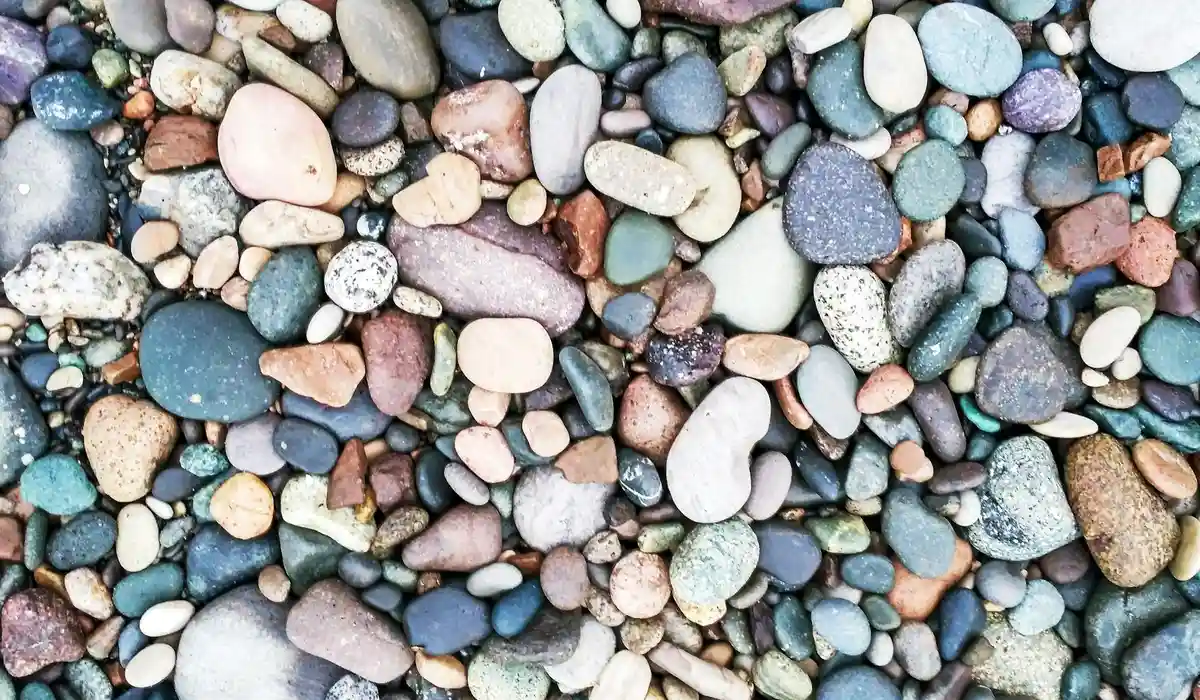
In my own planted aquariums, I’ve watched roots from plants like Amazon Swords or Vallisneria weave through the gravel, creating a stable foundation. These root systems act like a living mesh, locking the substrate in place and providing massive surface area for beneficial bacteria to colonize.
This bacterial biofilm is your invisible cleanup crew, processing fish waste right where it lands. Disturbing it too much can disrupt your tank’s balance. Some fish cleanup crews, such as otocinclus or small plecos, graze biofilm and help keep it in check. This natural teamwork supports a stable, healthy tank.
Cleaning around these delicate areas requires a gentle, precise approach. I rely on two key tools to keep things tidy without causing harm.
- Use a siphon hose with a flow control valve. This lets you dial down the suction power to a gentle stream. Simply hover the tube just above the gravel near plant bases to pull up waste without uprooting tender stems or sucking out the nutrient-rich substrate they need.
- Employ a “wave and lift” motion with the siphon. Gently wiggle the tube end to stir up surface debris, then lift slightly to capture it. This targets gunk without deep digging.
For daily maintenance between vacuum sessions, a simple turkey baster is my secret weapon. A quick squeeze can precisely spot-clean uneaten food or waste nestled between dense plants, saving you from a full gravel vacuum. It’s perfect for a quick tidy without the cloudiness. These small steps are a core part of aquarium cleaning maintenance, helping keep water pristine between deeper cleans. Regular, light upkeep like this reduces sediment buildup and keeps your beneficial bacteria thriving.
Pro Siphon Techniques for Pristine Gravel
Mastering the siphon turns a chore into a quick, satisfying part of your routine. The goal is to remove waste, not to strip your substrate of all its beneficial bacteria.
Controlling the suction is your most vital skill, especially in tanks with tiny inhabitants like shrimp or fry. Instead of plunging the tube straight down, start the siphon and then gently lay the wide end on its side on the gravel. This reduces the pull dramatically. For extra safety, I’ve slipped a piece of fine filter sponge or even a bit of clean pantyhose over the tube’s intake, securing it with a rubber band.
Navigating Tight Spaces
Cleaning around decorations and in corners requires a light touch. For corners, I pinch the hose briefly to reduce flow, then push the gravel tube tip right into the junction of the glass. A quick in-and-out motion pulls up the trapped debris.
To clean under driftwood or rock formations, I often use just the bare siphon hose without the wider gravel tube attached. The smaller diameter lets me snake it into hidden areas. Gently wiggle the end of the hose just above the substrate there to lift the muck without disturbing the foundation of your hardscape.
The Smart Timing of Gravel Cleaning
Always schedule your gravel vacuuming session *before* you clean or replace filter media. When you disturb the substrate, you suspend a cloud of fine particles and waste into the water column. Your filter is there to catch it.
By letting your filter run for an hour or two after vacuuming, you allow it to trap that suspended debris, polishing the water to that crystal-clear shimmer we all love. If you clean the filter first, you remove its cleaning power right when you need it most, leaving that cloud to just settle back down.
Caring for Your Gravel Cleaning Equipment
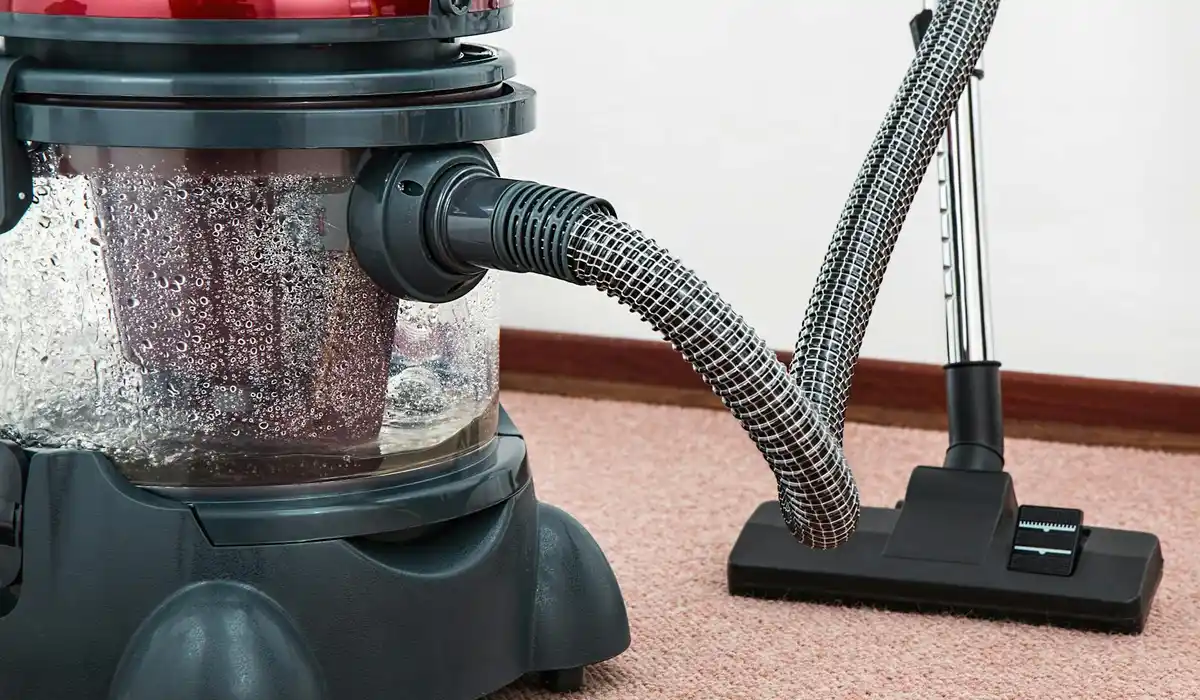
Your siphon is a workhorse, but a little care makes it last for years. Neglect it, and you’ll be battling clogs and fighting to start the siphon every time.
Immediately after each water change, I run clean, dechlorinated tap water backwards through the siphon hose. I hold one end to the faucet and flush water through the other end into a sink or bucket. This pushes out any leftover sludge hiding inside. Do the same for the gravel tube, using a bottle brush if needed.
Storage for Instant Starts
How you store the hose is everything. Never hang it over a sharp edge or leave it tightly coiled in a hot shed.
- Loop the hose into large, gentle coils and hang it on a rounded hook.
- Store it flat in a drawer or bin without heavy items on top.
- Keeping the hose from developing permanent kinks preserves its ability to hold a prime, meaning next time you’ll get that water flowing with just one or two pumps.
Knowing When to Replace Parts
Even the best equipment wears out. Inspect your siphon regularly. The small rubber washer or O-ring inside the pump bulb is a common failure point; if it’s cracked or flattened, you’ll lose suction.
A permanently cloudy or stiff hose that smells foul, even after cleaning, is a sign it’s breaking down internally and should be replaced. Clear vinyl tubing from a hardware store is a perfect, affordable substitute-just ensure it’s the same diameter. A well-maintained siphon makes weekly maintenance a breeze, not a battle.
FAQs
What is the difference between an aquarium gravel cleaning machine and a manual siphon?
Aquarium gravel cleaning machines are typically battery-powered devices that vacuum debris into a collection chamber without removing water, making them ideal for spot-cleaning in small tanks or delicate setups. Manual siphons use a hose and gravity to remove water along with waste, which is better for larger tanks and more thorough cleaning. Your choice depends on your tank size, maintenance goals, and whether you prefer minimal water disturbance.
What factors affect the price of an aquarium gravel cleaning vacuum siphon pump?
The price of a gravel vacuum siphon pump is influenced by features like flow control valves, siphon-start mechanisms, hose length, and build quality. Basic models without pumps are budget-friendly, while those with durable materials or battery-powered options cost more. Consider your tank’s needs and how often you clean to find a pump that offers good value without unnecessary extras.
How can I disinfect old aquarium gravel without harming future fish?
To disinfect old gravel safely, avoid harsh chemicals and instead use a bleach solution of one part bleach to nine parts water, soaking for 15-20 minutes. Rinse the gravel repeatedly with dechlorinated water until no bleach smell remains, and let it air-dry completely. This method kills pathogens while minimizing risks to your aquarium’s ecosystem when reused. This approach also applies to cleaning aquarium rocks and stones; follow a step-by-step guide to ensure they’re clean and safe to reuse.
What are the best practices for cleaning aquarium gravel in tanks with dense plants?
In densely planted tanks, use a siphon with gentle suction and hover it above the gravel to avoid uprooting plants or disturbing root systems. Focus on visible debris between plants and use a turkey baster for precise spot-cleaning. Regularly trim dead leaves to reduce waste accumulation, making gravel cleaning easier and less frequent.
Your Blueprint for a Pristine Substrate
Commit to a consistent weekly vacuuming schedule to remove organic waste and safeguard your water chemistry. A gentle, partial clean is far more effective and safer than a deep, disruptive overhaul of your gravel bed.
Caring for your tank’s foundation is a direct reflection of your dedication to all your aquatic pets. Let each maintenance session deepen your connection and inspire you to learn more about the fascinating balance of life in your aquarium. Regular care, such as our month-by-month planning, ensures a thriving environment.
Further Reading & Sources
- r/Aquariums on Reddit: Deep Cleaning Gravel
- How Do I Clean My Aquarium? Part 1: Cleaning the Gravel.
- What is the best way to clean gravel? Just hot water and a …
- Cleaning New Aquarium Gravel: Rinse, Re-Rinse And Rinse Again
- How to clean aquarium gravel that has been sitting awhile | Cleaning and Maintenance Forum
Lia is an expert in aquarium and pet fish care. Having worked in the marine industry and having cared for multiple pet fish, she has acquired first hand expertise on aquarium care, maintenance and setup. She always brings her practical expertise and science to help solve any aquarium related queries.
Regular Cleaning