
Month-by-Mater Aquarium Care: Your Guide to a Tank That Thrives All Year Long
Hello fellow aquarists! Does it sometimes feel like your aquarium has a mind of its own, with algae blooms in summer and sluggish fish in winter? A consistent, proactive plan transforms that guesswork into a predictable, beautiful ecosystem.
This full-year planner walks you through everything you need to do, season by season. We will cover:
Monthly maintenance checklists tailored to seasonal shifts.
Water parameter adjustments for temperature and chemistry.
Preventative health checks to spot issues before they become emergencies.
Seasonal feeding and planting guides to keep your aquascape lush.
I’ve refined this schedule over years of running high-tech planted tanks and breeding sensitive fish.
Why a Yearly Aquarium Planner Makes Tank Care Easier
Keeping a yearly planner transforms aquarium care from a guessing game into a smooth, predictable routine. I found that the simple act of writing things down removed so much of the mental load and worry from my hobby. A planner gives you a clear history of your tank’s health, so you can spot trends and solve problems before they become emergencies.
- Water parameters like pH, ammonia, nitrite, and nitrate
- Exact dates for water changes, filter cleanings, and other maintenance
- Fish behavior notes, including appetite, activity level, and social interactions
- Any treatments used, new additions, or notable changes in the environment
You don’t need anything fancy to get started. A dedicated notebook by the tank works perfectly. For the tech-savvy, a simple note-taking app on your phone is fantastic because you can quickly add photos and set reminders. The best tool is the one you will actually use consistently, whether it’s a physical calendar or a digital spreadsheet.
Your Essential Monthly Aquarium Maintenance Checklist
January: A Fresh Start for Your Underwater World
- Perform a 25% water change and test for ammonia, nitrite, nitrate to establish a clean baseline.
- Inspect heater and filter for proper function, listening for unusual hums or checking for steady water flow.
- Clean aquarium glass and trim any overgrown plants to let light reach all areas.
February: Show Your Fish Some Love with Water Quality Checks
- Check water temperature and pH levels weekly, as indoor heating can cause fluctuations.
- Vacuum substrate to remove debris, paying extra attention to where you usually feed.
- Observe fish for signs of stress like clamped fins, a classic indicator of discomfort.
March: Spring Into Action with Algae Control
- Adjust lighting schedule to prevent algae blooms, reducing it by an hour if you see a green tinge.
- Clean filter media without replacing it entirely, just rinsing it in old tank water to preserve bacteria.
- Add live plants to help balance nutrients, as they directly compete with algae for food.
April: Refresh Your Tank with Seasonal Plant Care
- Fertilize plants and prune dead leaves to encourage lush, new growth.
- Test for phosphate levels to manage algae, a key nutrient that often goes unchecked.
- Check equipment cords for wear or damage, a simple step that prevents dangerous failures.
May: Focus on Fish Health and Feeding Regimen
- Monitor fish appetite and adjust feeding amounts; I watch to see if all food is eaten in two minutes.
- Quarantine any new plants or decorations before adding to avoid introducing pests or disease.
- Verify thermometer accuracy with a separate test, as a faulty reading can destabilize your entire tank.
June: Summer Prep for Stable Water Conditions
- Increase water changes if room temperature rises, which can lower oxygen levels.
- Ensure good airflow around the tank to avoid overheating from nearby windows or electronics.
- Inspect for evaporation and top off with treated water to keep mineral concentration stable.
July: Keep Cool with Consistent Filtration
- Clean filter intake and output to maintain flow, as warm water can encourage clogging.
- Test nitrate levels more frequently in warm weather, as biological activity speeds up.
- Watch for fish gasping at surface, indicating oxygen issues that may need an airstone.
August: Mid-Year Equipment Check-Up
- Examine heater, lights, and pumps for any malfunctions, even if they seem to be working fine.
- Gradually reduce lighting duration to mimic natural cycles as days get shorter.
- Record any changes in fish behavior or coloration, which can be early health warnings.
September: Ease Into Fall with Substrate Cleaning
- Use a gravel vacuum during water changes to pull waste from deep in the substrate.
- Test water parameters before and after maintenance to see the immediate impact of your work.
- Plan for any tank stocking adjustments, considering which fish may have outgrown the space.
October: Prevent Problems with Proactive Care
- Check for algae on decorations and scrub if needed, but avoid harsh chemicals.
- Review your feeding regimen and reduce if overfeeding occurs; leftover food pollutes water.
- Inspect all equipment for early signs of wear, like cracked tubing or flickering lights.
November: Give Thanks with a Thorough Tank Review
- Deep clean filter media in tank water to preserve the essential beneficial bacteria colony.
- Monitor pH and temperature stability as seasons change and your home’s heating kicks on.
- Look for disease symptoms like spots or erratic swimming, which are easier to treat when caught early.
December: End the Year with a Sanitation Focus
- Wipe down tank exterior and clean light covers for a crystal-clear view of your aquatic world.
- Test all water parameters and compare to yearly records to celebrate your consistency.
- Ensure backup supplies are stocked for holidays, like water conditioner and a spare heater.
Seasonal Adjustments to Keep Your Tank Thriving

As the seasons shift, your aquarium’s environment reacts to changes in room temperature and natural light. Warmer summer months can spike water temperatures, accelerating evaporation and lowering oxygen levels, while colder winters might cause heaters to struggle. These fluctuations directly impact water chemistry by altering bacterial activity and nutrient availability, which can lead to unexpected algae blooms or stressed fish.
In winter, start by verifying your heater’s accuracy with a separate thermometer. Gradually increase the setting by one or two degrees if room temps drop significantly, but avoid sudden jumps. For summer, position a small fan to blow across the water surface or consider a aquarium chiller if heatwaves are common. Stable temperatures prevent issues like Goldie’s sluggish foraging or Captain Fin’s faded colors during extreme cold or heat.
- Adjust feeding: Reduce portions in cooler months when fish metabolisms slow, and offer high-quality foods more frequently in summer.
- Modify plant care: Trim back fast-growing plants in spring and summer, and consider adding root tabs or liquid fertilizers as light intensity changes.
- Monitor light duration: Use a timer to maintain consistent photoperiods, shortening it slightly in winter to mimic natural cycles and curb algae.
Monitoring Water Parameters and Fish Health Monthly
Set a reminder for the first weekend of each month to test key water parameters. I use a liquid test kit for accuracy, checking ammonia, nitrite, nitrate, pH, and temperature all at once. This practice helps maintain proper water parameters in your aquarium. If anything looks off, I adjust gradually and re-test to confirm. This routine takes me under ten minutes and gives a clear snapshot of my tank’s balance, much like a quick health check-up.
If ammonia or nitrite reads above zero, it signals a filter issue or overfeeding—perform a 25% water change and check for decaying matter. High nitrate over 40 ppm often means more frequent water changes are needed, while pH swings can be stabilized with crushed coral or peat moss. These are essential aquarium water parameters—pH, ammonia, and nitrates explained—that I explain in simple terms. Understanding them helps you read tests and catch issues early. From my own scares with Shadow hiding more than usual, I learned that consistent testing catches problems before they harm your fish.
- Ammonia: Ideal is 0 ppm; if elevated, reduce feeding and vacuum the substrate.
- Nitrite: Should always be 0 ppm; a spike indicates an incomplete nitrogen cycle.
- Nitrate: Keep below 20 ppm for most fish; water changes are your best fix.
- pH: Sudden changes stress fish; adjust slowly with natural buffers.
- Temperature: Match species needs; use a reliable heater and thermometer.
Each month, spend five minutes observing your fish during feeding time. Look for erect fins, smooth scales, and active swimming. Cloudy eyes, clamped fins, or unusual lethargy are early warnings that something’s off in the water.
- Fins: Check for tears, discoloration, or fraying-signs of fin rot or aggression.
- Scales: Ensure they lie flat without raised spots or redness, which could mean infection.
- Behavior: Note if fish like Captain Fin are eating eagerly or hiding, as stress often shows in routine changes.
Monthly Equipment Inspection and Maintenance
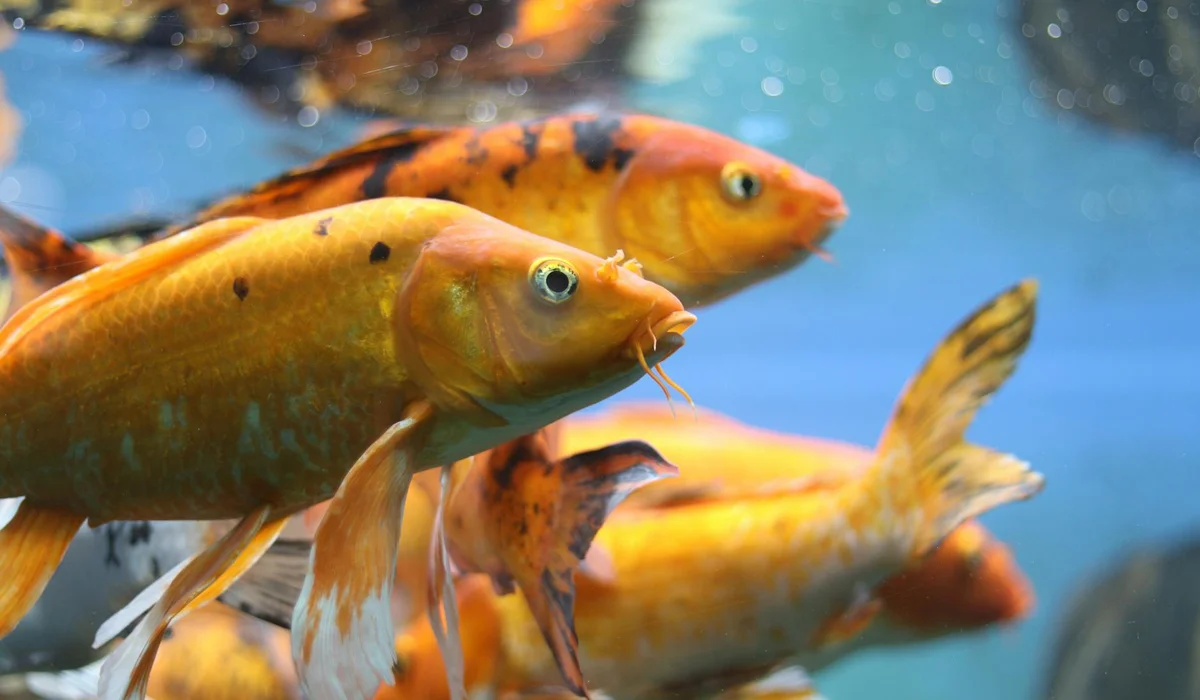
Your aquarium equipment works tirelessly, but it needs a regular check-up to stay in top shape. These are the essential maintenance tasks and how often you should do them. I set a calendar reminder for the first weekend of every month to run through this quick list. Knowing the recommended frequency helps you stay ahead of problems. A few minutes of proactive maintenance can prevent a major tank emergency later on.
-
Check filter flow and clean impeller if noisy
Place your hand near the filter output to feel the water current. A weak flow often means the impeller-the little magnetized wheel inside-is clogged with gunk. Unplug the filter, take it apart, and gently wipe the impeller and its chamber clean with an old toothbrush and tank water. That quiet hum should return immediately, confirming your filter is running efficiently again.
-
Verify heater accuracy with a separate thermometer
Heater thermostats can drift over time. I keep a simple glass or digital thermometer on the opposite side of the tank from the heater. Compare the two readings. If they differ by more than a degree or two, your heater might be failing. Catching a faulty heater early is the best way to protect your fish from a dangerous temperature swing.
-
Inspect lights and timers for consistent operation
Watch your lights turn on and off with their timer for a full cycle. Look for any flickering, dimming, or unusual colors. If you use a plug-in timer, ensure it hasn’t been bumped and reset. Consistent lighting is the backbone of plant health and helps keep pesky algae in check.
-
Examine air pumps and tubing for leaks or blockages
Follow the air line from the pump to the air stone. Listen for hissing sounds that indicate a leak and feel along the tubing for cracks. Check that the air stone is still producing a steady stream of fine bubbles. A strong, consistent stream of bubbles ensures your fish have the oxygen they need and keeps the water surface agitated for proper gas exchange. If the flow falters, you’ll want to troubleshoot common pump problems such as clogs or a dirty impeller. Also check for kinks or leaks in the tubing.
Smart Record Keeping for a Hassle-Free Aquarium
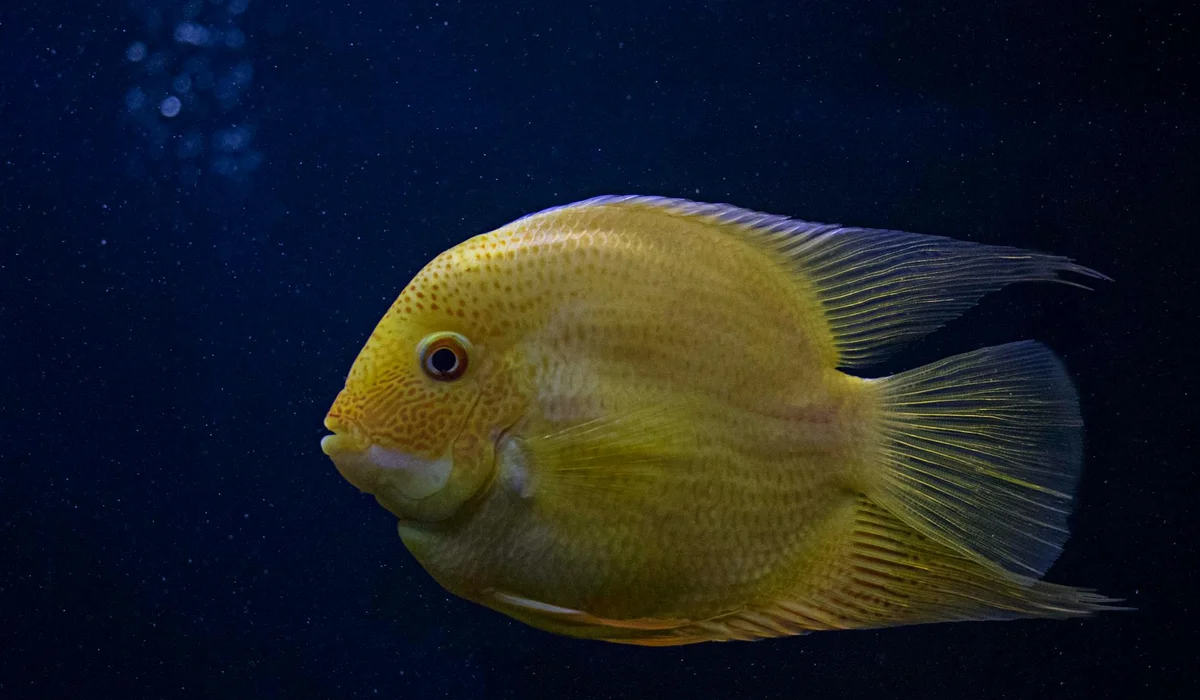
I used to think logging tank details was overkill, until my notes helped me solve a recurring algae problem. Now, my logbook is my most valuable tool. Keeping a simple log transforms guesswork into confident, data-driven fishkeeping.
-
What to Log
Jot down your water test results for ammonia, nitrite, nitrate, pH, and GH/KH. Regularly testing and monitoring these essential water quality parameters helps you keep the tank safe and stable. Record the dates of every water change, filter cleaning, and equipment purchase. Most importantly, write brief fish observations—their appetite, activity level, and any unusual markings or behaviors. This creates a complete health history for your tank that is invaluable for troubleshooting.
-
Tracking Tools: From Charts to Apps
A simple notebook works perfectly. I use a two-page monthly calendar spread, scribbling notes in each day’s box. If you prefer digital, apps like Aquarimate or a basic spreadsheet are fantastic for spotting trends. You can even take a photo of your test strip next to your phone for a visual log. The best method is the one you’ll actually use consistently.
-
How Records Help You
Your logbook helps you spot problems early. You might notice your nitrate levels creep up a week before algae appears, giving you time to adjust your feeding. It also helps you plan, reminding you when it’s time to replace filter media or that your lights are nearing the end of their lifespan. Reviewing your records from three months ago can reveal patterns that are impossible to see day-to-day.
FAQs
How often should I test water parameters each month?
Test key parameters like ammonia, nitrite, nitrate, and pH at least once a week to monitor stability. For a thorough monthly review, perform a full test to track trends and catch any gradual changes. This routine helps prevent issues before they affect fish health. Learn how to test your aquarium water properly in our step-by-step guide.
What is a typical monthly water change schedule?
Aim for a 20-25% water change every two to four weeks, adjusting based on tank size and bioload. Increase frequency if nitrate levels rise above 20 ppm to maintain water quality. Always use dechlorinated water matched to your tank’s temperature to avoid stressing the fish.
How should I clean the filter during monthly maintenance?
Gently rinse filter media in a bucket of old tank water to preserve beneficial bacteria. Avoid using tap water, as chlorine can harm the bacterial colony. Inspect and clean the impeller if needed to ensure proper water flow and efficiency. Learn how to clean a fish tank without removing the fish for a stress-free maintenance routine.
How can I minimize disruption to the tank during monthly maintenance?
Schedule maintenance during daylight hours when fish are naturally more active. Move slowly and avoid loud noises to reduce stress on the inhabitants. Prepare all tools and supplies in advance to streamline the process and limit the time the tank is open. For beginners, a regular maintenance routine is essential to prevent common fish diseases. This beginner’s guide outlines basic tank maintenance and disease prevention steps.
Your Year-Round Aquarium Success
Consistency is your greatest tool for a healthy tank, so stick to a regular maintenance schedule and always observe your fish for subtle changes in behavior. Adjust your care with the seasons, paying close attention to water temperature and feeding habits to keep your aquatic ecosystem in perfect balance. For a stable water environment, consult our complete guide to aquarium temperature control, which covers monitoring, heating, and cooling. Establish a routine that minimizes temperature swings to support overall tank health.
Being a great fish keeper means committing to the well-being of your pets and embracing the hobby as a continuous learning experience. Stay curious, connect with fellow aquarists, and enjoy the rewarding journey of creating a beautiful, thriving underwater world in your own home.
Further Reading & Sources
- Daily, weekly and monthly tasks of a fish tank maintenance
- Aquarium Maintenance Checklist: What to Do Daily, Weekly, & Monthly
- Daily, Weekly, Monthly Aquarium Care – ONEdersave blog | EcoBio-Block Makes Cloudy Water Clear and Healthy
- Starting A New Aquarium – What to Expect In The First 60 Days
- What maintenance should be done daily weekly and monthly in aquarium? – The Environmental Literacy Council
Lia is an expert in aquarium and pet fish care. Having worked in the marine industry and having cared for multiple pet fish, she has acquired first hand expertise on aquarium care, maintenance and setup. She always brings her practical expertise and science to help solve any aquarium related queries.
Regular Cleaning