
Your Crystal Clear Water & Thriving Fish Start Here: The Beginner’s Guide to Water Parameters
Published on: November 28, 2025 | Last Updated: November 28, 2025
Written By: Lia Annick
Hello fellow aquarists! If you’ve ever stared at a cloudy tank or worried about a lethargic fish, you’ve already felt the importance of water quality. Getting a handle on your aquarium’s chemistry is the single most impactful skill you can learn for a thriving underwater world.
This guide will walk you through everything you need to know, focusing on:
The Nitrogen Cycle and why it’s your tank’s best friend
Mastering the test kits for ammonia, nitrite, and nitrate
Balancing pH, GH, and KH for your specific fish
Simple routines for stable, pristine water
I’ve spent years running high-tech planted tanks and breeding sensitive fish, learning these lessons firsthand.
What Are Aquarium Water Parameters and Why Do They Matter?
Defining Water Parameters in Simple Terms
Think of water parameters as your aquarium’s vital signs, the invisible recipe that keeps your fish alive and thriving. They are measurable levels of different chemicals and gases dissolved in your tank’s water. You are not just keeping fish; you are managing a tiny, enclosed ecosystem where every element counts. It’s the difference between a crystal-clear, healthy habitat and a cloudy, stressful environment. Regular testing helps you maintain proper water parameters in your aquarium and catch problems early. It also lets you tailor water changes, dosing, and filtration to keep conditions stable.
The Role of Water Quality in Fish Health
Poor water quality is the silent killer in most home aquariums. My feisty betta, Captain Fin, immediately loses his vibrant shimmer if the water is off. Fish live in this water, breathe it through their gills, and release their waste into it. Consistently poor parameters act like a constant, low-grade poison, stressing fish and making them vulnerable to disease. To improve water quality in your aquarium, test regularly and perform partial water changes. A reliable filter and mindful feeding help keep the tank stable. Good water quality, on the other hand, supports strong immune systems, brilliant colors, and natural, active behaviors like Goldie’s constant foraging.
Essential Water Parameters Every Beginner Should Test
Ammonia, Nitrite, and Nitrate: The Nitrogen Cycle Basics
This is the most critical process to understand. Fish waste and leftover food break down into toxic ammonia. Beneficial bacteria then convert that ammonia into nitrite, which is also highly toxic. A second group of bacteria converts the nitrite into nitrate, which is far less harmful. Your primary goal is always to have zero ammonia and zero nitrite in an established tank. Nitrate is managed through regular water changes. I test for these three every single week without fail.
- Ammonia: Highly toxic. Burns fish gills and fins. Must be 0 ppm (parts per million).
- Nitrite: Extremely toxic. Prevents blood from carrying oxygen. Must be 0 ppm.
- Nitrate: The final product. Keep it below 20 ppm for most fish with weekly water changes.
pH, KH, and GH: Understanding Acidity and Hardness
These three work together to define your water’s “personality.” pH tells you if your water is acidic or basic. KH (Carbonate Hardness) is your pH’s stability guard-it prevents sudden, dangerous pH swings. GH (General Hardness) measures dissolved minerals like calcium and magnesium. Stable, correct parameters are always more important than chasing a “perfect” number that swings wildly. My corydoras, Shadow, needs softer, slightly acidic water to thrive, which I achieve with natural Indian Almond Leaves.
- pH Scale: Ranges from 0 (acidic) to 14 (basic). 7.0 is neutral. Most tropical fish prefer 6.5-7.5.
- KH: Aim for 4-8 dKH for most community tanks. This provides a good buffer.
- GH: A range of 4-8 dGH is suitable for many common freshwater species.
Temperature and Oxygenation: Keeping Conditions Comfortable
These are the physical comfort parameters. Temperature affects fish metabolism, immune function, and oxygen levels. An adjustable heater is non-negotiable for tropical fish. Oxygen dissolves into the water at the surface, so surface agitation from your filter is key. The gentle hum of your filter and the shimmer of surface ripples are signs of a well-oxygenated tank. Goldfish, however, are cooler-water fish and do not need a heater, which is why they shouldn’t be housed with tropical species like bettas.
- Temperature: Most tropical fish need 75-80°F (24-27°C). Research your specific species.
- Oxygenation: Ensure your filter output disturbs the water’s surface. Live plants also release oxygen during the day.
How to Test Your Aquarium Water Like a Pro
Getting your water testing routine down is like learning to listen to your tank’s quiet whispers before they become shouts. Regular testing lets you catch small changes in water chemistry before they stress your fish, keeping everyone from Captain Fin to Shadow swimming happily. The clarity of the water and the vibrant shimmer of scales all depend on those unseen numbers.
Choosing Between Test Kits and Test Strips
You’ll mainly find two types of testers: liquid reagent kits and dry test strips. Liquid test kits, while taking a bit more time, give you precise, reliable numbers that are crucial for spotting subtle trends in ammonia or pH. I always use them for my betta Captain Fin’s tank because his feisty nature means he’s sensitive to even minor water quality shifts.
Test strips are super fast and convenient for a quick check. However, they can be less accurate over time, especially if the bottle isn’t sealed tightly, which is a risk I don’t take with my social goldfish Goldie’s high-waste environment. For a beginner, a good liquid master kit might cost more upfront but saves money and worry in the long run.
- Liquid Test Kits: Higher accuracy, better for tracking nitrate creep, reusable components.
- Test Strips: Faster results, great for quick peace-of-mind checks, more affordable initially.
Step-by-Step Guide to Accurate Testing
Accuracy is everything, and a consistent method prevents errors. Always start by rinsing your test tubes with tap water, then give them a quick rinse with the aquarium water you’re about to test to avoid contamination. To keep readings reliable, I follow a proper step-by-step guide to testing aquarium water. I do this religiously when checking the water for Shadow, my shy corydoras, as any residue could throw off the results he depends on.
- Collect a water sample from the middle of your tank, away from the filter output or substrate.
- Follow the kit instructions exactly-count drops carefully and time the reactions to the second.
- Hold the tube against the white part of the card in good light to compare colors without shadows distorting your view.
- Record the results in a logbook or an app immediately; your memory will trick you later.
Never shake the nitrate test bottle vigorously; gentle inversions prevent tiny bubbles that can alter the color reading. This little hack has saved me from false alarms more than once.
How Often to Test for Stability
Testing frequency depends heavily on your tank’s age and bioload. In a newly set-up aquarium, test for ammonia and nitrite every single day to monitor the nitrogen cycle’s progress until both read zero. That daily ritual helped me ensure Goldie’s tank was safe during its first month.
Once your tank is mature and stable, a weekly check of pH, ammonia, nitrite, and nitrate is usually sufficient. If you add new fish or notice unusual behavior, like Captain Fin being less responsive, test immediately to rule out water quality issues. These checks cover the essential parameters used to monitor fish tank water quality. Regular testing helps keep the tank stable. For heavily stocked tanks or species with specific needs, like goldfish, I sometimes test twice a week to stay ahead of any problems.
- New Tanks (First 4-6 weeks): Test ammonia, nitrite daily; nitrate, pH weekly.
- Established Tanks: Test all key parameters weekly; after water changes, test within 24 hours.
- High-Stock Tanks: Consider testing 2-3 times weekly, especially for nitrate buildup.
Keeping a simple log helps you spot patterns, like a slow pH drift, that one-off tests might miss. I’ve caught several issues early just by glancing at my notes from previous weeks.
Simple Steps to Maintain Ideal Water Parameters
Keeping your water pristine isn’t as hard as it seems. It just needs a simple, consistent routine. A stable, predictable environment is far healthier for your fish than one where parameters swing wildly from “perfect” to “poor.”
Regular Water Changes and Using Dechlorinator
Think of a water change like taking out the trash. You remove waste and replenish essential minerals. I do a 25% change every single week in my community tank.
- Prepare your new water in a clean bucket 30 minutes before you start. This lets it reach room temperature.
- Add a high-quality water conditioner. Never, ever skip the dechlorinator-it instantly neutralizes chlorine and chloramines that will kill your beneficial bacteria and burn your fish’s gills.
- Use a gravel vacuum to siphon water out from the substrate. This sucks up fish waste and uneaten food hiding in the gravel.
- Gently pour the new, treated water back into the tank.
That weekly ritual is the single most effective thing you can do for long-term fish health.
Supporting Your Biofilter and Filtration System
Your filter is the heart and lungs of your aquarium. Inside that box or sponge lives your biofilter-a colony of beneficial bacteria that keeps the water safe.
- Never replace all your filter media at once. You’ll throw away your entire bacterial colony. Instead, rinse sponges in the old tank water you siphon out during a water change.
- If the flow from your filter slows to a trickle, that’s your cue to give the media a gentle rinse. The goal is to clean the filter, not sterilize it; you want to preserve the invisible workforce living inside.
- Add a pre-filter sponge to the intake tube of hang-on-back filters. This protects small fish like Shadow the Corydoras and makes cleaning so much easier.
I also like to add a bag of Seachem Purigen to my filter. It keeps the water crystal-clear between changes by removing dissolved organic waste before it can break down.
Adjusting Parameters Safely
If your tests show a parameter is off, the worst thing you can do is make a huge, rapid correction. Fish are incredibly sensitive to sudden change.
To Lower pH Naturally:
- Add Indian Almond Leaves or Alder Cones. They release tannins that gently acidify the water and have antibacterial properties.
- Use reverse osmosis (RO) water mixed with your tap water during changes. This gives you more control over the mineral content.
To Raise pH and Hardness:
- Add a small bag of crushed coral to your filter. It slowly dissolves, releasing calcium carbonate that buffers the pH. Always adjust your water’s chemistry gradually over several days, not in one dramatic swoop.
For a sudden ammonia spike, use a water conditioner that detoxifies it, like Seachem Prime. This gives your biofilter a 24-48 hour window to catch up without harming your fish. Ammonia spikes are usually caused by a disrupted nitrogen cycle, overfeeding, or overcrowding. To learn more about the causes of ammonia spikes, test the water and adjust feeding and stocking levels.
Tools and Supplies for Easy Parameter Management
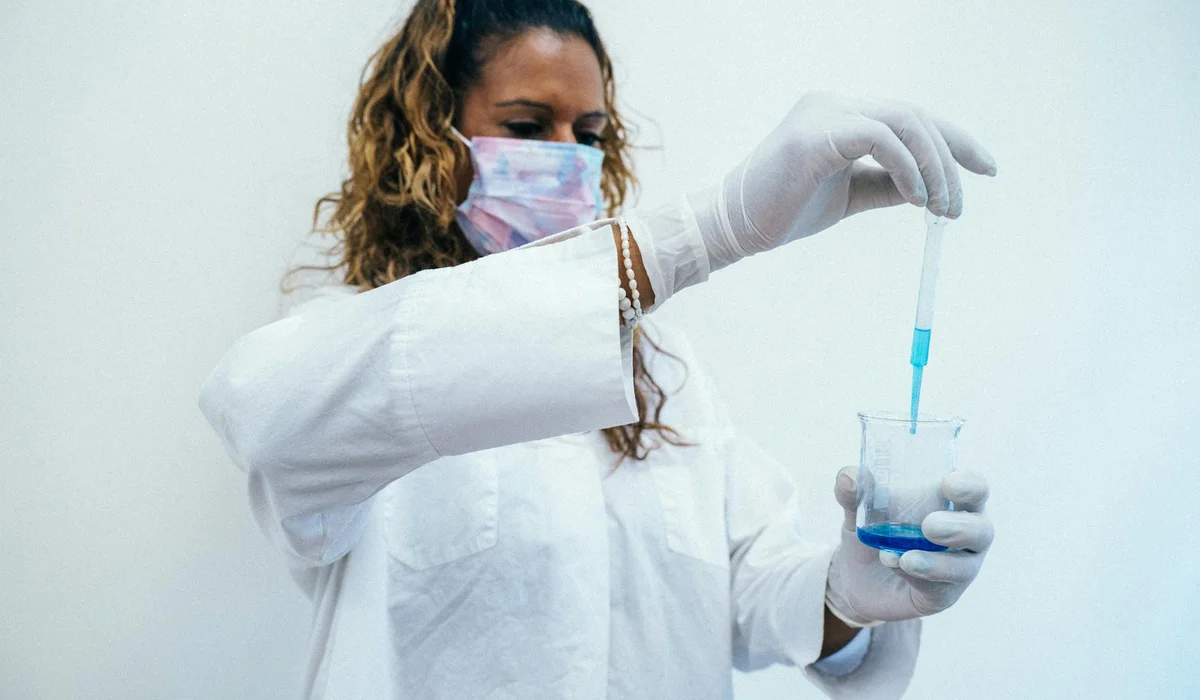
Keeping your aquarium water in check doesn’t have to feel like a science project if you have the right gear on hand. Having a dedicated toolkit turns guesswork into confident, proactive care for your fish. I always keep my testing supplies in a small box near the tank so I can do quick checks without any hassle. Essential aquarium water testing kits and how to use them are a must for any fish enthusiast.
Must-Have Test Kits and Monitors
Start with a liquid master test kit that covers ammonia, nitrite, nitrate, and pH. Liquid test kits provide the accuracy you need to catch subtle changes before they become emergencies. I rely on mine weekly because it picks up on trace ammonia that strips often miss.
Test strips are great for a fast overview between detailed liquid tests. Use strips for a quick pH or hardness check when you’re short on time but want peace of mind. They’re not as precise, so I save them for routine spot-checks rather than full diagnostics.
Digital monitors like pH pens or continuous TDS meters offer real-time data. Investing in a digital pH monitor lets you see shifts instantly, which is a game-changer for sensitive species. I’ve found that calibrating them monthly keeps readings trustworthy and consistent.
- Liquid test kits: Best for ammonia, nitrite, nitrate, and pH accuracy.
- Test strips: Ideal for rapid checks on general hardness and alkalinity.
- Digital monitors: Perfect for stable pH and temperature tracking over time.
Using Charts and Spreadsheets to Track Progress
Logging your test results helps you spot patterns that single tests can’t reveal. A simple chart or spreadsheet makes it easy to see how water changes affect nitrate levels over weeks. I started with a notebook and now use a free app that graphs my data automatically.
Create a basic table with columns for date, ammonia, nitrite, nitrate, pH, and temperature. Recording parameters after every water change builds a history that predicts future issues. This habit showed me how my tank’s pH drops slowly, so I now buffer it preemptively.
- Choose your tool: Use a paper log, digital spreadsheet, or aquarium-specific app.
- Enter data weekly: Note down key parameters and any tank changes.
- Review trends monthly: Look for gradual shifts to adjust maintenance routines.
Digital spreadsheets allow you to set alerts for unsafe levels. Setting up conditional formatting in a spreadsheet highlights dangerous ammonia spikes in red, so you act fast. I color-code my entries, which makes skimming for problems effortless during busy days.
Troubleshooting Common Water Parameter Problems
Even with careful planning, your aquarium can hit rough patches where water parameters go haywire. Spotting these issues early with regular testing is your best defense against stress for fish like Captain Fin or Shadow. In this guide, you’ll follow the ultimate aquarium problem solver—a step-by-step diagnostic checklist. It’s your go-to routine whenever trouble strikes. Let’s walk through some common headaches and how to tackle them head-on.
Dealing with Ammonia or Nitrite Spikes
Ammonia and nitrite spikes often strike new tanks or after a big change, like adding too many fish at once. I once saw Captain Fin’s vibrant colors fade during a nitrite spike because I got overeager with feeding. These toxins can cause fish to gasp at the surface or act lethargic, so act fast if your test kit reads above 0 ppm.
Start by performing a 25-50% water change immediately to dilute the toxins. Use a water conditioner that neutralizes ammonia and nitrite, and vacuum the substrate to remove uneaten food or waste. Reduce feeding to once every other day until levels stabilize, and consider adding beneficial bacteria supplements to boost your filter’s biological filtration.
- Test water daily with a liquid test kit for accuracy.
- Avoid overstocking; for example, Goldie needs at least 20 gallons per goldfish to prevent waste buildup.
- Quarantine new plants or decorations that might introduce contaminants.
Fixing pH Swings and Water Hardness Issues
pH swings can stress fish quickly, especially for species like Goldie who thrive in stable conditions around 7.2 pH. Sudden changes in pH often trace back to tap water variations or decaying organic matter in the tank. If your pH bounces between 6.0 and 8.0, it’s time to investigate sources like driftwood leaching tannins or limestone raising hardness.
To gently adjust pH, I’ve had success using crushed coral in the filter for a gradual increase or adding almond leaves for a natural drop. Always make slow adjustments over days to avoid shocking your fish – aim for shifts of no more than 0.2 pH units per day. Regular testing and cautious, incremental changes are essential to safely adjust pH levels in your fish tank. Keep track of readings to avoid overcorrection. For water hardness, test your GH and KH; if it’s too low, adding a buffer like baking soda (sparingly) can help stabilize it.
- Test your tap water’s pH and hardness before each water change.
- Use inert substrates like sand if you need neutral water conditions.
- Monitor fish behavior; Shadow, for instance, may hide more if pH swings abruptly.
When to Seek Help for Persistent Issues
If you’ve tried water changes and adjustments but problems like ammonia spikes or pH instability keep returning, it might be time to call in backup. Persistent issues often signal a deeper imbalance, like a compromised filter or unseen contamination. I reached out to a local fish club when Shadow’s tank had recurring nitrite levels, and they spotted a clogged filter media I’d overlooked.
Don’t hesitate to consult online forums dedicated to your fish species or visit a trusted aquarium store. Seek professional advice if fish show prolonged symptoms like clamped fins or loss of appetite, as these could indicate underlying diseases. During quarantine, watch for the same signs of illness during quarantine and act quickly if they appear. This helps prevent outbreaks. Remember, asking for help is a smart step that saves time and prevents heartache.
- Join aquarium groups on social media for real-time tips from experienced keepers.
- Document your water parameters and changes in a log to share with experts.
- Consider a water test from a professional lab if home kits give confusing results.
Common Questions
Is there an aquarium water parameters calculator?
Yes, online calculators can help you determine the correct dosage for water conditioners or pH-adjusting chemicals. They are useful tools for avoiding guesswork and preventing accidental overdosing. However, always double-check the calculations and follow the product instructions for the safest results.
What is an aquarium water parameters monitor?
An aquarium water monitor is a device that provides continuous, real-time readings of specific parameters. Digital monitors can track things like pH and temperature, alerting you instantly to dangerous swings. While more expensive than test kits, they offer unparalleled convenience for maintaining stability.
What is the difference between a freshwater and tropical aquarium water parameters chart?
A freshwater chart provides general ranges for all freshwater fish, while a tropical chart specifies the warmer, softer water conditions typical of species from tropical regions. Many common community fish are tropical, so their chart is often a subset of the broader freshwater guidelines. Always cross-reference any chart with the specific needs of the fish you keep.
Where can I find an aquarium water parameters PDF or spreadsheet?
Many aquarium websites, forums, and hobbyist blogs offer free downloadable PDF charts and pre-made spreadsheets. These resources are excellent for creating a personal log to track your test results over time. Using a digital spreadsheet allows you to easily spot trends and set alerts for unsafe parameter levels.
Your Journey to a Healthy Aquarium
Focus on consistent testing and small, frequent water changes to maintain stable pH, temperature, and low nitrate levels. This routine prevents fish stress and supports a balanced, clear-water environment.
Caring for your fish means committing to their well-being through ongoing education and attentive maintenance. Embrace the learning process, connect with fellow hobbyists, and watch your aquatic community flourish.
Further Reading & Sources
- Proper Water Parameters for Home Aquariums
- What are the Key Aquarium Parameters for Marine Tanks? | Hanna Instruments UK
- Is there a chart/table with all water parameters and their explanation? – General Chat – Aquarium Co-Op Forum
- PH KH GH and TDS: How to get the ideal water parameters for planted tank? – The 2Hr Aquarist
- Freshwater Aquarium Water Parameters | Aquarium Water Forum
Lia is an expert in aquarium and pet fish care. Having worked in the marine industry and having cared for multiple pet fish, she has acquired first hand expertise on aquarium care, maintenance and setup. She always brings her practical expertise and science to help solve any aquarium related queries.
Water Quality