
The Ultimate Aquarium Problem Solver: A Step-by-Step Diagnostic Checklist
Published on: December 8, 2025 | Last Updated: December 8, 2025
Written By: Lia Annick
Hello fellow fish keepers! That moment when your crystal-clear water turns hazy or your usually active fish hides in the corner can send any aquarist into a panic. I’ve been in your shoes, and this guide is designed to replace that worry with a clear, actionable plan.
We will walk through a simple diagnostic process that zeroes in on the root cause of common tank troubles. This checklist covers:
- Water quality assessment: Quickly identifying imbalances in ammonia, nitrite, nitrate, and pH.
- Fish health and behavior evaluation: Spotting subtle signs of stress, disease, or incompatibility.
- Equipment functionality checks: Verifying that filters, heaters, and lights are operating correctly.
- Maintenance routine review: Establishing habits that prevent issues from arising in the first place.
My advice comes from over ten years of maintaining high-tech planted aquariums and successfully breeding species like bettas and corydoras, so you’re learning from real experience.
Start Here: How to Use This Aquarium Problem Solver
Think of this checklist as a routine check-up for your aquarium, much like a doctor’s visit where we start with the basics before digging deeper. Following these steps methodically helps you pinpoint issues without feeling overwhelmed, turning chaos into clarity. Use this as an aquarium equipment failure checklist to diagnose issues before replacing parts.
- Key tools you’ll need: a reliable liquid test kit for ammonia, nitrite, nitrate, and pH; a accurate thermometer; and a notebook to jot down observations like fish behavior or water changes.
Always begin by testing your water quality first, since it’s the foundation of everything in your tank. Ignoring water parameters is like trying to fix a car without checking the engine – it rarely ends well. Regular tests for essential parameters – pH, ammonia, nitrite, nitrate, and temperature – help you monitor the health of your tank. Using a reliable test monitor to track these values keeps your fish and plants thriving.
Diagnosing Water Quality Woes
Testing Key Water Parameters
- Gather your test kits and thermometer, ensuring they’re clean and calibrated for accurate readings.
- Test ammonia first, as it’s the most toxic; aim for 0 ppm in both freshwater and saltwater tanks.
- Check nitrite levels next-anything above 0 ppm signals trouble, especially in new setups.
- Move on to nitrate; keep it under 20 ppm for freshwater and below 10 ppm for saltwater to avoid algae blooms.
- Measure pH, targeting 6.5-7.5 for freshwater or 8.1-8.4 for saltwater, and note any sudden swings.
- Finally, verify temperature stays within 72-82°F for freshwater or 75-82°F for saltwater, using your thermometer.
Interpreting your results is straightforward with a quick reference table. This table gives you a snapshot of where your tank stands, so you can act fast if something’s off.
| Parameter | Freshwater Ideal | Saltwater Ideal |
|---|---|---|
| Ammonia | 0 ppm | 0 ppm |
| Nitrite | 0 ppm | 0 ppm |
| Nitrate | <20 ppm | <10 ppm |
| pH | 6.5-7.5 | 8.1-8.4 |
| Temperature | 72-82°F | 75-82°F |
For new tanks, test daily to catch early imbalances; established tanks only need weekly checks. Regular monitoring lets you spot trends before they become emergencies, saving you time and stress.
Fixing Common Water Issues
- High ammonia: Often caused by overfeeding or a dead fish unseen in the decor. Fix it with a 25% water change, reduce feeding to once daily, and add beneficial bacteria from a supplement.
- Nitrite spikes: Usually from an immature filter or overstocking. Do a 30% water change, ensure your filter is running smoothly, and avoid adding new fish until levels stabilize.
- pH swings: Can stem from tap water changes or certain rocks. Adjust gradually using pH buffers or natural methods like adding driftwood, and test your tap water first to avoid surprises.
- Low oxygen: Signs include fish gasping at the surface, often due to poor surface agitation. Increase aeration by pointing filter output upward or adding an air stone, and clean any clogged equipment.
Step-by-step fixes start with a partial water change of 20-30%, then retest after a few hours. I always follow up with a filter check-a clean, humming filter is your best ally in restoring balance.
Watch for signs of improvement like fish becoming more active or water clarity returning within a day. That shimmer of scales and the lively darting around plants are your rewards for patient troubleshooting.
Spotting and Solving Fish Health Problems

Common Fish Diseases and Symptoms
Your fish can’t tell you they feel sick, but their bodies and behavior shout it. I’ve learned to spot the subtle shifts that signal trouble. Early detection is your single best weapon.
Ich looks like someone sprinkled salt or tiny white crystals across your fish’s fins and body. You’ll also see them flashing, which means they rub against decorations or gravel to scratch the itch.
Fin rot makes a fish’s beautiful fins look tattered, frayed, or like they are melting away. The edges may turn white, black, or blood-red. This is almost always a direct sign of poor water quality stressing your fish out.
Swim bladder issues cause a fish to swim oddly. They might float head-down, tail-up, struggle to stay off the bottom, or even swim upside-down. This one can stem from overfeeding, constipation, or an internal infection.
| Symptom | Possible Illness |
|---|---|
| Small white spots like salt grains | Ich (White Spot Disease) |
| Clamped fins (held close to body) | Stress or Parasites |
| Frayed, discolored fins | Fin Rot |
| Labored breathing, gasping at surface | Poor Oxygen or Gill Flukes |
| Loss of appetite, lethargy | Internal Infection or Water Quality |
You should move a sick fish to a quarantine tank the moment you spot something contagious like white spots, open sores, or unexplained rapid breathing. Isolating a sick fish protects your entire community and makes targeted treatment much easier. A simple 5 or 10-gallon tank with a spare filter and heater works perfectly. Make sure the quarantine setup uses its own filter and heater. For the necessary equipment for a quarantine tank, keep separate nets and siphons to prevent cross-contamination with the main tank.
Step-by-Step Disease Diagnosis
-
Observe Behavior First. Spend five minutes just watching. Is a normally active fish now hiding? Is a social fish suddenly aggressive? Are they eating? Behavior is the very first clue something is wrong.
-
Test Your Water Immediately. This is non-negotiable. Check for ammonia, nitrite, nitrate, and pH. I can’t count how many “sick fish” I’ve fixed just by doing a large water change to correct a hidden ammonia spike.
-
Look for Physical Signs. Get up close. Look for fuzzy patches, red streaks, bloating, or protruding scales. Compare the sick fish to your healthy ones-the differences will become obvious.
-
Decide on a Treatment Plan. Match the symptoms to the likely cause. Start with the gentlest option first. For many fungal or external bacterial issues, a simple aquarium salt bath can work wonders without harsh chemicals.
To make a salt bath, dissolve one tablespoon of pure aquarium salt per gallon of dechlorinated water in a separate container. Never pour salt directly into your main tank, as many plants and scaleless fish like corydoras are very sensitive to it. Used judiciously, aquarium salt can support freshwater health by helping osmoregulation and stress resilience. Always monitor and adjust usage, as long-term or inappropriate application can harm sensitive species. Let your fish swim in this bath for 5-10 minutes, closely watching for stress, before returning it to its tank.
For internal problems, I’ve had great success with medicated food. You can soak a high-quality pellet in a medication like Seachem MetroPlex and Focus, which binds the medicine to the food. This gets the treatment directly inside the fish where it’s needed.
No medicine in the world will work if your fish is swimming in toxic water. Consistent, small water changes are the best medicine you can provide. They reduce stress, remove disease-causing organisms, and give your fish a clean environment to heal. I aim for a 25% change every time I treat a sick fish.
Battling Algae and Cloudy Water
That moment you peer into your tank and can’t see your fish is always a heart-sinker. Is it a green fog, a milky haze, or a dusty brown film? Each type tells a different story about your tank’s balance.
Causes of Algae Blooms and Cloudiness
Algae and cloudiness are not problems themselves, but symptoms of an imbalance. Think of them as your aquarium’s way of waving a red flag and asking for a slight tune-up. Here’s how to decode the message.
- Excess Light: Leaving your aquarium light on for more than 8-10 hours a day, or placing the tank in direct sunlight, is like serving an all-you-can-eat buffet for algae. Green water and green spot algae thrive under these conditions.
- Overfeeding: Uneaten food and excess fish waste decompose, releasing a flood of phosphates and nitrates into the water. This nutrient overload fuels both green water algae and dusty brown diatoms, common in newer tanks.
- Nutrient Imbalances: An imbalance between nutrients like nitrates and phosphates can trigger specific algae types. High phosphates often lead to green water, while high silicates in new setups cause brown diatom algae.
- Bacterial Blooms: A milky white cloudiness is usually a bacterial bloom. This often happens in a new tank that’s still cycling, or in an established one after a deep clean that disturbs the beneficial bacteria in your filter or substrate.
Clear Water Solutions
Getting back to that crystal-clear view is a satisfying process. Follow these steps methodically, and you’ll see results.
-
Test Your Water Immediately
Before you do anything else, test for ammonia, nitrite, nitrate, and phosphate. This tells you if you’re dealing with a water chemistry emergency or just a simple imbalance. High ammonia or nitrite points to a cycling issue, while high nitrate and phosphate point to overfeeding.
-
Clean Your Filter Media Correctly
Never replace all your filter media at once or rinse it with tap water. The chlorine will kill your vital beneficial bacteria. Instead, gently swish the media in a bucket of water you’ve removed from the tank during a water change. This preserves the bacteria while removing physical gunk.
-
Perform a Series of Water Changes
For a bacterial bloom or green water, perform a 25-30% water change every other day for a week. This physically removes the floating algae and bacteria while diluting the nutrients that feed them. Use a gravel vacuum to suck up waste from the substrate.
-
Consider a UV Sterilizer for Stubborn Cases
If green water just won’t quit after adjusting light and nutrients, a UV sterilizer is a fantastic investment. As water passes through the unit, UV light neutralizes free-floating algae cells, clearing the water within days. In aquariums, this makes UV sterilizers for algae control a trusted algae-control tool. They work best when used as part of a broader algae-management routine.
For direct algae removal, a multi-pronged attack works best.
- Manual Removal: For algae on glass and decorations, use an algae scraper or a clean, brand-new toothbrush. For my tank, I find a quick glass scrape during each weekly water change keeps things spotless.
- Employ a Clean-Up Crew: Algae-eating fish and invertebrates can be huge helpers. My Corydoras, Shadow, keeps the bottom tidy, while nerite snails are fantastic for scraping algae off hardscape without reproducing in fresh water.
- Balance Nutrients with Live Plants: Fast-growing live plants like hornwort or water wisteria are your best defense. They out-compete algae for nutrients, naturally starving it out. A heavily planted tank is often a clear tank.
The ultimate prevention is a consistent maintenance routine that includes weekly water changes, careful feeding, and managing your photoperiod with a simple timer. Keeping the ecosystem in balance is the real secret to a perpetually pristine aquarium. Regular aquarium cleaning—siphoning the substrate, cleaning filter media, and wiping down the glass—helps keep detritus and algae in check. When paired with consistent water changes, it supports a stable, healthy environment for your aquatic life.
Equipment Check: Filtration, Heaters, and Air Pumps
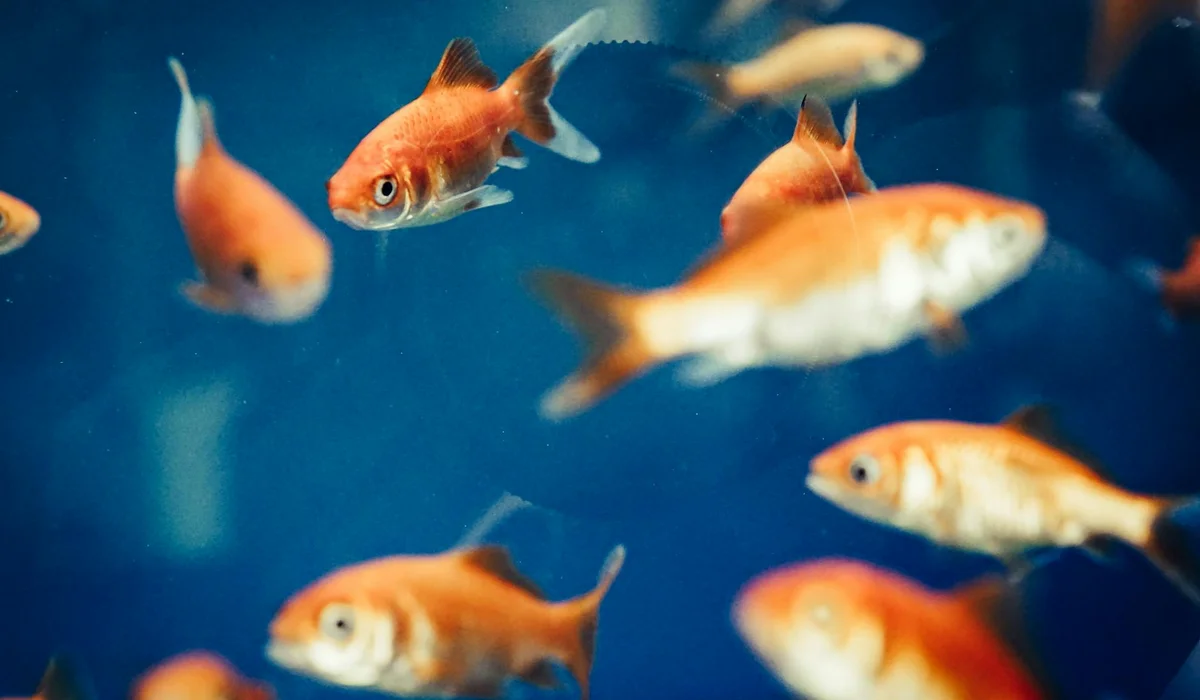
When your aquarium isn’t behaving, your equipment is the first place to look. I’ve learned that a seemingly small issue, like a faint hum from the filter, can be the early warning sign you need to prevent a full-blown tank crisis.
Troubleshooting Filter Problems
Your filter is the heart of your tank, and when its flow weakens or it starts making strange noises, it’s crying out for help. A healthy filter should have a steady, strong output that creates gentle surface movement.
- For low flow or noise, first unplug the unit and check the impeller. This magnetic spinny part can get jammed with plant debris or even a curious baby snail. A quick clean with an old toothbrush often solves the problem instantly.
- If media is clogged, never clean all of it at once in tap water. The chlorine will wipe out your beneficial bacteria. Instead, swish a portion of the filter media in a bucket of water you’ve removed from the tank during a water change.
- To check for proper circulation, watch how debris moves. Waste should travel from one end of the tank toward the filter intake. You want to see that shimmering surface ripple, which is crucial for gas exchange.
Heater and Air Pump Diagnostics
Temperature and oxygen are non-negotiable for fish health. I test my heater and air pump every single week without fail; it’s a five-minute habit that has saved my fish more than once.
- Always verify your heater’s setting with a separate, reliable aquarium thermometer. I keep a glass one stuck to the outside and a digital one as a backup. Look for any hairline cracks in the glass or a stuck “on” light, which means it’s overheating.
- For a silent air pump or weak bubbles, start by inspecting the airline tubing for kinks. Check the check valve is facing the right direction (arrow pointing toward the tank). If the airstone is old, soak it in a hydrogen peroxide solution to clear the pores.
- My number one rule is to have a backup heater and air pump ready for emergencies. Equipment always fails at the worst possible moment, like during a winter cold snap. A spare can be the difference between a minor hiccup and a total tragedy.
Understanding Fish Behavior Issues
What Strange Behaviors Mean
Your fish are talking to you, not with words, but with their actions. Learning this language is your first step to a happier tank. I’ve spent countless hours watching my own crew, and their behavior is the most honest water test you can get.
When Captain Fin, my Crowntail Betta, starts pacing the front glass non-stop, it’s not always a greeting. This ‘glass surfing’ often signals stress from seeing his reflection, a tank that’s too small, or water parameters that are just slightly off. For a territorial fish like a betta, it can feel like a constant, unwelcome visitor is at the door.
- Constant Hiding: If Shadow, my Corydoras, never comes out from behind the filter, he’s telling you he feels exposed. This is common for bottom dwellers and can be caused by bright lighting, a lack of caves or plants, or bullying from more active tank mates.
- Gasping at the Surface: Seeing Goldie, my Oranda, hanging at the top and gulping air is a major red flag. This usually means low oxygen levels, often from a dirty filter or high water temperature, but it can also point to ammonia or nitrite poisoning damaging their gills.
- Clamped Fins: When a fish holds its fins tight against its body instead of flowing freely, it’s like a person hunching their shoulders. It’s a universal sign of discomfort, often from chillier water temperatures or the early stages of a parasitic infection.
- Chasing or Nipping: This is a clear sign of aggression or incompatibility. Some fish are just bullies, while others, like many tetra species, may chase if their school is too small, making them anxious and territorial.
Calming Your Fishy Friends
Once you’ve decoded the behavior, you can take action. Fish stress is a downward spiral, but you can absolutely reverse it with a calm, methodical approach.
- Audit Your Aquascape. Look at your tank from a fish’s perspective. Add more tall plants, a piece of driftwood, or a ceramic cave to break up sightlines and create secure hiding spots. I saw a huge change in Shadow’s confidence after I added a simple cluster of Java Fern; he felt safe enough to explore during the day.
- Test and Stabilize Your Water. This is non-negotiable. Sudden shifts are a primary stressor. Ensure your ammonia and nitrite are always at 0 ppm, and keep your pH and temperature consistent. A stable, clean environment is the best anti-anxiety medicine you can offer your aquatic pets.
- Verify Schooling Numbers. Social fish like tetras, rasboras, and Corydoras need their friends. A school of six is a good starting point; fewer than that, and they often become skittish and stressed. A proper school makes them feel safe and displays their beautiful, natural shoaling behavior.
- Rehome or Divide Aggressors. Sometimes, personalities just don’t mesh. If you have a consistently aggressive fish that is terrorizing others, the kindest solution is to set up a separate tank or use a tank divider. It’s not a failure; it’s responsible pet ownership.
- Observe and Be Patient. After making a change, don’t hover. Give your fish a day or two to adjust. Watch from a distance during feeding times. True behavioral change doesn’t happen overnight, but consistent, quiet observation will show you if you’re on the right track.
Keeping Problems at Bay: Preventive Maintenance

Regular Maintenance Schedule
A consistent routine is your best defense against aquarium emergencies. I treat my tank maintenance like a non-negotiable weekly appointment.
Sticking to a predictable schedule is far less stressful for your fish than dealing with the chaos of a full-blown tank crisis.
Your Weekly To-Do List
- Perform a 10-25% water change, using a gravel vacuum to siphon waste from the substrate.
- Test key water parameters: ammonia, nitrite, nitrate, and pH.
- Wipe down the inside glass to remove algae film.
- Check water temperature and ensure the heater is functioning correctly.
- Prune any dead or overgrown plant leaves.
Your Monthly Tasks
- Clean filter media in a bucket of old tank water to preserve beneficial bacteria. Never use tap water.
- Inspect all equipment-heaters, filters, air pumps-for signs of wear or damage.
- Test for other parameters like GH (General Hardness) and KH (Carbonate Hardness).
- Give the aquarium light a gentle wipe to remove dust and salt creep.
I keep a simple notebook log next to my tank supplies. Jotting down test results, the date of water changes, and any fish behavior notes creates a valuable history that helps you spot trends long before they become problems. Seeing a slow, steady creep in nitrate levels, for instance, tells you it’s time to adjust your maintenance routine before your fish show signs of stress.
FAQs
How to troubleshoot Hygger aquarium heater?
First, check if the heater’s LED indicator light is functioning as described in its manual. Ensure the heater is fully submerged and that its wattage is appropriate for your tank’s volume. Finally, verify the actual water temperature with a separate, reliable thermometer to confirm the heater is working correctly. If you’re still having issues, check out our troubleshooting guide for more tips.
How to troubleshoot aquarium heater?
Always start by unplugging the heater and confirming the temperature with a separate thermometer. Visually inspect the heater for any cracks, bubbles, or a constantly illuminated “on” light, which can indicate it is stuck. If the heater is not functioning, check the power outlet and ensure the unit’s thermostat is set higher than the current water temperature.
How to troubleshoot aquarium air pump?
If the air pump is silent or has weak output, first inspect the airline tubing for kinks, cuts, or blockages. Check that the check valve is installed correctly with the arrow pointing toward the tank. A clogged air stone can also reduce airflow, so try cleaning it or connecting the pump directly to an air line without the stone to test its power.
How to troubleshoot aquarium air pump no water?
An air pump is designed to move air, not water, so it should never have water inside it. If you see water in the airline tubing, it means there is a reverse siphon, which a properly installed check valve will prevent. Ensure your check valve is positioned correctly above the water line and that the air stone is not placed too deep, which can increase back-pressure.
Your Path to a Thriving Aquarium
Always begin with water testing and careful observation of your fish to pinpoint issues quickly. Following a systematic checklist ensures you address root causes, not just symptoms, for a stable tank environment.
Commit to regular maintenance and ongoing education to provide the best care for your aquatic pets. Embrace the learning process, and you’ll build a resilient ecosystem that keeps your fish healthy and happy.
Further Reading & Sources
- Diagnosing and Fixing Aquarium Water Issues
- Aquarium Health Checklist | 4 Things To Look Out For – Maryland Aquarium Design, Installation, and Maintenance
- Aquarium Maintenance Checklist – Aquarium Services of Charlotte LLC
- 5 IN 1 AQUARIUM TEST STRIPS
- Fish disease diagnostic check-list | REEF2REEF Saltwater and Reef Aquarium Forum
Lia is an expert in aquarium and pet fish care. Having worked in the marine industry and having cared for multiple pet fish, she has acquired first hand expertise on aquarium care, maintenance and setup. She always brings her practical expertise and science to help solve any aquarium related queries.
Health & Disease