
Aquarium Lighting Decoded: PAR and Spectrum Explained for Beginners
Published on: October 18, 2026 | Last Updated: October 18, 2026
Written By: Lia Annick
Hello fellow fish keepers! Staring at lighting specs and feeling lost about what your tank truly needs is a common rite of passage. Getting the light right means the difference between thriving plants, vibrant fish, and a constant battle with algae.
This guide cuts through the confusion, giving you the clear basics on: what PAR actually measures for your plants, how light spectrum changes what you see and how your fish feel, practical steps to match your light to your tank’s goals, and budget-friendly tips for measuring and adjusting your setup.
I’ve fine-tuned lighting for everything from low-tech shrimp bowls to dense planted reefs, so let’s shine a light on the details together.
Why Your Aquarium Light Is More Than Just a Glow
Imagine your aquarium light as the sunlight for your underwater garden. It does far more than let you admire Captain Fin’s iridescent scales. This light drives the very engine of life in your tank, influencing everything from plant health to fish sleep cycles.
Here are the core functions that make lighting foundational:
- Drives vigorous plant growth through photosynthesis.
- Influences stunning coral coloration and metabolism in reef setups.
- Regulates fish activity and circadian rhythms for reduced stress.
- Controls algae by balancing intensity and photoperiod.
Photosynthesis: The Engine of Your Tank
Plants and corals absorb light to create food, much like a solar panel generates power. Without the correct light spectrum and intensity, this process stalls, leading to pale leaves or coral bleaching. In my planted tank, I saw Anubias transform from sparse to lush simply by adjusting the light to better match its needs.
Fish Behavior and Health Under the Light
Fish depend on consistent light cues to maintain their natural rhythms. A regular schedule mimicking dawn and dusk prevents stress, keeping fish like my social Goldie actively foraging and exploring. Erratic lighting can make shy species like Shadow hide constantly, disrupting their feeding and comfort.
Decoding Light Spectrum: The Rainbow in Your Tank
Light spectrum is the range of colors, or wavelengths, that your light emits. Think of it as a detailed rainbow chart specific to your aquarium’s needs. Color temperature, measured in Kelvin (K), describes whether the light looks warm (yellowish) or cool (bluish), directly affecting how plants and corals respond.
You’ll encounter several main types of spectra in aquarium lighting:
- Full Spectrum: Replicates natural sunlight, excellent for general freshwater planted tanks.
- Actinic: Rich in blue wavelengths, crucial for reef tanks to enhance coral fluorescence and growth.
- Red/Blue Blends: Targeted spectra that maximize photosynthesis for dense plant carpets.
Follow these simple steps to read the spectrum details on any light packaging:
- Locate the Kelvin rating-this is your primary clue for color temperature.
- Examine the spectral output graph, usually a wavy line showing intensity across wavelengths.
- Identify peaks: high blue peaks for corals, balanced red and blue for freshwater plants.
What is Color Temperature (Kelvin)?
Kelvin (K) is a scale that tells you the visual warmth or coolness of light. Lower numbers like 3000K give a cozy, sunset glow. Higher numbers like 10,000K emit a crisp, midday sky effect. For a vibrant planted tank, I aim for 6500K to 7500K because it promotes strong growth and makes fish colors truly shimmer.
Blue Light, Red Light, and White Light: Their Unique Roles
Blue light penetrates water deeply, exciting corals and supporting zooxanthellae. Red light is a powerhouse for plant photosynthesis, encouraging leafy expansion. White light blends wavelengths for visual clarity and balance. Combining these intentionally allows you to tailor the environment for specific inhabitants, from deep-rooted plants to light-hungry corals.
Spectrum for Planted Freshwater Tanks
Freshwater plants crave red and blue wavelengths most. A full-spectrum light around 6500K with pronounced red and blue peaks will make your stem plants grow densely and your floating plants multiply. In my experience, this spectrum also makes the speckled patterns on my corydoras like Shadow stand out beautifully.
Spectrum for Reef Tanks with Corals
Corals rely heavily on intense blue light for photosynthesis and to display their fluorescent hues. Reef-specific lights often use actinic spectra with Kelvin ratings of 10,000K to 20,000K to mimic deep ocean light and prevent coral stress. Without this specialized spectrum, corals can lose their vibrant colors and cease growth.
Understanding PAR: Measuring Light Your Aquatic Life Can Use
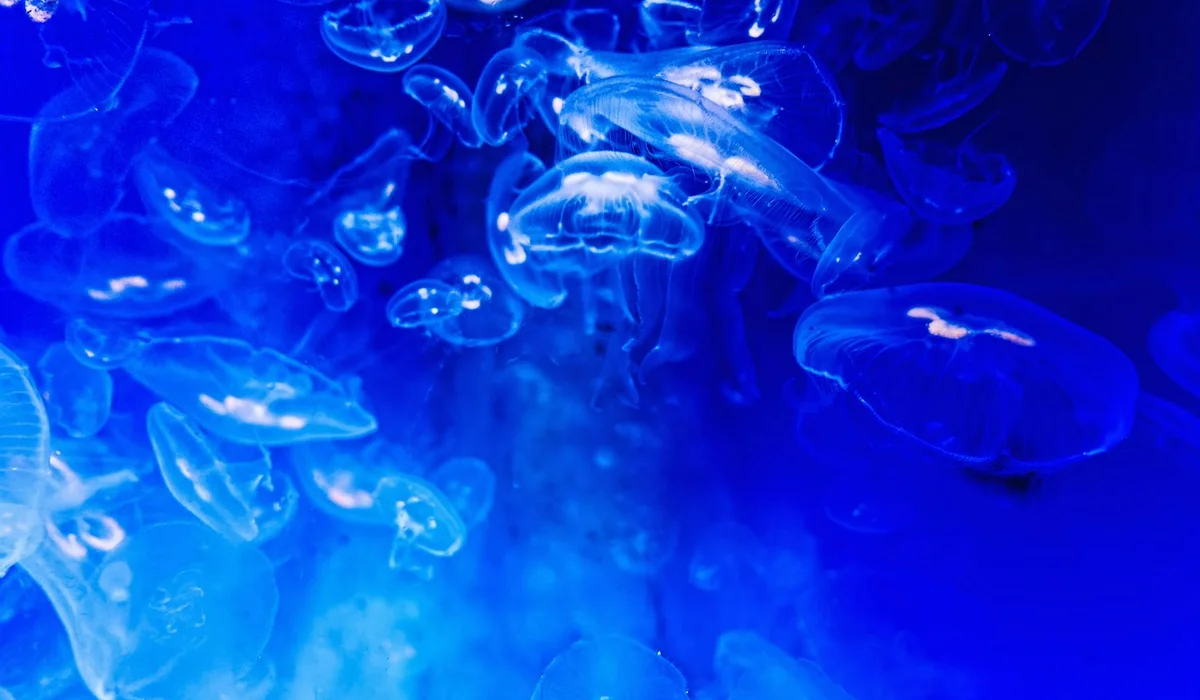
Let’s demystify PAR, which stands for Photosynthetically Active Radiation. This term sounds complex, but it’s simply the range of light (from 400 to 700 nanometers) that your plants and corals can actually use for photosynthesis. Think of it not as brightness for your eyes, but as nutritional energy for your tank’s greenery and corals. PAR measures the intensity of the useful light that reaches your plants, which is a far more important metric for their health than how bright the light appears to you.
This is why PAR is different from lumens. Lumens measure the total amount of visible light to the human eye, weighted toward the greens and yellows we see best. PAR, however, measures the photons within the specific blue and red spectra that drive biological growth. A light can be very bright in lumens (great for a room) but low in PAR (useless for a planted tank).
PAR vs. Intensity: What’s the Difference?
In aquarium terms, PAR *is* the measurement of photosynthetic light intensity. So when we talk about “light intensity” for a planted or reef tank, we are specifically referring to PAR values at the substrate or coral mount. General intensity is subjective; PAR gives you a precise, repeatable number to guide your setup and prevent guesswork.
How Much PAR Do Your Plants or Corals Need?
Different species have vastly different light appetites. Bunching low-light plants like Java Fern in a high-PAR environment is like serving a five-course steak dinner to someone who asked for a cracker-it leads to stress and algae feasts. Here’s a general guide:
- Low Light (10-30 PAR): Perfect for beginner plants like Anubias, Java Fern, and Mosses. Also suitable for fish-only setups and some soft corals.
- Medium Light (30-50 PAR): The sweet spot for most popular stem plants and carpeting plants like S. Repens. Supports LPS corals and some hardy SPS.
- High Light (50+ PAR): Necessary for demanding red plants, dense carpets like Dwarf Baby Tears, and most SPS corals. Requires careful balance with CO2 and nutrients.
| Tank Type / Livestock | Recommended PAR Range at Substrate |
|---|---|
| Low-Tech Planted Tank (Easy Plants) | 10 – 30 µmol/m²/s |
| High-Tech Planted Tank (Stem Plants & Carpets) | 30 – 70+ µmol/m²/s |
| Soft Coral / LPS Reef Tank | 50 – 150 µmol/m²/s |
| SPS Dominant Reef Tank | 200 – 400+ µmol/m²/s |
Professionals measure PAR with a specialized quantum sensor meter, but you don’t need to buy one. Many local fish stores will measure for you, or you can rely on data from reputable lighting manufacturers who publish PAR maps. Creating a mental “PAR map” of your tank is a game-changer; it tells you the brightest spots for that demanding carpeting plant and the dimmer corners perfect for your shy Corydoras catfish to retreat to.
Choosing the Right Aquarium Light: A Practical Guide
Selecting a light feels overwhelming with endless options. Break it down into a simple, step-by-step process to find your perfect match.
- Identify Your Tank Type: Is this a freshwater planted tank, a saltwater reef, or a fish-only with live rock? This is your first and most critical filter.
- Determine Your PAR Needs: Based on the livestock chart above, decide on the light intensity you need at the deepest point your plants or corals will be.
- Match Spectrum Requirements: Freshwater plants thrive on a mix of red and blue. Reef corals need strong blue (actinic) spectrum for fluorescence and zooxanthellae health.
- Consider Fixture Size & Mounting: The light must evenly cover your tank’s footprint. Measure your tank’s length and width, and decide if you want a hanging pendant, a mounted rail, or a simple sit-on-top lid.
Use this quick checklist before you click “buy”:
- Tank dimensions (Length x Width x Height, in inches/cm)
- Primary livestock (List your top 3 plants or coral types)
- Budget range
- Must-have features (Dimmable? Programmable sunrise/sunset? Built-in timer?)
LED Lighting: Why It’s the Modern Standard
LED technology has revolutionized aquarium lighting. I made the switch years ago and haven’t looked back. LEDs are incredibly energy-efficient, produce minimal heat, and their lifespan is measured in years, not months. The greatest advantage is programmability; you can mimic a natural daylight cycle with gradual ramp-ups, which reduces stress for fish like my skittish Corydoras, Shadow. So, how long should aquarium lights stay on? Most freshwater tanks do well with 8-10 hours per day, adjusted for plant needs and algae control. While the upfront cost can be higher, the long-term savings on electricity and bulb replacements make them the smart choice.
Matching Light to Tank Depth and Size
Light intensity diminishes dramatically with water depth. A light that blasts 100 PAR at the surface might only deliver 30 PAR at the bottom of a deep tank. For tall aquariums (over 20 inches deep), you need a fixture with high output and good penetration, often with lenses or focused optics. For a wide, shallow aquascape, a broader, less intense spread is better to avoid creating extreme high-light zones directly under the fixture. Always check the manufacturer’s PAR data for tanks similar to yours. This topic is covered in a complete guide to setting up aquarium lighting. It walks you through choosing fixtures, mounting height, and photoperiods.
Freshwater Planted Tank vs. Reef Tank Lighting Needs
The core difference here is spectrum and intensity peak. A planted tank light prioritizes a full, white-looking spectrum with strong reds for plant growth and greens to make fish colors pop-think of the shimmer on my Betta Captain Fin’s scales. A reef light, however, leans heavily into the blue (actinic) spectrum to support coral photosynthesis and enhance fluorescent pigments. While a high-end planted light can grow easy corals, a dedicated reef light is built for the intense, spectrum-specific demands of stony corals, making them generally non-interchangeable for serious hobbyists.
Setting Up Your Lights: Duration, Height, and Acclimation
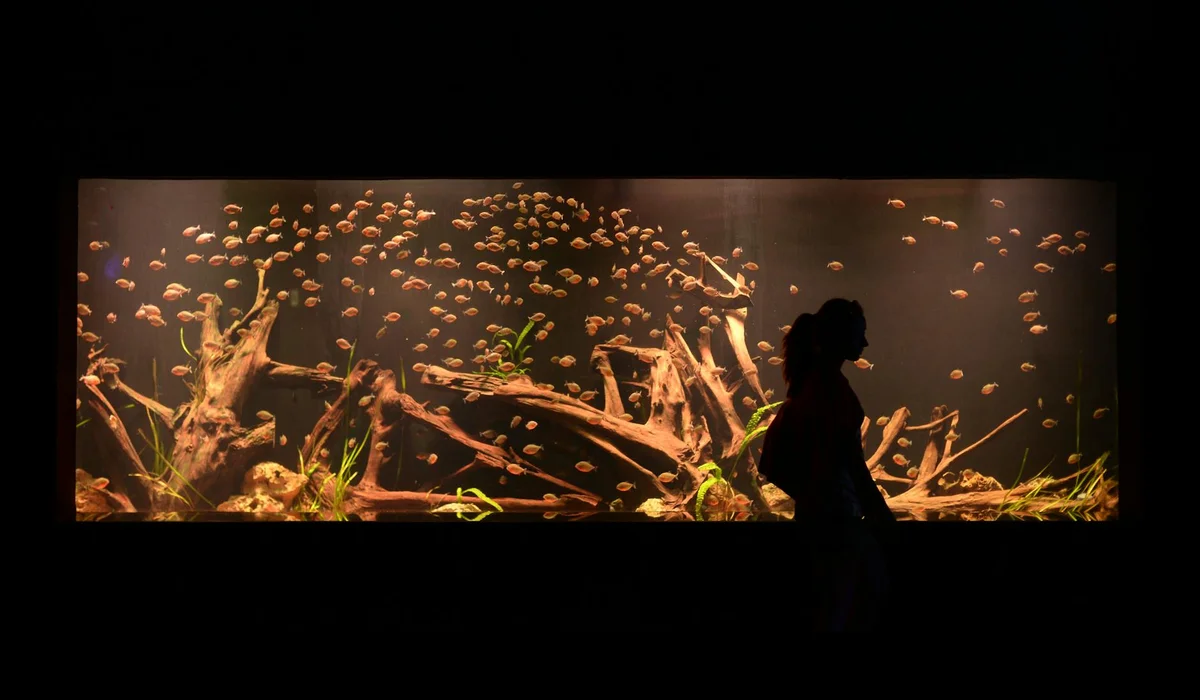
Getting your aquarium lighting dialed in is less about complex settings and more about observing your tank’s daily rhythm. Think of your light as the sun for your underwater world; you want to mimic its natural rise and fall to keep fish relaxed and plants thriving. That’s precisely the idea behind a complete guide on turning off your aquarium light at night. A regular dark period helps fish rest and keeps plant and algae cycles in check. I learned this the hard way when Captain Fin’s feisty demeanor turned lethargic under lights that were on for 12 hours straight.
Photoperiod: How Long Should the Lights Be On?
Photoperiod is just a fancy word for how many hours your lights are on each day. A consistent photoperiod prevents stress by giving your fish and plants a reliable day-night cycle they can count on. For most freshwater community tanks, start with 6 to 8 hours. Here are ideal timings for different setups, especially when considering light requirements for various aquarium plants:
- Fish-Only Tanks: 6-8 hours is plenty. It shows off colors like Goldie’s bright orange scales without promoting algae.
- Planted Tanks: 8-10 hours supports photosynthesis. Low-light plants do fine with 8, while high-light carpets might need 10.
- Reef Tanks: Corals need more. Aim for 10-12 hours, often with a ramp-up and ramp-down period to simulate dawn and dusk.
My best tip is to use a simple plug-in timer. An automated timer is a lifesaver; it keeps the schedule consistent even when you forget, and it helps prevent accidental 24-hour light marathons that fuel algae parties.
Light Height and Intensity Adjustment
How high your light sits above the water surface is your primary knob for controlling intensity and PAR. Raising the light spreads the beam and softens the intensity, while lowering it concentrates the light for more powerful PAR on your plants or corals. If your unit is adjustable, start with it 8 to 12 inches above the water line. For a standard planted tank, this is a safe starting point. Watch how the light hits the bottom where shy bottom-dwellers like Shadow hang out; you don’t want it so bright it makes them hide all day. Also, start a simple routine to monitor water parameters (pH, ammonia, nitrite, nitrate, and temperature). A complete beginners guide to managing aquarium water parameters shows how these readings influence lighting and overall tank health.
The Importance of Acclimation for Sensitive Livestock
When you add new plants, corals, or even upgrade your light, never blast them at full power from day one. Acclimating your tank to new light levels prevents shock, which shows up as melted plants, bleached corals, or stressed fish hiding in the shadows. This approach helps you grow propagate aquarium plants successfully. It also supports steady new growth. I always use a gradual increase over two to three weeks. Here’s my simple step-by-step method:
- Set Initial Photoperiod: Start with a short photoperiod of 4-6 hours at a lower intensity if your light is dimmable.
- Adjust Light Height: If the light is too intense, raise it a few inches. This instantly reduces PAR without changing settings.
- Gradually Increase Intensity: Each week, add about an hour of light or slightly increase the dimmer setting until you reach your target photoperiod and brightness.
Troubleshooting Common Lighting Issues
When your tank looks off, your lighting is often the first place to check. Many common aquarium problems, from green water to fading colors, are direct messages about your PAR, spectrum, or photoperiod being out of sync. Listening to these signals saves you from bigger headaches down the line. If your water is turning green, it’s a sign to reassess lighting and nutrients. Try cutting back light exposure and increasing regular water changes.
Algae Overgrowth: Too Much of a Good Thing
Algae love light just as much as your plants do. If you’re fighting constant algae on the glass and decorations, your photoperiod is likely too long or your PAR is too high for the plant load. The fix is straightforward. First, reduce your light duration by an hour or two. If that doesn’t help, consider raising the light fixture to lower intensity. For a quick diagnostic flow: check your photoperiod first, then look at how bright the light is, and finally, review if your spectrum is too heavy in the blue and red ranges that algae adore.
Plants Browning or Corals Bleaching: Light Stress Signals
When plants turn brown or corals lose color, they’re crying out from light stress. Browning leaves often mean not enough usable light (low PAR or wrong spectrum), while bleaching is a classic sign of too much intensity, literally cooking the tissues. For plants, try increasing your photoperiod slightly or adjusting your spectrum to include more red and blue bands for photosynthesis. For corals, immediate acclimation is key. Move them to a shadier spot or dial back your light’s intensity by 30-50%, then slowly ramp up as described earlier.
Fine-Tuning Spectrum for Color and Health
Spectrum isn’t just about making your tank look pretty; it drives biological functions. Adjusting the color balance of your light can enhance fish coloration, boost plant growth, and even influence fish behavior, making your community more active and vibrant. I like to add a touch more blue in the morning and evening to simulate twilight, which seems to calm my fish. If your plants look washed out, increase the reds. For a reef tank, blues are essential for coral fluorescence. Use your light’s settings to experiment in small increments, and watch how Captain Fin’s iridescent scales or your plants’ green hues respond over a week.
Measuring and Managing Light Without Fancy Tools
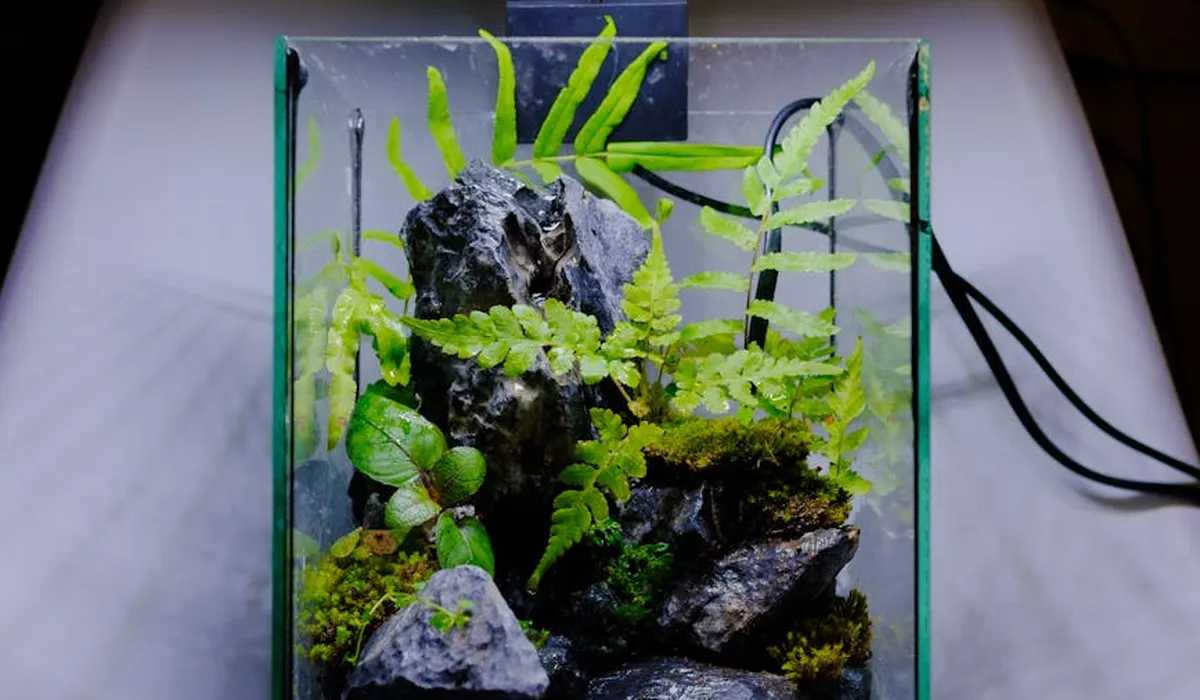
You don’t need a $200 PAR meter to have a thriving planted tank. Your plants and algae are constantly giving you a free, real-time readout of your light intensity. Learning to interpret these biological signals is the most valuable skill you can develop for managing your aquarium’s light. Do fish and aquarium plants need specialized lighting? Not necessarily—the right spectrum and photoperiod often matter more than expensive gear.
Reading Your Plants: Natural PAR Indicators
Watch your plants like a hawk for the first few weeks after a lighting change. Their growth form tells you everything. I’ve saved countless setups just by paying attention to these clues.
- Leggy Growth, Long Spaces Between Leaves: This is your plant stretching, desperately seeking more photons. It’s a clear sign of low light. You’ll see it fast in stems like Hygrophila.
- Algae Coatings on Plant Leaves: Especially green spot or hair algae smothering slow-growing plants like Anubias. This often screams that light intensity is too high for the available nutrients (a carbon or nutrient imbalance).
- Compact, Colorful, and Robust Growth: When your plants are bushy, maintain their red/pink hues, and grow steadily, you’ve hit the sweet spot. This is medium to high PAR done right.
The color and density of your foreground plants, like carpeting species, are one of the best visual PAR gauges you have. If they spread thick and low, you’re golden. If they grow upwards or melt, adjust your light.
Simple Hacks for Better Light Distribution
Maximizing the light you paid for is all about smart placement and reflection. These cheap tricks can make a modest light perform like a premium one.
- Observe and Document: Take a weekly top-down photo of your tank. Compare plant growth and algae spots over a month, not days. Patience reveals the true trend.
- Adjust Incrementally: Never change light height or duration by more than 10-20% at once. If algae appears, lower the light fixture 2 inches or cut photoperiod by 30 minutes. Small tweaks prevent crashes.
- Harness Reflectivity: A plain white or foil-backed background bounces a surprising amount of light back into the tank, boosting effective PAR for lower leaves. Even a piece of white poster board taped to the back works.
For affordable LEDs, look for models with separate dimmable white and blue channels; this lets you fine-tune the spectrum from cool white to actinic blue for less than $80. Raising the light higher above the tank glass spreads the beam wider and reduces harsh central intensity, creating a more even PAR map across your substrate.
FAQs
How do I adjust my light intensity as my aquarium plants grow taller and fill in?
As your plant canopy thickens, it will block light from reaching the lower leaves and substrate. You may need to gradually increase the light’s intensity or slightly lower the fixture to maintain the same PAR levels at the bottom of the tank. Observe your foreground plants and lower stems; if they start stretching or losing color, it’s a sign they need more light penetration.
Do aquarium LED lights lose intensity or change spectrum over time, and when should I replace them?
Yes, LEDs slowly degrade and lose output (lumen and PAR depreciation) over thousands of hours, though the spectrum generally remains stable. A noticeable drop in plant growth or coral color can indicate it’s time for a change. Most quality LEDs last 3-5 years before a significant decrease in useful light output occurs.
Can I use two different brand or model lights over one tank to get better coverage?
Yes, you can combine lights, but it requires careful management to avoid creating uneven PAR zones and conflicting spectrums. Aim to use lights with similar color temperatures and adjust their heights and intensities individually to create a uniform field. Be extra vigilant for algae spots in overlapping high-intensity areas when you first set this up.
My plants are melting even though my PAR seems correct. What else could be wrong?
Plant melting is often a shock response to a new environment, not solely a light issue. Check your water parameters, as fluctuations in temperature, pH, or hardness can cause melt. Ensure your nutrient and CO2 levels (if injected) are sufficient to match the light intensity, as an imbalance here is a common culprit.
Bringing It All Into Focus
Start by choosing a light with sufficient PAR for your plants’ growth stages, and then fine-tune the spectrum to highlight your fish’s natural beauty and support their well-being. Equally important are other essential equipment—substrate, filtration, and, if needed, a CO2 system and dosing routine. This balanced approach transforms your tank from a simple container into a vibrant, thriving ecosystem where every element works in harmony. Together, they form the backbone of a truly successful planted aquarium.
Embracing this knowledge is a key part of responsible pet ownership, directly influencing the health and happiness of your aquatic family. Let your journey with aquarium lighting be an ongoing exploration—each adjustment deepens your skills and strengthens the life pulsing within your glass walls. There are different types of aquarium lights, each with its own uses—from supporting plant growth to enhancing color and viewing pleasure. Understanding their uses helps you tailor lighting to your tank.
Further Reading & Sources
- r/aquarium on Reddit: I’m looking for a high intensity full spectrum light for my aquarium. My plants need more light.
- How to Choose the Right Aquarium Light: Spectrum, PAR & Colour Tempera – Charterhouse Aquatics
- How to Choose the Best Color Spectrum for your Freshwater Fish
- Aquarium LED: What is PAR? – | Aquasabi | Aquasabi – Aquascaping Shop
- Full Spectrum vs Blue Spectrum Lighting for Reef Tanks – Bulk Reef Supply
Lia is an expert in aquarium and pet fish care. Having worked in the marine industry and having cared for multiple pet fish, she has acquired first hand expertise on aquarium care, maintenance and setup. She always brings her practical expertise and science to help solve any aquarium related queries.
Lighting Options