Goldfish Friends: Your Complete Guide to Peaceful Tank Mates
Hello fellow fish keepers! That nagging question about what fish can share a tank with your goldfish without drama is a real head-scratcher, isn’t it? Let’s turn that uncertainty into a clear plan for a thriving, peaceful aquarium.
This guide breaks down the essentials into actionable steps. We’ll cover:
- The core goldfish needs that dictate all compatibility
- Specific, proven fish species that can co-exist peacefully
- How to set up your tank for long-term harmony and health
- Critical water parameters and tank size requirements you must hit
- Early warning signs of stress or aggression to watch for
My advice comes from years of hands-on experience running complex planted systems and breeding fish, so you’re getting real-world, tested knowledge.
Why Goldfish Need Special Tank Mates
Understanding the Goldfish’s World
Picture Goldie, my Oranda, constantly nudging through the gravel in search of a snack. Goldfish are not just decorative; they are active, messy foragers built for cooler waters. Their world revolves around three things: cool temperatures, high oxygen levels, and producing a surprising amount of waste for their size. I learned this the hard way when I first assumed any peaceful fish would do.
Their digestive systems are prolific, releasing ammonia that can spike your water chemistry faster than in a tropical tank. This biological reality means potential tank mates must be tough enough to handle slightly chilly, pristine water without competing too fiercely for food. It’s a specific ecosystem niche.
The Core Challenge: It’s Not Just Temperature
Yes, goldfish thrive at 65-72°F (18-22°C), but matching temperature is the easiest part. The real hurdle is their lifestyle. Goldfish are gentle giants, but their constant grazing and clumsy swimming can stress faster, more delicate fish. They might accidentally bump into timid species or outcompete them for every sinking pellet.
Beyond filtration, you need a companion that won’t nip at flowing fins like an Oranda’s cap and can tolerate the lower metabolic rate of cold water. Many popular community fish fail because they need warmer water or prefer a quieter, less chaotic environment than a goldfish tank provides. It’s about matching energy and environmental toughness.
Your Goldfish Compatibility Checklist
Water Parameter Harmony
For a shared tank to work, your water must be a true compromise. I test weekly to keep things stable. Aim for these ranges to support both goldfish and suitable companions: a pH of 7.0 to 7.4, moderate hardness (dGH 8-12), and undetectable levels of ammonia and nitrite. These are the essential water parameters—pH, ammonia, and nitrates explained—so you can monitor and maintain a safe environment. Understanding them helps explain why these targets matter for goldfish and their companions. Nitrates should stay under 20 ppm through regular water changes.
Use this quick reference to visualize the goal:
| Parameter | Ideal Range for Goldfish Company |
|---|---|
| Temperature | 65°F – 72°F (18°C – 22°C) |
| pH Level | 7.0 – 7.4 (Neutral to Slightly Alkaline) |
| Ammonia & Nitrite | 0 ppm (Always) |
| Nitrate | < 20 ppm |
Consistency here is more critical than perfection; sudden shifts from adding new fish can crash the system. Always drip-acclimate any new arrival to let them adjust slowly.
Behavior and Size Compatibility
Size matters to prevent anyone from becoming a meal, and temperament matters for peace. Look for fish that are similarly sized or larger than your goldfish’s mouth, and that possess a calm, non-territorial demeanor. Fast, fin-nipping fish are a definite no.
From my trials, successful candidates usually share these traits:
- Coldwater Tolerance: They must thrive in the same cool temperature range without showing signs of stress.
- Bottom-Dwelling or Mid-Level Presence: Like my corydoras Shadow, they should occupy a different water column to reduce competition.
- Robust and Peaceful: They should be unfazed by the goldfish’s active digging and not retaliate with aggression.
- Similar Diet Needs: They should eat sinking foods or algae without needing specialized, high-protein diets that pollute the water.
Avoid any fish labeled “tropical” or that enjoys warm, still waters-they simply won’t adapt to the goldfish’s bustling, cooler world. Think of it as finding roommates who enjoy the same climate and don’t mind a bit of friendly clutter.
Best Tank Mates for Goldfish: A Curated List
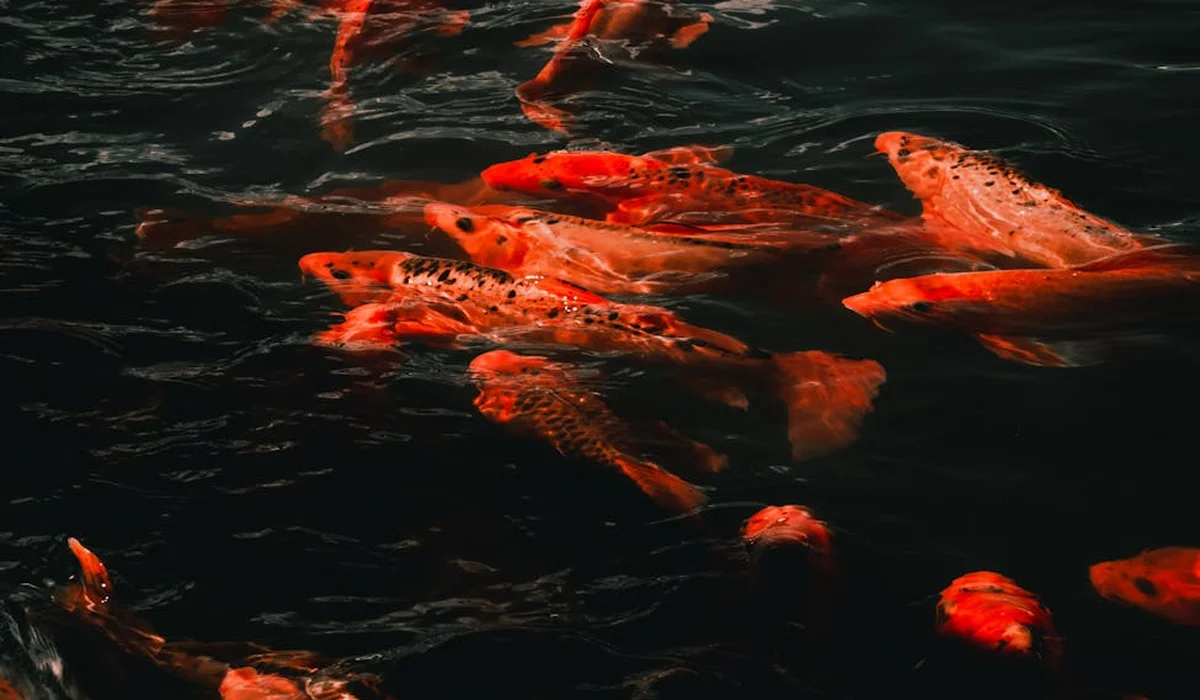
Finding friends for your goldfish is less about picking favorites and more about matching their specific, somewhat demanding lifestyle. The perfect tank mate will share a love for cooler, highly-oxygenated water, have a gentle temperament, and be robust enough to not get pushed around during dinner time. Choosing the right tank mates can reduce stress and aggression, leading to a calmer, healthier tank. When compatibility is high, your goldfish will thrive.
Coldwater Schooling Fish
This category is your best starting point. These fish thrive in the same chilly waters and add mesmerizing movement to the mid-level of your tank.
- White Cloud Mountain Minnows: My top recommendation. These slender, sparkling fish are incredibly hardy, peaceful, and prefer temperatures around 65-72°F. Their quick, schooling nature usually keeps them out of a goldfish’s clumsy way.
- Rosy Red Minnows: A larger, sturdier option often sold as feeder fish. Choose healthy ones from a clean source. They are active and can handle the cooler temps, but ensure your tank is large enough for both groups to have space.
For any schooling fish, a longer tank (55 gallons or more) is ideal to give them a proper swim lane away from your goldfish’s patrol route. Many hobbyists keep 55-gallon aquariums because they provide ample space for groups. This size is a popular choice for community tanks, helping species coexist peacefully.
Peaceful Bottom Dwellers
These inhabitants claim a different territory, cleaning up leftovers and rarely bothering your goldfish. They need smooth substrate to protect their delicate barbels.
- Dojo Loaches (Weather Loaches): These are fantastic characters! They tolerate very cool water (down to 60°F), grow large enough (6-8 inches) to not be bullied, and have playful, eel-like personalities. They absolutely require a soft sand substrate to prevent injury as they love to burrow.
- Larger Corydoras Species: Not all cories work. Avoid small varieties. Opt for the Sterbai or Bronze Corydoras, which can handle temperatures into the low 70s. They are peaceful scavenger squads, just like my Shadow, and a group of them will tirelessly sift through the sand.
The “Sometimes” Category: Proceed with Caution
These pairings can work under strict, specific conditions but are more prone to issues. I consider them “advanced” options.
- Bristlenose Pleco: A single small pleco can help with algae. The “but” is huge: they produce a staggering amount of waste. You must be obsessive about water changes and have massive filtration. They also need driftwood to chew on.
- Apple Snails: A large mystery or apple snail can be a fun addition. They scrape algae and leave goldfish alone. The caution? They are waste factories too, and some goldfish will relentlessly nibble at their antennae, stressing the snail.
Fish to Avoid in a Goldfish Community Tank
This list is critical. Making a mistake here can lead to stressed, injured, or dead fish. When in doubt, remember the goldfish’s core needs: cool, clean, well-oxygenated water.
Tropical Fish Are a Hard No
This is the most common and dangerous mistake. Fish like tetras, guppies, angelfish, and gouramis require warm water (75-80°F+).
- The warm water holds less oxygen, which goldfish desperately need, essentially suffocating them.
- The high metabolism from the heat pollutes the water faster and stresses the goldfish’s immune system.
Mixing temperature requirements guarantees a shortened, unhealthy life for one or all of your fish.
Aggressive or Fin-Nipping Species
Goldfish are slow, fancy, and have long, flowing fins-a giant target. Avoid any fish known for aggression or nipping.
- Barbs (like Tiger Barbs): These are infamous fin-shredders. They will turn your goldfish’s beautiful tails into tattered rags.
- Cichlids (even dwarf species): Most are territorial and aggressive, especially during feeding.
- Bettas: While my Captain Fin is a star in his own tank, his feisty nature and need for warm, still water make him a terrible choice for a busy, cool goldfish tank.
Small Fish That Become Lunch
It’s not about malice; it’s about mouth size and opportunity. Goldfish are omnivorous vacuums.
- Neon Tetras, Ember Tetras, Small Danios: These will be seen as tasty snacks. Even if they survive initially, the constant stress of being chased will kill them.
- Shrimp (like Cherry or Amano): They are expensive goldfish food. I learned this the hard way with a missing Amano shrimp colony.
- Any fish or invertebrate small enough to fit in a goldfish’s mouth. This is the golden rule. If it fits, they will eventually try to eat it.
Building Your Goldfish Community Tank: A Step-by-Step Guide
Step 1: Start with the Right Sized Tank
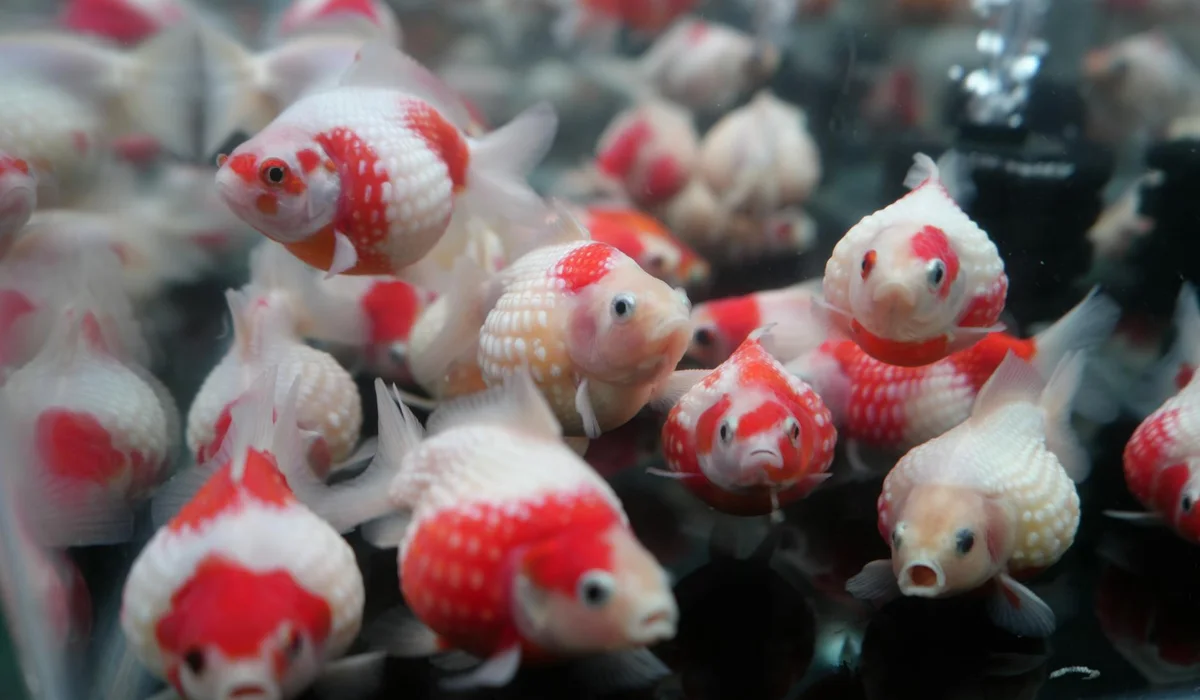
Goldfish like my Oranda, Goldie, aren’t just pets; they are swimming, foraging machines that generate a surprising amount of waste. An ideal setup means planning space, filtration, and maintenance from day one. That helps avoid common mistakes like overcrowding or underestimating the tank’s needs. For a single fancy goldfish, such as an Oranda or Ryukin, I never recommend anything smaller than a 30-gallon tank to give them room to grow and to dilute their waste. If you dream of adding friends, you must think bigger from the start. A common guideline is 20 gallons for the first goldfish and 10-15 gallons for each additional one, but for a community, I suggest even more buffer space. A 40-gallon tank is a realistic starting point for one goldfish and a few small companions.
Here’s a quick list of why space is your best friend:
- It prevents stunted growth, which is a painful and real issue in cramped tanks.
- More water volume naturally stabilizes water parameters like ammonia and pH.
- It reduces aggression by allowing fish to establish their own territories.
Step 2: Over-Filter and Over-Oxygenate
The gentle hum of your filter should be the heartbeat of a goldfish tank, and for these messy eaters, you need a powerhouse. I aim for a filter rated for at least twice the volume of my tank-so for a 40-gallon tank, I use a filter meant for 80 gallons or more. Canister filters are excellent for this, as they provide superior mechanical and biological filtration. Goldfish also thrive in highly oxygenated water. The shimmer of bubbles from a simple air stone or the surface agitation from your filter output does wonders. Cooler water holds more oxygen, and with goldfish preferring temperatures around 68-74°F, extra aeration is non-negotiable.
My filtration checklist always includes:
- A filter with adjustable flow to avoid stressing slower-moving fancy goldfish.
- Lots of porous ceramic media for beneficial bacteria to colonize.
- Weekly checks and rinsing of filter media in old tank water to preserve that bacterial colony.
Step 3: Create Safe Zones with Decor
Goldfish are curious and can be clumsy, often bumping into tank mates. To keep everyone peaceful, you need to design breaks in the line of sight. I use sturdy, smooth-edged decorations and tough live plants like Java Fern or Anubias to create little hideouts and visual barriers. This also helps establish hiding places and defined territories for your fish. When fish have clear spaces, they’re calmer and more confident. My Corydoras, Shadow, taught me the value of a good hiding spot; he’s much more confident and active when he has plant cover. Avoid small, sharp gravel that goldfish might accidentally ingest; smooth sand or rounded pebbles are safer choices. Arrange your decor to form caves, overhangs, and dense plant clusters, giving shyer fish a quick escape route.
Effective safe zones can be made from:
- Driftwood with natural nooks and crannies.
- Clay pots placed on their sides (with sanded edges).
- Dense clusters of Vallisneria or Hornwort, which also help absorb excess nutrients.
Goldfish Tank Mates by Aquarium Size
The Reality of Small Tanks (10-20 Gallons)
Let’s be honest: a 10 or 20-gallon tank is a tight squeeze for goldfish community living. In truth, a tank this size is best suited for a single fancy goldfish and a very limited clean-up crew, with no other fish tank mates. The bioload from a goldfish alone will push your filtration to its limits. Your best additions here are invertebrates like Nerite snails or a few Amano shrimp, which help with algae without competing for space (especially when you’re aiming for a clean tank). Even then, you must be vigilant with weekly partial water changes of 30-50% to maintain that crystal-clear water quality.
Mid-Size Community Potential (30-40 Gallons)
With a 30 to 40-gallon aquarium, you open the door to a few carefully chosen companions. This size allows you to support one or two fancy goldfish alongside a small school of very hardy, cool-water fish. Focus on species that are fast enough to avoid goldfish curiosity and enjoy similar water conditions. White Cloud Mountain Minnows are a classic choice; they are peaceful, active, and thrive in the same cooler temperatures. Another option is a group of Zebra Danios, but ensure your goldfish are not the slow, flowing-finned types that might get nipped. Always introduce tank mates in groups to reduce individual stress. When choosing compatible fish, match temperament and size to your goldfish, and ensure shared water conditions. This helps maintain a peaceful, balanced community tank.
My top picks for a 40-gallon setup:
- 1 Oranda Goldfish (like Goldie)
- 6-8 White Cloud Mountain Minnows
- 2-3 Nerite Snails for algae control
Large Tank Opportunities (50+ Gallons)
A 50-gallon or larger tank is where you can get creative and build a truly balanced, captivating cold-water ecosystem. The massive water volume dilutes waste effectively, giving you more flexibility with stocking and creating a stable environment where multiple species can exhibit their natural behaviors. You can consider small groups of goldfish alongside other peaceful bottom dwellers or larger schools of minnows. Dojo Loaches are fantastic companions; they are peaceful, enjoy cooler water, and spend time sifting through the sand. Just remember that even in a large tank, compatibility is key—avoid any fish that are aggressive, require warm water, or are small enough to be considered food. This is where you decide between a species-only tank and a mixed community setup. Your choice will shape stocking plans, compatibility checks, and how you design the habitat.
An example stock list for a 55-gallon tank:
- Two fancy goldfish (e.g., Oranda and Ryukin).
- A school of 8-10 Rosy Barbs (they are sturdy and active).
- A group of 6-8 Corydoras paleatus (Peppered Cory), which are hardy and tolerate cooler temps.
- An air-powered sponge filter in addition to your main filter for extra biological filtration and oxygenation.
Keeping the Peace: Maintenance for a Mixed Tank
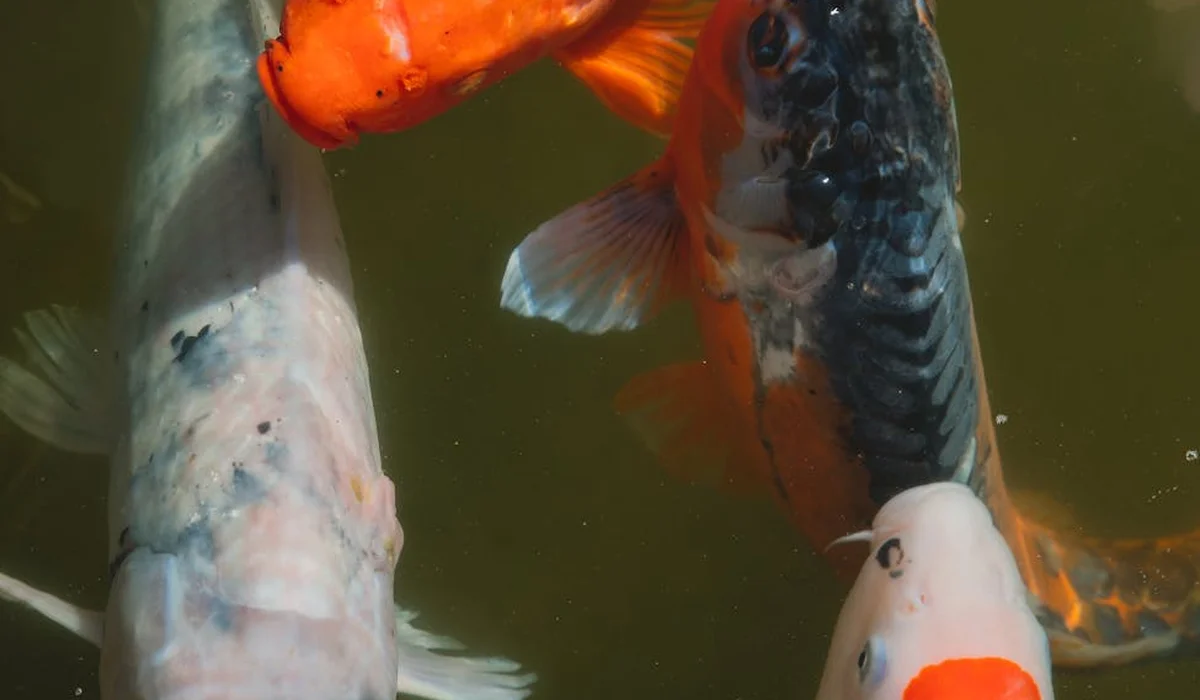
Once your goldfish community is settled, consistent care becomes the heartbeat of a thriving tank. The gentle hum of a well-tuned filter and the shimmer of healthy scales are direct results of your daily maintenance routine. This isn’t about hard labor; it’s about mindful, simple habits that prevent big problems.
Feeding Strategies for Different Mouths
Goldfish, like my Oranda Goldie, are famous for their endless appetites and messy eating habits. They’ll greedily snatch food meant for shy bottom-dwellers like my corydoras, Shadow. You must feed strategically to ensure every fish gets its share without polluting the water. Here is my method for keeping everyone well-fed and the water clear.
- Feed the Bottom Crew First: Drop sinking algae wafers or pellets specifically for catfish and loaches. This gives them a head start before the goldfish frenzy begins.
- Distract Surface Feeders: While the bottom food sinks, immediately offer your goldfish their floating pellets or flakes at the opposite end of the tank. Goldie’s bright orange cap bobs excitedly at this time, perfectly occupied.
- Consider Food Types: I use high-sinking granules for corydoras and a quality, low-protein floating pellet for the goldfish to support their digestive health.
- Never Overfeed: All food should be consumed within two minutes. Any excess becomes waste that spikes ammonia levels.
This order of operations creates a peaceful feeding time. You’ll see your reclusive catfish venturing out more confidently at dinner time, knowing their meal is secure.
Quarantine: Your Best Disease Prevention Tool
I learned this the hard way early on. Adding a new fish directly to your display tank is like inviting a stranger into your home without checking if they have a cold. Quarantine is a non-negotiable safety ritual that protects your entire aquatic family from invisible threats. That means keeping new fish in a separate quarantine tank for 2-4 weeks, watching for signs of illness and testing water quality. Only then should they join the display tank to prevent disease from spreading. A simple, separate 10-gallon tank with a basic sponge filter and heater is your best investment.
- Duration is Key: Isolate all new fish, plants, or invertebrates for a full 3-4 weeks. Many parasites and bacterial infections take time to show symptoms.
- Observe and Treat: Use this time to watch for lethargy, clamped fins, or spots. You can gently treat the quarantine tank without harming your main tank’s delicate balance.
- Peace of Mind: This buffer period lets the new arrival acclimate to your water parameters slowly, reducing overall stress when they finally join the community.
The clarity of your main tank’s water and the health of your existing fish depend entirely on this crucial step. It feels like a delay, but it saves you from heartbreak and costly treatments later.
Daily Observations for Harmony
Spending five minutes each day simply watching your tank is the most powerful tool you have. You’ll start to recognize each fish’s normal personality, from Captain Fin’s feisty patrols to Shadow’s shy plant-hiding routines. Changes in behavior are the first warning sign. Here’s what to scan for every day.
- Appetite and Activity: Is everyone eating eagerly? Is any fish hiding more than usual or acting lethargic?
- Social Dynamics: Look for chasing, nipping, or any fish being bullied away from food. Goldfish can be unintentionally pushy.
- Physical Check: Glance for clear eyes, intact fins, and clean bodies free of fuzzy spots or tiny white specks.
- Environmental Signs: Note water clarity, filter flow strength, and temperature stability. A sudden cloudiness can signal a bacterial bloom.
Keep a mental log or a small notebook. This daily habit turns you from a passive viewer into an active guardian, catching small issues long before they become emergencies. The peace of a harmonious mixed tank is earned through these quiet moments of observation.
Common Questions
Can I keep other fish with my goldfish in a 10-gallon tank?
It is strongly advised against. A 10-gallon tank is only suitable for a single fancy goldfish due to their high waste production and need for stable water. Adding other fish would create dangerous bioload issues and territorial stress, compromising the health of all inhabitants.
Are Zebra Danios good tank mates for goldfish?
Zebra Danios can work in larger tanks (40+ gallons) with single-tailed, faster goldfish varieties. However, their energetic, sometimes nippy nature can stress slower fancy goldfish with long fins. Success requires ample space for the danios to school and careful observation for any fin-nipping behavior.
I see conflicting advice on forums like Reddit. Why is goldfish compatibility so debated?
Advice varies because success depends on many specific factors: exact tank size, filtration, goldfish type, and individual fish temperament. Do choose the right aquarium size for your fish species, because different fish need different amounts of space to thrive. Invest in knowing the species-appropriate space needs to ensure long-term health and happiness. What works in one well-maintained, oversized tank may fail in another. Always prioritize the core requirements of cool, clean, oxygen-rich water over anecdotal reports.
What are good goldfish tank mates available in Australia?
Excellent choices commonly available in Australia include White Cloud Mountain Minnows and Dojo Loaches (Weather Loaches), as they thrive in cool water. Always check local regulations, as some species may be restricted. Source fish from reputable aquariums to ensure they are healthy and disease-free.
Your Peaceful Goldfish Community Awaits
Focus on cold-water, sturdy tank mates like zebra danios or mystery snails, and always prioritize a massive tank with powerful filtration to handle their waste. Success hinges on matching temperature and temperament, avoiding any fish that might nip fins or compete aggressively for food.
True pet ownership is a promise to learn and adapt for the lifetime of your aquatic friends. Let your aquarium be a living lesson; each water change and observation deepens your connection and ensures a thriving, shimmering underwater world.
Further Reading & Sources
- 10 Best Tank Mates for Your Goldfish in a Freshwater Aquarium – Aquarium Co-Op
- r/Goldfish on Reddit: Best Tank Mates for Goldfish
- What fish are good tank mates for a goldfish?
- Best Tankmates for Goldfish – Advanced Aquarium Concepts
- Top 10 Best Goldfish Tank Mates – Splashy Fish
Lia is an expert in aquarium and pet fish care. Having worked in the marine industry and having cared for multiple pet fish, she has acquired first hand expertise on aquarium care, maintenance and setup. She always brings her practical expertise and science to help solve any aquarium related queries.
Fish Species