
Your Algae Solution: Picking the Perfect Fish and Shrimp Cleanup Crew
Hello fellow fish keepers! That persistent green film or fuzzy growth on your glass and plants is a common headache, but the right aquatic helpers can turn the tide. I remember the day my own tank transformed from murky to marvelously clear after introducing a dedicated cleanup crew.
This guide cuts through the confusion to give you a clear action plan. We will cover:
- Which specific fish and shrimp species target different algae types, from brown diatoms to stubborn green hair.
- How to balance your tank’s ecosystem so cleaners thrive without disrupting your other fish.
- Essential care requirements like tank size, water parameters, and diet for long-term success.
My advice comes from hands-on years of running complex planted systems and breeding fish like the feisty Captain Fin and social Goldie in my own tanks.
Understanding the Algae in Your Tank
Before you pick your cleanup crew, take a close look at that green film on the glass or the fuzzy patches on your plants. Algae is a natural sign of a living tank, but its type tells you exactly what your water conditions are like. I’ve learned that treating the cause is just as vital as adding fish that eat the symptom.
You’ll often see a few common types. Soft green algae coating surfaces usually means balanced nutrients but too much light. Brown diatom algae, that dusty film, frequently pops up in new tanks or those with silicate in the water. The real troublemaker is hair algae, those long, wispy strands that can smother plants.
From my experience, algae thrives on an imbalance. Here are the main levers you can pull:
- Light: Reduce your photoperiod to 6-8 hours if you see a bloom.
- Nutrients: Overfeeding floods the water with phosphates and nitrates algae love.
- Water Changes: A consistent weekly change is your best defense for diluting excess nutrients.
The shimmer of clean water comes from control, not elimination-a little algae is a great snack for your cleanup crew. Test your water regularly; if nitrates creep above 20 ppm, it’s time for action beyond just adding fish.
Top Fish for Your Algae Cleanup Crew
Choosing the right fish is like hiring specialists for a job. Each species has a favorite algae it munches on, and matching that to your problem is the key to success. For a community tank, choose compatible fish that can coexist peacefully. Look for species with similar water needs and temperaments to reduce stress and aggression. Remember, these fish are helpers, not a replacement for your maintenance routine.
Consider your tank size and other inhabitants first. A peaceful community tank needs peaceful algae eaters, while a larger setup can handle more robust cleaners. I always quarantine new arrivals for two weeks to protect my main tank, including my betta Captain Fin and shy corydoras like Shadow. Consider your fish and aquarium size before adding any new algae eaters.
Siamese Algae Eater: The Hair Algae Champion
If hair algae has taken over, this fish is your first call. The true Siamese Algae Eater (Crossocheilus oblongus) is a relentless, streamlined swimmer that devours hair algae like nothing else. I’ve watched them meticulously clean plant leaves other fish ignore.
You must avoid imposters like the Chinese Algae Eater, which gets aggressive. Look for the solid black lateral line that goes through the tail. Keep them in groups of three or more in a tank at least 30 gallons to see their natural, effective behavior. They prefer water between 75-79°F and a pH around 6.5-7.5.
- Specialty: Consumes hair algae, black beard algae.
- Tank Size: Minimum 30 gallons.
- Tip: Provide plenty of swimming space and smooth rocks for grazing.
Bristlenose Pleco: The Versatile Scraper
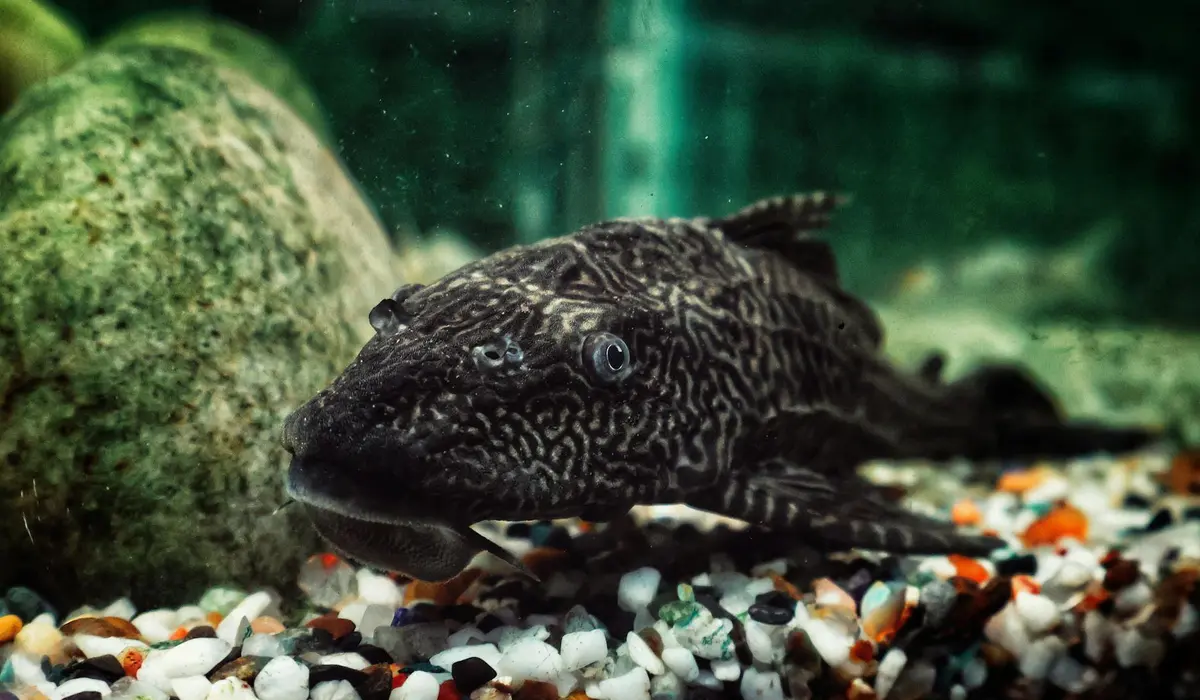
For a durable cleaner that handles a variety of algae, the Bristlenose is a star. Staying around 5 inches, they are perfect for tanks as small as 20 gallons, unlike their massive common pleco cousins. Their rasping mouth cleans glass, driftwood, and decorations with impressive efficiency.
My own Bristlenose, much like Shadow the corydoras, loves hiding in wood during the day. You must supplement their diet with blanched zucchini or algae wafers to keep them healthy and actively cleaning. They produce a fair amount of waste, so good filtration is non-negotiable.
- Specialty: Scrapes green spot algae, soft film algae.
- Tank Size: Minimum 20 gallons.
- Tip: Driftwood is essential for their digestion and provides a grazing surface.
Otocinclus Catfish: The Nano Tank Specialist
For small planted tanks under 10 gallons, Otocinclus catfish are the gentle masters of soft algae. These tiny, schooling fish are experts at cleaning delicate plant leaves and glass without disturbing your aquascape. Their constant grazing is a peaceful hum of activity.
They are sensitive to poor water quality, so your tank must be fully cycled and stable. Always buy them in groups of at least five; a lone Oto is a stressed Oto that may not eat. In my nano tanks, I’ve found they thrive in water at 72-78°F with a pH of 6.0-7.5.
- Specialty: Cleans diatoms (brown algae) and soft green algae from plants.
- Tank Size: 5 gallons minimum for a small group.
- Tip> Acclimate them slowly and have established biofilm or algae present for them to eat immediately.
Best Shrimp for Natural Algae Control
Amano Shrimp: The Efficient Workhorse
If you want an algae cleaning crew that never clocks out, Amano shrimp are your top hire. I’ve relied on these translucent grazers in my planted tanks for years, and their appetite for soft green algae and biofilm is unmatched. They grow to about two inches, making them sturdy enough to handle community tanks, but they thrive best in groups of five or more. For consistent algae management, you need a squadron of Amanos working together around the clock. Pairing Amanos with the best algae scrapers and cleaning tools can boost overall cleanliness. These tools reach spots the shrimp can’t, keeping glass and décor sparkling.
Keep them in a well-established tank of at least 10 gallons with stable water parameters. They prefer temperatures between 70-80°F and a pH near 7.0. Unlike some shrimp, Amanos are notoriously difficult to breed in freshwater, so you won’t have to worry about population explosions. Their constant picking over plants and hardscape adds a lively, purposeful energy to the aquarium.
- Excellent for consuming hair algae, thread algae, and leftover food.
- Require hiding spots like driftwood or dense plants to feel secure after molting.
- Peaceful with almost all fish, but can be startled by very active, large tank mates.
Red Cherry Shrimp: The Colorful Planted Tank Cleaner
Red Cherry Shrimp turn practical algae control into a dazzling display. Their bright red pops against green plants, and they breed readily in stable conditions, creating a self-sustaining cleanup team. I find they excel in smaller, heavily planted tanks where they can delicately graze on surfaces without much competition. A thriving colony of Red Cherries is a sign of a healthy, balanced ecosystem.
They are smaller and more delicate than Amanos, doing best in tanks of 5 gallons or more with minimal predators. Aim for softer, slightly acidic water (pH 6.5-7.5) and a temperature range of 65-80°F. Their constant foraging helps prevent algae from gaining a foothold on delicate plant leaves and hardscape. Watching a group of them work is like seeing living jewels tidying up your aquascape.
- Ideal for nano tanks and planted setups where chemical algae treatments are risky.
- They multiply quickly, so ensure your filtration intake is covered with a sponge to protect shrimplets.
- Feed supplemental blanched vegetables like zucchini if algae is scarce.
Ghost Shrimp: The Affordable and Transparent Helper
Ghost Shrimp are the budget-friendly entry point into shrimp-based algae control. Their transparent bodies let you see their digestive tract at work, which is a fascinating way to monitor their feeding. I often use them as a first line of defense in new tanks or quarantine setups. While not as voracious as Amanos, their affordability lets you deploy a large cleaning squad without breaking the bank.
They are hardy and adaptable, tolerating a wide pH from 6.5 to 8.0 and temperatures from 65-80°F. However, they can be more susceptible to poor water quality, so regular testing is key. In my experience, some are sold as feeders and may have shorter lifespans, so view them as temporary helpers or invest in higher-quality stock from dedicated breeders. Their near-invisibility makes them fun to spot as they dart through the plants.
- Great for consuming soft algae, detritus, and uneaten food in larger tanks.
- Can be kept with peaceful fish, but often end up as snacks for aggressive species like bettas.
- Use them to gauge water conditions; if your Ghost Shrimp are struggling, test your parameters immediately.
Choosing the Right Algae Eater for Your Setup
Matching Cleaners to Your Tank’s Size and Inhabitants
Selecting an algae eater isn’t a one-size-fits-all decision; it’s about creating a harmonious team. A massive common pleco in a 10-gallon tank is a disaster, just as a single cherry shrimp in a 75-gallon tank won’t make a dent. Always match the cleaner’s adult size and bio-load to your tank’s capacity to avoid water quality crashes.
For nano tanks under 10 gallons, stick with shrimp like Red Cherries or a small group of Ghost Shrimp. In my 20-gallon community tank, where Shadow my Corydoras catfish roams the bottom, I use Amano shrimp to handle the mid-level and plant algae. For tanks over 30 gallons, you can consider larger crews or even certain fish like otocinclus. Remember, every added creature contributes to the nitrogen cycle, so stock slowly and monitor ammonia and nitrite closely. This approach aligns with the ultimate guide to setting up a nano aquarium, which emphasizes stocking carefully and cycling early. Following those guidelines will help your nano tank thrive.
- Small Tanks (5-10 gallons): Red Cherry Shrimp, Ghost Shrimp.
- Medium Tanks (10-30 gallons): Amano Shrimp, Otocinclus Catfish, Nerite Snails.
- Large Tanks (30+ gallons): Schools of Amano Shrimp, Siamese Algae Eaters, Bristlenose Plecos.
Considering Compatibility with Fish Like Bettas
Introducing cleaners to a betta tank requires careful thought. Bettas, like my feisty Captain Fin, often see small, moving shrimp as either food or rivals. Their long, flowing fins can also tempt nipping from some algae-eating fish. Success hinges on providing ample hiding spaces and introducing shrimp when the betta is well-fed and calm. To minimize risk, many hobbyists consult a betta fish safe compatibility list before adding new tankmates. That list helps identify peaceful, small, non-threatening species that are more likely to coexist with bettas.
I’ve had good results with Amano shrimp in betta tanks because they’re larger and faster than Cherry Shrimp. Always have a backup plan, like a separate tank or breeder box, in case the betta becomes aggressive. Avoid fin-nippers like some Chinese Algae Eaters entirely. The goal is a peaceful coexistence where the cleaners do their job without stress. Start with a few inexpensive Ghost Shrimp as a test; if they survive and the betta ignores them, you can consider adding more permanent residents.
- Best bets for betta tanks: Larger Amano Shrimp, Nerite Snails (they have hard shells).
- Risky choices: Small Red Cherry Shrimp, any fish with a reputation for fin-nipping.
- Pro tip: Rearrange tank decor when adding new cleaners to disrupt the betta’s established territory and reduce aggression.
Tank Size Guide: Algae Eaters for Every Aquarium
Choosing the right cleaner depends almost entirely on the home you can provide. A cramped tank stresses fish and limits their effectiveness.
Best Cleaners for Small Tanks (5-10 Gallons)
In a petite aquarium, your options are specialized but mighty. You need small, efficient cleaners that won’t overload your bio-filter. When choosing, match the filter to your tank size—flow and capacity should fit the volume. The right filter for your tank size keeps water clean and stable.
- Amano Shrimp: These are the tiny titans of algae cleaning. They tirelessly graze on soft green algae and biofilm. A group of three can handle a 10-gallon tank.
- Nerite Snails: My top pick for glass cleaning. Their rasping tongues scrape off hard green spot algae without damaging plants. They won’t reproduce in freshwater, so you avoid population explosions.
- Otocinclus Catfish: Often called “otos,” these are superb for nano tanks but require a mature, stable environment. Always buy them in a small group of at least three for security.
Ideal Choices for Medium Tanks (20-30 Gallons)
This popular size range opens up a world of fantastic algae-eating crew members with more personality.
- Bristlenose Pleco: A superstar for eating soft algae and wood. Stay under 5 inches long. Provide a piece of driftwood, which they need to digest food properly.
- Siamese Algae Eater: The only true eater of black beard algae. They are active, social fish that need friends. Be careful not to get the look-alike Chinese Algae Eater, which becomes aggressive.
- Cherry Shrimp Colonies: A 20-gallon planted tank can support a thriving, colorful colony. They are constant grazers, controlling algae while breeding peacefully.
- Mystery Snails: Larger and more animated than nerites, they are fun to watch and great for cleaning surfaces and leftover food.
Options for Large Tanks and Ponds (40+ Gallons)
Big water volumes allow for the heavy-duty cleaners, but remember their large waste output.
- Common Plecostomus: Only for massive tanks (75+ gallons), as they grow over a foot long. They are powerful algae grazers when young but become lazy with age.
- Flagfish: A lively, hardy killifish that is a proven eater of problematic hair algae. They work well in planted community tanks over 40 gallons.
- Goldfish Varieties (like Common or Comet): Surprisingly effective algae munchers. However, they are incredibly messy; their waste often fuels more algae growth than they consume, demanding robust filtration.
- Grass Shrimp: For outdoor ponds, these inexpensive shrimp are excellent natural grazers on algae and detritus.
Caring for Your Algae-Eating Helpers
Your cleaners are living creatures, not just tools. Their health is paramount for a balanced tank.
Diet and Feeding: Keeping Your Cleaners Healthy
Algae alone is rarely a complete diet. Starving algae eaters is a common, tragic mistake.
- Always supplement their grazing. Offer blanched vegetables like zucchini, spinach, or cucumber slices.
- Provide high-quality sinking algae wafers or pellets at night, as many cleaners are nocturnal.
- In a pristine tank with little algae, you must feed them directly. A well-fed pleco or otocinclus is far more active and effective than a hungry one.
- For shrimp, include mineral-rich foods or leaves like Indian Almond Leaves to aid their molting process.
Water Quality and Habitat Needs
Cleaners are often the first to suffer from poor water conditions, signaling trouble in your ecosystem.
- Otocinclus and shrimp are sensitive to ammonia and nitrite spikes. Only add them to fully cycled tanks with zero detectable ammonia or nitrite.
- Maintain stable parameters. Most thrive in neutral pH (6.5-7.5) and prefer softer to moderately hard water.
- Provide ample hiding spots. Corydoras like “Shadow” appreciate caves and plants, while plecos need their own driftwood territories to feel secure.
- Ensure excellent oxygenation, especially for fast-moving species like Siamese Algae Eaters. The gentle hum of an air stone can make a big difference.
FAQs
What are the best algae eaters for a small 5-gallon tank?
Amano Shrimp and Nerite Snails are ideal for a 5-gallon tank due to their small size and efficient algae grazing. Otocinclus Catfish can also work but need a mature, stable tank and should be kept in groups. These species help control algae without overloading the limited bio-filter. Algae plays a natural role in your aquarium ecosystem—beneficial in moderation but a nuisance when it overgrows. Grazers like these help keep that balance in check.
Which algae eaters are best for a planted tank?
Red Cherry Shrimp and Amano Shrimp are top picks for planted tanks, as they gently clean algae from delicate leaves without damaging plants. They thrive in the stable water conditions and ample hiding spots that planted setups provide, making them effective and decorative additions. For readers following a [guide to keeping and breeding Neocaridina](https://finandflux.com/a-guide-to-keeping-and-breeding-freshwater-shrimp-neocaridina), these shrimp illustrate how stable conditions support healthy mating and fry. The guide covers practical steps for setup, feeding, and monitoring to support breeding success.
What algae eaters work well in a betta tank, especially a small one?
For small betta tanks, Amano Shrimp and Nerite Snails are safe choices because of their size and hard shells, which deter aggression. Ensure plenty of plants or decor for hiding and introduce them slowly to reduce stress. Avoid small shrimp like Red Cherries, as bettas may see them as food.
What are the best algae eaters for saltwater aquariums?
While this article focuses on freshwater, common saltwater algae eaters include Turbo Snails, Hermit Crabs, and tangs like the Yellow Tang. These species help manage algae in marine environments but require specific water parameters and larger tank sizes. Always research their care and compatibility with other saltwater inhabitants.
Your Algae-Cleaning Journey: Key Takeaways
Selecting the best fish and shrimp for algae control means pairing species like Otocinclus or Amano shrimp with your tank’s specific conditions, from pH to planted layout. In a planted aquarium, algae control is crucial to protect plant growth. It also helps keep the tank balanced. These living cleaners are fantastic allies, but they work best alongside your regular scrubbing and water testing routine.
Responsible fish keeping means viewing your aquarium as a long-term commitment to the health of every finned and swimming resident. I encourage you to keep asking questions and exploring new care techniques; the learning never stops, and that’s what makes this hobby so deeply satisfying. Understanding which tasks are essential and how often to perform them helps establish the maintenance frequency you can stick to. A simple routine keeps that schedule consistent.
Further Reading & Sources
- Reef Cleaners – Clean up Crews and Macroalgae
- Clean Up Crew | Saltwater Aquarium Health | The Algae Lab – AlgaeBarn
- Fish Tank Algae Clean Up Crew | Freshwater Algae Eater Pack
- Algae Destroyer Clean Up Crew Invert Pack
- The Algae Clean Up Crew: Includes Fish, Snails, and Shrimp! – Aquatic Arts
Lia is an expert in aquarium and pet fish care. Having worked in the marine industry and having cared for multiple pet fish, she has acquired first hand expertise on aquarium care, maintenance and setup. She always brings her practical expertise and science to help solve any aquarium related queries.
Algae Control