
Your Pint-Sized Paradise: A No-Stress Guide to Nano Aquariums
Hello fellow aquarists! That dream of a tiny, shimmering underwater world on your desk or shelf is totally achievable, but starting small comes with its own unique set of puzzles.
This guide cuts through the confusion and gives you the clear, step-by-step roadmap you need. We will cover everything to get your miniature ecosystem thriving, including:
- Choosing the perfect small tank and critical equipment.
- Mastering the nitrogen cycle in a nano environment.
- Selecting the best fish and invertebrate species for a tiny home.
- Crafting a stunning aquascape with live plants.
- Establishing a simple maintenance routine for crystal-clear water.
I’ve spent years running high-tech planted nanos and breeding the delicate fish that call them home, so you’re learning from hands-on trial and error.
Understanding Nano Aquariums
A nano aquarium is a small tank, typically under 10 gallons, designed to bring the beauty of aquatic life into compact spaces like apartments or offices. Their small footprint makes them perfect for desks or shelves where larger tanks simply won’t fit. You get all the joy of watching fish and plants thrive without needing a dedicated room.
One of the biggest perks is the lower cost and easier upkeep. You’ll spend less on equipment, water conditioners, and substrate compared to a big aquarium setup. Water changes are quicker, and overall maintenance feels more manageable, which is great for beginners or anyone with a busy schedule. If you ever change the aquarium size, maintenance duties shift. Smaller tanks are quicker to maintain, while larger ones may require more frequent checks and stronger filtration.
Water quality is absolutely critical in nano tanks because toxins like ammonia can spike rapidly in such a small volume. Even a tiny amount of overfeeding or waste can throw off the balance, so consistent testing and partial water changes are non-negotiable. I always tell fellow hobbyists to treat their nano tank like a delicate ecosystem-it rewards attention to detail with crystal-clear water and healthy, active fish.
Choosing Your Nano Tank and Equipment
Selecting the Right Tank Size and Type
Common nano tank sizes range from 5-gallon to 10-gallon options, each with distinct uses. A 5-gallon tank is ideal for a single betta or a few shrimp, while a 10-gallon allows for a small community of peaceful fish like neon tetras or dwarf corydoras. I’ve found that starting with a 5-gallon helped me master basics before scaling up.
When it comes to materials, glass is durable and scratch-resistant, though heavier, while acrylic is lightweight but can show scratches over time. Glass tanks maintain clarity longer, which I prefer for showcasing the vibrant colors of fish like my crowntail betta, Captain Fin. Both work well, so choose based on where you’ll place the tank and how often you might move it. Learn more about the differences in acrylic vs. glass aquariums.
For setup, turnkey kits are fantastic for beginners as they include essentials like a filter and light, saving you time. Custom builds give you full control over equipment selection, letting you tailor everything to specific fish or plant needs. If you’re new, a kit reduces guesswork; if you’re experienced, customizing lets you create a unique aquascape.
Essential Nano Aquarium Equipment
Filtration Systems
Sponge filters are my top pick for nano tanks because they provide gentle filtration that won’t stress small fish or shrimp. They’re also inexpensive and double as a home for beneficial bacteria, which is crucial for maintaining water quality in such a confined space. The soft hum of a sponge filter adds a calming background noise to any room.
Other options like hang-on-back filters offer stronger flow and more media capacity, good for tanks with slightly higher bioloads. I’ve used hang-on-backs in my 10-gallon setups to keep the water pristine for active swimmers like danios. For advanced needs, return pumps can enhance circulation in planted or reef nano tanks, ensuring no dead spots.
Lighting and Substrate
LED lighting is the way to go for nano aquariums because it’s energy-efficient and promotes healthy plant growth without overheating the water. Adjustable LEDs let you mimic natural daylight cycles, bringing out the shimmer in fish scales and encouraging photosynthesis in plants. In my tanks, I set timers to give plants about 8 hours of light daily to reduce algae — you can find advice on how long aquarium lights should be on for fish and plants.
Substrate types include sand, gravel, and specialized planted substrates, each affecting your tank differently. Sand is soft for bottom-dwellers like corydoras, gravel is easy to clean, and nutrient-rich substrates support root-feeding plants. In a sand vs. gravel comparison, you’ll weigh maintenance, rooting potential, and how each affects detritus buildup. The choice here influences water parameters—for instance, some substrates can slowly release minerals that buffer pH.
Heaters and CO2 Enrichment
Choosing a reliable heater is key to keeping water temperature stable, especially for tropical species that thrive around 78°F. I always opt for adjustable heaters with built-in thermostats to prevent sudden swings that can stress fish. A consistent temperature helps fish like bettas stay active and colorful, much like my Captain Fin does in his heated nano home. This ties into the aquarium temperature control complete guide for achieving stable water. Stable water supports better fish health and predictable behavior.
For planted nano tanks, CO2 enrichment can boost plant growth and reduce algae, but it’s not always necessary. Start with low-tech plants and liquid carbon alternatives if you’re new; pressurized CO2 systems are best for advanced aquascapes with dense foliage. In my experience, adding CO2 slowly transformed my tank into a lush, green oasis without overwhelming maintenance. CO2 injection in planted tanks isn’t always essential, but it becomes more important as you increase light and plant density. If you’re deciding whether CO2 is necessary for your setup, consider your plant load, lighting, and budget.
Step-by-Step Nano Aquarium Setup
Getting your nano aquarium started correctly saves you from headaches down the road. A careful, step-by-step method is your best bet for a thriving tiny ecosystem.
Preparing Your Tank and Aquascaping
This initial stage is all about creating a solid foundation for your aquascape. Proper preparation prevents cloudy water and gives your plants and fish a healthy home from day one.
- Choose a stable location away from direct sunlight.
- Rinse substrate and decorations to remove dust.
- Arrange hardscape and plants for visual appeal.
Place your tank on a level, sturdy surface that can support its weight-around 8-10 pounds per gallon for a nano tank. Direct sunlight encourages algae blooms that can quickly overtake your careful design.
Rinse your substrate under running water in a colander until it runs clear. I always do this over a bucket to avoid clogging my sink and to see the instant improvement in water clarity.
When arranging hardscape like rocks or driftwood, build from the back toward the front for depth. Plant taller species in the background and shorter ones up front to create a natural, layered look that fish love to explore.
Filling and Cycling the Tank
Now comes the exciting part-adding water and kickstarting the biological filter. How you fill and cycle your nano tank directly impacts the health of every future inhabitant.
- Add water slowly to avoid disturbing the layout.
- Start the nano tank cycling process with bacteria starter.
- Monitor ammonia, nitrite, and nitrate levels.
Pour water onto a small plate or saucer placed on the substrate to minimize disruption. This simple trick keeps your sand or gravel in place and your plants upright.
Add a quality bacteria starter to seed your filter media right away. I recommend double-dosing for nano tanks under 10 gallons to give that beneficial bacteria a strong head start.
Test your water every 2-3 days with a liquid test kit, watching for ammonia to spike then fall, followed by nitrites. You’ll know cycling is complete when both ammonia and nitrite read 0 ppm, and you have some nitrates present.
Selecting Fish and Plants for Nano Tanks
Best Nano Fish for Beginners
-
For your first nano tank, stick with small, peaceful species that thrive in close quarters. Neon tetras dazzle with their electric blue and red stripes, while cherry shrimp add vibrant color and are excellent cleaners. Ember tetras, with their fiery orange glow, and celestial pearl danios, sporting speckled patterns, are other top picks. Choosing fish that stay under 1.5 inches ensures they have ample swimming room and reduces waste buildup.
-
Fish compatibility is non-negotiable in a small space. Avoid fin-nippers or territorial types that can stress tank mates. I learned this with my betta, Captain Fin—his feisty nature means he’s best alone. For community tanks, pair slow-moving fish like dwarf corydoras (similar to my shy Shadow) with tranquil mid-water swimmers. Choosing compatible fish for a community tank starts with matching temperaments and space needs. Look for species that share similar activity levels and water parameters. Always research each species’ temperament and preferred water parameters before mixing them together. Overcrowding is a silent killer; a good rule is one small fish per 1-2 gallons, and never fill the tank to its maximum capacity at once.
-
Acclimating new fish properly prevents shock and disease. Float the sealed bag in your tank for 15-20 minutes to equalize temperature. Then, every 10 minutes, add a small cup of tank water to the bag to slowly adjust chemistry. After about an hour, gently net fish into the tank, discarding the bag water. I always dim the lights for the first day to reduce stress and help newcomers settle in peacefully. Proper acclimation is crucial when transitioning fish to new environments, especially concerning water parameters like pH and hardness.
Ideal Aquatic Plants
-
Easy-care plants are your best friends in a nano setup. Java moss grows rapidly without much light, creating lush green carpets that fish love to explore. Anubias and java fern attach to rocks or driftwood, needing no substrate, and their broad leaves offer perfect hiding spots. These plants are nearly indestructible, making them ideal for beginners who are still mastering their green thumb.
-
Plants do more than beautify your tank-they actively combat algae by consuming excess nutrients like nitrates that algae feast on. Through photosynthesis, they release oxygen into the water, which is vital for fish health. A well-planted nano tank often stays clearer and more balanced, reducing how often you need to scrub the glass. In my tanks, I’ve noticed that adding fast-growing stems like hornwort can outcompete algae, keeping the water sparkling with minimal effort.
Managing Water Parameters and Cycling
Key Water Parameters to Monitor
Keeping a small body of water stable is your number one job. You are the guardian of this tiny world, and its health depends entirely on your watchful eye. The shimmer of your fish’s scales and the vibrant green of your plants are direct results of balanced water.
- For most community freshwater tanks, aim for a pH between 6.5 and 7.5. My own Captain Fin, the betta, thrives right at 7.0. Goldfish are less picky, but Shadow the corydoras prefers it slightly acidic to neutral.
- Temperature should be a steady 76-80°F (24-27°C) for tropical species. A sudden drop can shock fish and halt their digestion. I use a small, reliable heater with a built-in thermostat.
- General Hardness (GH) and Carbonate Hardness (KH) are the unsung heroes. GH measures calcium and magnesium, while KH stabilizes your pH. Aim for a moderate GH/KH of 4-8 dGH for biological stability.
You cannot manage what you do not measure. I rely on liquid test kits from API or Salifert for the most accurate readings; the color charts don’t lie. Test strips work in a pinch, but for the clarity you crave, liquid reagents are worth the extra minute.
Completing the Nano Tank Cycling Process
This is where new aquarists get nervous, but think of it as growing an invisible garden of beneficial bacteria. Cycling is simply the process of establishing the biological filter that will process fish waste. Without it, toxic ammonia builds up fast in a small tank.
- Add an ammonia source to start the cycle. I use pure ammonium chloride, as it gives me precise control over the dose. You can also use a small pinch of fish food to decompose, but this is messier and less accurate.
- Test water daily until nitrates appear. You will see ammonia spike, then fall as nitrite appears. Your cycle is complete only when you can add ammonia and get zero ammonia and zero nitrite readings within 24 hours. This proves your bacterial crew is on the job.
- Perform partial water changes as needed. If nitrates climb above 20 ppm during the cycle, do a 25% water change. A gentle water change prevents the cycle from stalling and keeps parameters from going completely off the rails. Use a water conditioner to remove chlorine every single time.
Patience is not just a virtue here; it is a requirement. A fully cycled tank is the greatest gift you can give your future fish, ensuring they swim into a safe, stable home from day one.
Nano Aquarium Maintenance and Care
Routine Maintenance Tasks
Keeping a small tank healthy is all about consistency. The tiny volume of water means problems can appear fast. Your weekly routine is the single most important habit for a thriving nano tank.
I change 15% of the water in my 5-gallon tank every single Saturday. I use a small piece of airline tubing to siphon water out slowly. This gentle method is perfect for not stressing out small fish like Captain Fin. A consistent, small water change is far better for your fish than a large, infrequent one.
- Schedule weekly water changes of 10-20%. Use a gravel vacuum to remove waste from the substrate as you siphon.
- Clean filters monthly by rinsing the media in the water you removed from the tank. Never use tap water, as it kills the beneficial bacteria.
- Check your heater and filter daily with a quick glance to ensure they are running smoothly and quietly.
- Trim plant leaves with sharp aquascaping scissors. Remove any yellowing leaves or debris before they decay and affect your water quality.
Algae Control and Troubleshooting
Seeing a little green fuzz? Don’t panic. Algae is a normal part of any aquarium, but in a nano tank, it can feel like it’s taking over overnight. Algae is a sign of an imbalance, usually involving too much light or excess nutrients.
I battled a stubborn brown diatom algae bloom in my first nano setup. The solution wasn’t a chemical; it was simply reducing my photoperiod from ten hours to six. Controlling your light is the first and most effective step in winning the war against algae.
- Identify common algae types: Green Spot Algae (hard spots on glass, needs scraping), Hair Algae (green threads, often from excess light), and Brown Diatoms (dusty coating, common in new tanks).
- Reduce your tank’s light duration to 6-8 hours per day. Use a simple timer for perfect consistency.
- Manually remove large clumps during water changes. An old toothbrush is perfect for twirling hair algae off of plant leaves.
- Introduce a clean-up crew. A single Nerite snail or a few Amano shrimp are powerhouse algae eaters for a small tank.
- Test your water. High nitrate or phosphate levels are a buffet for algae. More frequent water changes are the direct answer.
| Algae Type | Common Cause | Quick Fix |
|---|---|---|
| Green Spot | Low phosphate, too much light | Scrape glass, reduce light duration |
| Brown Diatom | Silicates in new tanks, low light | It often fades away; wipe decorations |
| Hair Algae | Excess light and nutrients | Manual removal, add Amano shrimp |
Troubleshooting Common Nano Tank Issues
Solving Water Quality Problems
When your nano tank’s water turns cloudy, it often signals a bacterial bloom, which is common in new setups or after overfeeding. I always test for ammonia first because high levels above 0.25 ppm can harm fish quickly in such a small volume. To fix this, reduce feeding and ensure your filter is running properly.
- For cloudy water, perform a 25% water change and add beneficial bacteria supplements to speed up cycling.
- If ammonia spikes, use a water conditioner like Seachem Prime to detoxify it immediately, and check that your tank isn’t overstocked-for a 5-gallon nano, stick to 3-4 small fish like neon tetras.
- pH swings can stress fish; aim for a stable range of 6.5-7.5 by adding crushed coral or driftwood, and avoid sudden changes from tap water adjustments.
Emergency water changes are your best friend when parameters go haywire. In my experience, a 50% water change done slowly over 30 minutes can save a tank from crisis without shocking the fish. This is a safe, effective partial water change in action. Remove a portion of the water slowly, then replace it with conditioned water to maintain stability. Use a gravel vacuum to remove waste while refilling with temperature-matched, dechlorinated water.
- Turn off heaters and filters to prevent damage.
- Siphon out 25-50% of the water, focusing on debris-heavy areas.
- Refill gradually with prepared water, and restart equipment after 10 minutes to avoid temperature swings.
Fish Health and Behavior Tips
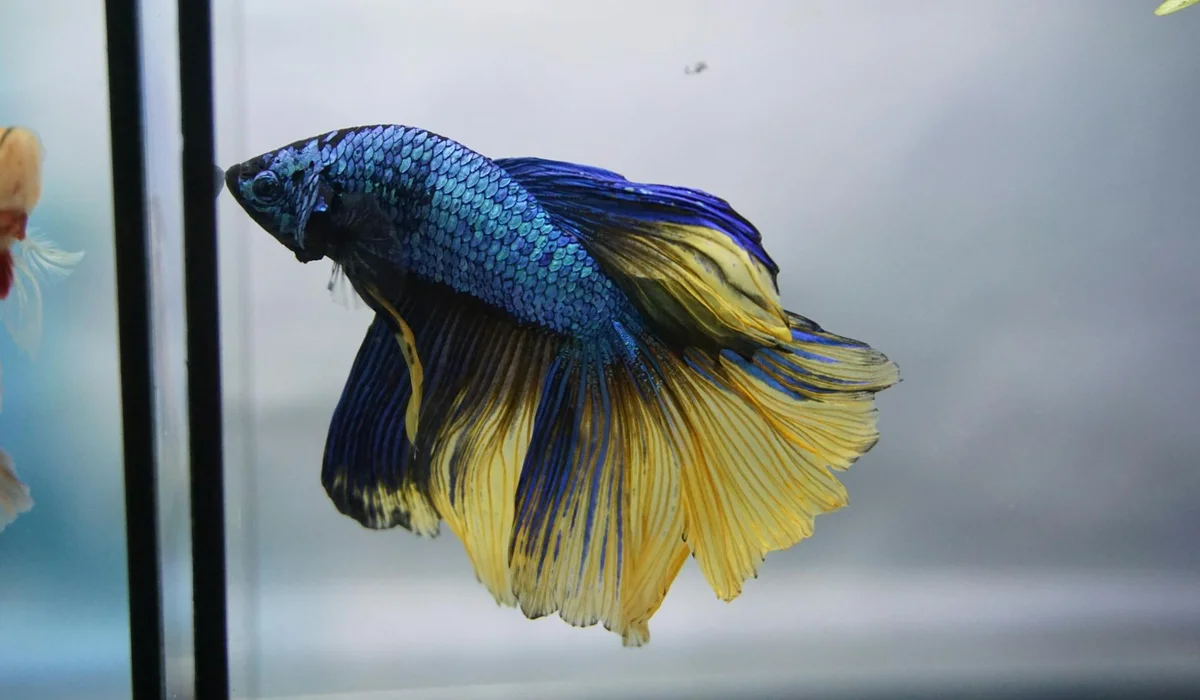
Watch for clamped fins or fish hiding constantly-these are early stress signs in nano environments. If your betta like Captain Fin stays at the bottom, it might mean water quality issues or insufficient hiding spots. I’ve found that adding live plants like java fern can reduce stress by providing cover.
- Signs of illness include white spots (indicating ich), rapid gill movement, or loss of appetite; quarantine affected fish in a separate container if possible.
- For diet adjustments, offer varied foods like frozen brine shrimp twice a week to boost immunity, and avoid overfeeding-give only what fish eat in two minutes.
- Adjust the tank environment by maintaining a steady temperature of 74-78°F for tropical species and ensuring low flow filters to prevent exhaustion in small fish.
Sometimes, simple tweaks like repositioning decor or adding an air stone for oxygen can turn things around. From keeping Shadow, my corydoras, I learned that sandy substrates prevent barbel damage and encourage natural foraging behavior. Regularly observe your fish during feeding to catch issues early.
FAQs
What is a nano aquarium return pump and why is it important?
A nano aquarium return pump circulates water to enhance flow, especially in sump systems or advanced planted and reef tanks. It prevents dead spots by distributing oxygen and nutrients evenly, which is vital for fish health and plant growth. In small tanks, consistent circulation also helps reduce waste buildup and algae issues.
Where can I buy a nano aquarium return pump in Australia?
In Australia, nano aquarium return pumps are available at local pet stores, specialized aquarium shops, and online retailers like Amazon AU or eBay Australia. You can also check dedicated aquatic websites that ship nationwide for a wider selection. Visiting stores in person allows you to compare models and get expert advice tailored to your tank’s needs.
How much does a nano aquarium return pump cost?
The cost of a nano aquarium return pump typically ranges from $20 to $100 USD, depending on brand, flow rate, and features. Basic models start around $20 for simple circulation, while premium pumps with adjustable settings and quiet operation can reach $100 or more. Investing in a reliable pump ensures efficient performance and longevity for your nano setup.
What are some reviews for nano aquarium return pumps?
Reviews for nano aquarium return pumps often highlight brands like Eheim and Sicce for their quiet, durable operation and consistent flow. Users appreciate how these pumps minimize noise while supporting healthy tank environments, though some budget options may have reliability issues. Checking multiple sources, such as aquarium forums or retailer sites, can help you find a pump that suits your specific requirements.
Your Nano Adventure Awaits
Success with a nano tank hinges on stability, so focus on consistent water changes and never overstock your tiny ecosystem. Patience during the initial setup cycle is your single most important tool for creating a thriving, miniature world.
Remember that you are a steward for living creatures, and their well-being depends entirely on your care and knowledge. The most rewarding part of this hobby is the journey of continuous learning, watching your skills grow alongside your aquarium.
Further Reading & Sources
- Nano Tanks – EVERYTHING You Need to Know – BRS Fresh
- Starting a Nano Aquarium | Tropical Fish Hobbyist Magazine
- Our complete guide to nano aquariums & tanks – Complete Koi
- Easy Guide to Nano Aquariums – DustinsFishtanks
- r/PlantedTank on Reddit: My first nano tank as an absolute beginner: detailed budget and plans, and a plea (cry?) for help and advice
Lia is an expert in aquarium and pet fish care. Having worked in the marine industry and having cared for multiple pet fish, she has acquired first hand expertise on aquarium care, maintenance and setup. She always brings her practical expertise and science to help solve any aquarium related queries.
Aquascaping