
Sand vs. Gravel: The Ultimate Aquarium Substrate Showdown
Hello fellow aquarists! That moment staring at the bags of sand and gravel in the fish store is a real dilemma. Your choice will shape the entire look of your tank and, more importantly, the health of your fish.
This guide will walk you through every detail to help you pick the perfect foundation. We will cover:
- The visual impact and aquascaping potential of each
- How easy (or difficult) they are to keep clean
- Which substrate is safest for bottom-dwelling fish like corydoras
- Plant growth and root development in sand versus gravel
- The real cost and setup process for both options
I’ve made this choice for everything from delicate shrimp tanks to my active cichlid community, learning what works through years of hands-on experience.
Understanding Aquarium Substrate Basics
Your aquarium’s substrate is so much more than just decoration. It forms the foundation of your entire aquatic ecosystem. The material you choose directly impacts your water chemistry, your fish’s well-being, and the success of your live plants. If you’re aiming for live plants, their key benefits become clear when the substrate supports their growth. A nutrient-rich substrate helps plants root, absorb minerals, and contribute to a balanced ecosystem. Think of it as the soil in a garden; its quality dictates what can grow and thrive.
A good substrate houses beneficial bacteria that help break down waste. It also influences the behavior of your fish. My Corydoras, Shadow, is a perfect example. A soft, fine substrate is non-negotiable for bottom-dwellers, as rough gravel can damage their delicate barbels and undersides. Choosing the right one is a key step in responsible fish keeping.
Sand vs. Gravel: Breaking Down the Key Differences
Physical and Chemical Properties
The battle between sand and gravel really comes down to their fundamental properties. Gravel, with its larger, chunkier pieces, allows for excellent water flow through the gaps between stones. This open structure prevents dangerous anaerobic pockets from forming, making gravel a very stable, low-risk option for beginners. You’ll see debris settle on top, which makes vacuuming a straightforward task.
Sand, being much finer, packs together tightly. This can be a double-edged sword. While the dense surface prevents fish waste and food from sinking down, it can also trap gases if not stirred occasionally. Chemically, most standard sands and gravels are inert, meaning they won’t alter your water’s pH. However, some specialty sands like aragonite can slowly release minerals and buffer your pH higher, which is perfect for African cichlids but not for a Betta like Captain Fin.
Grain Size and Its Impact
Grain size is the single biggest factor in your day-to-day tank experience. Here’s how it breaks down:
- Fine Sand (Under 1mm): Creates a beautifully smooth landscape. It’s the only safe choice for delicate fish like Corydoras and loaches. The fine grains are too heavy to be easily sucked into most filters, but they can compact over time. I gently stir the top layer in my tanks during weekly maintenance to prevent any gas buildup.
- Medium Gravel (2-5mm): This is the workhorse of the aquarium world. The size is ideal for most hang-on-back filters, as it’s too heavy to get siphoned up but still allows for good water circulation. It’s a fantastic all-purpose choice for community tanks without sensitive bottom-feeders.
- Coarse Gravel (5mm+): While it creates a dramatic, rocky look, coarse gravel has significant drawbacks. Fish waste and uneaten food will fall deep between the stones, fouling your water and making cleaning difficult. I generally avoid large, coarse gravel because it can become a hidden trap for decaying organic matter.
The size of the grains also dictates how well live plants can establish themselves. Fine sand can sometimes be too dense for plant roots to spread easily, while medium gravel offers pockets for roots to take hold without being too compact. For a heavily planted tank, many aquarists use a layer of nutrient-rich soil beneath a cap of sand or fine gravel to get the best of both worlds.
Weighing the Pros and Cons of Sand and Gravel
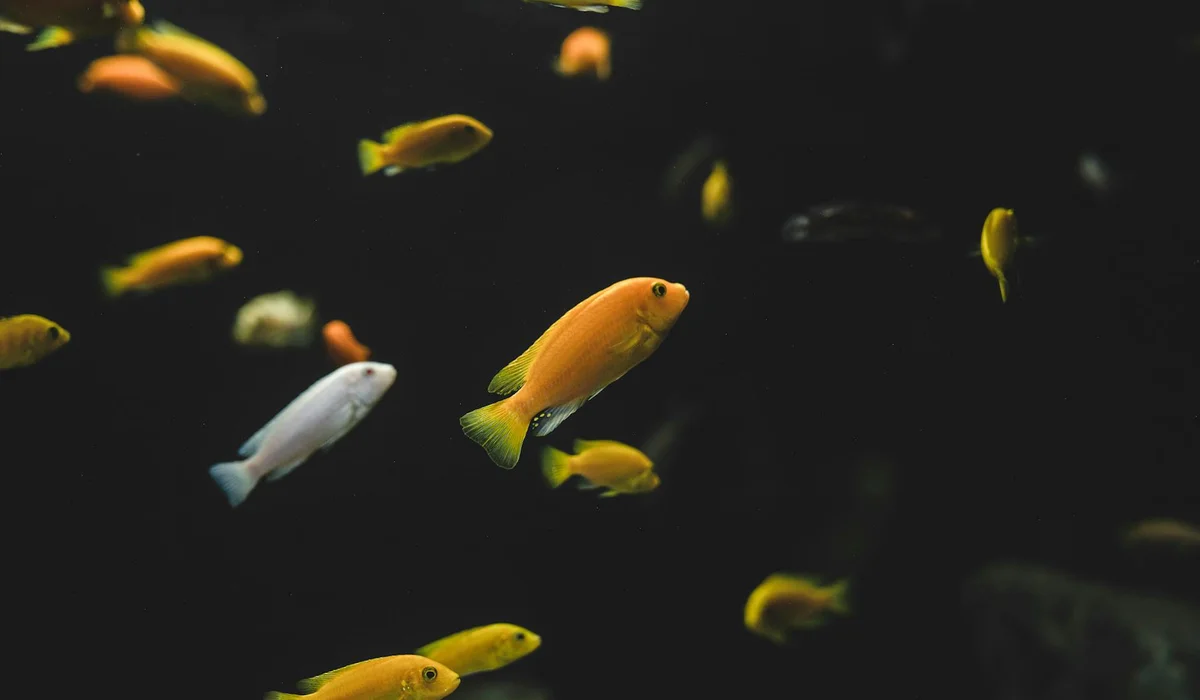
Advantages and Drawbacks of Sand Substrate
Sand creates a sleek, natural riverbed look that many fish adore. Its fine particles are gentle on delicate barbels and bellies.
- Ideal for bottom dwellers like Corydoras and loaches, preventing barbel erosion.
- Excellent for rooting and anchoring delicate carpeting plants like Dwarf Hairgrass.
- Waste sits on the surface, making spot-cleaning during water changes straightforward.
- Creates a very natural, aesthetically pleasing biotope for many species.
- Compacts easily, which can create dangerous anaerobic pockets that release hydrogen sulfide gas.
- Can be sucked up easily by gravel vacuums, requiring a pinched hose or a specialized technique.
- Prone to debris sitting on top if not disturbed, which can look unsightly.
- Some types, like play sand, need extensive rinsing to avoid clouding your tank.
I find that a thin layer of sand, no more than two inches deep, prevents most compaction issues while still offering all the benefits.
Advantages and Drawbacks of Gravel Substrate
Gravel is the classic, workhorse substrate that many aquarists start with. Its larger size offers distinct advantages and some limitations. With the right setup, gravel can support healthy rooted plant growth by anchoring roots. To successfully grow aquarium plants in gravel substrate, pair it with nutrient-rich root tabs or fertilizers and ensure adequate lighting.
- Excellent water flow through the substrate, promoting healthy aerobic bacterial colonies.
- Extremely easy to clean with a standard gravel vacuum; waste is readily pulled from between the pieces.
- Available in a huge variety of colors and sizes to match any tank’s decor.
- Provides a stable anchor for the roots of larger, heavier plants like Amazon Swords.
- The gaps between stones can trap uneaten food and waste, decaying out of sight.
- Sharp-edged gravel can damage the delicate fins of fish like Bettas or injure the barbels of catfish.
- Too large of a gravel size can make it difficult for plant roots to establish and spread.
- Some fish, like goldfish, may try to eat smaller pieces, which is a serious choking hazard.
Choosing a smooth, rounded gravel in a small to medium size mitigates the risks for most community tanks.
How Substrate Choice Shapes Your Aquarium’s Health
Role in Biological Filtration
Your substrate is not just decoration; it’s a massive apartment complex for beneficial bacteria. These microscopic tenants are the backbone of your tank’s nitrogen cycle, processing harmful ammonia from fish waste.
Gravel, with its loose structure and high surface area, is a powerhouse for housing these bacteria. The constant water flow between the pieces ensures oxygen-rich conditions where nitrifying bacteria thrive.
Sand can also host bacteria, but primarily on its surface. Deep sand beds risk going anaerobic, where a different set of bacteria live without oxygen. While these can eventually help break down nitrates, a disturbed deep sand bed can release toxic gas bubbles.
Influence on Fish and Plant Well-being
The substrate you choose directly impacts the daily lives of your tank’s inhabitants. It’s the terrain they interact with every single day. Regular maintenance is key to keeping the substrate clean and promoting long-term stability in the tank. With the right substrate and a consistent care routine, you can maintain a clean substrate long term.
For fish like my Corydoras, Shadow, a soft sand bed is a necessity, not a luxury. They constantly sift through it for food, and sharp gravel would wear down their sensitive whiskers, leading to infections. Matching your substrate to your fish’s natural behavior is one of the simplest acts of preventative care you can provide.
For plants, substrate is their foundation. Root feeders like swords and crypts need a substrate they can easily root into to draw nutrients. Sand can sometimes be too dense, while very large gravel doesn’t hold roots well. Many planted tank enthusiasts use a nutrient-rich substrate underneath a cap of sand or fine gravel to give plants the best of both worlds.
Matching Substrate to Your Aquarium’s Inhabitants and Setup
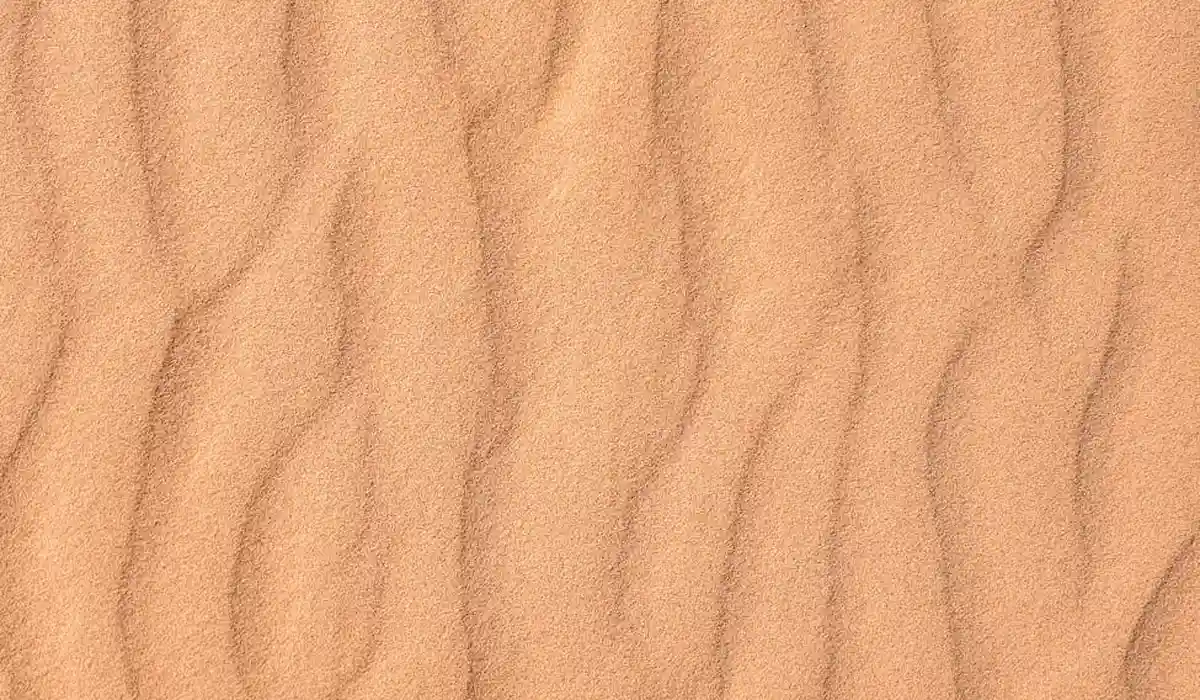
Ideal Substrates for Freshwater Tanks
Your choice between sand and gravel often comes down to the world you’re building. A tank full of boisterous goldfish like my Goldie has very different needs than a serene aquascape for a betta.
For active, messy fish such as goldfish and cichlids, I almost always recommend a larger gravel. Larger gravel particles prevent food and waste from sinking deep, making it much easier to clean with a vacuum. Fine sand can compact around decomposing matter, creating pockets of toxic gas that are released in a dangerous bubble when disturbed.
If you’re planning a community tank with a mix of fish, a medium-grain sand is often the most versatile choice. It’s a fantastic middle ground that suits a wide variety of species. When selecting which fish to keep together, consider compatibility—choose species with similar temperaments and water needs. That helps create a harmonious, thriving tank on that versatile sand backdrop.
Substrate for Rooting Plants vs. Epiphytic Plants
This is where your aquascaping dreams meet reality. Your plant selection should directly influence your substrate.
For heavy root feeders like Amazon Swords, Cryptocorynes, and dwarf hairgrass, you need a substrate that delivers nutrients. Planted tank substrates or nutrient-rich aquasoils are purpose-built for these plants, releasing a steady stream of fertilizers directly to the roots. You can also use inert sand or gravel and supplement with root tabs placed near the plant bases, which is my go-to method for budget-friendly planted tanks.
Epiphytic plants, such as Anubias, Java Fern, and Bucephalandra, are a different story. They absorb nutrients from the water column through their leaves and rhizomes. Their roots are primarily for anchoring, not feeding, so they should be attached to driftwood or rocks, not buried in the substrate. For these plants, your substrate choice is purely aesthetic, as it won’t contribute to their nutrition.
Considerations for Specialized Fish Behaviors
Watch how your fish interact with the bottom of the tank. Their natural behaviors are your best guide.
Bottom-dwelling fish like Corydoras catfish, loaches, and some types of geophagus cichlids are built for sand. Fine, smooth sand is essential for species like Corydoras, as sharp gravel can damage their delicate barbels and undersides, leading to infections. My Cory, Shadow, loves to sift through the sand with his face, a behavior you’d never see in a gravel tank.
Other fish have unique needs. Many dwarf cichlids, like Apistogramma, are cave spawners and will appreciate a substrate they can rearrange to their liking. Fish that like to dig or burrow will find sand much easier to move and shape for their nests and territories. For goldfish, who are notorious for trying to eat everything, a gravel size too large to fit in their mouths is a critical safety measure.
Practical Steps for Substrate Setup and Maintenance

How to Properly Rinse and Add Substrate
Cloudy water is almost always a result of skipping this step. A little patience here saves you a huge headache later.
- Pour a small amount of substrate (no more than a few cups at a time) into a clean, 5-gallon bucket.
- Fill the bucket with water and vigorously stir the substrate with your hand.
- Carefully pour out the milky water, trying not to lose any substrate. A colander can help.
- Repeat this process until the water you pour out runs almost completely clear. This can take 5-10 rinses for dusty substrates.
To add it to your tank, first ensure the tank is empty and dry if it’s a new setup. Gently pour the rinsed substrate directly onto the bottom glass to prevent cracks, or use a cup to lower it in slowly. Slope the substrate higher in the back for a great sense of depth in your aquascape.
Routine Substrate Maintenance and Cleaning
Keeping your substrate clean is the key to preventing nitrate spikes and keeping your water crystal clear.
For gravel, use a gravel vacuum during your weekly water changes. Push the siphon tube down into the gravel to stir up the debris trapped between the pieces, letting the vacuum pull the waste out without removing too much substrate. This method cleans aquarium gravel effectively while preserving beneficial bacteria. Work in small sections each week to clean the entire bottom over a month.
For sand, you need a lighter touch. Hold the siphon tube about an inch above the sand’s surface and swirl it in a circular motion; this will pull up the settled waste while leaving the heavier sand behind. Be careful not to dig the siphon into the sand, as this can disrupt anaerobic bacteria pockets and release harmful hydrogen sulfide gas.
Aquarium substrate is more than just decoration; it’s a living part of your tank’s ecosystem. A clean, well-chosen substrate supports the health of your entire aquarium, from the fish that swim above it to the tiniest beneficial bacteria living within it.
Common Questions
Is sand or gravel easier to maintain in an aquarium?
Maintenance differs significantly between the two. Gravel is generally easier for beginners to clean with a standard vacuum, as waste sits on top or loosely between the stones. Sand requires a more gentle hovering technique to avoid sucking it up, and it needs occasional stirring to prevent dangerous gas pockets from forming.
Which substrate is better for a planted aquarium?
The best substrate depends on your plant types. For heavy root-feeding plants, a nutrient-rich soil capped with sand or fine gravel is often ideal. While gravel allows good water flow for roots, very fine sand can compact and hinder root growth if not managed carefully, making a medium gravel a good all-purpose choice. Especially in planted aquariums, ensuring the right substrate is crucial for root health.
I’ve heard sand can cause toxic gas pockets. Is this true?
Yes, this is a potential risk with sand. If the sand bed is too deep and becomes compacted, it can develop anaerobic zones where bacteria produce hydrogen sulfide gas. This is easily prevented by keeping the sand layer thin (under 2 inches) and gently stirring the surface during routine maintenance.
So, which is ultimately better for my fish tank: sand or gravel?
There is no single “best” substrate; the ideal choice depends on your specific tank inhabitants. Gravel is a versatile, low-maintenance option for many community tanks. However, sand is non-negotiable for the health of bottom-dwelling fish like Corydoras and is preferable for fish that like to dig or sift. For a quick guide on choosing, see our aquarium substrate guide on how to pick the right gravel or sand for your setup. It explains the pros and cons of each and which tank types they suit best.
Your Perfect Substrate Awaits
For a thriving tank, match your substrate to your fish’s needs—sand protects sensitive bottom-dwellers, while gravel offers easy maintenance for busy aquarists. In practical terms, deep sand beds vs bare bottom tanks are common comparisons among aquarists. They highlight trade-offs in filtration, detritus handling, and upkeep. Your choice directly impacts water clarity and fish happiness, so pick based on your specific setup and inhabitants.
Caring for an aquarium is a rewarding journey that grows with your knowledge and attention to detail. Embrace the learning process, and you’ll create a beautiful, balanced home where your fish can flourish for years to come. Knowing which tasks are essential and how often to perform them is key. A steady routine for testing, cleaning, and water changes keeps the tank balanced.
Further Reading & Sources
- r/Aquariums on Reddit: Sand vs gravel?
- Sand as a (Superior) Substrate – Advanced Aquarium Concepts
- Aquarium Sand vs Gravel vs Soil: Which to Choose, and Why? – BRS Fresh
- Sand vs. Gravel | Aquarium Advice Forum Community
- Better substrate for freshwater plants, Sand or Gravel? | Aquarium Forum
Lia is an expert in aquarium and pet fish care. Having worked in the marine industry and having cared for multiple pet fish, she has acquired first hand expertise on aquarium care, maintenance and setup. She always brings her practical expertise and science to help solve any aquarium related queries.
Aquascaping