
Aquarium Substrate Uncovered: Your Blueprint to a Stunning, Healthy Tank
Hello fellow aquarists! That moment of uncertainty when setting up a new tank-staring at the empty bottom and wondering what to add-is something we’ve all faced. Choosing the right substrate is the first step to creating a vibrant underwater world where your fish can truly flourish.
In this guide, we’ll explore:
- What aquarium substrate actually is and its vital roles
- The pros and cons of different substrate types
- How to match substrate to your specific fish and plants
- Simple steps to select and set up your perfect base
With years of hands-on experience maintaining high-tech planted tanks and breeding fish, I’m here to share practical insights that work.
What Exactly Is Aquarium Substrate?
Think of substrate as the literal foundation of your aquarium’s ecosystem. It’s the material you layer on the bottom of the tank. This isn’t just decorative gravel from a pet store vase. In a functioning aquarium, substrate is a dynamic, living part of the environment.
I’ve seen many new aquarists treat substrate as an afterthought, but choosing the right one is one of your most impactful early decisions. Your choice of substrate directly influences water chemistry, plant health, and the well-being of your bottom-dwelling fish like my corydoras, Shadow. It can be as simple as plain quartz gravel or as complex as nutrient-rich volcanic soil.
The Superpowers of Substrate in Your Tank
Substrate does so much more than just look pretty. A high-quality substrate works quietly in the background, performing several critical jobs that keep your tank healthy and stable.
Home for Helpful Bacteria
The beneficial bacteria that drive your tank’s nitrogen cycle don’t just live in your filter. A vast colony makes its home in your substrate. This porous material provides an enormous surface area for these microscopic cleaners to attach and thrive. That cycle transforms ammonia to nitrite and then to nitrate, protecting fish from toxic spikes. A stable nitrogen cycle is essential for a healthy, low-stress aquarium.
Imagine your filter is the main city for bacteria, but your substrate is the sprawling suburbs. This secondary bacterial colony acts as a crucial biological backup, helping to process fish waste and other toxins that settle on the tank floor. A deep, porous substrate gives you a more resilient and stable ecosystem, which is a huge relief during unexpected filter issues.
- Porous is powerful: Smaller-grained or irregularly shaped substrates like sand, fine gravel, or specialty soils have more nooks and crannies for bacteria than large, smooth pebbles.
- Depth matters: A substrate bed of at least 2 inches deep is ideal for fostering a substantial bacterial colony.
- Prevents dead zones: Stirring the top layer gently during water changes prevents compacted, oxygen-poor areas where harmful bacteria can grow.
Feeding Your Aquatic Plants
If you want a lush, planted tank that shimmers with life, your substrate is your plants’ pantry. Rooted aquatic plants absorb most of their nutrients directly through their root systems, drawing sustenance from the substrate bed.
Using an inert substrate like plain sand or gravel is like trying to grow a tomato plant in a pot filled with marbles. For vibrant plant growth, you need a substrate that contains or can hold onto essential nutrients like iron, potassium, and nitrogen. Beyond substrate choices, fertilization methods matter. A guide to fertilizing aquarium plants often compares liquid fertilizers and root tabs to show which feeds from the water column versus the substrate. My heavily planted tanks absolutely thrived once I switched to using nutrient-rich aquasoils.
Here are your main options for feeding plants through the substrate:
- Nutrient-Rich Aquasoils: These specialized substrates are packed with nutrients and often lower pH, perfect for sensitive plants and soft water fish. They are typically active, meaning they alter your water chemistry.
- Inert Substrate with Root Tabs: If you love the look of sand but want to grow plants, you can push fertilizer tablets into the substrate every few months to create little nutrient pockets for the roots.
- The Dirted Tank (Walstad Method): A thin layer of organic potting soil beneath a cap of sand or fine gravel. This is a powerful, low-tech method, but it requires careful setup to avoid a muddy mess.
Creating a Beautiful Underwater Scene
The aesthetic role of substrate is undeniable. It’s the canvas upon which you paint your aquatic masterpiece. The color, texture, and composition you choose set the entire mood of the aquarium.
A dark substrate, like black sand or fluval stratum, makes the colors of your fish truly pop. My betta, Captain Fin, looks absolutely electric against a dark background. A natural-colored substrate replicates the look of a riverbed or lake bottom, making your fish feel more secure and encouraging natural foraging behaviors. Watching Goldie sift through fine sand for food is a completely different experience than seeing her over bare glass.
Beyond just color, consider the texture for your fish’s sake. Corydoras and other bottom dwellers have delicate barbels (whiskers) that can be damaged by sharp, coarse gravel. For them, smooth sand is not just a preference; it’s a necessity for their health and happiness.
Exploring Different Types of Aquarium Substrates
Gravel: The All-Rounder
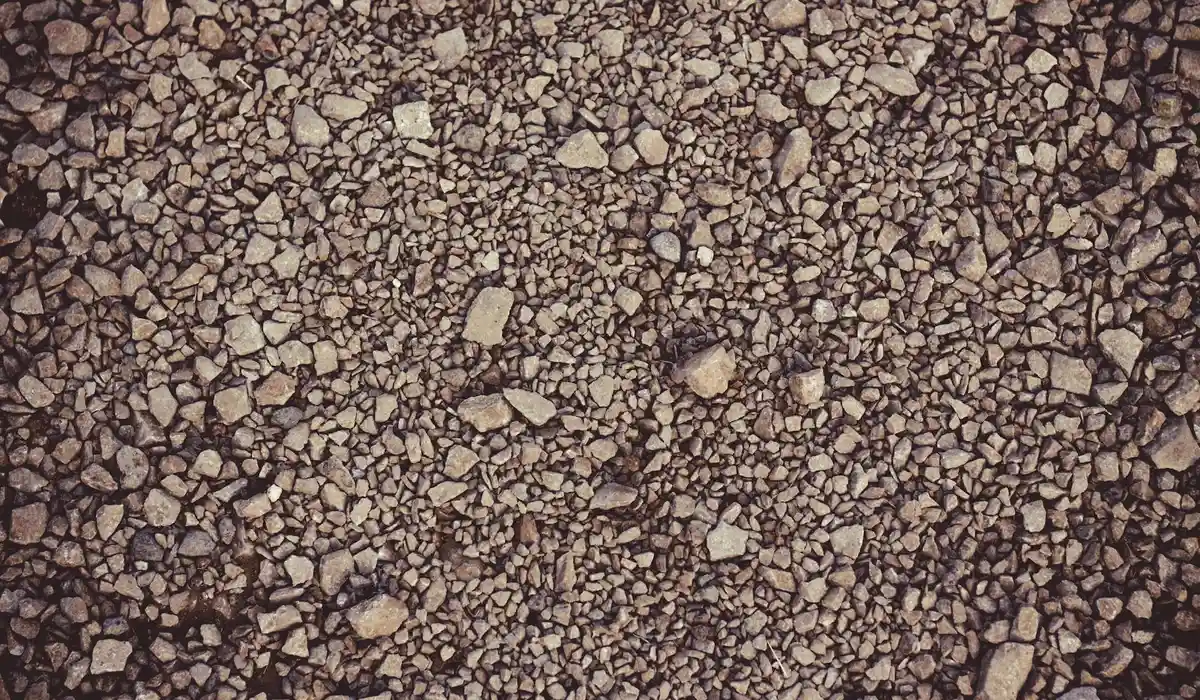
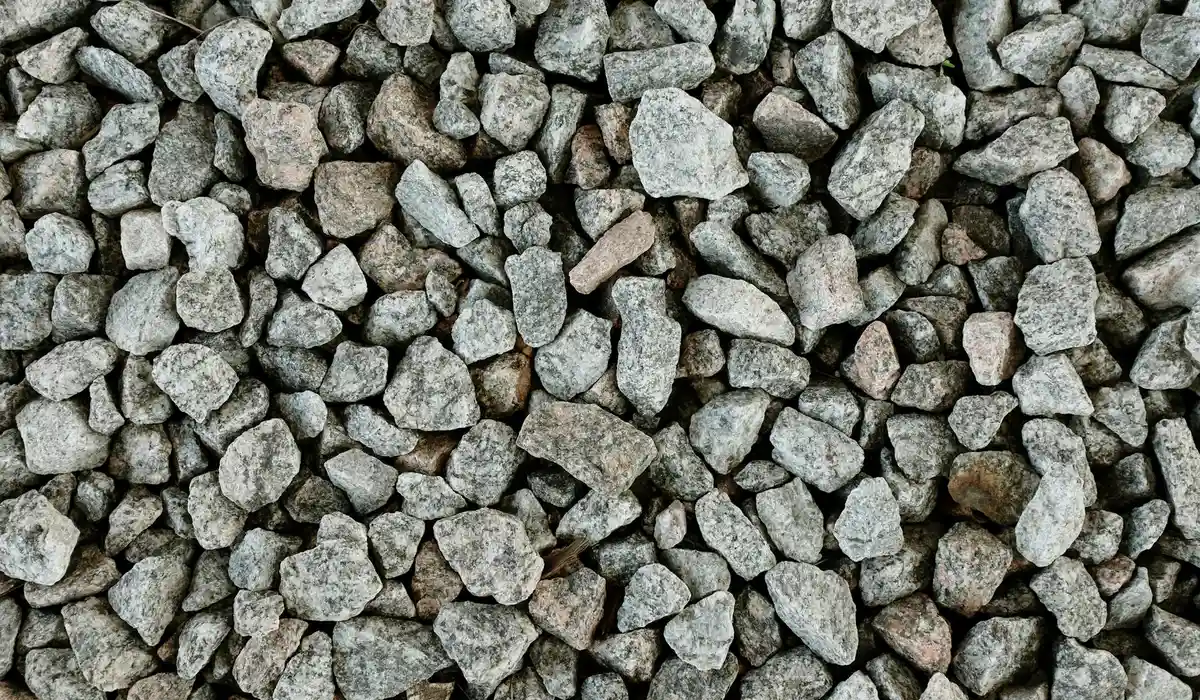
This is the classic choice you’ll find in most pet stores, and for good reason. Gravel comes in a huge variety of colors and sizes, from tiny pea gravel to larger, polished river stones. I always recommend a medium grain size, around 3-5 millimeters. This size is perfect because it allows for good water flow, preventing dangerous anaerobic pockets, while still being easy to vacuum during water changes. It’s a durable, budget-friendly option that works for many community tanks.
- Best For: Beginners, most community fish, and tanks with plastic or hardy plants like Java Fern.
- Watch Out For: Fine debris can fall between the pieces, so regular gravel vacuuming is a must. Sharp-edged gravel can also harm delicate fish barbels.
Sand: Soft and Natural
The fine, soft texture of sand creates a beautifully natural look that many fish absolutely adore. Watching my Corydoras, like Shadow, sift through sand with their delicate barbels is a true joy you don’t get with gravel. Sand provides a safe, natural environment for bottom-dwellers and many burrowing species, encouraging their innate foraging behaviors. A fine layer can compact, so I occasionally stir the top layer with a chopstick during maintenance to keep it healthy.
- Best For: Bottom-dwelling fish (Corydoras, loaches), cichlids that like to dig, and creating smooth, modern aquascapes.
- Watch Out For: Can compact and create gas pockets if too deep; use a substrate depth of 1-2 inches. Requires a gentle vacuuming technique to avoid sucking it all up.
Aquatic Soil: The Plant Powerhouse
If you dream of a lush, planted aquarium, this is your secret weapon. Aquatic soils, like those from ADA or Fluval, are packed with nutrients like iron and potassium that plant roots crave. Using an active substrate like this was a game-changer for my plant growth, providing a steady supply of nutrients right at the root zone for vibrant, healthy leaves. Essential nutrients—macros like nitrogen, phosphorus, potassium, and micronutrients such as iron—are what healthy aquarium plants rely on to thrive. Providing them at the root zone through an active substrate helps keep leaves vibrant and growth steady. They often soften water and lower pH slightly, which is ideal for many tropical fish and plants from soft water habitats.
- Best For: High-tech and low-tech planted tanks, shrimp tanks, and aquariums with fish that prefer soft, acidic water (like Tetras or Discus).
- Watch Out For: It can be messy initially and will need replacing every 1-2 years as the nutrients deplete. It also buffers your water parameters, which you must account for.
Inert Substrates: Neutral and Simple
Inert substrates, like certain types of sand, gravel, or crushed coral, do not alter your water chemistry. What you see is what you get. This predictability makes inert substrates an excellent choice for beginners or for aquariums with fish that require stable, specific water parameters, like many African Cichlids that need hard, alkaline water. You can always add root tabs later to feed your plants without changing the water’s core chemistry.
- Best For: African Cichlid tanks, saltwater aquariums, and keepers who want total control over their water chemistry.
- Watch Out For: Offers no nutritional value for plants on its own, so you’ll need to supplement with liquid fertilizers or root tabs for a planted tank.
How Substrate Shapes Your Aquarium’s World
Balancing Water Chemistry
Your substrate is not just decoration; it’s an active participant in your tank’s chemistry. An active substrate like aquatic soil will pull minerals from the water, softening it and lowering the pH. Conversely, a substrate like crushed coral will slowly dissolve, releasing calcium carbonate to raise the pH and general hardness (GH). Testing your tap water first is the single most important step, as it tells you what kind of substrate will help you achieve a stable environment instead of fighting against your source water. A stable pH is far more critical for fish health than chasing a “perfect” number.
Matching Substrate to Your Fish Friends
Think about who lives in your tank. My feisty Betta, Captain Fin, doesn’t care much about the bottom, but my Goldie the Oranda and Shadow the Corydoras absolutely do. Goldfish are messy and can accidentally ingest small gravel, so large, smooth stones or coarse sand are safer. For Shadow and other Corydoras, sharp gravel can wear down and injure their sensitive barbels, making soft sand the only humane choice. Always research the natural habitat of your fish; a species that evolved to sift through river sand will be stressed and may starve on large, sharp gravel. Your substrate choice directly impacts their well-being and happiness.
Your Step-by-Step Guide to Picking the Perfect Substrate
Step 1: Know Your Tank’s Goals
Before you buy a single bag of gravel, you need to decide what you want your aquarium to be. Your overall vision for the tank is the single biggest factor in your substrate choice. A high-tech planted tank aiming for a lush, green carpet has completely different needs than a crystal-clear cichlid display. If you’re choosing between a species-only vs community tank guide and a community setup, that decision will guide your substrate and layout choices as much as the fish you keep. This guide helps you pick the setup style that best fits your goals and care level.
I always ask myself: is this tank for growing plants, showcasing fish, or trying to replicate a specific natural habitat? For my betta Captain Fin’s home, I chose a dark, plant-friendly substrate to make his iridescent colors pop and to support the Amazon sword plants he loves to rest on.
- Heavy Planting: You need a nutrient-rich substrate or a base layer capped with an inert sand or gravel.
- Fish-Only Show Tank: Inert, easy-to-clean sand or gravel works best, with color chosen to complement your fish.
- Breeding Tank: Many breeders use bare bottoms for supreme cleanliness, or a thin layer of smooth sand for egg-scatterers.
- Natural Biotope: Research the exact riverbed or lake bottom your fish come from and try to match its composition and color.
Step 2: Consider Your Aquatic Life
Your fish and invertebrates are not just decorations; they interact with the substrate every single day. Their health and natural behaviors depend on you making a considerate choice. The wrong substrate can lead to stress, injury, or even starvation for some species.
Think about how your aquatic pets eat, sleep, and play-this will immediately narrow down your options. My corydoras, Shadow, would be miserable and risk damaging his delicate barbels on sharp gravel, which is why he only gets soft, fine sand to sift through.
- Bottom Dwellers (Corydoras, Loaches): Always choose soft, fine-grained sand. They filter it through their gills while foraging.
- Diggers (Cichlids, Some Gobies): Use a fine sand they can move and shape without it collapsing and trapping them.
- Long-Finned Fish (Bettas, Goldfish): Avoid rough, sharp-edged substrates that can tear delicate fins. Rounded gravel or sand is safest.
- Shrimp and Snails: They thrive on surfaces that grow biofilm. Inert sand or smooth gravel provides a perfect canvas for this micro-food.
Step 3: Plan for Easy Upkeep
Let’s be honest: a beautiful tank that’s a nightmare to clean will eventually become a neglected tank. Your substrate choice has a huge impact on your long-term maintenance routine. Lighter-colored substrates show every speck of waste and algae, while certain types can compact and create toxic gas pockets over time.
Your future self will thank you for choosing a substrate that simplifies water changes and vacuuming, not one that fights you every step of the way. I learned this the hard way with a coarse, light-colored gravel that made tank cleaning a constant battle to keep it looking presentable. For easy cleaning, opt for a substrate that can be vacuumed cleanly and quickly, so debris lifts out rather than clinging to the grains. Clean vacuuming of aquarium gravel becomes much more efficient when the substrate is chosen with maintenance in mind.
- Waste Visibility: Darker substrates hide detritus and mulm better than white or light-colored ones.
- Vacuuming Ease: Medium-sized, smooth gravel is the easiest to vacuum without sucking up the substrate itself.
- Compaction Risk: Very fine sand can compact, limiting root growth and water flow. Stir it gently during maintenance to prevent this.
- Longevity: Some planted tank substrates break down over a few years and will eventually need replacing, adding to long-term cost and effort.
Setting Up and Caring for Your Substrate
How to Clean Substrate Without the Mess
Cleaning new substrate before it goes in your tank is non-negotiable. Even products labeled “pre-washed” can contain fine dust that will cloud your water for days. The goal is to remove this dust without losing half of your substrate down the drain.
The best method I’ve found is to use a large bucket and a hose, rinsing and agitating the substrate until the water running out of the bucket is almost perfectly clear. For small amounts of sand or gravel, a pasta strainer under running water works wonders, but be prepared for an arm workout.
- Pour your substrate into a clean, 5-gallon bucket, filling it no more than one-third full.
- Take the bucket outside or put it in a tub, then add water from a hose until it’s nearly overflowing.
- Use your hand to vigorously stir and swish the substrate around, dislodging all the fine particles.
- Carefully tip the bucket to pour out the murky water, using your hand to block the substrate from falling out.
- Repeat steps 2 through 4 at least five times, or until the water remains clear after stirring.
Getting the Depth Just Right
The depth of your substrate layer is a balancing act between form and function. Too shallow, and plant roots have nowhere to go. Too deep, and you risk creating anaerobic “dead zones” where harmful bacteria produce toxic hydrogen sulfide gas.
A good rule of thumb is a 2-inch depth for most general community tanks, but you should adjust this based on your specific plants and fish. In my heavily planted tanks, I’ll slope the substrate from about 1.5 inches in the front to 3 or 4 inches in the back to create a sense of depth and give root-feeding plants more room.
- Planted Tanks: Aim for a minimum of 2 to 3 inches to allow for robust root systems. Carpeting plants may need less, while large swords need more.
- Fish-Only Tanks: A 1 to 2-inch layer is plenty for aesthetics and is much easier to keep clean.
- Anaerobic Zones: Substrate deeper than 3 inches can become compacted and oxygen-deprived. Use Malaysian Trumpet Snails to naturally till and aerate the sand.
- Sloping: Creating a slope from front to back adds visual dimension and provides different depth zones for various plants.
Thinking Outside the Box: Substrate Alternatives and Ideas
You don’t always have to stick with the bagged gravel from the big-box store. Some of the most stunning and effective aquarium bottoms come from thinking creatively. Choosing an unconventional substrate can solve specific problems, like lowering pH for soft water species or providing a perfect canvas for your aquascaping vision. A quick sand vs gravel substrate comparison can help you pick the right option for your tank. Each substrate offers different benefits for plants, digging fish, and maintenance.
Natural and Collected Materials
Nature provides some fantastic options, but you must be incredibly careful. Never use materials from chemically treated areas, roadsides, or saltwater environments.
- Pool Filter Sand: This is my go-to for many community tanks. It’s incredibly fine, smooth for delicate barbels, and surprisingly affordable for large setups. It comes pre-washed, but you’ll still need to rinse it thoroughly. The bright, clean look makes fish colors truly stand out.
- Play Sand: Similar to pool sand but often even cheaper. The consistency can vary, so check for fine grains and give it an exhaustive rinse to remove cloudiness.
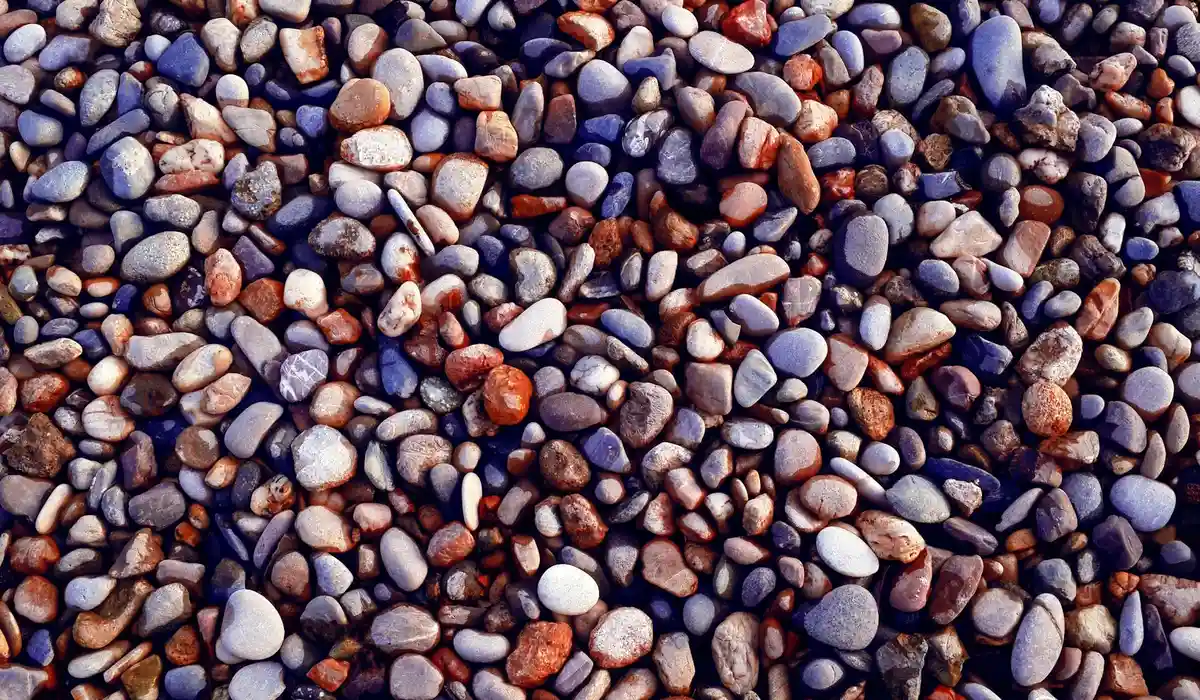
- River Rocks and Stones: Collected, smooth river stones are perfect for creating depth and structure. Use them to build up hardscape or create a stunning stone-only bottom that’s easy to vacuum. Boil them for 20 minutes to sterilize before adding to your tank.
Functional and Specialty Substrates
These substrates do more than just sit there; they actively improve your water chemistry or plant growth.
- Crushed Coral or Aragonite: If you keep African Cichlids or livebearers that need hard, alkaline water, this is your secret weapon. It slowly dissolves, releasing calcium carbonate that buffers your pH and keeps it stable. You can use a thin layer under your main gravel or mix it in.
- Peat Moss: The opposite of crushed coral, peat is used in a mesh bag under your substrate to softly acidify and soften water for species like Discus or Neon Tetras. It also releases beneficial tannins.
- Clay-Based Substrates: Products like laterite are packed with iron and other minerals. I always add a layer of this under my sand or gravel in heavily planted tanks; it acts as a long-term nutrient bank for root-feeding plants.
Creative and Bare-Bottom Tanks
Sometimes, the best substrate is no substrate at all. This is a highly practical, if controversial, choice.
- Bare-Bottom Tanks: A glass or acrylic bottom is incredibly easy to keep clean. All waste sits on the surface, ready for your siphon. This is the ultimate setup for quarantine tanks, fry grow-outs, and some high-waste fish like Goldfish. The shimmer of scales against a clean, clear bottom can be strikingly beautiful.
- The Patina Effect: In a mature bare-bottom tank, a thin layer of beneficial biofilm and algae often forms. This isn’t dirt; it’s a sign of a healthy, established ecosystem and provides a natural grazing surface for many fish.
FAQs
What is an aquarium substrate guide?
An aquarium substrate guide is a detailed resource that helps aquarists understand the various types of substrates and their roles in a tank. It covers how to select the right substrate based on factors like fish species, plant needs, and water chemistry. This guide simplifies the decision-making process to create a healthy and visually appealing aquatic environment. This naturally ties into a complete beginners guide to managing aquarium water parameters. By keeping an eye on pH, ammonia, nitrite, nitrate, and hardness, you can maintain a healthy tank while selecting substrates.
What is the aquarium substrate guide Reddit?
The aquarium substrate guide on Reddit refers to community-driven discussions and advice found on forums like r/Aquariums or r/PlantedTank. These threads offer real-world experiences and tips from hobbyists on substrate choices, setup techniques, and problem-solving. To successfully grow aquarium plants in a gravel substrate, choose an appropriate depth and consider root tabs or nutrient-rich supplements to support healthy root growth. While helpful, it’s best to verify this information with trusted sources to ensure accuracy for your specific tank conditions.
What is a planted aquarium substrate guide?
A planted aquarium substrate guide focuses on substrates that support lush plant growth by providing essential nutrients directly to the roots. It explains options like nutrient-rich soils or inert substrates supplemented with root tabs to foster healthy development. This type of guide also addresses how substrate choice affects water parameters and overall plant vitality in both low-tech and high-tech setups.
What is a substrate aquarium guide for beginners?
A substrate aquarium guide for beginners is a simplified introduction to choosing and using substrate in a new tank. It highlights easy-to-maintain options like gravel or sand and explains how to match them with common fish and basic plants. This guide helps newcomers avoid pitfalls by offering clear steps for setup and maintenance to ensure a successful start in the hobby. But for those ready to dive a bit deeper, selecting the right substrate is a crucial next step.
Your Substrate Journey Awaits
Pick a substrate that fits your fish’s needs and your tank’s purpose to create a stable, healthy environment. This choice directly impacts water clarity and your aquatic pets’ well-being, making daily care smoother and more rewarding. By fostering the right bacterial colonies, the substrate choice can help improve water quality. This supports healthy fish and a stable aquarium environment.
Responsible fishkeeping means always putting your pets’ health first through consistent maintenance and observation. Embrace the learning process by staying engaged with resources and fellow hobbyists to keep your aquarium thriving for years to come.
Further Reading & Sources
- Complete planted aquarium substrate guide
- How to Pick the Best Substrate for a Freshwater Planted Aquarium – Aquarium Co-Op
- Guide to Substrates by George Farmer | UK Aquatic Plant Society
- Aquascaping Elements: Planted Aquarium Substrate – Aquascaping Love
- Aquarium plant substrate vs glue placement guide needed
Lia is an expert in aquarium and pet fish care. Having worked in the marine industry and having cared for multiple pet fish, she has acquired first hand expertise on aquarium care, maintenance and setup. She always brings her practical expertise and science to help solve any aquarium related queries.
Aquascaping