
Your Guide to a Pristine Tank Floor: How to Clean and Maintain Substrate Long-Term
Published on: January 25, 2026 | Last Updated: January 25, 2026
Written By: Lia Annick
Hello fellow aquarists. I see you staring into your tank, wondering why the gravel looks dull or if that sand is hiding more waste than treasure.
Getting your substrate clean and keeping it that way is the secret to a truly healthy, crystal-clear aquarium.
This guide will walk you through everything you need to know, covering:
- The right cleaning methods for gravel, sand, and soil
- Choosing the best tools and equipment for the job
- Setting up a realistic cleaning schedule that works
- How to balance cleaning with your tank’s ecosystem
I’ve kept this knowledge flowing through years of running high-tech planted tanks and breeding sensitive fish.
Understanding Substrate and Its Role in Your Aquarium
-
Substrate is the material lining the bottom of your tank, such as gravel, sand, or specialized soil. It’s far more than decoration-it directly impacts your fish’s well-being and water clarity. For instance, in my setup, Shadow the Corydoras thrives when the substrate is soft and fine, allowing him to forage without injury. A proper substrate choice reduces stress and mimics natural habitats, which is key for fish like Captain Fin who need stable environments to show their best colors.
-
Your substrate is a powerhouse for managing ammonia and nitrates by hosting beneficial bacteria. These microorganisms colonize the substrate surface, breaking down fish waste and uneaten food into less harmful compounds. I’ve noticed tanks with ample substrate maintain steadier water parameters, preventing sudden ammonia spikes that could harm sensitive species. This bacterial action turns your substrate into a silent, efficient bio-filter that works around the clock. These are essential water parameters—pH, ammonia, and nitrates—and understanding them explains why substrate biology matters.
-
Imagine your substrate as the foundation of a house—if it’s weak or dirty, the whole structure becomes unstable. A clean, well-chosen substrate supports everything from plant roots to water chemistry, just like a solid foundation holds up walls and roofs. Investing time in substrate care pays off with clearer water and happier, more active fish. To choose the right gravel or sand for your tank, consult an aquarium substrate guide. It helps you tailor substrate to your fish and plants.
The Right Way to Vacuum and Clean Substrate
-
Start by using a gravel vacuum to siphon debris from the substrate surface. Gently push the vacuum tube into the gravel or sand, moving it in slow, overlapping passes to lift waste without digging too deep. In my experience, this method effectively removes detritus that clouds water and fuels algae. Regular, light vacuuming keeps your substrate clean without disrupting the beneficial bacteria colonies.
-
Combine substrate cleaning with weekly water changes by siphoning water directly into a bucket. Aim to replace 10-20% of the tank volume, and work calmly to avoid startling fish-I’ve found Goldie stays calm if I avoid sudden movements near her favorite spots. This dual approach maintains water quality while minimizing stress on your aquatic pets.
-
Never perform a deep clean of all your substrate at once, as it can wipe out essential bacteria. Instead, focus on one section per cleaning session, leaving other areas untouched. I learned this the hard way when overcleaning caused a mini-cycle in one of my betta tanks. Partial cleaning preserves the biological balance that keeps ammonia and nitrates under control.
-
Manage biofilm and prevent algae by vacuuming areas with visible buildup and ensuring good water flow. For algae-prone spots, lightly stir the substrate surface during cleaning to dislodge spores. Consistent, gentle maintenance discourages algae growth and promotes a healthier tank ecosystem. To prevent biofilm from coming back in your aquarium, maintain stable water parameters and perform regular water changes. Monitor feeding to avoid excess nutrients that fuel biofilm growth.
Long-Term Maintenance for Different Substrate Types
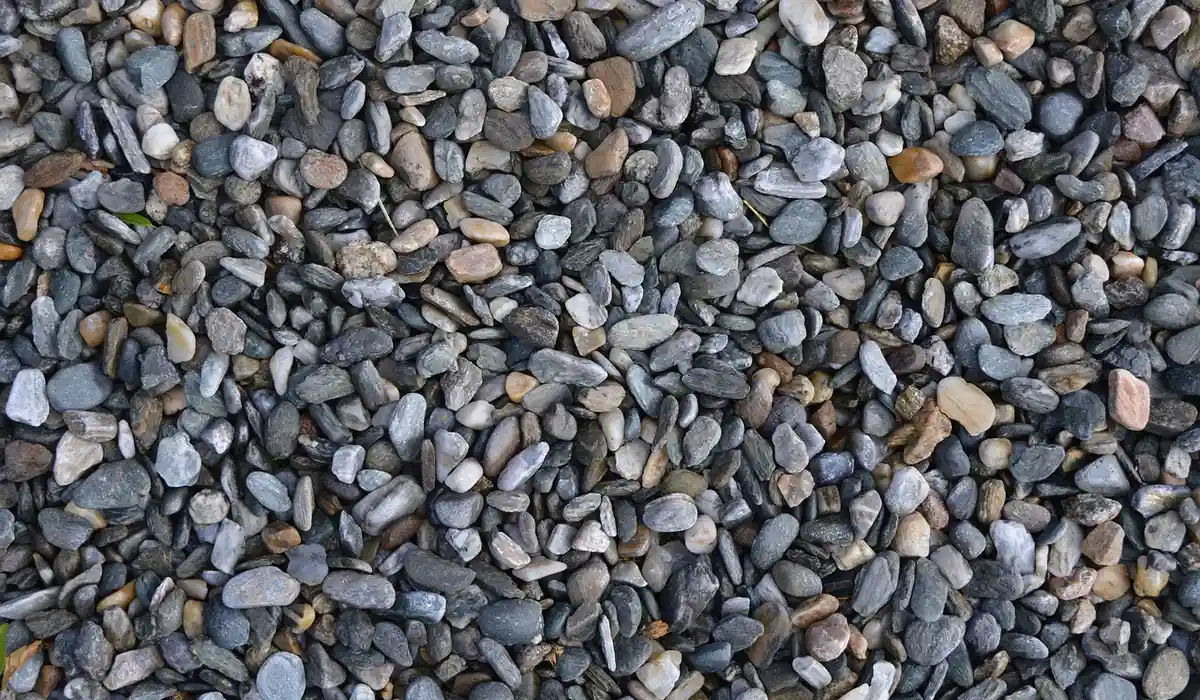
Your substrate choice dictates your cleaning routine. Treating all substrates the same is a fast track to water quality issues, so matching your maintenance to your tank’s floor is vital for a healthy ecosystem. When you compare sand and gravel, your cleaning plan changes with the substrate. Sand traps fine waste and needs careful siphoning, while gravel can be vacuumed more aggressively to remove larger debris.
Gravel
Gravel’s large gaps are a double-edged sword. They allow great water flow but also trap a shocking amount of debris. That flow is just as important as the filter itself, since movement oxygenates the water and helps the filter do its job. Without sufficient flow, debris can settle and toxins can accumulate even with a strong filter. I vacuum my gravel, like in Captain Fin’s tank, every single week without fail.
- Use a gravel vacuum and push it deep into the substrate to pull out the gunk.
- Aim for a depth of 1-2 inches; any deeper and you risk creating dead zones.
- No rotation is needed, but give the top layer a gentle rake during water changes to prevent surface compaction.
Sand
Sand is beautiful but demands a delicate touch. Its fine particles can smother beneficial bacteria if disturbed too harshly. For my bottom-dwellers like Shadow, I use a different technique.
- Gently stir the surface with a chopstick or your finger before a water change to release trapped gas.
- Hover the gravel vacuum just above the sand to suck up suspended waste without removing the sand itself.
- Keep sand beds shallow, under 2 inches, to prevent dangerous anaerobic pockets from forming.
Planted Substrates & Clay Pellets
These specialized substrates are powerhouses for plant roots but require a hands-off cleaning approach. They are soft and can break down over time.
- Never deeply vacuum a planted substrate. You will destroy the root systems and release a cloud of nutrients, causing an algae bloom.
- Instead, lightly wave the vacuum over the surface to remove loose debris.
- Replenish nutrient-rich substrates every 2-3 years, or when you notice plant growth slowing and the pellets turning to mush.
Coconut Fiber
Primarily used in paludariums or for specific amphibians, this organic substrate is all about moisture control.
- Spot-clean visible waste daily.
- Replace the entire substrate every 4-6 months to prevent mold and bacterial buildup.
- It is not suitable for most fully aquatic fish setups due to its tendency to decompose and alter water chemistry.
Troubleshooting Common Substrate Problems
Even with a perfect routine, problems can pop up. Recognizing these issues early is your best defense against a full-blown tank crisis. Your nose and eyes are your most important tools here.
Odor and Anaerobic Pockets
If you notice a rotten egg smell when you disturb the substrate, you have anaerobic bacteria producing hydrogen sulfide gas. This is toxic to fish.
- For sand, increase the frequency of your gentle stirring to once or twice a week.
- For gravel, ensure your vacuuming is deep enough to turn over the lower layers.
- Adding Malaysian Trumpet Snails can help, as they naturally burrow and aerate the substrate.
Black Buildup or Slime
Black patches are often cyanobacteria (blue-green algae) or a sign of extreme decay.
- Manually remove as much as possible with a siphon hose during a water change.
- Treat cyanobacteria by improving water flow over the area, reducing light duration, and ensuring you aren’t overfeeding.
- Black buildup in gravel usually means you need to vacuum more thoroughly.
Compaction and Discoloration
Compacted substrate chokes plant roots and creates those dreaded dead zones.
- Use your finger or a tool to gently break up the surface crust during maintenance.
- Discoloration, like green algae on light sand, is often a light or nutrient issue. Reducing your photoperiod by an hour or two can make a dramatic difference in algae growth on your substrate.
| Symptom | Likely Cause | Quick Fix |
|---|---|---|
| Rotten Egg Smell | Anaerobic Bacteria Pockets | Gently stir sand or deep vacuum gravel immediately; improve water flow. |
| Black, Slimy Patches | Cyanobacteria | Manual removal, blackout for 3 days, address excess nutrients. |
| Green Substrate | Algae Growth | Reduce lighting duration, vacuum surface, ensure balanced nutrients. |
| Hard, Crusted Surface | Compaction | Physically break up the surface layer during your next water change. |
Essential Tools and Routine Checks for Substrate Health
Keeping your substrate clean doesn’t have to be a chore if you have the right gear and a simple plan. I’ve found that a well-stocked maintenance kit makes the difference between a quick tidy-up and a frustrating, messy ordeal. Let’s walk through what you need and when to use it.
Must-Have Tools for Substrate Maintenance
You can’t effectively clean substrate without a few basic items. Investing in a quality gravel vacuum is the single best thing you can do for long-term substrate health, as it pulls out debris without removing the substrate itself. A gravel vacuum is specifically designed to clean vacuum aquarium gravel effectively. It lifts waste from between the grains so you can flush it out without disturbing the layout. Here’s my go-to list:
- Gravel Vacuum or Siphon: Choose one that matches your tank size; a smaller diameter tube is great for nano tanks under 10 gallons to prevent sucking up sand or small gravel.
- API Freshwater Master Test Kit: This isn’t just for water-testing for ammonia, nitrites, and nitrates weekly tells you if waste is building up in the substrate.
- Dedicated Aquarium Buckets: Use these only for fish tank tasks to avoid chemical contamination from household cleaners.
- Algae Scraper or Pad: While for glass, it helps spot-clean substrate surfaces in bare-bottom areas or on decorative rocks.
- Long-Handled Tweezer or Substrate Rake: Ideal for planted tanks to gently lift debris from between roots without disturbing the aquascape.
Routine Monitoring Schedule
Consistency is key to preventing substrate from turning into a waste trap. I stick to a simple weekly and monthly routine that takes me less than 30 minutes most times. Adjust this based on your tank’s bioload-heavily stocked tanks need more frequent checks.
- Weekly: During your 25% water change, siphon the substrate surface focusing on high-waste spots like under the filter outflow or feeding areas. Look for cloudy water or gas bubbles, which signal decaying matter.
- Monthly: Test water parameters right after cleaning; if nitrates spike above 20 ppm, you might need to vacuum deeper next time. For sand substrates, gently stir the top layer to release trapped debris.
- Seasonally (Every 3-4 Months): Do a visual and smell check-healthy substrate shouldn’t have a rotten egg odor, which indicates harmful hydrogen sulfide gas.
How Filter Maintenance Ties into Substrate Care
Your filter and substrate work together like a team. A clogged filter can’t pull floating debris from the water column, so it settles and rots in your substrate instead. In my 20-gallon community tank, I rinse filter media in old tank water during monthly water changes to preserve beneficial bacteria. This keeps water clarity high and reduces how often I need to deep-clean the gravel. For canister filters, check the intake tube every two weeks for substrate particles that might slow flow.
DIY Hacks for Sterilization and Drying Cycles
Sometimes substrate needs a fresh start, especially if you’re reusing it or dealing with disease. I always sterilize and dry substrate between tank setups to avoid introducing pests or pathogens from old tanks. Here are my favorite cost-effective methods:
- Vinegar Soak for Mineral Buildup: For gravel with white crusty deposits, soak it in a 1:1 vinegar-water solution for an hour, then rinse until water runs clear. It’s safe and removes hard water stains without chemicals.
- Sun Drying for Natural Sterilization: Spread wet substrate on a clean baking sheet in direct sunlight for 2-3 days. UV rays kill many algae spores and bacteria-I do this with my betta tank sand every six months.
- Boiling Water for Small Batches: Pour boiling water over gravel in a colander, stir, and let cool. Perfect for spot-cleaning decor or small amounts of substrate, but avoid this with delicate sands that can compact.
Common Questions
How often should I completely replace my substrate?
Most aquarium substrates do not need to be fully replaced and can last for years with proper maintenance. A full replacement is typically only necessary for nutrient-depleted planted soils that have broken down or if you are combating a severe, persistent disease. For standard gravel or sand, regular vacuuming is sufficient to keep it clean and functional indefinitely. Knowing which tasks are essential and how often to do them helps you plan care. The exact frequency varies with bioload and water quality.
Can a dirty substrate harm my live aquarium plants?
Yes, a substrate clogged with excessive organic waste can create anaerobic conditions that are toxic to plant roots. While some waste provides nutrients, an overabundance can lead to root rot and hinder plant growth. For planted tanks, it is crucial to perform light surface vacuuming to remove debris without disturbing the root zone where beneficial bacteria live.
Is it safe to clean the substrate in a newly cycled tank?
You should wait at least 3-4 weeks after setting up a new tank before performing your first substrate cleaning. This gives the beneficial bacterial colonies in your substrate and filter adequate time to establish themselves. When you do begin, be very gentle and only clean a small section at a time to avoid disrupting the delicate biological balance. Regular aquarium cleaning maintenance—like partial cleanings and water changes—helps keep water quality steady. Sticking to a routine can prevent sudden changes that stress fish.
What can I use if I don’t have a gravel vacuum?
In a pinch, you can use a simple length of airline tubing to siphon debris from the substrate surface, though it is a slower process. For bare-bottom or very shallow substrate tanks, a turkey baster is excellent for spot-cleaning waste. However, a dedicated gravel vacuum is highly recommended for efficient, long-term maintenance.
Your Clean Substrate Journey
Stick to a consistent, gentle vacuuming routine that cleans the surface without digging too deep into your substrate. Pair this with a robust colony of beneficial bacteria and cleanup crew inhabitants to handle the waste you don’t see.
Caring for your aquarium’s foundation is a fundamental part of being a great fish keeper. Improving water quality is essential to that foundation and your fish’s health. Regular testing, partial water changes, and good filtration help keep conditions stable. Stay curious, keep learning, and you’ll be rewarded with a vibrant, healthy ecosystem for your aquatic friends.
Further Reading & Sources
- r/PlantedTank on Reddit: New to planted tanks. How do you clean your substrate of fish waste?
- How Do I Clean My Aquarium? Part 1: Cleaning the Gravel.
- How to clean aquarium substrate without disturbing …
- How to clean fish tank substrate – Quora
- Whats the most efficient way to clean light sand substrates? – General Chat – Aquarium Co-Op Forum
Lia is an expert in aquarium and pet fish care. Having worked in the marine industry and having cared for multiple pet fish, she has acquired first hand expertise on aquarium care, maintenance and setup. She always brings her practical expertise and science to help solve any aquarium related queries.
Regular Cleaning