
Keep Your Aquarium Biofilm-Free: Essential Prevention Strategies
Published on: February 16, 2026 | Last Updated: February 16, 2026
Written By: Lia Annick
Hello fellow fish keepers! That slimy, often whitish film clinging to your tank glass and decor is biofilm, and its quick return can feel like a losing battle.
This guide cuts through the frustration, giving you clear actions to stop the cycle and enjoy a clearer, healthier tank. We’ll cover:
- What biofilm really is and the simple science behind its stubborn returns
- Step-by-step cleaning that removes existing film without harming your ecosystem
- Long-term tweaks to your feeding, water changes, and filter care
- How to use plant balance and cleanup crews for natural, ongoing control
My advice comes from hands-on years running high-tech planted tanks and breeding everything from feisty bettas to foraging goldfish.
What Is Biofilm and Why Does It Keep Returning?
Biofilm is that slippery, sometimes whitish or grayish layer that clings to driftwood, decorations, or even the water’s surface in your tank. Think of it as a resilient microbial neighborhood that forms whenever excess nutrients and bacteria find a cozy surface to colonize. It keeps coming back because it’s a natural process, but in a balanced aquarium, it’s kept in check by clean water and careful maintenance. Especially in a biofilm in a new aquarium, some biofilm is normal as beneficial microbes establish the cycle. If it becomes thick, foul-smelling, or persistent, it can signal water quality problems that could harm new fish.
The Sneaky Science of Aquarium Biofilm
At its core, biofilm is a complex mix of bacteria, fungi, and other microorganisms embedded in a self-produced, slimy matrix. This matrix acts like a protective fortress, shielding the microbes from water flow and even some chemical treatments, which is why wiping it away often feels like a temporary fix. I’ve watched it form on new driftwood in Captain Fin’s tank within days, a clear sign that organic compounds are leaching into the water. The science is sneaky because this layer isn’t just “dirt”-it’s a dynamic ecosystem that thrives on imbalance, quietly recycling nutrients until you intervene.
The formation process, called adsorption, starts almost invisibly when dissolved organic molecules stick to a surface. From my experience, once that initial layer is down, bacteria latch on rapidly, multiplying and secreting more slime, which explains why biofilm can seem to reappear overnight after a cleaning. It’s a survival strategy, and in moderation, it’s harmless, but when fueled by tank mismanagement, it becomes an eyesore and a water quality red flag.
Common Sources That Feed Biofilm in Your Tank
Biofilm isn’t picky – it feeds on almost any organic material in your aquarium. Identifying and controlling these sources is your first line of defense in preventing its return. Regular aquarium cleaning maintenance is the practical next step to keep those sources in check. Here are the most common culprits I’ve tracked down over years of tank maintenance:
- Decomposing Plant Matter: Leaves from live plants, like those in Shadow’s favorite hiding spots, break down and release compounds biofilm bacteria love.
- Excess Fish Food: Uneaten flakes or pellets sink and rot, providing a direct nutrient buffet. Goldie’s enthusiastic foraging doesn’t mean all food gets eaten.
- Fish Waste: Waste from your fish, especially in overstocked tanks, increases ammonia and organic loads, fueling microbial growth.
- New Decorations or Driftwood: Untreated wood leaches tannins and sugars, which are prime biofilm starters during the first few weeks.
- Infrequent Water Changes: Stagnant water allows organic dissolved solids to accumulate, creating a perfect breeding ground.
Avoiding the Mistakes That Invite Biofilm Back
Stopping biofilm from recurring is all about consistency in your routine. Small, regular actions build a stable environment where biofilm can’t gain a foothold, letting your fish thrive without the slimy intrusions. Let’s break down the common pitfalls I’ve learned to avoid.
Overfeeding and Poor Feeding Habits
This is the number one mistake I see, and it’s an easy fix with huge rewards. Feed only what your fish can consume in two minutes, and remove any leftovers with a siphon to cut off biofilm’s food supply at the source. This helps in maintaining your fish’s health by preventing overfeeding. With feisty eaters like Captain Fin, I use a pinch of pellets and watch him eat them all, rather than dumping food in and hoping for the best. For bottom dwellers like Shadow, I target-sink a wafer at night, ensuring it’s eaten, not hidden to decay. Establishing a feeding schedule, like once a day or every other day, prevents nutrient spikes that biofilm exploits.
- Use a feeding ring for surface food to concentrate scraps.
- Fast your fish one day a week to let their digestive systems and your tank’s biology catch up.
- Choose high-quality foods with less filler, which reduces waste output.
Neglecting Filter and Substrate Cleaning
Your filter and substrate are waste traps, and skipping their maintenance is like inviting biofilm to a party. Clean your filter media monthly by rinsing it in a bucket of old tank water during water changes-this preserves beneficial bacteria while removing gunk. I never use tap water here, as chlorine can kill the good bacteria and crash my cycle. For substrate, especially in planted tanks, gentle vacuuming every week makes a difference. When I gravel vac near Shadow’s plants, I focus on surface debris without deep digging, which disturbs the substrate balance and releases more nutrients.
- Unplug the filter and remove the media.
- Swish it in the bucket of removed tank water until the water runs clear.
- Reassemble and restart the filter, checking for proper flow.
- Vacuum 25% of the substrate each water change to rotate cleaning without overdoing it.
Ignoring Water Parameters and Testing
Water testing isn’t just for emergencies; it’s your early warning system against biofilm-friendly conditions. I test my tanks every week for ammonia, nitrite, nitrate, and pH, keeping a log to spot trends before problems like biofilm surges occur. High nitrate levels above 20 ppm, for instance, often correlate with increased biofilm on my tank glass. Maintain a pH stable between 6.5 and 7.5 for most community tanks, as drastic swings stress fish and disrupt microbial balance, sometimes encouraging biofilm. Use liquid test kits for accuracy, and if parameters drift, a partial water change is your quickest reset.
- Ammonia and nitrite should always be at 0 ppm-any reading signals excess waste.
- Keep nitrates below 20 ppm through regular water changes, aiming for 10-15% weekly.
- Monitor water hardness if you have sensitive species; soft water can sometimes harbor different biofilm strains.
Building a Biofilm-Resistant Tank Environment
Choosing and Maintaining Your Filtration System
Think of your filter as the heart of your aquarium’s health-it keeps everything moving and clean. I rely on a canister filter for my larger community tank, but for Shadow’s peaceful corner, a simple sponge filter does the trick because it’s gentle on bottom dwellers. The key is matching your filter’s capacity to your tank’s bioload; a filter rated for twice your tank’s volume handles waste better and starves biofilm. Clean your filter media every month, but only rinse it in water you’ve removed from the tank to preserve the beneficial bacteria. Letting gunk build up inside the filter chambers is an open invitation for biofilm to start.
Mechanical, chemical, and biological media all play a role. I use a coarse sponge to catch big debris, followed by filter floss that I change every two weeks to trap fine particles. Regularly replacing or cleaning mechanical media prevents it from becoming a food-packed biofilm factory right inside your filter. Listen to the hum of your filter; a change in sound often means it’s time for a check. For Goldie’s goldfish tank, which produces more waste, I clean the filter every three weeks without fail.
Optimizing Water Flow to Banish Dead Spots
Dead spots are those calm areas where water barely moves, and they’re biofilm’s favorite breeding ground. In my 20-gallon tank, I use a small, adjustable powerhead to create a gentle current that reaches the back corners. Position your filter output or a wave maker to create a circular flow pattern that brushes past every rock and plant. This constant motion makes it hard for biofilm to settle and grow. For bettas like Captain Fin, direct the flow against the glass to diffuse it, protecting his long fins while still keeping water lively.
You can test flow by watching how debris moves. If you see food or waste settling in one area, adjust your equipment. Even in a small tank, ensuring no zone is completely stagnant can reduce surface biofilm by over half. I often use aquarium-safe dye or a pinch of fine sand during water changes to visualize flow and tweak until every inch is reached. The shimmer of scales as fish glide through well-circulated water is a sign you’ve got it right.
Selecting Substrate and Decor That Discourage Biofilm
Your tank’s interior design isn’t just for looks-it impacts biofilm risk. Smooth, large-grained substrate like coarse sand or rounded gravel is my go-to because waste sits on top, making vacuuming easy. Rough, porous decorations like natural driftwood can harbor biofilm, so I boil mine before adding it and scrub it monthly during water changes. In Goldie’s tank, I use bare-bottom sections under heavy feeding areas to simplify cleaning. Avoid tiny crevices in ornaments where gunk accumulates; simple shapes are easier to maintain.
Live plants help, but choose ones with broad leaves that you can wipe clean, like Anubias. Dense plant thickets can trap debris, so I trim them regularly and use a turkey baster to blow out hidden detritus during weekly maintenance. For Shadow’s hiding spots, I use smooth PVC pipes instead of rocky caves because they rinse clean in seconds. The goal is to leave biofilm nowhere to hide.
Your Essential Maintenance Routine for Biofilm Prevention
Weekly Water Change and Cleaning Steps
Set a consistent day each week for tank upkeep-I do mine every Sunday morning. Start by siphoning 20-25% of the water, focusing on the substrate where waste collects. Vacuuming substrate thoroughly removes the organic buffet biofilm feeds on, directly cutting its food source. Use the old tank water to rinse any filter media that looks clogged, preserving bacteria. Wipe down the inside glass with an algae scraper to prevent biofilm from gaining a foothold; that clarity lets you spot issues early.
Here’s my quick weekly checklist:
- Siphon substrate, especially under decor and in feeding zones.
- Wipe interior glass and check the waterline for oily film.
- Remove any visible biofilm from surfaces with a dedicated aquarium brush.
- Test water parameters like pH and ammonia to catch imbalances.
Consistency is more effective than intensity; small, weekly efforts keep biofilm from ever taking hold. After cleaning, I watch Captain Fin flare at his reflection in the clean glass-a fun sign of a job well done.
Monthly Deep Clean and System Check
Once a month, go beyond the surface. Turn off all equipment and inspect every component. A deep clean involves dismantling your filter to check impellers and tubes for slime, which is early-stage biofilm. Soak removable parts in a vinegar solution (1 part vinegar to 4 parts water) to dissolve mineral deposits, then rinse well. I always keep spare filter media on hand to rotate in, ensuring biological stability. For Goldie’s tank, I clean the heater and thermometer to ensure they’re functioning efficiently.
Don’t forget decor and substrate. Stir sandy substrates gently to release trapped gases, and scrub decorations. This monthly reset catches hidden problems, like a slow filter pump or decaying plant matter, before they escalate. I also calibrate my test kits and check hose connections for leaks. After reassembling, observe your fish; Shadow’s active foraging tells me the environment is fresh and healthy. The gentle hum of a clean filter system brings peace of mind that biofilm won’t sneak back.
Safe and Effective Methods for Biofilm Removal
Physical Scrubbing and Siphoning Techniques
When you see that slick layer, your first instinct is to grab a scrubber. For glass, a dedicated algae magnet or a brand-new, aquarium-only razor blade works wonders. Scrub during your regular water change, letting the dislodged gunk get sucked right out by your gravel vacuum. This one-two punch is my go-to method.
For decor, wood, and intake tubes, a stiff-bristled brush designated for tank use is your best friend. I pull the item out and scrub it in a bucket of old tank water. Never use soap or cleaners from under your sink, as residues will poison your water in minutes. Rinsing under hot tap water is usually fine for hard items like rock or ceramic.
For delicate surfaces or hard-to-reach spots, a simple tool saves the day. I often use a clean filter sponge or even a simple toothbrush to gently wipe biofilm from plant leaves and intricate driftwood without causing damage. Just be gentle with your plants to avoid bruising them.
Using Natural and Tank-Safe Treatments
Sometimes scrubbing isn’t enough, especially if biofilm is in your filter or on sponge filters. A hydrogen peroxide bath is a powerful, residue-free option. You can soak affected items in a 3% hydrogen peroxide solution (1 part peroxide to 3-4 parts water) for 3-5 minutes, then rinse thoroughly. It bubbles away the organic slime.
For a milder approach, consider a vinegar soak for mineral deposits under biofilm. A 1:1 mix of white vinegar and water will dissolve hard water scale; just let items soak for 15-20 minutes before a very thorough rinse. Always ensure no vinegar smell remains before returning items to the tank. These tips are part of our complete step-by-step guide to removing hard water stains from aquariums. Follow the full guide for safe cleaning and thorough rinsing before returning items to the tank.
In-tank treatments are tricky and I use them sparingly. Spot-treating a stubborn patch on wood outside the tank with peroxide using a pipette is safer than dosing the entire aquarium. Always remove sensitive invertebrates like shrimp and snails before any direct treatment, even a mild one.
Enlisting Natural Helpers: Plants and Cleanup Crews
Best Plants for Nutrient Absorption
Live plants are your best defense because they out-compete biofilm for the dissolved organic compounds it eats. Fast-growing stem plants and floaters act like nutrient sponges, stripping the fuel from your water column before biofilm can form. I always keep a bundle of these in my tanks.
Here are my top nutrient-hungry plant picks:
- Floating Plants: Frogbit, Red Root Floaters, and Water Lettuce. Their dangling roots absorb nutrients directly from the water.
- Stem Plants: Hornwort, Anacharis, and Water Wisteria. You can almost watch these grow, and they consume vast amounts of nitrates and phosphates.
- Easy Rooted Plants: Amazon Sword and Java Fern. While slower, they stabilize your substrate and provide long-term nutrient uptake.
Having a variety of plant types creates a layered defense, making it incredibly hard for biofilm to find a consistent food source. A heavily planted tank rarely has biofilm issues.
Choosing the Right Cleanup Crew for Your Tank
Some creatures see biofilm as a tasty snack. Introducing a cleanup crew creates a maintenance team that works around the clock. Certain fish and invertebrates can join cleanup crews, helping to control biofilm. They nibble away at the film on rocks, glass, and substrates. The right crew depends entirely on your tank’s inhabitants and water parameters, as not all fish or shrimp play nicely together.
For a gentle, shrimp-safe tank, Neocaridina Shrimp (like Cherry Shrimp) are phenomenal. These tiny janitors will meticulously graze on biofilm covering leaves, wood, and even filter intakes. Amano Shrimp are larger, bolder, and even more voracious algae and biofilm eaters.
Snails are another great option. Nerite Snails are my favorite because they can’t reproduce in fresh water. They leave behind iconic zig-zag trails on your glass as they scrape surfaces perfectly clean. Malaysian Trumpet Snails burrow and stir the substrate, preventing anaerobic pockets where detritus builds up.
For fish-only community tanks, consider small otocinclus catfish or certain livebearers. Otocinclus are specialized algae and biofilm grazers, but they need established tanks and should be kept in small groups. When choosing compatible fish for your community tank, look for species with similar care needs and temperaments. This helps ensure a peaceful, balanced tank. Always research compatibility first—what cleans one tank might become a costly snack in another.
Monitoring Water Quality to Keep Biofilm at Bay
Regular Testing for Key Parameters
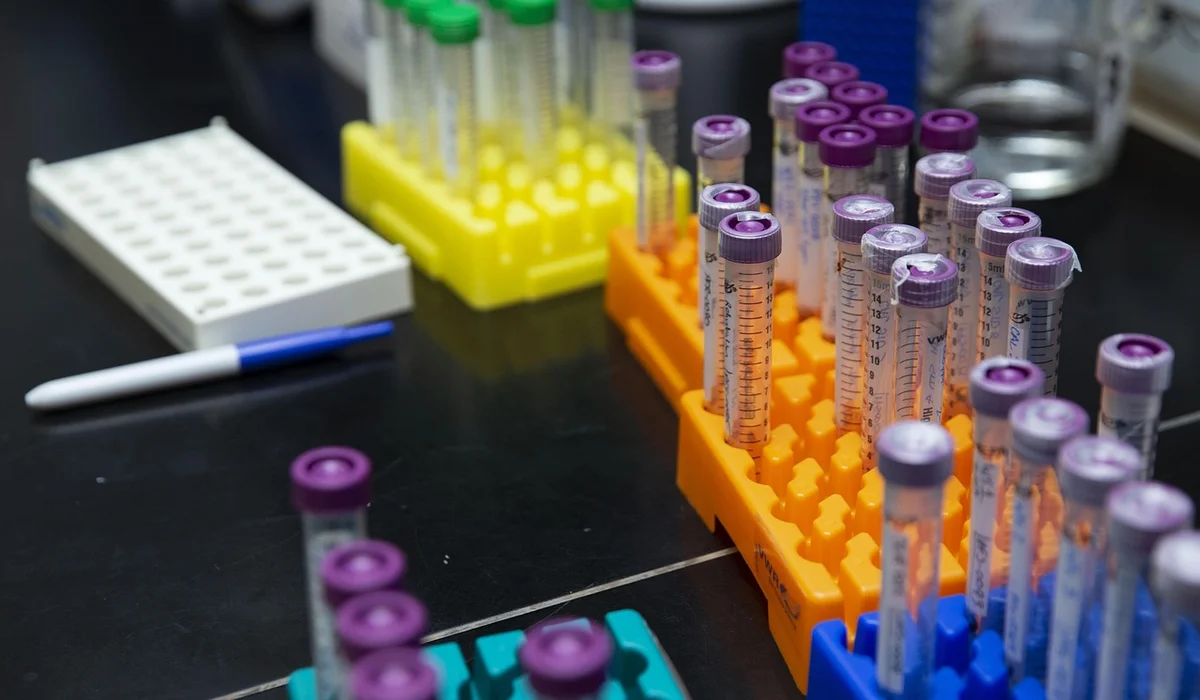
You cannot manage what you do not measure, and that is especially true for biofilm prevention. Regular water testing is your early warning system, letting you spot nutrient imbalances long before that slimy sheen reappears on your wood or plants.
I test my water every single Sunday; it is a ritual as important as feeding my fish. After Captain Fin’s tank had a biofilm scare, I learned that consistency is key. Frequent checks create a baseline so you know what “normal” looks like for your unique aquatic world.
Keep a close eye on these specific parameters with a reliable liquid test kit:
- Ammonia & Nitrite: These must always be at 0 ppm. Any detectable level indicates a filter issue and provides a breeding ground for biofilm.
- Nitrate: Target below 20 ppm. In my tank with Goldie the goldfish, I keep it closer to 10 ppm through vigilant changes, as her waste is a nitrate factory.
- Phosphate: This silent biofilm fuel should be under 0.5 ppm. High phosphate often comes from overfeeding or decomposing material.
- pH and GH/KH: Stable is better than perfect. Sudden swings stress your biological filter, making the tank vulnerable.
Do not just test reactively. Test proactively every week, and you will spend less time scrubbing and more time enjoying the shimmer of scales in crystal-clear water.
Balancing Nutrients After a Biofilm Outbreak
Clearing the biofilm is just the first battle; winning the war means correcting the water chemistry that invited it. Think of your aquarium as a digestive system—you need to balance what goes in with what gets processed out. For shrimp and other sensitive fish, removing biofilm means gentle siphoning and careful brushing. Then maintain stable water parameters to prevent regrowth.
My first move is always to reassess feeding. I saw a dramatic change when I started feeding Shadow, my corydoras, just at lights-out. Precise feeding minimizes leftover food, which is the primary source of phosphate and organic waste that biofilm devours.
After an outbreak, execute this three-step nutrient balance plan:
- Aggressive Water Changes: For two weeks, perform a 30% water change twice a week. This physically removes dissolved nutrients and resets the environment.
- Strategic Filter Maintenance: Clean your filter media in the removed tank water. I then add a phosphate-absorbing pad right into the filter basket for a month.
- Introduce Fast-Growing Plants: Plants like hornwort or floaters are nutrient sponges. They compete directly with biofilm for resources, naturally lowering nitrate and phosphate levels.
Do not forget water flow. Stagnant water is a biofilm magnet, so repositioning your filter output to eliminate dead spots can break up the surface scum before it forms. In my setup, a simple adjustable spray bar made all the difference.
Recovery is not instant. You must patiently maintain this new regimen for at least a month, testing weekly, to ensure the biofilm’s food source is truly gone. The hum of a healthy filter and the clarity of the water will be your rewards.
FAQs
How can I prevent biofilm from forming on new decorations before adding them to my tank?
Always pre-treat new items like driftwood by boiling them for an hour to release tannins and sugars that feed biofilm. For non-porous decor, scrub with a vinegar solution and rinse thoroughly to eliminate residues. This reduces the organic load introduced to your water, cutting off biofilm’s food source from the start.
What should I do if biofilm keeps coming back even after regular maintenance?
Intensify your water testing to check for phosphates and nitrates, aiming to keep them below 0.5 ppm and 20 ppm respectively. Temporarily increase water changes to 30% twice a week and add fast-growing plants like hornwort to absorb excess nutrients. Ensure water flow is optimized to eliminate dead spots where biofilm can settle.
Are there any specific fish or invertebrates that I should avoid introducing to control biofilm?
Avoid sensitive species like certain shrimp if you plan spot-treatments with hydrogen peroxide, as they can be harmed by residues. Also, skip fish that dig excessively or produce high waste, as they can disturb substrate balance and increase organic loads. Always match cleanup crews to your tank’s existing inhabitants to prevent stress or predation.
How does water temperature affect biofilm growth, and should I adjust it?
Warmer temperatures can speed up microbial activity, potentially encouraging biofilm formation. Maintain a stable range suited to your fish, typically 72-78°F for tropical communities, without sudden swings. Consistency is key, as stable temperatures support a balanced ecosystem where biofilm is less likely to thrive uncontrollably.
Keeping Your Water Crystal Clear for Good
Beating biofilm for good means mastering routine tank hygiene and managing how much you feed. Your most powerful tool is a simple siphon hose, used weekly to vacuum the substrate and refresh the water.
Every aquarium teaches you something new, so stay engaged with your pets and their environment. This hobby rewards those who listen to their tank and never stop asking questions. For beginners, your first week serves as a day-by-day survival guide to help you establish a stable setup.
Further Reading & Sources
- Aquarium biofilm prevention – Fireplace aquarium
- Aquarium Biofilms – The Good, The Bad, And The (NOT) So Ugly – Betta Botanicals | Natural Aquarium Products
- Film in the aquarium- causes and how to deal with it
- Aquarium oily surface film: What is bio film and how to remove scum for good! – YouTube
- What Is Biofilm and How to Maintain It in Fish Tank – hygger
Lia is an expert in aquarium and pet fish care. Having worked in the marine industry and having cared for multiple pet fish, she has acquired first hand expertise on aquarium care, maintenance and setup. She always brings her practical expertise and science to help solve any aquarium related queries.
Regular Cleaning