
Algae in Your Aquarium: Unraveling the Good, the Bad, and the Balanced
Hello fellow fish keepers! That soft green haze on your glass or those tufts on your driftwood can spark confusion-is this a natural helper or a looming headache for your tank? You’re right to question it, and getting clarity turns algae from a worry into a tool you can manage.
This guide cuts through the fog to give you a clear, actionable picture. We’ll cover:
- the vital, often overlooked benefits algae offers your water and your fish
- the specific visual cues that signal algae is becoming a problem
- how to strike a perfect balance for your unique tank setup
- my proven, fish-safe methods for controlling unwanted growth
With multiple years of hands-on experience running complex planted systems and breeding sensitive fish, I’ve navigated every algae bloom and learned how to harness its power.
The Dual Nature of Aquarium Algae
Think of algae as that quiet roommate who helps with chores but sometimes overstays their welcome. In a balanced tank, algae perform photosynthesis, just like your plants, releasing oxygen into the water. That gentle stream of bubbles you see on a sunny day? Part of that comes from algae hard at work. A thin, green film on the glass can be a sign of a healthy, living ecosystem that’s actively producing oxygen for your fish.
Beyond oxygen, algae are fantastic at mopping up excess nutrients. They consume nitrates and phosphates, which are leftovers from fish waste and decaying food. This helps keep your water parameters stable. In my own breeding tanks, I’ve watched tiny fry graze on the microalgae-rich biofilm that forms on surfaces, giving them a perfect first food. This natural biofilm is a nutrient-packed nursery, crucial for the survival of young fish like baby guppies or corydoras.
But that’s not all! There’s a flip side. When algae growth explodes, it can blanket your plants, blocking the light they need to thrive. I’ve had hair algae tangle so thick in my stems that my Anubias started to yellow. An overgrown tank looks murky and can even lower oxygen levels at night when algae respire. Unchecked algae growth ultimately steals resources from your prized plants and can stress your fish by altering the water chemistry.
Here’s a simple breakdown to help you weigh the balance:
- Pros: Produces oxygen, consumes excess nitrates/phosphates, provides natural food for fry and invertebrates, indicates a cycled tank.
- Cons: Can smother plants by blocking light, may deplete oxygen at night, makes tanks look unkempt, can compete with plants for nutrients.
Identifying Common Algae Types in Your Tank
Beneficial and Neutral Algae
Not all green in your tank is a crisis. Some algae are helpers or just mild-mannered residents. Macroalgae, like Chaetomorpha, are often used in refugiums. I keep a clump in my sump; it looks like a tangled green ball of spaghetti and actively competes with nuisance algae for nutrients. Growing macroalgae is a proactive hack to export nutrients before they fuel a problem.
Then there’s the invisible workforce: microalgae. These are part of the healthy biofilm on driftwood and substrate. Under a microscope, it’s a bustling world, but to your eye, it just looks like a slight, slippery coating. Even common green spot algae, which forms hard, circular dots on glass and slow-growing leaves, is relatively benign. A little green spot algae is often just a sign of stable, mature water conditions and is easily scraped off during cleaning.
Nuisance Algae to Watch For
Now, let’s talk about the troublemakers. Early identification is key. Brown diatoms often dust new tanks and substrate with a rusty, powdery film. They typically appear in setups under six months old and feed on silicates from new sand or driftwood. While unsightly, a diatom bloom is usually a temporary phase that cleaner crew snails will happily address. If you want to see how you can get rid of them, check out these tips for dealing with diatom algae in new tanks.
Cyanobacteria, or blue-green algae, is a slimy impostor. It forms sheets in shades of blue-green, dark green, or even purple-red that smell musty when pulled out. This isn’t a true algae but a bacteria, and it can indicate low nitrate levels or poor flow. If you see a slimy mat that peels off in sheets, you’re likely dealing with cyanobacteria, which can release toxins and choke out plants.
Finally, hair algae creates frustrating green tangles that wrap around everything. It loves high light and excess nutrients. In my experience, a sudden bloom often follows overfeeding or a shift in fertilizer dosing. Manual removal with a toothbrush is satisfying, but beating hair algae long-term requires balancing your light and nutrient levels. To get rid of green hair algae (GHA), reduce excess nutrients and moderate lighting. Regular maintenance and consistent dosing will help prevent regrowth.
What Triggers Algae Growth? Light, Nutrients, and More
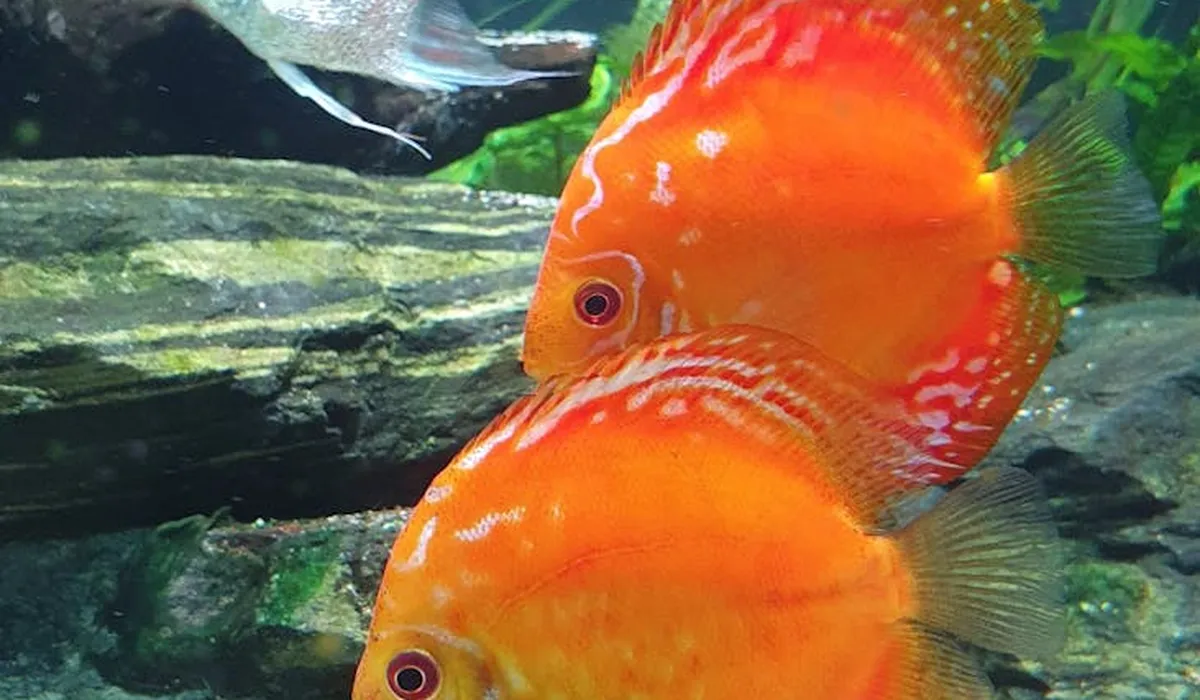
Think of algae as an uninvited guest who shows up when the party gets a little out of balance. It’s not inherently evil; it’s just taking advantage of a good situation. The main triggers are light, food, and stagnant conditions.
Guidance: Break down key causes: excessive tank lighting duration, imbalanced nutrients (high phosphates, nitrates), poor water circulation. Include step-by-step tips for testing water chemistry.
The most common culprit is simply too much light. Leaving your tank lights on for more than 8 hours a day, especially if sunlight hits the tank, is an open invitation. I run my planted tanks on a strict 6-7 hour light schedule using a simple plug-in timer, which made a dramatic difference in controlling green spot algae on the glass.
Next comes the nutrient soup. Algae feast on the same things your plants love: nitrates and phosphates. These build up from fish waste, uneaten food, and decomposing plant matter.
- Get a reliable liquid test kit for nitrates (NO3) and phosphate (PO4). Test strips often lack accuracy.
- Test your water weekly, ideally on the same day. Aim for nitrates below 20 ppm and phosphates below 1 ppm.
- If levels are high, your action plan is a water change. A 25-30% change with treated tap or RO water instantly dilutes these nutrients.
- Look at your feeding habits. Are you overfeeding? Food should be consumed in under two minutes. Goldie might always act hungry, but that doesn’t mean she needs more flakes.
Poor water circulation creates dead spots where waste settles and nutrients concentrate, away from your filter’s cleaning flow. Adjusting your filter output or adding a small circulation pump can disrupt these algae-friendly zones and keep your tank environment uniformly healthy.
The Role of Substrate and Biodiversity
Your tank’s foundation plays a huge role. A bare bottom tank or inert gravel offers no competition for nutrients—algae gets it all. A nutrient-rich planted tank substrate, however, feeds your root-feeding plants, helping them outcompete algae. By balancing nutrients carefully, you curb excess nutrients that feed algae. In planted tanks, healthy plant growth helps stabilize the system and prevent algae blooms.
More importantly, biodiversity is your secret weapon. A tank with just a betta and a single plant has a very simple ecosystem. Add a clean-up crew like Shadow the corydoras to stir the substrate, and fast-growing stem plants or floating plants to absorb excess nutrients directly from the water column. Creating a diverse, interconnected web of life is the most effective long-term strategy for natural algae suppression.
Guidance: Discuss how bare substrate vs. planted tanks affect algae. Explain how low biodiversity can lead to blooms.
Low biodiversity means fewer organisms are utilizing the available resources. If you have excess nutrients and light, but only one slow-growing Anubias plant, algae will claim the rest. A bloom is nature’s way of filling that empty niche. I view a sudden algae outbreak as my tank’s way of sending a clear signal that the biological balance is off.
Algae’s Impact on Fish Health and Tank Balance
A little algae can be a snack for some fish, but when it takes over, the problems start. The most dangerous issue is often invisible: oxygen depletion. During the day, algae produce oxygen, but at night, they consume it through respiration.
A thick algae bloom can cause oxygen levels to crash dramatically overnight, leaving your fish gasping at the surface in the morning-a true emergency situation.
Guidance: Cover how algae blooms deplete oxygen at night. Explain stress on tank mates like Captain Fin from poor visibility. List signs of imbalance: fuzzy surfaces, green water.
For fish like Captain Fin, poor visibility from green water or coated surfaces is incredibly stressful. Bettas are sight-based hunters and interactive pets; not being able to see clearly or navigate their territory can make them withdrawn or more aggressive. Signs of a serious imbalance include:
- Green Water: A pea-soup effect, signaling a free-floating algae bloom.
- Fuzzy Surfaces: White or grayish fuzz on decor or plants (often a fungus or biofilm, spurred by excess organics).
- Slimy Coats: Thick blue-green or dark green slime on substrate and hardscape.
- Plant Suffocation: Leaves covered in hair or thread algae, blocking light and effectively starving the plant.
When Algae Becomes a Problem
Algae shifts from a nuisance to a problem when it starts harming other life or indicates a hidden issue. If it’s growing so thick on plant leaves that the plants are dying, you’re losing your primary nutrient competitors. Use an algae outbreak checklist to identify the algae type and find the root cause. Identifying the type first helps you target the right remedies.
When algae begins to coat filter intakes or impellers, it can seriously reduce water flow and filtration efficiency, creating a vicious cycle of declining water quality.
Guidance: Specify thresholds: when it covers plants heavily, harms filtration, or indicates decaying matter. Relate to tank maintenance routines.
It’s also a major red flag for decaying matter. A sudden patch of algae on the substrate might be feeding on a forgotten piece of food or, worse, a deceased tank mate. This is why your weekly maintenance routine is critical. When you siphon the gravel during a water change, you’re not just removing water-you’re vacuuming up the fuel for the next algae bloom. If you see algae persistently forming in one spot, investigate and clean that area thoroughly.
Proactive Algae Management: Prevention and Control
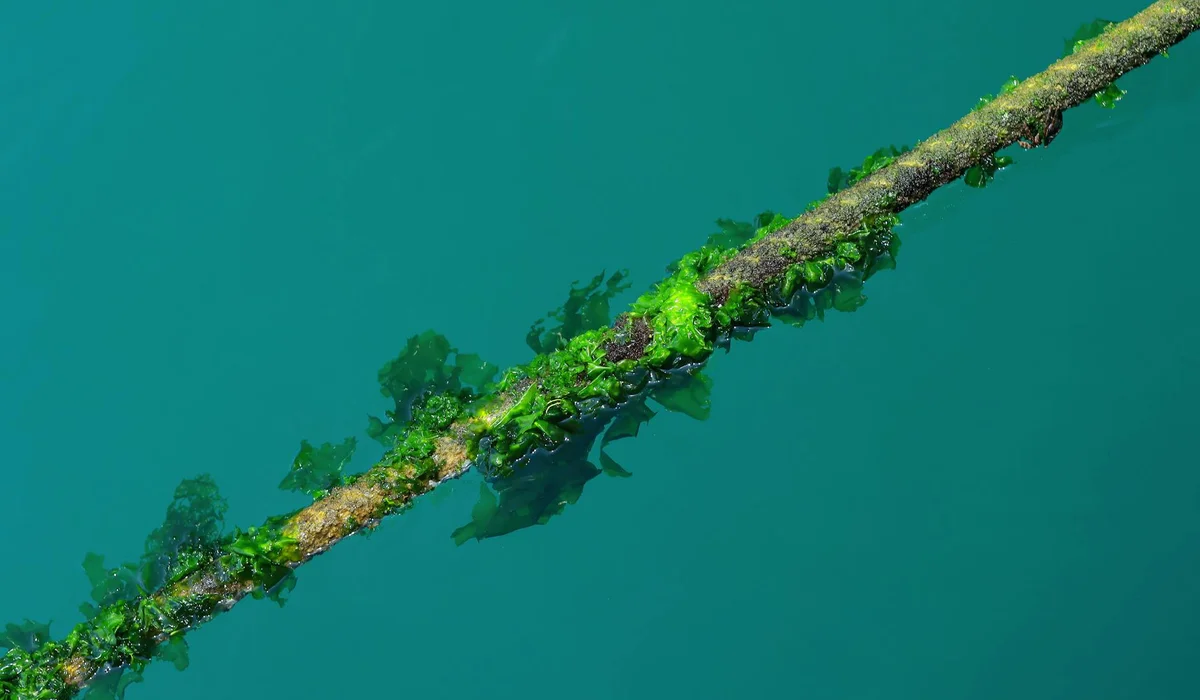
Keeping algae in check is less about frantic scrubbing and more about consistent, smart habits. A stable routine mimics a natural ecosystem and stops problems before they start.
Your Weekly Algae Defense Routine
Follow these five steps to maintain balance and clarity in your tank. Consistency here is far more powerful than any chemical cure.
-
Control Light with Timers: I never leave my tank lights to memory. Set a timer for 6-8 hours daily to mimic a natural day cycle, as excessive light is a direct invitation for algae to party. Longer or shorter photoperiods matter for fish and live plants. The right duration supports growth and healthy behavior without fueling algae.
-
Perform Partial Water Changes: Every week, replace 10-25% of the water. This simple act removes excess nutrients that algae feast on, refreshing the entire environment.
-
Clean Substrate Gently: Use a gravel vacuum during water changes to siphon waste from the bottom. Be careful around plant roots to avoid disturbing them like my curious Goldie sometimes does.
-
Balance Feeding: Offer only what your fish can consume in two minutes. Uneaten food decays and pollutes the water, so I watch Captain Fin gobble his meal as my timer.
-
Optimize Filtration Flow: Ensure your filter output creates gentle circulation without dead spots. Good flow distributes nutrients to plants and prevents algae from settling on decorations.
Handling an Active Algae Bloom
When algae suddenly clouds your glass or turns water green, don’t panic. Swift, calm action can restore balance without harming your fish.
Start with manual removal using a clean algae scraper for glass or a toothbrush for decorations. Physically removing the bulk is immediate and drug-free. For stubborn green water, a three-day blackout period works wonders; simply turn off all lights and cover the tank to starve the algae. For more detailed techniques on cleaning, check out how to clean algae off aquarium glass effectively.
Always test your water parameters after a bloom. High nitrates or phosphates often reveal the root cause, guiding your next water change. Remember, avoid over-cleaning the biofilm on surfaces and filter media, as this beneficial bacteria is vital for your tank’s health.
Harnessing Nature: Algae-Eating Creatures for Balance
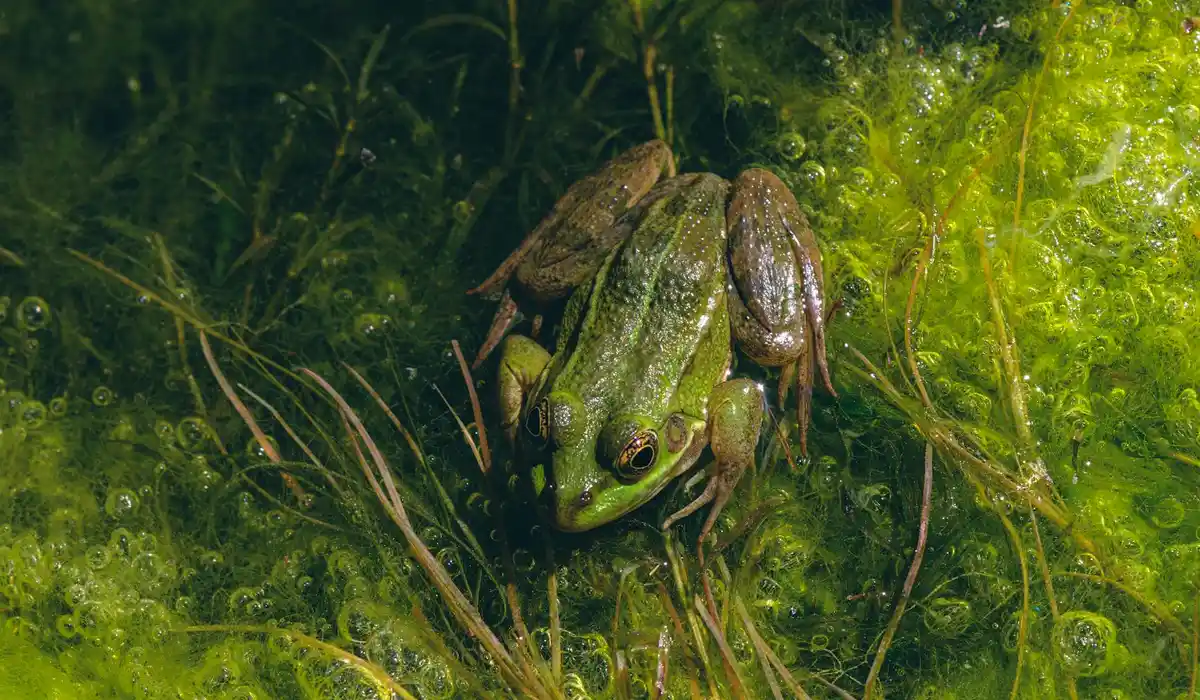
Adding natural cleaners is a brilliant way to manage algae. These creatures work tirelessly, turning a nuisance into a food source. When deciding which is better for your aquarium—Natural vs chemical algae treatments—consider safety for your inhabitants and the level of control you need. Natural methods are gentler on beneficial bacteria, while chemical options can act faster but may carry risks.
Meet Your Cleaning Crew
Different species tackle different types of algae and debris. Choosing the right combination creates a self-sustaining clean-up team.
-
Corydoras Catfish like Shadow: These shy bottom dwellers sift through sand, consuming detritus and leftover food that would otherwise fuel algae growth.
-
Nerite Snails: Their rasping mouths are perfect for scraping soft green algae from glass and hardscape without damaging plants.
-
Amano Shrimp: These hungry invertebrates are champions at devouring fuzzy algae, biofilm, and even hair algae strands.
Remember, these helpers need supplemental feeding too, especially in pristine tanks. Offer algae wafers or blanched veggies to keep them healthy and working.
Choosing the Right Helper for Your Tank
Not every algae eater suits every aquarium. Consider your tank’s size and the personality of your current fish to ensure harmony. Do choose the right aquarium size for your fish species to give them space to grow. This helps ensure health and peaceful behavior in the tank.
For smaller tanks under 10 gallons, a few shrimp or snails are ideal. In larger planted tanks, otocinclus catfish graze peacefully on leaf surfaces. Always research temperament; for example, my social Goldie the Oranda might unintentionally uproot plants while foraging, so delicate shrimp may not be safe with her. Matching the cleaner to your ecosystem prevents stress and maximizes their natural algae-control abilities.
FAQs
What are the key benefits of having algae in my aquarium?
Algae offers several benefits, such as producing oxygen through photosynthesis and consuming excess nutrients like nitrates and phosphates from fish waste. It also forms a natural biofilm that serves as a vital food source for fry and invertebrates, supporting a balanced ecosystem.
What types of algae are considered good for a freshwater tank?
Beneficial algae include macroalgae like Chaetomorpha, often used in refugiums to absorb nutrients competitively. Additionally, microalgae and thin green spot algae on surfaces indicate stable water conditions and provide grazing material for fish and clean-up crews without harming plants.
Why should I use copper-free algae food for my aquarium?
Copper is highly toxic to sensitive invertebrates like shrimp and snails, which are common algae eaters. Copper-free algae wafers or foods ensure these creatures can safely consume supplemental nutrition without risk of poisoning, helping maintain a healthy and diverse tank environment.
Where can I find reliable copper-free algae food options?
Many pet stores and online retailers like Amazon offer branded copper-free algae wafers; checking product labels for “copper-free” or “invertebrate-safe” is key. Community forums like Reddit’s aquarium groups often provide verified recommendations based on user experiences with specific brands.
Finding Harmony with Algae
Algae is a natural part of your tank’s ecosystem, contributing to water quality and providing food, but it requires smart management to prevent unsightly overgrowth. You maintain the perfect balance by controlling light duration, performing consistent water changes, and stocking thoughtful cleaners like otocinclus or amano shrimp. In fact, fish and shrimp are among the best cleaners for algae. They help keep growth in check as part of a balanced cleanup crew.
Great fishkeeping stems from a willingness to observe, learn, and tweak your routine over time. Your dedication to understanding this living system is what transforms a simple tank into a thriving underwater world.
Further Reading & Sources
- How to Fight the 6 Most Common Types of Algae in Your Fish Tank – Aquarium Co-Op
- An Easy Guide For Aquarium Algae – DustinsFishtanks
- Easy Ways to Control Algae Growth in Aquariums
- How to Control and Prevent Algae in Your Aquarium
- How to decrease aquarium algae naturally – Quora
Lia is an expert in aquarium and pet fish care. Having worked in the marine industry and having cared for multiple pet fish, she has acquired first hand expertise on aquarium care, maintenance and setup. She always brings her practical expertise and science to help solve any aquarium related queries.
Algae Control