
Banishing Brown Algae: Your Guide to a Diatom-Free Tank
Hello fellow aquarists, spotting that first dusty film of brown in your sparkling new aquarium can feel like a real setback. You’re not alone-this fuzzy coating on your glass, decor, and plants is a classic rite of passage for new ecosystems.
This guide will walk you through exactly what’s happening and how to restore that crystal-clear view. We’ll cover: what diatoms really are and why they love new tanks, quick-action fixes to wipe them out fast, the long-term tank balance that keeps them from returning, and safe cleaning methods that won’t stress your fish.
I’ve managed this exact issue in my own high-tech planted tanks while keeping fish like the feisty Captain Fin and the ever-foraging Goldie happy and healthy.
Identifying the Fuzzy Brown Dust in Your Aquarium
That first appearance of a dusty brown film can be confusing, even a little alarming. Let’s get up close and personal with what you’re actually seeing.
What Diatoms Look and Feel Like
Diatoms aren’t slimy like many other algae; they have a gritty, almost powdery texture that feels like fine sandpaper if you rub it between your fingers. They coat surfaces in a flat, matte layer, dimming the shine of your glass and making decor look like it’s been dusted with cinnamon or cocoa powder.
Key Visual Signs
- A dusty brown or golden-brown film that appears first on glass, substrate, and slow-growing plant leaves.
- It spreads in a uniform layer rather than forming fuzzy tufts or long strands.
- You can often wipe it off easily with a finger or an algae scraper, but it returns quickly, sometimes within a day.
- In my tank, I first noticed it on Shadow’s favorite smooth river stone, completely changing its color from grey to a muddy brown.
Diatoms vs. Other Common New Tank Algae
New tanks can host several uninvited guests, and telling them apart is your first step to control.
- Green Dust Algae (GDA): Forms a similar film but is distinctly green. It’s also easier to wipe away, often coming off in satisfying sheets.
- Blue-Green Algae (Cyanobacteria): This isn’t a true algae. It forms slimy, smelly sheets that peel off in mats and can be blue-green, black, or even reddish. The slime factor is the dead giveaway.
- Hair Algae: Grows in wispy, thread-like green strands that attach to plant leaves and decor. It feels soft and stringy, not gritty.
If the brown coating on your Anubias leaf feels rough and wipes away as a powder, you’re almost certainly dealing with diatoms.
Why Your New Tank is a Diatom Paradise
Diatoms bloom in new setups because you’ve essentially rolled out a red carpet made of their favorite foods. It’s a perfect, but temporary, storm of conditions.
The Primary Cause: Unleashed Silicates
Think of silicates (silica) as the primary building blocks for diatom cell walls, and in a new tank, these blocks are often just lying around in abundance. Diatoms are uniquely equipped to consume this silica directly from the water, giving them a massive head start over other life forms.
Common Silicate Sources in a Fresh Setup
- New Substrate: Certain sand blasting sands, silica-based pool filter sands, and some inexpensive gravels can leach silicates for weeks.
- Tap Water: Many municipal water supplies contain measurable silicate levels, which you’re adding during every water change.
- Decorative Rocks: Some rocks, like holey rock or certain types of sandstone, can slowly dissolve and release silicates.
- Liquid Substrate Additives: Some products meant to promote plant growth are high in soluble silica.
Supporting Actors: Excess Nutrients and Light
Silicates are the main course, but diatoms also need the side dishes of nutrients and light to throw their party.
Newly setup tanks frequently have an imbalance of phosphates and nitrates from the initial decomposition of plant matter or from fish food, which diatoms happily use alongside the silica. Combine this with the long photo period many of us use to encourage plant growth, and you’ve given them a full-time, all-you-can-eat buffet under bright lights. This is exactly one of the eight common mistakes that can turn a healthy planted tank into an algae farm. Keep nutrient levels balanced and avoid excessive lighting to help prevent blooms.
The Role of an Immature Filter (New Tank Syndrome)
This is the final piece of the puzzle. Your tank’s biological filter is still finding its feet.
The beneficial bacteria colonies in your filter media are not yet robust enough to out-compete the diatoms for the ammonia and nitrite in the water column. Diatoms are photosynthetic, so they don’t need to wait for this bacterial cycle; they can use light energy directly to process the available silicates and nutrients. As your filter matures over 4-8 weeks, the biological balance shifts, and the diatom’s advantage fades.
Your Immediate Action Plan to Scrub Diatoms Away

That dusty brown layer on your glass and decor can feel like a setback, but with a focused attack, you’ll see clear results fast. This immediate plan combines manual removal with smart adjustments to halt diatom growth in its tracks.
Step 1: The Physical Clean-Up
Roll up your sleeves—this is where you physically remove the bulk of the algae. To clean the glass effectively, use a dedicated algae scraper or magnetic cleaner. A thorough clean-up dramatically reduces spores and gives your other strategies a head start.
Tools and Techniques for Glass, Decor, and Plants
Grab the right tools to avoid damaging your tank. For glass, a brand-new razor blade scraper (for acrylic, use a plastic blade) works wonders. I’ve found my crowntail betta, Captain Fin, gets curiously feisty watching the scraper glide by. For decor and hardy plant leaves, a soft-bristled toothbrush is perfect for gentle scrubbing. For algae buildup, the best algae scrapers and cleaning tools for your aquarium can make maintenance quick and safe. Look for tools designed for glass or acrylic tanks to avoid scratches.
- Glass: Use a razor scraper at a 45-degree angle, wiping the blade often.
- Decor: Remove items and scrub in a bucket of old tank water to preserve bacteria.
- Plants: Gently run your fingers over delicate leaves like Anubias; for tougher plants, use the toothbrush.
Never use soap or chemicals, as residues can harm fish like my foraging Goldie or shy Shadow.
Step 2: The Water Change and Vacuum Strategy
After scrubbing, you must siphon out the dislodged diatoms before they settle elsewhere. I perform a 50% water change while vacuuming the substrate, focusing on areas where debris collects. This step physically exports the silica and nutrients diatoms feed on. Go slow over the gravel to avoid stressing bottom-dwellers like corydoras; Shadow much prefers when I disturb his hiding spots gently.
Step 3: Adjust Your Lighting Schedule and Intensity
Diatoms thrive under prolonged light, especially in new tanks. Cut your lighting period to 6-8 hours daily, and if possible, reduce the intensity by raising the fixture or using a dimmer. I noticed a significant slowdown in brown algae growth after I dialed my lights back from 10 to 7 hours. The shimmer on Captain Fin’s scales still looks brilliant, and my plants have adapted just fine.
Step 4: Test and Interpret Your Water Parameters
Now, test your water to understand why diatoms appeared. Use a liquid test kit to check for silicates, nitrates, and phosphates, as high levels of these are a dinner bell for brown algae. In new tanks, silicate from tap water or substrate is common. If nitrates are above 20 ppm, it confirms excess nutrients. This data guides your long-term strategy, moving you from guessing to knowing.
Winning the Long-Term War Against Brown Algae
Eradicating diatoms for good means changing the conditions that let them flourish. Long-term victory comes from exhausting their food source and building a tank that outcompetes them.
Exhausting the Silicate Supply
Silicate in your water is the core building block for diatoms. Your goal is to deplete this silicate, which naturally happens over weeks, but you can speed it up.
Using Filter Media to Remove Silicates
Specialized filter media can actively pull silicates and phosphates from the water. I’ve had success with high-quality phosphate removers that also bind silicates; place a pouch in your filter canister or media chamber. Replace it as the manufacturer directs, usually every 4-6 weeks, and monitor with tests. It’s a set-and-forget aid that works silently in the background.
The Role of Purified Water (RO/DI)
For stubborn cases, switch to using purified reverse osmosis/deionized (RO/DI) water for your changes. RO/DI water strips out nearly all silicates and other minerals, giving you a clean slate to remineralize for your fish’s needs. It’s an investment, but it solved my diatom issues when my tap water tested high for silica. Goldie’s water clarity improved dramatically, and his bright orange color popped even more. Improving water quality is essential for a healthy aquarium and healthy fish. With RO/DI, you can achieve that by controlling minerals and contaminants.
Starving Diatoms Through Nutrient Management
Control the other nutrients diatoms use: nitrates and phosphates. Overfeeding is a huge contributor, so feed only what your fish can consume in two minutes, and siphon out any uneaten food. Fast-growing live plants like Hornwort or Water Wisteria are allies—they uptake nutrients directly, starving algae. In planted tanks, balancing nutrients helps prevent algae growth. When plants absorb excess nutrients, algae blooms are less likely. I added a few stems, and they’ve helped keep my nitrate levels steady below 10 ppm.
Building a Resilient, Balanced Ecosystem
A balanced tank has organisms that help control algae naturally. Introduce a clean-up crew like Nerite snails or Otocinclus catfish, which graze on diatoms without harming plants. In fact, fish and shrimp can be among the best cleaners for algae when kept in appropriate numbers. Ensure your filtration is robust for your tank size, and maintain consistent weekly water changes of 20-25%. Over time, as your tank matures, the biological balance will tilt in your favor, making diatoms a rare sight.
Recruiting a Hungry Clean-Up Crew
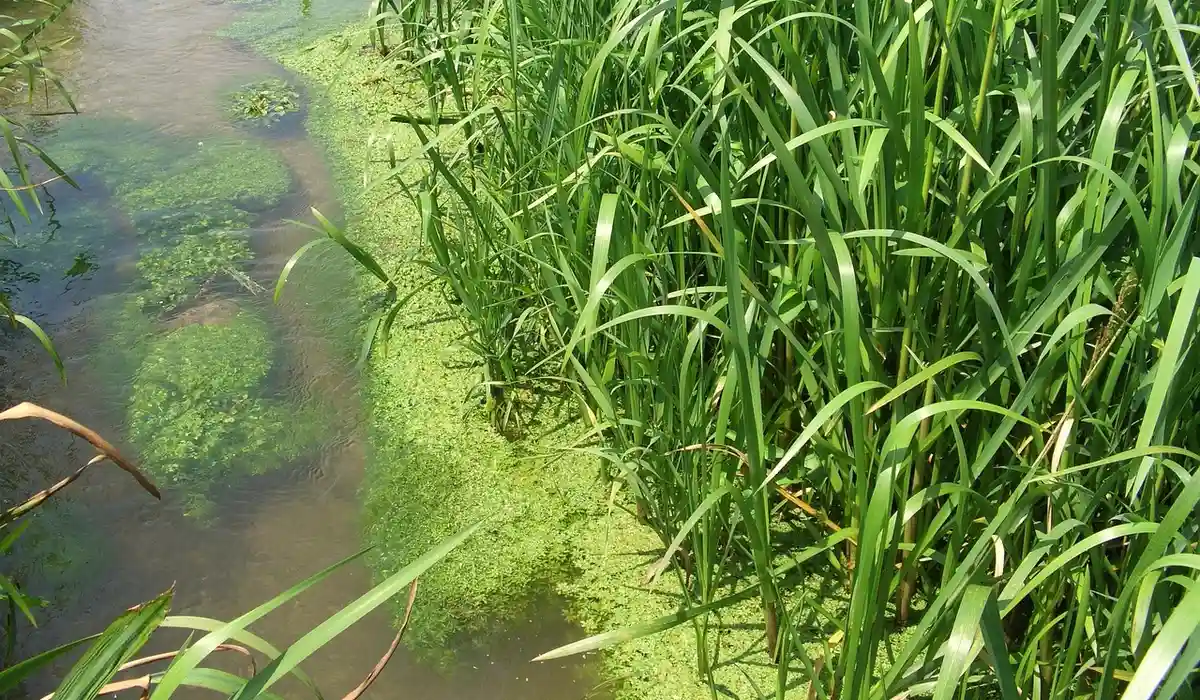
You can’t be the only one scrubbing glass every day. Building a balanced clean-up crew is like hiring a tiny, hungry maintenance staff that works around the clock for food scraps. They won’t solve the root cause, but they’ll manage the visible film, giving your tank a cleaner appearance while you address the water chemistry. In freshwater tanks, understanding the roles of cleanup crews—snails, shrimp, and other detritivores—helps you pick the right mix for your setup. Knowing who does what makes maintenance more predictable as you address water chemistry.
Top Invertebrate Helpers: Snails and Shrimp
These little vacuum cleaners are my first line of defense. They’re peaceful, fascinating to watch, and exceptionally diligent.
- Nerite Snails: The undisputed champions of glass cleaning. Their tiny, scraping mouths are perfect for polishing diatoms off hard surfaces without damaging plants. They cannot reproduce in freshwater, so you won’t have a population explosion.
- Amano Shrimp: Larger and more active than their tiny Neocaridina cousins, Amanos are relentless grazers. I’ve watched them methodically strip a leaf clean, their little legs constantly in motion.
- Mystery Snails: While not as precise as Nerites, their large size lets them cover more ground on tank walls and decor. They add a fun, charismatic element to your cleanup squad.
The key is to add these helpers slowly and ensure your tank has enough biofilm and algae to support them, supplementing with blanched veggies like zucchini if needed.
Fish That Graze on Diatom Films
Some fish will happily include brown algae in their diet. Remember, always research compatibility with your existing stock first.
- Otocinclus Catfish: These tiny, peaceful catfish are diatom-eating machines. They prefer to be in groups of six or more and absolutely require a mature, stable tank with supplemental feeding like algae wafers once the diatoms are gone.
- Bristlenose Pleco: A small species of pleco, these are effective grazers on tank surfaces and driftwood. Be mindful that as they grow, they produce significant waste themselves.
- Certain Livebearers: Mollies and Guppies will sometimes pick at soft algal films, though they shouldn’t be relied upon as a primary solution.
Never get a fish solely for algae control; choose a species that fits your tank’s parameters and community, viewing its cleaning habits as a welcome bonus. When building a community tank, select algae-eaters that are compatible with your other residents in temperament and water parameters.
Important Cautions for New Tanks
New tanks are fragile ecosystems. Introducing a crew adds biological load.
- Stability Before Stock: Ensure your tank has completed its initial nitrogen cycle spike before adding most clean-up crew. Shrimp and snails are sensitive to ammonia and nitrite.
- Quarantine is Non-Negotiable: I quarantine every snail and shrimp for a few weeks in a separate container. This prevents introducing pests like planaria or dragonfly larvae into your main display.
- Overstocking Trap: It’s easy to think “more cleaners = cleaner tank.” But too many creatures will increase waste (phosphates, nitrates), potentially fueling more algae problems down the line. Start with a small group and observe.
Patience during this phase prevents a cascade of new problems and ensures your helpers thrive instead of just survive.
Special Considerations for Planted and Nano Tanks
These beautiful, intricate setups require a more nuanced approach. The goal shifts from eradication to management, creating an environment where plants outcompete algae for resources.
Balancing Plant Health with Algae Control
In a planted tank, your plants are your greatest weapon against all algae, including diatoms.
- Feed the Plants, Starve the Algae: If you use liquid fertilizers, ensure you are providing a balanced mix. A deficiency in certain nutrients (like phosphorus) can stunt plant growth, leaving more silicates and light available for diatoms.
- Fast-Growing Stem Plants are Allies: Plants like Hornwort, Water Wisteria, and Rotala absorb excess nutrients rapidly. I always include a few stems to act as nutrient sponges in a new setup.
- Manual Removal is Delicate: Gently wipe plant leaves with your fingers or a soft algae pad during water changes. Disturbing the substrate around root feeders can cloud the water and release more silicates, so be careful near your carpeting plants.
A thriving planted tank will naturally suppress diatoms as it matures, so focus on robust plant growth as your primary long-term strategy.
Why Small Tanks Need Extra Diligence
Nano tanks (under 10 gallons) are stunning but unforgiving. Water parameters can shift in minutes.
- Micro Water Changes: Instead of large, weekly changes, I perform smaller, 15-20% changes twice a week in my nano tanks. This steadily exports silicates and nitrates without shocking the system.
- Limited Clean-Up Crew Options: Stocking space is minimal. A single Nerite snail or a small colony of Neocaridina shrimp (like Cherry Shrimp) is often the max. Overstocking is a fast track to water quality issues.
- Filter Maintenance is Critical: That small filter cartridge is the engine room. Rinse it in removed tank water weekly to prevent detritus buildup, which decomposes and releases silicates, right back into the tiny water volume.
The sheer speed of change in a nano environment means your consistent, small interventions have an outsized positive impact on preventing diatom outbreaks.
FAQs
Are diatoms in a new tank a sign that I did something wrong?
Not at all. A diatom bloom is a completely normal and expected phase in a new aquarium’s maturation process. It is primarily driven by the presence of silicates and other nutrients in a fresh setup, which is common even with perfect initial cycling. This phase indicates your tank is progressing and will typically resolve as the ecosystem balances itself.
Can brown algae (diatoms) harm my fish or other livestock?
Diatoms themselves are not directly harmful to fish, shrimp, or snails. In fact, some species will graze on them. Algae are a natural part of your aquarium ecosystem—when balanced, they can be harmless or beneficial. But overgrowth signals nutrient issues that can upset the balance. However, a severe, unchecked bloom can indirectly cause issues by covering plant leaves and reducing light for photosynthesis, or by decomposing and affecting water quality if large amounts are left to die off suddenly.
How long does a typical new tank diatom bloom last?
In most cases, a diatom bloom will clear up on its own within a few weeks to a couple of months. The duration depends on how quickly the available silicate in the water column is exhausted and how well the tank’s biological filtration matures. Your manual removal and water change efforts can significantly shorten this timeline.
Do I absolutely need to add algae eaters to combat a diatom bloom?
No, adding a clean-up crew is a helpful management tool but not a necessity for solving the root cause. Diatoms are best defeated by addressing the underlying water chemistry (silicates, nutrients) and allowing the tank to mature. Manual cleaning and water changes are often sufficient, and adding livestock should only be done if they fit your long-term stocking plan.
Your Blueprint for a Diatom-Free Tank
To win the battle against brown algae, stabilize your tank’s environment through diligent water testing and thoughtful resource management. Regular water changes are a key part of that stabilization, diluting nutrients that fuel algae and keeping parameters steady. Manual removal, balanced light cycles, and a crew of algae-eating snails or otocinclus catfish will steadily clear the haze.
Every clear tank reflects a keeper’s dedication to learning and adapting to their aquatic ecosystem’s needs. Keep asking questions, share experiences with fellow hobbyists, and let your care for these living creatures guide your journey forward.
Further Reading & Sources
- How to Get Rid of Brown Algae (Diatoms) in the Fish Tank – Buce Plant
- How to Get Rid of Brown Algae (Diatoms) in Planted Aquariums – The 2Hr Aquarist
- Brown Algae in Your Aquarium? Conquer Diatoms & Clear Your Tank Fast!
- Algae Control: Brown algae (Diatoms or fuzz)
- How to get rid of brown diatom algae | Aquarium Co-Op FAQs
Lia is an expert in aquarium and pet fish care. Having worked in the marine industry and having cared for multiple pet fish, she has acquired first hand expertise on aquarium care, maintenance and setup. She always brings her practical expertise and science to help solve any aquarium related queries.
Algae Control