
Your Aquarium Glass Can Sparkle: A Fish Keeper’s Guide to Algae Removal
Hello fellow aquarium lovers! That frustrating green haze on your glass is a common battle, dimming the shimmer of your fish’s scales and clouding your underwater window. I’m here to help you restore crystal clarity with methods that are both effective and safe for your aquatic friends.
This guide will cover all the key steps to get your view back, focusing on:
- Choosing the right tools, from magnetic cleaners to DIY solutions
- Executing a safe, step-by-step cleaning routine that protects your fish
- Addressing the root causes of algae to prevent its quick return
- Balancing your tank’s ecosystem for long-term glass clarity
My advice comes from hands-on experience maintaining planted tanks and breeding fish for years, dealing with everything from delicate bettas to foraging goldfish.
Understanding Why Algae Clings to Your Glass
Algae on your glass isn’t a sign you’re a bad fish keeper—it’s a sign your tank is alive. This green (or brown) film is a simple plant taking advantage of available resources. The key to long-term control isn’t just scrubbing, but understanding what’s fueling the bloom in the first place. Think of it as your tank sending you a message about its balance. Algae are a natural part of your aquarium ecosystem—good in balance, and a clue when they start to overwhelm. Understanding how they fit into the overall ecosystem helps you keep the tank healthy.
The main culprits usually boil down to three interconnected factors:
- Excessive Light: Too many hours of light or light that’s too intense acts like an all-you-can-eat buffet sign for algae.
- Surplus Nutrients: Nitrates and phosphates from fish waste and leftover food are the actual meal algae feasts on.
- Inconsistent Maintenance: Sporadic cleaning allows both light and nutrient issues to compound over time.
| Algae Type | Appearance & Texture | Common Cause | Quick Fix |
|---|---|---|---|
| Green Spot Algae | Tiny, hard, gritty green spots firmly stuck to the glass. | Low phosphate levels relative to light; often seen in high-light planted tanks. | A razor blade scraper is your best friend here. Increasing phosphates slightly can also help plants outcompete it. |
| Brown Diatoms | Dusty, brown, slimy film that wipes away easily. | Common in new tanks, often linked to silicates in the water and low light. | Wipe with a soft pad. It usually fades as the tank matures and silicates are used up. |
| Cyanobacteria (Blue-Green Algae) | Slimy, sheet-like coating in blue-green, dark green, or even reddish-black. Has a distinct earthy smell. | Often a sign of low nitrate levels and poor water circulation. | Manual removal and improving flow is key. This is more a bacteria than true algae. |
Light: The Main Driver of Algae Growth
Your tank light is the engine for all plant growth, and algae is the fastest, simplest plant in the room. I learned this the hard way when my tank near a sunny window turned into a green cave. Reducing your photoperiod to 6-8 hours daily is the single most effective change you can make to curb algae. Consider a simple outlet timer for perfect consistency, which plants and fish appreciate. There are other methods for controlling algae in planted tanks as well, but this is usually the most straightforward place to start.
Intensity matters just as much as duration. A powerful light on a shallow tank without enough fast-growing plants is an open invitation. If you have low-light plants like Anubias or Java Fern, you likely don’t need a blindingly intense light. Observe your tank: if algae grows faster than your desired plants, dial the intensity down or raise the light fixture higher. Knowing how much light different aquarium plants require is essential in managing algae growth.
Nutrients in the Water Column
Algae thrives on the leftovers. Every flake uneaten by Goldie and every bit of waste from Captain Fin breaks down into nitrates and phosphates. I test my water weekly, and a rising nitrate level above 20 ppm is my cue that a water change is due. Regular testing is like a blood test for your aquarium, revealing invisible problems before they coat your glass.
Overfeeding is the most common nutrient source. Feed only what your fish can consume in two minutes, and watch bottom dwellers like Shadow to ensure food reaches them. Live plants are your best ally, as they directly compete with algae for these same nutrients. A balanced tank has just enough nutrients for the plants, leaving little for pesky algae.
The Role of Routine Maintenance
Sporadic cleaning creates a boom-and-bust cycle for algae. Consistent, small interventions prevent the system from becoming overwhelmed. A weekly partial water change is non-negotiable, as it physically removes the nitrate fuel algae needs to thrive. This habit has done more for my tank’s clarity than any magic potion ever could.
Your filter is a nutrient processing center, not just a debris collector. A clogged filter can’t house the beneficial bacteria that process fish waste, leading to nutrient spikes. Rinse filter media in old tank water you’ve removed during a water change every few weeks to keep it efficient without crashing your cycle. Consistency in these small tasks builds an ecosystem that resists algae takeovers.
Selecting the Right Tools for the Job
With the root causes in mind, let’s talk tools. The right tool makes cleaning quick, safe for your fish, and prevents scratches on your glass or acrylic. Investing in a couple of dedicated tools saves you time, frustration, and protects your viewing pane from permanent damage. I keep a small toolkit right by my tank for easy access.
| Tool Type | Best For | Pros | Cons |
|---|---|---|---|
| Magnetic Cleaner | Daily/light cleaning; deep tanks; avoiding wet arms. | Fast, convenient, keeps your hands dry. Great for quick touch-ups. | Can trap grit and scratch glass if not rinsed. Less effective on thick, stubborn algae. |
| Razor Blade Scraper (Glass only) | Stubborn green spot algae and hard water stains. | Unmatched cleaning power. Removes what pads and magnets cannot. | EXTREME CAUTION required. Will permanently scratch acrylic. Keep blade fresh and angle flat. |
| Plastic Blade Scraper | Acrylic tanks or glass tanks with delicate silicone seams. | Safe for all tank materials. Effectively removes most algae types. | Requires more elbow grease than a razor on tough spots. Blades can wear out. |
| Non-Abrasive Pad (Melamine Foam) | Fine film algae and general wiping; perfect for acrylic. | Inexpensive, versatile, and scratch-free. Can be cut to size. | Disintegrates with use. Must be dedicated to the aquarium only. |
Magnetic and Manual Scrapers
Magnetic cleaners are fantastic for maintenance. I use one almost daily for a quick two-minute pass to keep film algae at bay, especially on my deeper 55-gallon tank. Choose a model with a felt or fine-fiber pad on the inside piece to safely trap any substrate grit before it can cause scratches. For the corners and tighter spaces where magnets struggle, a long-handled plastic or aluminum scraper gives you the precision you need.
Always move your scraper in deliberate, straight lines rather than small circles. This technique is more efficient and is less likely to accidentally nick a silicone seam. Before you start, give your fish like curious Captain Fin a moment to move away from the area you’re cleaning to avoid startling them.
Soft Pads and Cloths for Delicate Glass
For acrylic tanks or simply wiping away light diatom dust, your tool choice is critical. I keep a stack of cheap white melamine foam pads (often sold as generic “magic erasers”) that are used for nothing but my tanks. Ensure any pad you use is 100% free of soaps, dyes, or scrubbing agents, which are toxic to fish. Hard water stains behave differently on glass versus acrylic—glass shows mineral buildup more clearly, while acrylic can scratch more easily. So tailor your approach: use gentler, non-abrasive methods on acrylic and reserve the more abrasive pads for glass only when needed. A clean microfiber cloth reserved for aquarium use also works well for polishing the outside glass after cleaning.
Never, ever use a household scouring pad, a used kitchen sponge, or paper towels on the inside of your tank. These often contain anti-bacterial chemicals or abrasive materials that will leach into the water or leave microscopic scratches that make future algae attachment easier. Your tank’s interior cleaning tools should live a life of luxury, used for that one job only.
The Step-by-Step Glass Cleaning Process
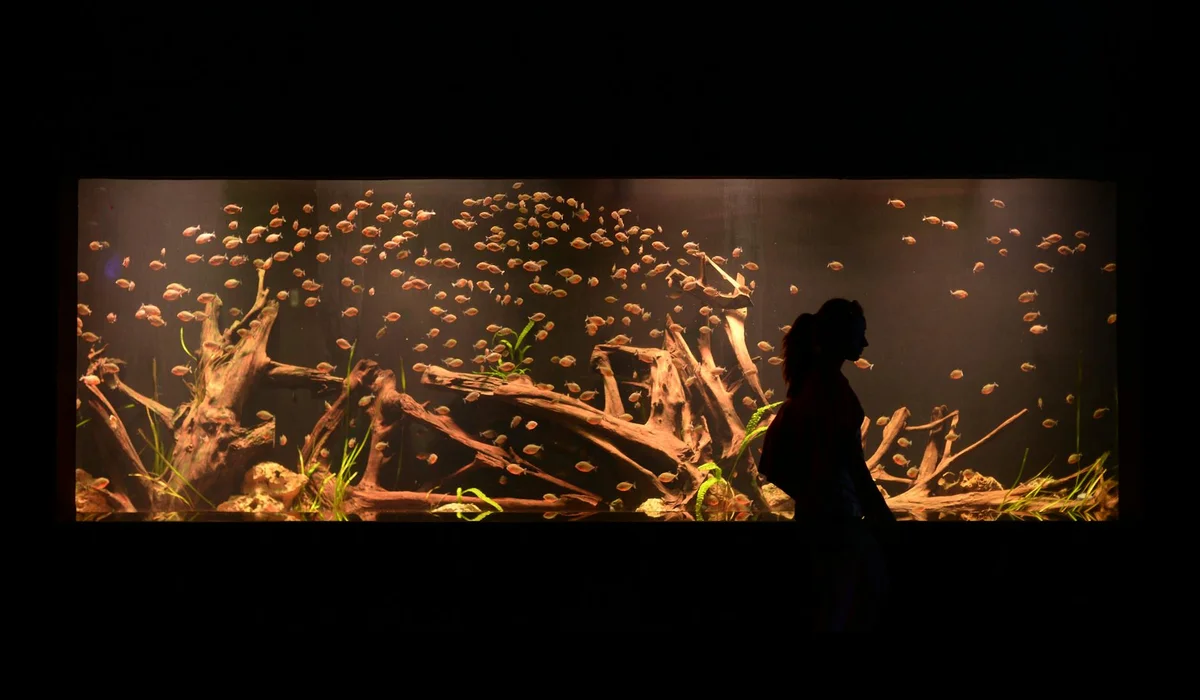
Let’s get your view crystal clear. A good cleaning session is methodical, safe for your fish, and stops the mess from just floating around to settle again later.
Step 1: Preparation and Safety
First, gather your tools so you’re not scrambling with wet hands. You’ll need your chosen algae scraper, a dedicated clean bucket, and an old towel for spills. The most critical safety step is to unplug your heater and filter if you plan to lower the water level more than a few inches during cleaning. A heater exposed to air can crack or shatter when turned back on, and running a filter without water can burn out the motor.
Step 2: The Actual Scrubbing Technique
Start at the top and work your way down in slow, overlapping strokes. For glass tanks, a razor blade held at a 45-degree angle makes quick work of even the toughest green spot algae. Always keep the blade flat against the glass to avoid digging into the silicone seals at the corners. For acrylic or stubborn corners, a magic eraser or a dedicated plastic-blade scraper is your best friend. Angle the tool to get into the tight space where the front and side panels meet.
Step 3: Post-Cleaning Cleanup
You’ve scraped the algae free, but it’s now floating in the water column or settled on your substrate. Don’t leave it there. To clean vacuum aquarium gravel effectively, run the siphon along the substrate in slow, overlapping passes to pull debris from between the grains. Immediately after scrubbing, use a gravel vacuum to perform your scheduled water change, siphoning the free-floating algae and debris out of the tank for good. This step is what separates a truly effective cleaning from a temporary fix. The cloudiness will clear, and those nutrients are physically removed from your ecosystem.
Long-Term Strategies to Prevent Algae Buildup
Think of algae not as an enemy to battle, but as a symptom of an imbalance you can correct. Prevention is always easier than constant scrubbing. In planted tanks, avoid 8 common mistakes that fuel an algae farm. Here’s your actionable checklist for a clearer tank.
Balancing Light and Darkness
Light is algae’s breakfast, lunch, and dinner. I run my lights on a simple digital timer for no more than 8 hours a day, and many planted tanks thrive on just 6. Consistency is more important than intensity; a strict photoperiod prevents algae from exploiting long, irregular light days. If you have slow-growing plants like Anubias, consider giving them a “siesta” by splitting your lighting into two 4-hour periods with a 2-hour break in between to disrupt algae’s photosynthetic cycle.
Managing Nutrients Through Feeding and Filtration
Excess fish food and waste dissolve into nitrates and phosphates-algae fertilizer. Feed only what your fish can consume in two minutes, and consider skipping a meal once a week. Your filter should create a robust current that prevents detritus from settling, pushing it toward the intakes where it can be mechanically captured. The most effective nutrient managers, however, are live plants. Fast-growing stems like Hornwort or floating plants like Frogbit outcompete algae directly, soaking up the very compounds algae needs to grow. I often add a Pothos plant with its roots in the water, which is a nitrate-absorbing powerhouse. In a planted tank, balancing nutrients—nitrates, phosphates, and trace elements—helps plants outcompete algae. When nutrients stay balanced and plants thrive, algae have fewer resources to grow.
Integrating Glass Cleaning into Your Tank Maintenance Routine
Think of algae cleaning not as a separate chore, but as a natural part of keeping your tank balanced. Scheduling it with other tasks saves you time and gives you a consistent check on your aquarium’s health. I always pair my glass scrubbing with water changes and filter glances—it turns maintenance into a smooth, efficient rhythm. Of course, it’s important to know when each task should be done to keep everything running perfectly.
Here is my simple, combined routine that keeps everything in sync:
- Weekly: Perform a partial water change and use that moment for a fast visual inspection and glass wipe.
- Bi-Weekly: Briefly check filter flow and intake for debris while you’re already at the tank.
- Monthly: Dedicate time for a full glass deep-clean, comprehensive water test, and equipment assessment.
Weekly Quick Wipe-Down
During your weekly 15-20% water change, the lowered water level makes glass access easy. A two-minute wipe prevents mild biofilm from hardening into stubborn green streaks. This is when I watch for changes in algae type or growth speed, which can signal shifts in light or nutrients.
Follow these quick steps right after you siphon out old water:
- Grab your trusted algae pad or magnetic cleaner.
- Glide it over the front and side viewing panels in smooth, overlapping strokes.
- Pay extra attention to the waterline where gunk collects.
- Refill with dechlorinated water and enjoy the instant sparkle.
Monthly Deep Clean and Assessment
Set aside 30 minutes each month for a more focused session. This thorough clean is your chance to correlate a spotless view with hard data on water chemistry. I test parameters right after scrubbing, when water clarity won’t distract me from reading results accurately.
My monthly checklist combines cleaning with crucial diagnostics:
- Completely clean all glass, including the back pane and tricky corners near substrate.
- Test key water parameters: pH (6.5-7.5 for most communities), ammonia (0 ppm), nitrite (0 ppm), and nitrate (keep it under 20 ppm).
- Inspect filter media, gently rinsing sponges in removed tank water only if flow is reduced.
- Verify heater and pump are running silently and efficiently-listen for the steady hum.
- Observe your fish; clear glass lets you spot issues like clamped fins on Shadow or unusual lethargy in Goldie.
FAQs
Can I leave algae on the glass for my fish to eat?
While some fish, like certain plecos or snails, may graze on algae, it is not recommended to rely on it as a primary food source. Leaving algae unchecked can obscure your view and often signals an imbalance in nutrients or light. For your fish’s health, provide a balanced diet and control algae through regular maintenance. There are myths about algae eaters—plecos and snails—that they will magically keep a tank spotless. The truth is they can help manage algae, but they won’t replace regular tank cleaning and proper maintenance.
What do aquarium enthusiasts on Reddit commonly suggest for algae control?
On Reddit communities like r/Aquariums, seasoned keepers frequently advise reducing photoperiods to 6-8 hours and ensuring consistent water changes to limit nitrates. They also highlight the importance of live plants to outcompete algae and using magnetic cleaners for daily touch-ups without disturbing the tank’s balance.
How can pictures help me identify the algae type on my aquarium glass?
Comparing your algae to reference pictures online can distinguish types such as green spot algae, brown diatoms, or cyanobacteria. Focus on visual cues like color, texture, and growth pattern-for instance, hard green spots vs. dusty brown films. Accurate identification allows for more effective, targeted removal strategies.
Are chemical treatments safe for removing algae from aquarium glass?
Chemical algaecides can be effective but pose risks to fish, invertebrates, and beneficial bacteria if misused. It is safer to prioritize mechanical scraping and address underlying causes like overfeeding or excessive light. If chemicals are necessary, always dose carefully and monitor water parameters closely.
Your Crystal Clear Finish Line
Choose your cleaning tool-be it a magnetic scraper for daily swipes or a razor blade for tough spots-based on your tank’s glass type to avoid scratches. Consistency is your best weapon; integrating a quick glass wipe into your weekly water change ritual keeps algae from ever becoming a major eyesore. Also, make sure to use the right technique to prevent scratches on your fish tank glass.
This simple act of maintenance is a profound part of responsible pet ownership, directly impacting the well-being of every finned friend in your care. The aquarium hobby rewards the curious mind, so let each cleared pane remind you to keep exploring the fascinating balance of water, life, and light in your tank.
Further Reading & Sources
- Best Ways To Clean Your Aquarium Glass – No More Algae! – AQUAPROS
- Top 5 Ways to Clean Algae from a Fish Tank | Best Removal Techniques – Aquarium Co-Op
- maintenance – How to remove the algae from the glass of an aquarium? – Pets Stack Exchange
- HOW TO Remove Algae From A Fish Tank Glass Wall 2023 – OZPOLISH
- Best Way to Remove Algae in Your Aquarium (Simple & Easy) – YouTube
Lia is an expert in aquarium and pet fish care. Having worked in the marine industry and having cared for multiple pet fish, she has acquired first hand expertise on aquarium care, maintenance and setup. She always brings her practical expertise and science to help solve any aquarium related queries.
Algae Control