
Algae Eater Myths Busted: What Plecos and Snails Really Do for Your Tank
Hello fellow aquarists! That hopeful purchase of a little pleco or a bunch of snails, only to watch algae stubbornly cling to your glass, is a frustration I know all too well.
This guide will help you set realistic expectations and build a healthier aquarium by exploring:
- The limited menu of a common pleco and why it often fails as a clean-up crew
- How snail populations explode and what that signals about your water
- The balanced approach to a clear tank that goes beyond just adding animals
My advice comes from years of hands-on experience running complex planted tanks and breeding sensitive fish.
The Gentle Current of Truth: Why We Believe in Algae Eaters
I get it. The dream of a self-cleaning tank is powerful. You imagine a crew of diligent creatures gliding over the glass, their diligent work leaving nothing but gleaming scales and crystal water in their wake. It’s a lovely idea, born from our desire for a balanced, low-maintenance slice of nature. This belief hooks us because it aligns perfectly with the ultimate aquarium goal: creating a resilient ecosystem that mostly cares for itself.
We see a patch of green and think “solution,” not “symptom.” Adding a living creature feels more natural and satisfying than reaching for a chemical bottle or a scraper. In my own tanks, watching a school of otocinclus work a leaf is deeply calming. The truth is, these animals are fantastic partners, not employees; they manage snacks, not the entire kitchen.
Myths Floating in the Water: Common Misbeliefs About Tank Cleaners
Let’s clear the water of the most persistent foggy thoughts. These myths can lead to overstocked tanks, stressed fish, and a lot of frustration for you.
The Pleco Predicament: Separating Fact from Fishy Fiction
The common pleco is perhaps the most misunderstood fish in the hobby. That tiny, adorable algae-eater at the store can transform into a foot-long waste machine.
- Myth: A pleco will keep your tank spotless.
- Truth: While young plecos may graze, their appetite for algae often decreases with age and size. More critically, they produce a staggering amount of waste. You’re not adding a cleaner; you’re adding the aquarium equivalent of a manure factory.
- Myth: They can live in any tank.
- Truth: Most common pleco species require a minimum of 75 to 125 gallons as adults. Housing them in a standard 10 or 20-gallon tank is cruel and stunts their growth.
I learned this the hard way early on. My “algae solution” became my biggest nitrate producer, overshadowing any cleaning benefit. For smaller tanks, look to dwarf species like the bristlenose pleco, but always research their adult size and specific diet needs first.
The Snail Story: Helpful Crew or Plague in a Shell?
Snails inspire equal parts love and dread. The fear of an uncontrollable population is real, but it’s often a sign of other tank issues.
- Myth: All snails are pests that will overrun your tank.
- Truth: Explosive snail populations are a symptom, not the disease. They boom in response to excess food, waste, or decaying plant matter. A snail outbreak is a clear message from your tank: you are overfeeding.
- Myth: Snails don’t do meaningful cleaning work.
- Truth: Snails like nerites, ramshorns, and Malaysian trumpet snails are expert detritivores. They excel at cleaning hard-to-reach places, consuming leftover food, and aerating the substrate. A controlled population is a huge asset.
In my planted tanks, I welcome a colony of trumpet snails. Their constant, gentle burrowing prevents dangerous gas pockets in the substrate. The key is population control through responsible feeding and, if you like, manual removal of egg clusters. Never introduce a “snail-eating” fish unless you truly want a predator; it’s a drastic solution to a simple management problem.
The Real Roots of Algae: What Fuels Green Growth?
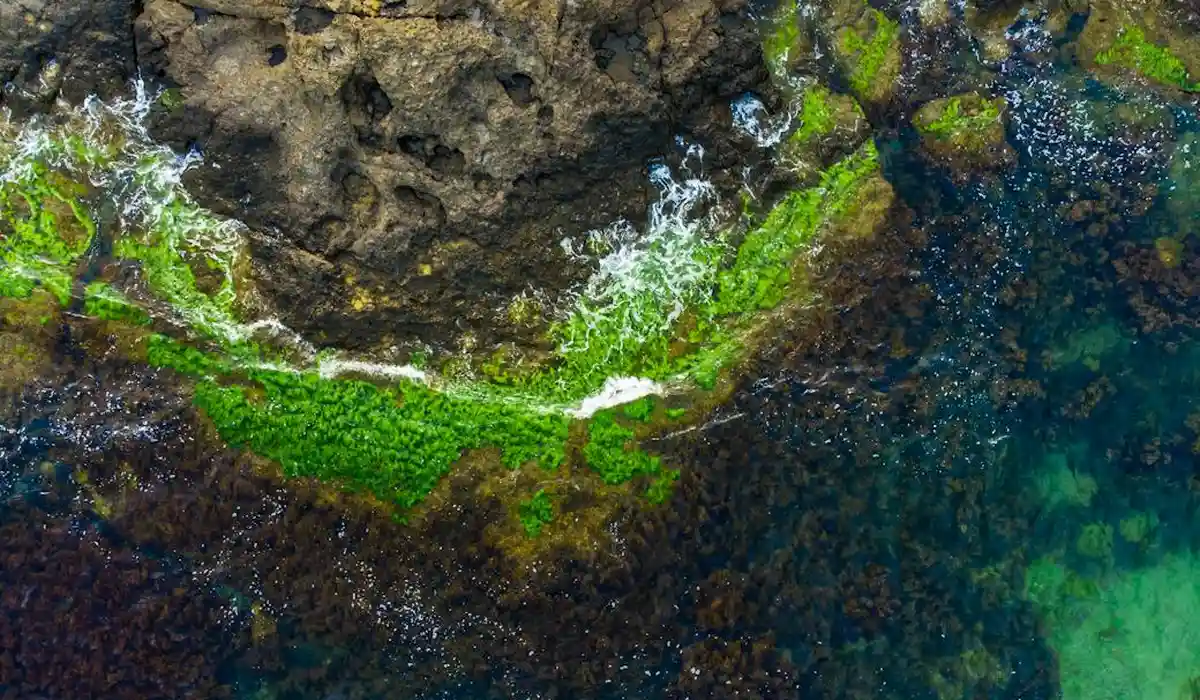
You might stare at that green film on your glass and blame your algae eaters for not keeping up, but the truth is, algae growth is a symptom, not the disease itself. Algae thrives when your tank’s balance tips too far toward light, nutrients, or both, and fixing that starts with looking past your cleanup crew.
Think of your aquarium light like the sun. Leave it on too long, and you’re basically giving algae a non-stop all-you-can-eat buffet. I learned this the hard way with my planted tank; ten hours of bright light daily turned the water hazy green within days. For most freshwater setups, capping your light at six to eight hours a day is the sweet spot to keep plants happy and algae struggling. (how long to keep aquarium lights on).
But that’s only half the story. Those excess nutrients in your water-nitrates and phosphates-are the invisible fuel. They come from fish waste, rotting food, and even tap water. Regular testing with a liquid kit is your best defense, aiming to keep nitrates below 20 ppm for a community tank.
Here are the most common culprits that turn your tank green:
- Extended Lighting: More than 8-10 hours daily, especially with intense LEDs.
- Overfeeding: Uneaten food decays, spiking phosphate levels. My goldfish Goldie is a messy eater, so I feed tiny pinches twice a day.
- Infrequent Water Changes: Old water accumulates nitrates. A 25% change weekly is my non-negotiable rule.
- Low Plant Mass: Fast-growing plants like hornwort outcompete algae for nutrients.
- Tap Water Issues: Some water sources are high in silicates or phosphates, feeding diatom algae.
Getting the water chemistry right is a game of patience. When I finally stabilized my pH at 7.0 and kept my temperature a steady 76°F, the constant algae blooms on the back wall simply stopped.
Your Algae Eaters’ Secret Menu: They Can’t Live on Algae Alone
It’s easy to think a pleco or a snail army will handle all your algae, but treating them as a mere cleanup service is a fast track to hungry, stressed animals. Algae is often just a snack for these creatures; they need a complete, balanced diet to thrive and actually help your tank. Algae can be good or bad for your aquarium ecosystem, depending on balance. With proper care, it supports a healthy tank rather than overgrowth.
Take the common pleco. Many end up starved in too-small tanks because folks assume they’ll scrape algae forever. In reality, most pleco species are omnivores. I supplement my bristlenose pleco’s diet with sinking algae wafers and blanched zucchini slices twice a week, which it devours faster than the algae on the driftwood.
Snails, like nerites, are fantastic grazers, but they can’t process all algae types. They also require calcium for their shells. If your water is soft, adding a cuttlebone to the tank prevents their shells from becoming pitted and weak.
Even bottom dwellers like my corydoras Shadow play a part, but they need their own protein-rich foods. Here’s what a balanced algae eater menu really looks like:
- For Plecos: High-quality algae wafers, blanched vegetables (zucchini, cucumber), and for many species, driftwood to rasp on for fiber.
- For Snails: Algae wafers, calcium supplements, and occasional blanched greens. They’ll ignore green spot algae but love soft film algae.
- For Shrimp and Otocinclus: Biofilm is crucial; supplement with powdered foods and boiled leaf litter like Indian almond leaves.
Feeding them properly makes them more effective. A well-fed nerite snail is a diligent window cleaner for your glass. When you see your algae eaters actively foraging beyond just the algae patches, you’ll know they’re getting the nutrition they need to be part of a healthy ecosystem.
Remember, no fish or invertebrate will eliminate algae caused by an unbalanced tank. Your algae eaters are partners in maintenance, not a substitute for your own regular care and observation, including regular water changes.
The Clean Tank Equation: Algae Eaters Are Just One Variable
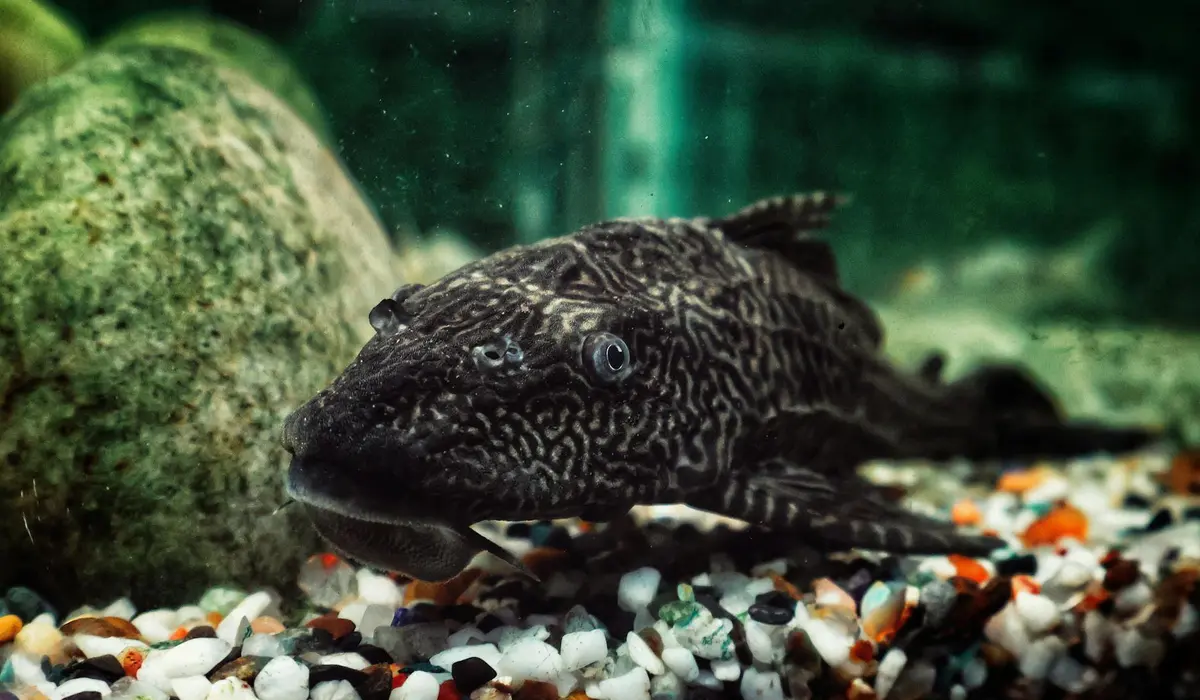
I learned this the hard way after buying a Common Pleco for my first algae-covered tank. Adding an algae eater is like hiring a janitor for a messy kitchen-they can clean up, but they won’t stop someone from leaving food out every night.
What Algae Actually Tells You
That fuzzy green growth on your decor isn’t just ugly; it’s a message from your water. Algae is a symptom of imbalance, usually from too much light or excess nutrients like phosphate and nitrate floating around.
- Light Duration: Cut your tank lights to 6-8 hours a day. I use a cheap outlet timer-it made a bigger difference than any snail.
- Nutrient Source: Overfeeding is the biggest culprit. Uneaten food breaks down into algae fuel. If your fish finish eating in two minutes, you’re probably giving too much.
- Water Change Rhythm: Skipping weekly changes lets nitrates build up. Changing 25% of the water weekly is my non-negotiable rule for clear water.
- Plant Health: Fast-growing plants like water wisteria suck nutrients away from algae. A thick plant bed is your best defense.
Why Your Algae Eater Can’t Work Alone
Creatures like plecos and snails add to the bioload through their waste. A large pleco might eat algae, but it also poops a lot, which can overload your filter and create more problems than it solves.
In my 40-gallon planted tank, my Nerite snails keep the glass spotless, but I still got staghorn algae until I tested my tap water and found high phosphates. You must tackle the source of the algae, not just employ something to scrape it off.
Choosing Your Crew Wisely: Compatibility and Considerations
Picking an algae eater isn’t a one-size-fits-all decision. Throwing a random cleaner into your tank can stress your current fish and fail to control algae, leaving everyone unhappy. In many setups, fish and shrimp are among the best cleaners of aquarium algae when chosen for compatibility with your tank. They can be a reliable part of a balanced cleanup crew that keeps surfaces clear without disrupting other residents.
Match the Eater to Your Tank’s Size
Always, always check the adult size. Those tiny “algae eaters” at the store can become giants. For most home aquariums under 50 gallons, large plecos are a poor fit that will outgrow their welcome quickly.
- Small Tanks (10-20 gallons): Nerite or Mystery snails are champions. They won’t reproduce in freshwater and are peaceful grazers.
- Medium Tanks (20-50 gallons): Bristlenose Plecos (max 5 inches) or a group of Otocinclus catfish work well. They need driftwood to graze on.
- Large Tanks (55+ gallons): Larger pleco species or a crew of Siamese algae eaters can be considered, but research their specific needs.
Consider Personality and Tank Mates
Think about the fish you already have. My betta, Captain Fin, is too territorial for active bottom dwellers, so I skipped plecos entirely. An algae eater that’s constantly hiding from bullies won’t be out cleaning your tank.
- Observe Aggression Levels: Fish like cichlids or feisty bettas may see snails as food or attack shy plecos.
- Check Water Parameter Overlap: Most community algae eaters thrive at 72-78°F and a pH near 7.0. Mismatched parameters weaken their immune systems.
- Plan for Supplemental Feeding: Algae alone is rarely enough. You’ll need to feed sinking wafers or blanched zucchini to keep them healthy and prevent them from nibbling on plants or fish.
I once tried a Chinese Algae Eater in a peaceful community tank. It started sucking slime coats off my other fish as it grew older. Territorial dynamics can surprise even gentle species. For a deeper look, the ultimate guide to aquarium territorial behavior explains how to anticipate aggression and place tank mates for harmony. Spending an hour researching species behavior can prevent heartache and ensure your clean-up crew actually cleans.
Balancing Your Aquatic Ecosystem: The True Path to Clarity
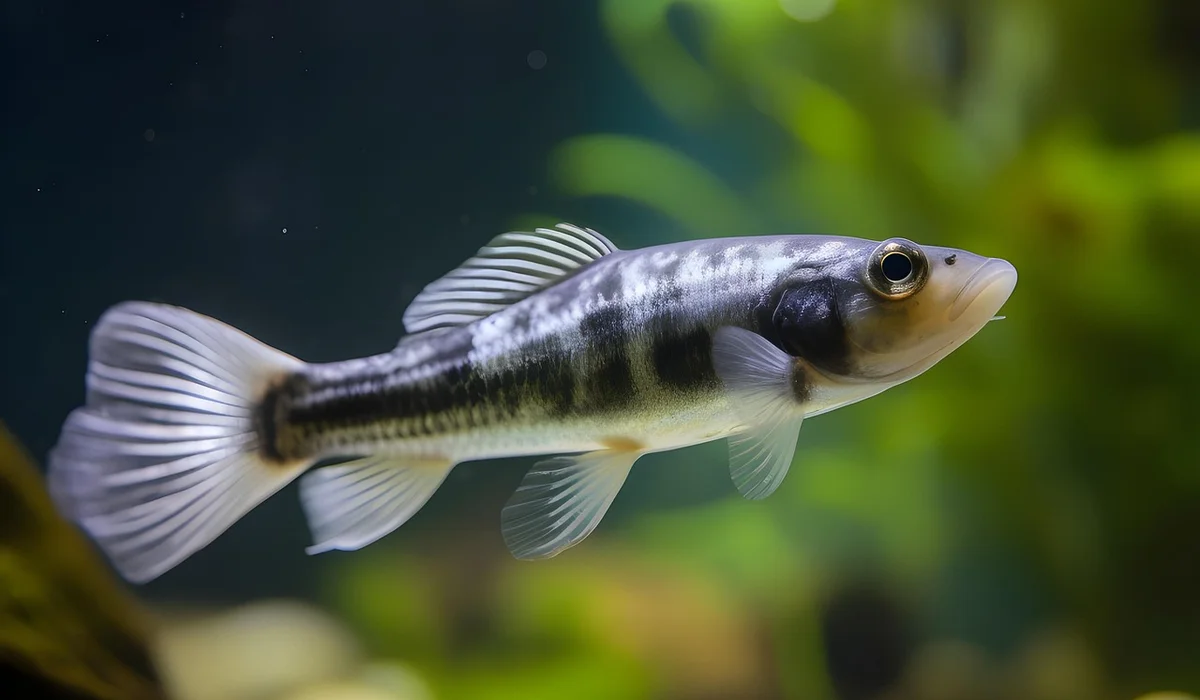
Think of your tank like a tiny, glass-enclosed world. For it to thrive, every part needs to work in harmony. Relying on an algae eater as a cleanup crew is like trying to mop up an overflowing sink without first turning off the tap. The real secret isn’t a single fish; it’s mastering the balance of light, nutrients, and maintenance. Essential tasks—such as regular water testing, partial water changes, and filter upkeep—need a steady routine. Getting the frequency right keeps the tank thriving.
The Foundation: Impeccable Water Quality
Algae isn’t just a plant; it’s a symptom. It thrives on excess nutrients, namely nitrates and phosphates, which accumulate from fish waste, decaying food, and plant matter. My Corydoras, Shadow, might stir the substrate, but he doesn’t make those nutrients disappear. To tackle it, I use an algae outbreak checklist: identify the type, then find the root cause. That helps you fix nutrients and restore balance.
Your filtration system is your tank’s kidney, and regular partial water changes are its dialysis. A consistent schedule of changing 20-30% of your water weekly is the single most effective action you can take to strip excess nutrients from the water column. Test your water regularly. If nitrates are consistently above 20 ppm, you’ve found a primary food source for your algal bloom.
Mastering the Light Recipe
Light is algae’s other main ingredient. Too much, and you’re serving a non-stop buffet.
- Duration: For most planted community tanks, 6 to 8 hours of light is sufficient. Use a simple plug-in timer for absolute consistency; your fish and plants will thank you for the reliable schedule.
- Intensity: If you have low-light plants like Anubias or Java Fern, you don’t need a blindingly powerful light. Match your light’s output to your plants’ actual needs.
- Position: Keep your tank out of direct sunlight. That beautiful sunbeam might warm the room, but it will supercharge algae growth in unpredictable ways.
The Nutrient Tango: Feeding and Fertilizing
Overfeeding is a cardinal sin in fish keeping. Uneaten food decomposes, spiking ammonia and fueling algae. Feed only what your fish can completely consume in about two minutes, and consider having one “fasting” day per week to let their digestive systems rest. Observe your fish. My betta, Captain Fin, is always eager, but I watch his belly to ensure I’m not overdoing it.
If you have live plants, you need to fertilize them. This seems counterintuitive—adding nutrients to fight algae? But robust plant growth directly competes with algae for those same resources. It’s a delicate dance. Balancing nutrients is essential to prevent algae growth in planted tanks. When plants efficiently use the nutrients, algae has fewer resources to exploit. Start with a comprehensive, liquid fertilizer at half the recommended dose and observe how your plants respond over a few weeks.
Embrace the Manual Labor
Some level of algae is normal and healthy. The goal is management, not eradication. Get comfortable with using an algae scraper or pad on the glass during water changes, and gently rub algae off of plant leaves with your fingers. For stubborn spots on driftwood or decor, a soft-bristled toothbrush works wonders. This physical removal instantly reduces the problem without any chemical side effects.
Building a Support Team, Not a Silver Bullet
This is where creatures like snails and some fish can play a helpful, supporting role in your balanced system. They are specialists, not generalists.
- Nerite Snails: These are my top recommendation. They are absolute machines at consuming flat algae films on glass and hardscape, they cannot reproduce in fresh water, and they have minimal bioload.
- Amano Shrimp: Excellent for picking at hair algae, biofilm, and leftover food in planted tanks. They are peaceful and active, but they need stable, mature water conditions.
- Otocinclus Catfish: Timid, schooling fish that are fantastic at grazing soft green algae from leaves and glass. They are sensitive and should only be added to a very well-established, mature aquarium.
The key is to add these helpers to an already stable environment, not a troubled one. They are part of the solution you’ve already built, not a magic fix for a neglected tank. When your ecosystem is in balance, the water hums with clarity, your plants shimmer with health, and any algae becomes a minor, manageable guest rather than a permanent, ugly resident.
FAQs
Can algae eaters survive on algae alone?
No, algae alone is an insufficient diet for almost all algae-eating species. Algae is often just a supplemental food source and lacks the complete nutrition these animals need to thrive. Creatures like plecos require sinking wafers, vegetables, and even driftwood, while snails need calcium supplements to maintain their shells.
Do algae eaters reduce the need for tank maintenance?
No, they do not eliminate the need for regular maintenance. In fact, because they add to the tank’s bioload with their own waste, they can sometimes increase the need for filtration and water changes. A clean tank still relies on your consistent care, including water changes, substrate vacuuming, and glass scraping.
Is it true that algae eaters will solve all algae problems?
Absolutely not. Algae eaters are a management tool, not a solution. Algae growth is a symptom of an imbalance in light or nutrients (like nitrates and phosphates) in the water. In a planted aquarium algae control, healthy plants outcompete algae for nutrients. That means, beyond lighting and water changes, providing CO2 and nutrients for plants helps suppress algae. To solve an algae problem, you must address these root causes through proper lighting schedules, feeding habits, and water changes.
Do algae eaters contribute to bioload and waste?
Yes, significantly. All living creatures in your tank produce waste. A common pleco, for example, produces a large amount of waste that can contribute to high nitrate levels. It’s crucial to account for their bioload when stocking your tank to avoid overloading your filter and compromising water quality.
Your Algae-Free Journey Starts Here
The clearest path to a balanced tank is to stop hoping for a magic bullet and start mastering the fundamentals of light, nutrients, and maintenance. Choose tank mates like plecos or snails for their personality and compatibility first, and view any algae they eat as a helpful bonus, not their sole purpose.
True success in fishkeeping comes from embracing your role as the ecosystem’s steward, making informed choices for the long-term health of every creature in your care. Let your curiosity grow alongside your aquarium, and you’ll find that the ongoing learning is just as rewarding as the crystal-clear view.
Further Reading & Sources
- snails vs. pleco | MonsterFishKeepers.com
- Plecos & Snails | The Planted Tank Forum
- 16.2.4. Algae Eaters in the Aquarium
- How to get a shy pleco to eat algae wafers before a snail | The Planted Tank Forum
- Do Plecos Eat Snails? Everything You Need To Know!
Lia is an expert in aquarium and pet fish care. Having worked in the marine industry and having cared for multiple pet fish, she has acquired first hand expertise on aquarium care, maintenance and setup. She always brings her practical expertise and science to help solve any aquarium related queries.
Algae Control