
Snail Egg Invasion? Your Action Plan for a Clean, Healthy Aquarium
Published on: January 11, 2026 | Last Updated: January 11, 2026
Written By: Lia Annick
Hello fellow aquarium enthusiasts! If you’ve just noticed those jelly-like clusters in your tank and your heart sank a little, I totally get it. Dealing with unwanted snail eggs is a common hurdle, but I’m here to walk you through simple, effective solutions that protect your aquatic friends.
This guide will help you tackle the issue head-on by covering:
- Identifying exactly what type of snail eggs you’re dealing with
- Safe, hands-on methods to remove them without stress
- Proactive steps to prevent future snail population explosions
- What to do with the eggs once they’re out of your tank
With years of experience maintaining high-tech planted tanks and breeding fish like bettas and corydoras, I’ve handled snail surprises more times than I can count.
What Do Unwanted Snail Eggs Look Like?
Spotting snail eggs early can save you from a population explosion, and I’ve learned to recognize them from years of maintaining planted tanks. Each snail species lays distinct egg clutches that vary in color, texture, and placement, so knowing what to look for helps you act fast. People often ask, do snail eggs look like something you’d find in an aquarium? Usually they’re translucent, jelly-like clusters attached to plants or glass.
- Ramshorn snails produce clear, gelatinous egg masses that cling to glass, plant leaves, or decor, often containing dozens of tiny round eggs.
- Mystery snails lay bright pink or white clutches above the waterline on tank lids or glass, resembling lumpy grapes and hardening over time.
- Nerite snails deposit small, white, sesame seed-like eggs that are incredibly hard and stick firmly to surfaces like driftwood or rocks, though they won’t hatch in freshwater.
Check smooth surfaces first, like the tank glass near the water surface, and inspect plant leaves and decorations for any unusual bumps or films. I always run a finger over decor when cleaning-if it feels gritty or slimy, you might have eggs hiding in plain sight.
How Did Snail Eggs End Up in Your Tank?
Snail eggs often arrive unnoticed, and understanding their sources helps prevent future invasions. Most infestations start with a single hitchhiker or favorable water conditions that encourage breeding.
- Hitchhiker snails on live plants are the top culprit; eggs or tiny snails hide in plant roots or leaves from stores or other tanks.
- Overfeeding leads to algae blooms and excess waste, creating a buffet that fuels snail reproduction and population spikes.
- Introduced decor or substrate from established tanks can carry eggs, spreading them before you even notice.
Stable, nutrient-rich water with a pH around 7.0-7.5 and temperatures between 72-78°F makes snails breed rapidly. In my experience, cutting back on fish food and quarantining new plants for a week reduces the risk dramatically. Are snails good or bad for your aquarium? They can be beneficial cleaners, but populations need to be kept in check.
Safe and Effective Snail Egg Removal Methods
Manual Removal Techniques
When you spot those jelly-like clutches stuck to your glass or decor, acting quickly can stop a population boom. I always start by washing my hands thoroughly with unscented soap to avoid introducing any chemicals into the tank. For smooth surfaces like glass, a dedicated aquarium scraper or even an old credit card works wonders to gently pry the eggs loose.
- Gently slide the edge of your tool under the egg clutch, applying steady pressure to lift it off in one piece.
- Use a fine-mesh net to catch any floating eggs before they settle elsewhere.
- For delicate areas or if you’re comfortable, your fingers can carefully roll the eggs off decorations, but avoid squishing them.
On porous driftwood or rough rocks, I use a soft-bristled toothbrush to dislodge eggs without scratching surfaces. Always move slowly to avoid startling fish like my betta, Captain Fin, who gets curious about any activity in his domain.
Siphoning and Cleaning Strategies
Your regular water change is the perfect opportunity to tackle eggs hiding in the substrate or among plant roots. I rely on a gravel vacuum siphon to suck up eggs directly from the sand or gravel without majorly disturbing the tank’s setup. Focus the siphon’s flow over areas where you’ve seen eggs, and the suction will pull them into the bucket.
- Use a siphon with an adjustable flow rate to control suction strength.
- Angle the tube close to plant bases where eggs often attach.
- Combine this with trimming dead leaves to remove egg hiding spots.
After siphoning, I check the collected water for any eggs and dispose of them far from the tank. This method keeps the water clear and reduces the chance of eggs hatching unnoticed.
Handling Eggs on Live Plants and Decor
Live plants can be tricky because you don’t want to harm them while removing eggs. For broad-leaf plants like Anubias, I gently wipe the leaves with a soft cloth or use tweezers to pluck off egg masses. If eggs are clustered on a single leaf, sometimes it’s easier to trim that leaf entirely with aquarium scissors.
Nerite snail eggs are especially stubborn—they look like tiny white sesame seeds and cling tightly to surfaces. I’ve found that a blunt tool, like a plastic spatula, can scrape them off decor without causing damage, but they won’t hatch in freshwater anyway. For heavily infested plants, a short quarantine in a separate container with a mild salt dip (1 tablespoon per gallon for 10-15 minutes) can help, but rinse plants well before returning them. Do note that aquarium salt can be used to support fish health and assist with some pest snail control when used carefully. Always follow dosage instructions and avoid salinity that could harm nerite snails or delicate aquatic plants.
Preventing Future Snail Egg Clutches
Stopping snails from laying eggs starts with making your tank less inviting for breeding. Regular maintenance like weekly water changes of 20-30% and scrubbing algae off glass cuts down their food sources dramatically. I noticed a big drop in egg clutches after I got stricter about cleaning in my goldfish Goldie’s tank, since she’s a messy eater. It’s important to understand how snails reproduce in an aquarium to effectively control their population.
- Quarantine new plants for at least two weeks in a separate tank or treat them with a snail-killing dip before adding.
- Adjust feeding amounts so no excess food remains after five minutes-overfeeding is a top cause of snail booms.
- Monitor water quality with test kits, aiming for stable pH and low nitrates, which discourages rapid snail reproduction.
Reducing tank lighting to 6-8 hours a day also limits algae growth, and adding fast-growing plants like hornwort can outcompete snails for nutrients. Creating a balanced ecosystem where snails have fewer resources is your best long-term defense against unwanted eggs. To prevent pest snails from entering your aquarium, quarantine new plants and inspect them for eggs before adding them. Also keep new decorations and equipment free of snails and eggs.
Using Natural Predators for Snail Control
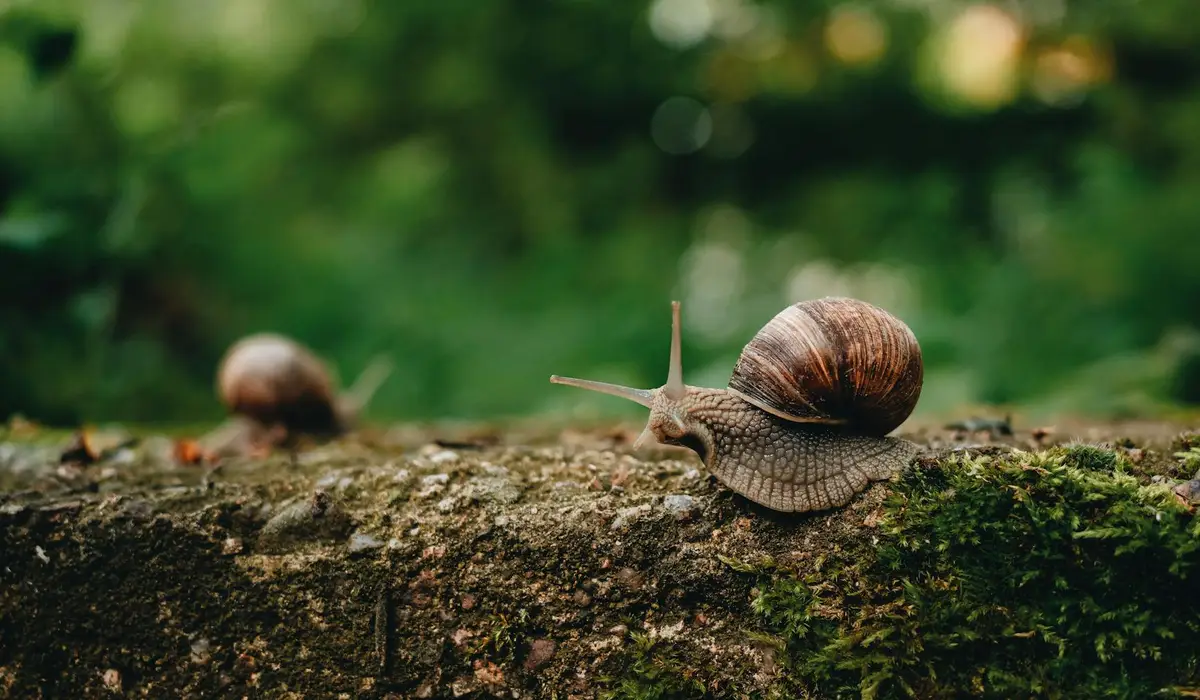
You can recruit a cleanup crew to handle your snail problem for you. Introducing a natural predator is a highly effective, hands-off method that works with your tank’s ecosystem. If you’re wondering what the best natural snail predators for aquarium pest snails are, assassin snails and snail-eating fish are commonly used. Their effectiveness depends on your tank setup and snail species.
Here are some of the best fish and invertebrates for the job:
- Assassin Snails: These are your specialist hunters. They actively seek out and consume both snail eggs and adult pest snails. They are slow-reproducing and won’t overrun your tank.
- Clown Loaches: These fish are snail-eating powerhouses. They have a unique anatomy that allows them to suck snails right out of their shells. Be aware they grow very large and need a school of friends.
- Yoyo Loaches and Zebra Loaches: Smaller than Clown Loaches, these active bottom-dwellers have a voracious appetite for snails and are perfect for medium-sized tanks.
- Dwarf Pufferfish: If you have a species-only tank, these tiny fish are relentless snail destroyers. Their sharp beaks are perfectly designed for breaking shells.
- Certain Cichlids: Larger cichlids, like Oscars or Jack Dempseys, will happily snack on snails but are not suitable for community setups.
Before you add any new resident, you must consider tank compatibility. Always quarantine new fish for at least two weeks to prevent introducing diseases to your established aquarium. Research their adult size, temperament, and water parameter needs to ensure they are a good fit. When building a community tank, choose compatible community fish whose temperaments and space requirements are compatible with your current stock. This helps reduce stress and aggression and keeps the tank harmonious. Be especially cautious if you have or plan to have fish fry, as many of these predators will see them as a tasty snack.
Managing Hatched Snails and Recurrence
Sometimes, despite your best efforts, you’ll lift a decoration and find a cluster of tiny, newly hatched snails. Don’t panic. A swift, multi-pronged approach can knock back a baby snail boom before it gets out of hand.
For immediate action, manual removal is your most powerful tool.
- Place a blanched piece of zucchini or a sinking algae wafer in the tank at night. By morning, it will be covered in snails you can easily remove.
- During water changes, use a gravel vacuum to siphon baby snails directly from the substrate and decorations.
- A small net can be used to skim the water surface and tank glass for any stragglers.
If you keep finding new egg clutches, you need to address the root cause. Recurring snail infestations are almost always a symptom of excess food or waste in the tank. This is a call to reassess your routine.
- Cut back on feeding. Feed only what your fish can completely consume in two minutes, once or twice a day.
- Increase the frequency of your water changes and gravel vacuuming. I found that switching to a 25% water change every week instead of 50% every two weeks made a huge difference in my own tank’s detritus levels.
- Prune dying plant leaves promptly and remove any uneaten food after feeding time.
Managing snails is often an ongoing process of observation and adjustment. Stay vigilant, and your tank will find a new, more manageable balance where snails are a minor part of the cleanup crew, not the main event. This concept is a core part of a complete guide to keeping snails and shrimp together. A balanced approach prevents competition and keeps both groups thriving in the tank.
Common Questions
What is the best tool to remove snail eggs?
An aquarium-safe scraper or a blunt plastic card, like an old credit card, is ideal for scraping egg clutches off smooth surfaces like glass. For more delicate or curved decorations, a soft-bristled toothbrush can dislodge eggs without causing scratches. Always move slowly and carefully to avoid stressing your fish or damaging the tank.
How do I safely remove snail eggs from live plants?
Gently wipe the leaves with a soft cloth or use a pair of aquascaping tweezers to pluck off the egg masses. If the eggs are concentrated on a single leaf, it is often safest for the plant to trim that entire leaf with aquarium scissors. For a heavily infested plant, a brief quarantine and inspection outside the tank can prevent the spread.
Why are Nerite snail eggs so hard to remove?
Nerite snail eggs are naturally cemented to hard surfaces and have a very tough, calcified shell. They are designed to withstand water currents, which makes them difficult to scrape off. While they are a nuisance, it is important to remember that these specific eggs will not hatch in freshwater, so they are a cosmetic issue rather than a population threat. It’s also useful to know how to differentiate between fish eggs and snail eggs when managing your aquarium.
What should I do with snail eggs after I remove them?
The most humane and common method is to place them in a sealed bag and dispose of them in the trash. You should never flush them or release them into local waterways, as this can disrupt the local ecosystem. For those who are uncomfortable with this, offering them to a local fish store or another hobbyist with snail-eating fish is an alternative.
Your Aquarium, Your Rules
To manage unwanted snail eggs, focus on manual removal and adjusting feeding habits to prevent overpopulation. For a balanced approach, consider safe biological controls like assassin snails, but always verify they won’t harm your other tank inhabitants first.
Responsible fish keeping means making thoughtful choices that prioritize your aquatic ecosystem’s long-term health. I encourage you to keep learning about water parameters and fish behavior-it’s the best way to ensure your tank remains a vibrant, thriving home.
Further Reading & Sources
- How to prevent snail eggs from taking over your aquarium – AquariumStoreDepot
- What To Do With Freshwater Snail Eggs In Your Aquarium
- All About Pest Snails in the Planted Aquarium – Buce Plant
- Breeding Mystery Snails | Fool-Proof Guide – The Shrimp Farm
- EGG INVASION IN FISH TANK |Snail Eggs in Aquarium #shorts #fish – YouTube
Lia is an expert in aquarium and pet fish care. Having worked in the marine industry and having cared for multiple pet fish, she has acquired first hand expertise on aquarium care, maintenance and setup. She always brings her practical expertise and science to help solve any aquarium related queries.
Aquatic Invertebrates