
Snail Eggs in Your Aquarium: The Visual Guide to Identifying Clutches and Capsules
Published on: January 13, 2026 | Last Updated: January 13, 2026
Written By: Lia Annick
Hello fellow aquarists! That sudden appearance of a mysterious, gelatinous blob or a cluster of tiny dots on your tank glass can be both exciting and bewildering. Figuring out what snail eggs look like is your first step to managing your aquarium’s ecosystem wisely.
This clear guide will help you become a snail egg detective, covering key aspects like:
- The distinct shapes, colors, and textures of common snail eggs
- Exactly where to look for these hidden clutches
- How to tell if the eggs are fertile or need removal
- Simple, humane control methods that protect your tank’s balance
Drawing from years of hands-on experience with high-tech planted tanks and fish breeding, I’ve navigated this exact curiosity many times.
Introduction: Your First Glimpse of Snail Eggs
You’re admiring your tank, watching Captain Fin parade past his favorite leaf, when your eye catches something odd. It’s a strange, jelly-like blob stuck to the glass near the waterline. Your first thought might be panic-what is this alien invader? Let me reassure you, discovering a mysterious clutch in your aquarium is a near-universal experience for fish keepers, and it’s almost always snail eggs.
This moment is just part of the ecosystem’s rhythm. Instead of worry, think of it as a sign your tank is healthy enough for life to flourish. Identifying exactly what you’re looking at is your first and most powerful step toward managing your tank’s population.
The Basic Blueprint: General Traits of Snail Egg Masses
Regardless of species, most snail eggs share a common blueprint. They are almost always enclosed in a protective, gelatinous substance. This clutch feels firm yet distinctly slimy to the touch and is designed to stay hydrated and safe from predators.
The colors can range from perfectly clear to opaque white, with some species laying pinkish or even faintly yellow clusters. You’ll typically find these masses stubbornly adhered to hard surfaces: the aquarium glass, the underside of broad plant leaves, on driftwood, or even clinging to your filter intake.
Here’s a quick comparison to help you distinguish them from fish eggs at a glance:
- Snail Eggs: Enclosed in a cohesive jelly-like blob or sack. Often contain dozens to hundreds of tiny, dot-like eggs within the gel. Firmly glued to surfaces.
- Fish Eggs: Usually individual, separate spheres (like tiny beads). They may be scattered or in a loose pile, not bound in a jelly. Some species guard them, but they are not typically glued down.
Snail Egg Identification by Species
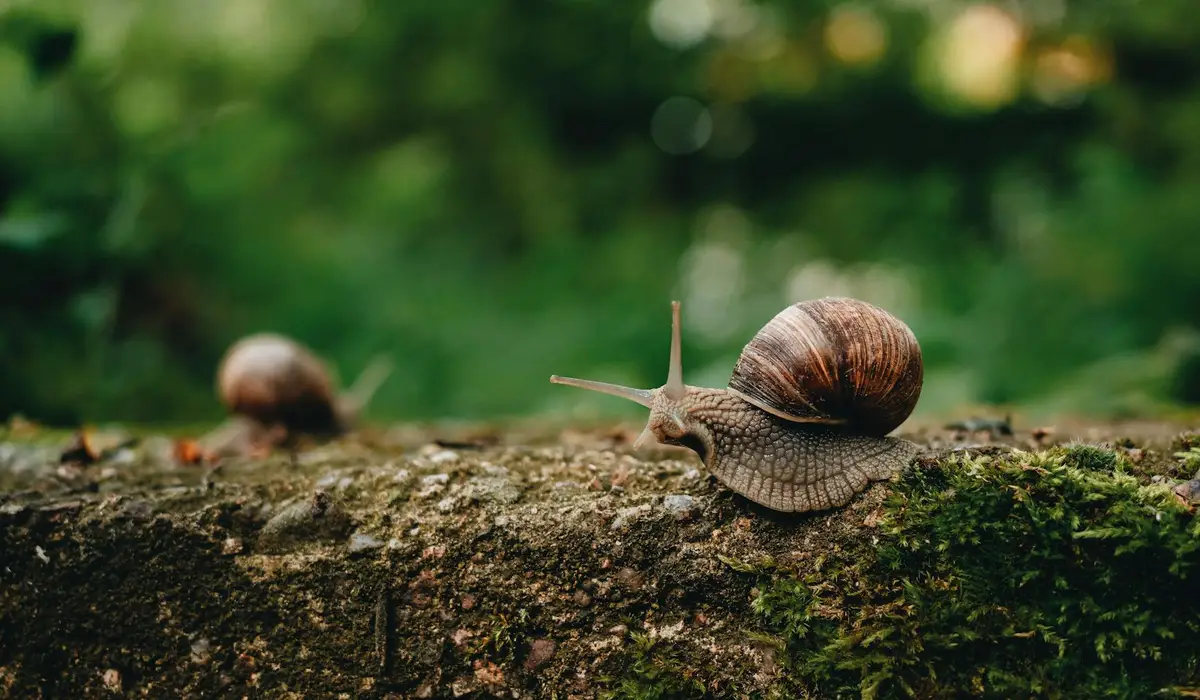
Mystery and Apple Snail Eggs
Spotting a small, colorful lump stuck to your tank glass above the water is a sure sign of Mystery or Apple snail activity. These snails lay conspicuous clutches in shades of bright pink or soft white, always positioned safely above the waterline to avoid flooding.
- The egg mass has a hard, calcareous texture, similar to brittle cement or a tiny, intricate honeycomb.
- Each clutch contains dozens of eggs protected by this rough, chalky shell that prevents rapid drying.
- Successful hatching requires consistent humidity; I always ensure the lid is on tight and sometimes lightly mist the clutch with tank water.
Ramshorn and Bladder Snail Eggs
For Ramshorn and Bladder snails, look for translucent, gelatinous blobs stuck to surfaces like plant leaves or aquarium glass. These clear, jelly-like sacs often hold twenty to thirty perfectly round eggs, visible inside like tiny seeds.
- The sacs are soft and malleable, easily smeared if touched, unlike the hard Mystery snail clutches.
- Hatching is remarkably fast, frequently occurring within a single week if your water temperature is around 77-80°F.
- An explosion of these eggs on your plants can be a gentle nudge to check your feeding routine.
Malaysian Trumpet Snails and Live-Bearing Species
You might rarely see eggs from Malaysian Trumpet Snails or similar live-bearing species. These snails often give birth to live, minute young or discreetly bury single eggs deep in the substrate, making their reproduction a hidden affair.
- Instead of finding egg masses, you’ll suddenly notice pinhead-sized snails crawling through your gravel.
- If they do lay eggs, they resemble tiny, opaque pearls buried an inch deep in sandy substrate.
- I occasionally sift through the substrate during cleaning to find these well-camouflaged eggs.
The Hatching Process: Timeline and Incubation
Hatching timelines vary wildly by species, influenced by your tank’s specific conditions. Consistent warmth and stability are far more critical than the calendar date for ensuring healthy snail development.
| Snail Species | Average Hatch Time | Ideal Temperature Range |
|---|---|---|
| Ramshorn Snails | 5 to 10 days | 75°F – 80°F |
| Bladder Snails | 7 to 14 days | 70°F – 80°F |
| Mystery Snails | 2 to 4 weeks | 70°F – 78°F |
| Apple Snails | 3 to 4 weeks | 72°F – 78°F |
Several key factors directly control how quickly those eggs will develop. Water temperature is the primary driver, with a jump of just five degrees potentially cutting hatch time in half for species like Ramshorns.
- pH Stability: Keep your pH between 6.8 and 7.8 to avoid shocking delicate embryos with sudden chemical shifts.
- Ambient Humidity: For above-water clutches, humidity levels above 70% are non-negotiable to keep the calcareous shell from cracking.
- Water Quality: Ammonia or nitrite spikes can permeate gelatinous egg sacs and halt development entirely.
Monitoring your snail eggs is simple with a careful eye. Look for the eggs to darken over time, as growing embryos inside become more visible, signaling an imminent hatch.
- Check eggs every three to four days without touching them; use a flashlight for a better view inside jelly sacs.
- For above-water clutches, ensure they remain slightly moist but never wet; a dry, shriveled appearance means more humidity is needed.
- Remove any egg masses that turn completely white or develop fuzzy mold, as they are likely non-viable.
- Be patient and avoid moving eggs, as the disturbance can easily damage the developing snails inside.
To Keep or Remove? Assessing Snail Eggs in Your Ecosystem
Spotting a clutch of snail eggs glued to your aquarium glass can leave you torn between fascination and frustration. Your decision hinges on whether these potential snails align with your vision for the tank’s ecosystem. Some pest snails can be beneficial, helping to clean algae and detritus, while others can multiply and overwhelm the tank. Are any pest snails beneficial in your aquarium?
Leaving snail eggs to hatch offers real benefits. Snail hatchlings become a diligent clean-up crew, munching on leftover food and soft algae that your main fish miss. In my own planted tanks, a controlled snail population has kept driftwood and leaf litter remarkably clean. They also become a live snack for fish; my feisty betta, Captain Fin, will eagerly hunt tiny hatchlings, providing enrichment. If you’re interested in learning more about their dietary needs, check out what aquarium snails eat.
Unchecked reproduction is the obvious downside. A snail boom can strain your biofilter and leave unsightly trails of waste on every surface. I once had a minor explosion in a 10-gallon tank that required daily glass cleaning to keep up.
Compatibility with your current fish is a major factor. Fish like Captain Fin, a Crowntail Betta, will often eat vulnerable snail hatchlings, helping with natural population control. Goldie, my Oranda Goldfish, will vacuum up anything that fits in her mouth, including eggs and baby snails. Bottom dwellers like Shadow, my Corydoras, typically ignore the eggs but might rootle through them for food.
Use this simple list to guide your choice based on your primary tank goal:
- Keep the eggs if: You have a large, established tank (30+ gallons), want a clean-up crew, or have fish that eat small snails.
- Remove the eggs if: Your tank is under 20 gallons, you prize immaculate aquascaping, or you already struggle with water quality.
- Adopt a wait-and-see approach if: You have a balanced community tank with potential predators. You can always remove snails later.
How to Safely Remove Snail Eggs
If you’ve decided removal is best, act quickly before the eggs mature. Manual removal is immediate and gives you full control over the process.
You have a few effective tools for the job. Gently scraping the gelatinous clutch with a single-edge razor blade is my go-to method for eggs on glass or hardscape. For tricky spots on filter intakes or decor, a stiff-bristled toothbrush or cloth works well. You can also use a gravel vacuum during a water change to siphon away loose egg masses.
Sometimes, you need to ensure the eggs don’t hatch. To humanely crush a clutch, carefully scrape it into a small container of tank water and press it firmly between your fingers until it disintegrates. This is instant and prevents live snails from entering waterways if you dispose of the water. Manual removal is a practical, chemical-free approach to reducing pest snail populations in your tank or garden. You can also support natural predators, such as snail-eating fish or beneficial invertebrates, to help keep numbers in check without chemicals.
Introducing natural predators is a long-term strategy. Adding one or two assassin snails will hunt and eat other snails, but they reproduce slowly and can become permanent residents. In the broader context of the best natural predators for snails in aquariums, assassin snails are a common first choice due to their snail-specific diet. However, their effectiveness can vary with snail species and tank conditions. I only recommend this for tanks over 15 gallons to avoid swapping one snail issue for another.
Caring for Snail Hatchlings in a Community Tank
Finding a cluster of tiny, translucent snail hatchlings gliding across the glass can be a delightful surprise. Keeping these delicate newcomers alive in a busy community tank requires a shift in your routine, focusing on safe spaces and specialized food. You need to think like a snail parent, ensuring their world is both nourishing and secure. These hatchlings are exactly the kind of detail you’ll find in a complete guide to keeping snails and shrimp together. That guide helps you balance their needs and create a peaceful, thriving tank for both.
Their miniature mouths can’t handle standard fish food, so you must provide finely sized meals. I often use a mortar and pestle from my kitchen to grind foods into a soft powder. Target feeding in calm areas of the tank ensures the hatchlings get their share before fish like my ever-foraging Goldie swoop in.
- Crushed algae wafers: Pulverize a wafer into dust between your fingers and sprinkle a pinch near plant bases once daily.
- Powdered fry food: This protein-rich dust dissolves slowly and fuels rapid growth. Use sparingly to avoid water cloudiness.
- Biofilm: Encourage this natural coating on driftwood and leaf litter by allowing some gentle algae growth; it’s a self-sustaining hatchling buffet.
Safety is non-negotiable. The hum of your filter can be a death trap, and playful fish may see hatchlings as live snacks. I learned this the hard way with my first batch of ramshorn snails before I took protective measures.
- Pre-filter sponge on intakes: Slide a fine-pore sponge over your filter intake tube. This prevents suction tragedies and boosts beneficial bacteria.
- Dense plant cover: Cultivate thickets of Java moss, guppy grass, or hornwort. These provide essential hiding spots from fish and surfaces for grazing.
Hatchlings can grow visibly from week to week, depending on species and food availability. You should consider moving juveniles to a separate tank when their population density affects water clarity or you see competition for food. For most common snails, once they reach the size of a small pea, a dedicated enclosure gives you better control over their environment and numbers.
Proactive Prevention: Avoiding Unwanted Snail Eggs
An ounce of prevention is worth a pound of snail removal. Unchecked breeding can quickly turn a few beneficial snails into an overwhelming cleanup crew. Stopping eggs before they arrive is the most effective long-term strategy for population control. It centers on strict quarantine and impeccable tank hygiene. Preventing pest snails starts at the source—quarantine new plants, rocks, and equipment. Always inspect shipments for eggs or hitchhikers before they touch your tank.
New plants are the top culprit for introducing eggs. A simple dip treatment can neutralize these stowaways without harming most hardy plants. I never add store-bought plants directly to my main tank; they always get a dip and a rinse first.
- Mild bleach dip: Mix 1 part plain bleach with 19 parts water. Submerge plants for 90 seconds only, then rinse them vigorously in water treated with a dechlorinator.
- Saltwater dip: Dissolve 3 tablespoons of aquarium salt per gallon of water. Soak plants for 10-15 minutes, then rinse thoroughly to remove salt residue.
Your feeding regimen directly controls snail reproduction. Excess nutrients from fish waste and leftover food fuel population booms. Feed only what your fish can completely finish within two minutes, and immediately scoop out any uneaten bits. This simple habit limits the primary food source for egg-laying adults.
Regular substrate maintenance physically removes eggs and detritus. During water changes, pay close attention to the gravel bed where eggs often hide. A thorough weekly vacuum of your substrate significantly reduces the chances of eggs ever hatching. Focus on areas under decorations and behind rocks where organic matter accumulates.
Common Questions
Are snail eggs dangerous for my aquarium?
Snail eggs themselves are not inherently dangerous. The main risk is rapid overpopulation if all eggs hatch, which can strain your tank’s bio-filter and increase waste. However, a controlled number of snails can be beneficial as part of your clean-up crew.
How long do snail eggs take to hatch in an aquarium?
Hatching time varies significantly by species and water temperature. Generally, it can range from about 5 days for Ramshorn snails in warm water to 4 weeks for Mystery snails. Warmer temperatures typically accelerate development.
What should I do if I find snail eggs on the aquarium glass?
First, identify the egg type to decide if you want to keep them. If you choose removal, you can gently scrape the clutch off with a razor blade or credit card. For a humane approach, crush the removed eggs before disposal to prevent live snails from entering local waterways. If you have unwanted snail eggs in your tank, these steps can help you manage them. Acting quickly matters, as hatch times can vary.
What do people on Reddit commonly say about finding snail eggs?
On aquarium subreddits, discovering snail eggs is a very common “rite of passage” for hobbyists. Many posts seek identification help, while experienced users often share tips on population control, emphasizing that a sudden appearance of eggs can indicate overfeeding. Curious about “do snails reproduce in aquariums”? A full guide explains how snail reproduction occurs, what to watch for, and how to manage populations.
Keeping Your Aquarium in Balance
Learning to identify different snail eggs allows you to manage their population with confidence, using manual removal or natural predators. The most reliable long-term strategy is combining careful feeding habits with pristine water quality to prevent overwhelming numbers before they start. When comparing egg types in your tank, snail eggs are typically laid in gelatinous clutches attached to surfaces, while many fish eggs are free-floating or laid in distinct patterns. Knowing these differences helps you avoid misidentification in a mixed aquarium.
Every new discovery, from a cluster of eggs to the behavior of a shy fish, is a step forward in your fish keeping journey. Stay curious, ask questions from fellow hobbyists, and enjoy the process of creating a thriving, balanced world for all your aquatic pets.
Further Reading & Sources
- Aquarium Snail Eggs: Identification, Care & Hatching Tips
- The Ultimate Guide to Snail Eggs in the Aquarium: Identification, Reproduction, and What to Do with Baby Snails – AquaInfo
- r/Aquariums on Reddit: What do snail eggs typically look like
- Identifying Different Types of Water Snail Eggs in Aquariums | Earth
- Identification of Marine Eggs – Coral Ever After %
Lia is an expert in aquarium and pet fish care. Having worked in the marine industry and having cared for multiple pet fish, she has acquired first hand expertise on aquarium care, maintenance and setup. She always brings her practical expertise and science to help solve any aquarium related queries.
Aquatic Invertebrates