
The Surprising Benefits of ‘Pest’ Snails in Your Aquarium
Published on: January 6, 2026 | Last Updated: January 6, 2026
Written By: Lia Annick
Hello fellow aquarists. If you’ve ever spotted a tiny, uninvited snail cruising your tank glass, your first instinct was probably panic. I get it-we’re taught to see them as a plague, but what if I told you that reaction might be costing you a fantastic cleanup crew?
This guide will help you see these tiny tank mates in a new light, covering:
the unexpected advantages these snails provide,
which common “pest” species are actually helpful,
and how to manage their population without declaring all-out war.
I’ve managed countless planted tanks over the years, learning to work with these snails instead of constantly fighting them.
What Are Pest Snails and Can They Be Helpful?
In the aquarium world, “pest snails” is a label we give to small snails that arrive uninvited, often hitching a ride on new plants. They reproduce quickly and can seem to overrun a tank overnight. It can be frustrating dealing with pest snail infestations.
For years, the immediate reaction was to eradicate them. But I’ve learned that a population explosion is rarely the snail’s fault-it’s a symptom. These snails are a clear signal that you’re overfeeding or have excess waste, and they show up to do the cleanup crew work you didn’t know you needed. Seeing them as helpers, not invaders, completely changes your approach to tank management. Algae-eating creatures like plecos and snails can be allies in keeping a tank clean, but they’re not miracle workers. The truth is they function best as part of a balanced cleanup crew, and proper feeding and filtration are still essential.
Here are the most common types you’ll likely encounter:
- Ramshorn Snails
- Malaysian Trumpet Snails
- Pond Snails
- Bladder Snails
Meet the Beneficial Snail Species
Each of these common “pests” has a specialized job. I keep Ramshorns and Malaysian Trumpets in most of my tanks on purpose because they perform tasks other cleaners won’t.
| Snail Species | Primary Diet & Role | Reproduction & Temperament |
|---|---|---|
| Ramshorn Snail | Scavenges leftover food, dead plant matter, and soft algae films on glass and decor. | Lays gelatinous egg clutches. Peaceful and visible, often seen cruising on the glass. |
| Malaysian Trumpet Snail | Burrows into the substrate, aerating sand and consuming rotting debris trapped below the surface. | Livebearer that reproduces quickly. Nocturnal, mostly hiding in substrate during the day. |
| Pond Snail | General detritus consumer and algae grazer. | Can reproduce asexually. Noted by their triangular antennae. |
| Bladder Snail | Excellent at cleaning up soft algae and decaying plant material. | Very fast reproducer. Their translucent shells provide a unique look. |
For pure algae control on hard surfaces, you can’t beat the constant grazing of a healthy Ramshorn or Bladder snail population. They will keep your glass and hardscape noticeably cleaner with their relentless scraping.
If your main concern is a dirty substrate, the Malaysian Trumpet Snail is your MVP. I specifically add them to my sand-bottomed tanks to prevent dangerous gas pockets from forming. Their burrowing activity is like having a team of tiny, silent gardeners constantly turning over your aquarium’s soil. They bring buried waste back into the water column where your filter can remove it.
How Snails Boost Your Tank’s Health
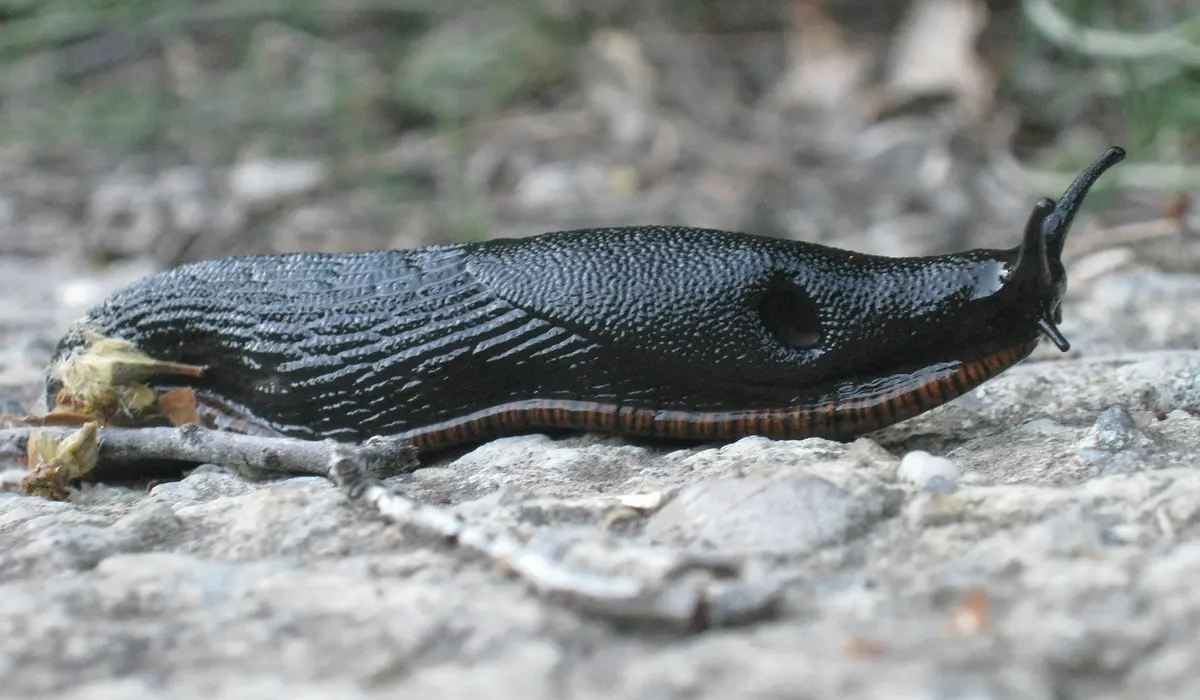
Snails are tireless algae grazers, constantly working to keep your glass and decorations clear. They munch on soft green algae and even tackle stubborn biofilm, that slimy layer on surfaces. Their non-stop feeding helps prevent algae blooms and keeps your water looking crystal clear with less effort from you. Curious about the best foods for their diet? In practice, aquarium snails do well on a varied diet that includes algae, biofilm, and occasional blanched vegetables to supplement their grazing.
As they glide across the substrate, snails gently stir and aerate the gravel or sand. This action prevents dangerous gas pockets from forming. They also act as a cleanup crew for uneaten food and decaying plant leaves. This natural waste management reduces ammonia spikes and creates a safer home for bottom dwellers like my Corydoras, Shadow.
Snails contribute to a balanced ecosystem in several key ways. They are a vital part of the cleanup process that supports overall tank stability. In setups that also house shrimp, snail activity helps recycle detritus without disturbing the shrimp. This is covered in a complete guide on keeping snails and shrimp together, explaining how to balance feeding, space, and filtration for both species.
- They break down organic debris, turning waste into less harmful substances that beneficial bacteria can process.
- By consuming excess nutrients, they compete with algae and help live plants thrive.
- Their constant activity encourages water circulation and gas exchange at the substrate level.
Keeping Snail Populations in Check
Overpopulation usually signals excess food in the water. You can maintain a healthy snail number by being mindful of how much you feed your fish. I always watch my Betta, Captain Fin, during meals and remove any uneaten food after two minutes to avoid a snail explosion.
If snails do multiply, introducing a natural predator is an effective and hands-off solution. Many fish will happily hunt snails for you. For the best natural predators of aquarium pest snails, assassin snails and certain loaches are often recommended. Choose based on your tank setup and the snail species you’re dealing with.
- Assassin Snails specifically prey on other snails and can help control numbers.
- Loaches, like Clown or Yo-Yo Loaches, are excellent snail hunters.
- Some cichlids and pufferfish will also consume small snails.
For a quick, do-it-yourself approach, you can manually manage snails without chemicals or predators. These methods are safe for your other tank inhabitants.
- Place a blanched piece of zucchini or lettuce in the tank overnight; remove it in the morning covered in snails.
- Use a snail trap-a simple jar with bait-to catch and relocate them.
- Regularly vacuum the substrate during water changes to remove eggs and juveniles.
Potential Risks of Aquarium Snails
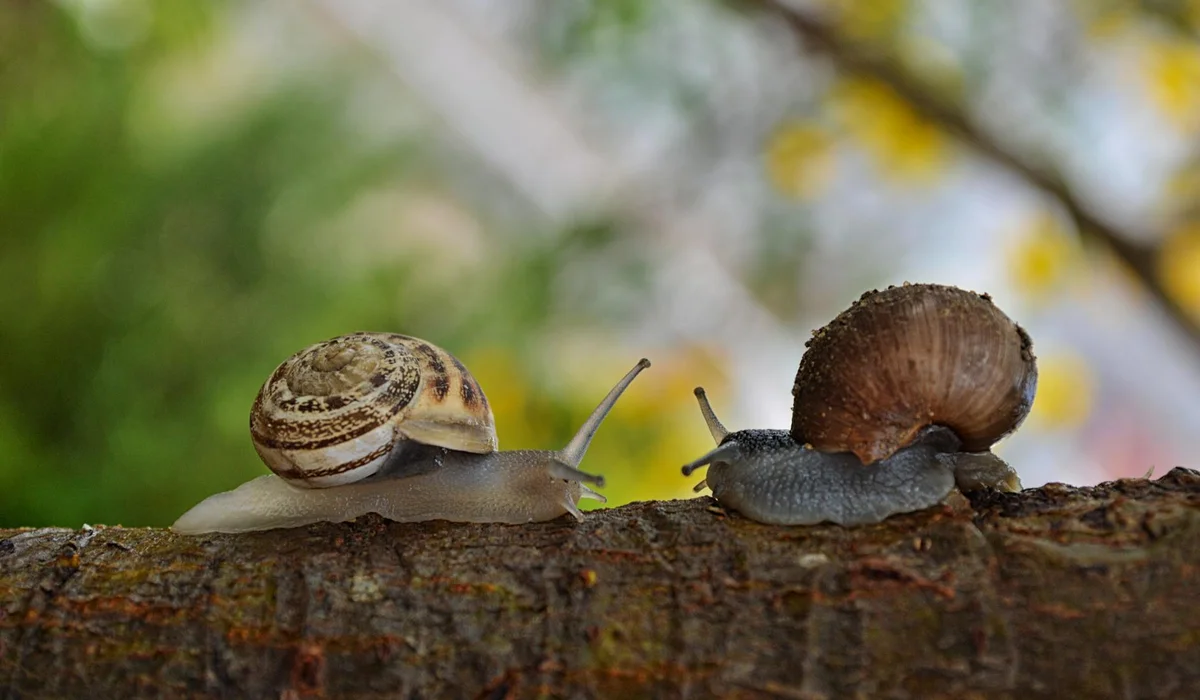
Even the most helpful snails can turn into a headache if their population spirals out of control. A sudden snail explosion is almost always a sign of excess food, whether it’s leftover fish flakes, decaying plant matter, or a buildup of biofilm.
When Snails Become a Problem
- Plant Damage: While most common pest snails won’t touch healthy plants, they will aggressively devour melting or decaying leaves. In a heavily planted tank, this can make it difficult to tell if you have a nutrient deficiency or just a cleanup crew on overtime.
- Overpopulation: Snails like Bladder and Ramshorn can reproduce incredibly fast. You might start with a few and soon see dozens clinging to the glass. A massive population can become an eyesore and compete with shrimp or bottom-feeding fish for resources.
- Clogged Equipment: Tiny juvenile snails can sometimes get sucked into filter intakes, potentially reducing water flow over time.
Water Quality Concerns
One of the biggest hidden risks is a sudden snail die-off. If you accidentally introduce a toxin or your water parameters shift dramatically, a large snail population dying at once can cause a major ammonia spike as their bodies decay. This can quickly compromise your entire aquarium’s health.
Monitoring Their Impact
- Keep a simple log. Note your snail count during weekly water changes to track if numbers are stable or booming.
- Scrutinize your feeding habits. If you see a population surge, cut back on how much you’re feeding your fish. I always do a quick spot-check five minutes after feeding to see if any food is left uneaten.
- Watch your plants. If you see perfectly healthy leaves developing unusual holes, it might be time to assess your snail situation more closely.
Adding Snails to Your Aquarium
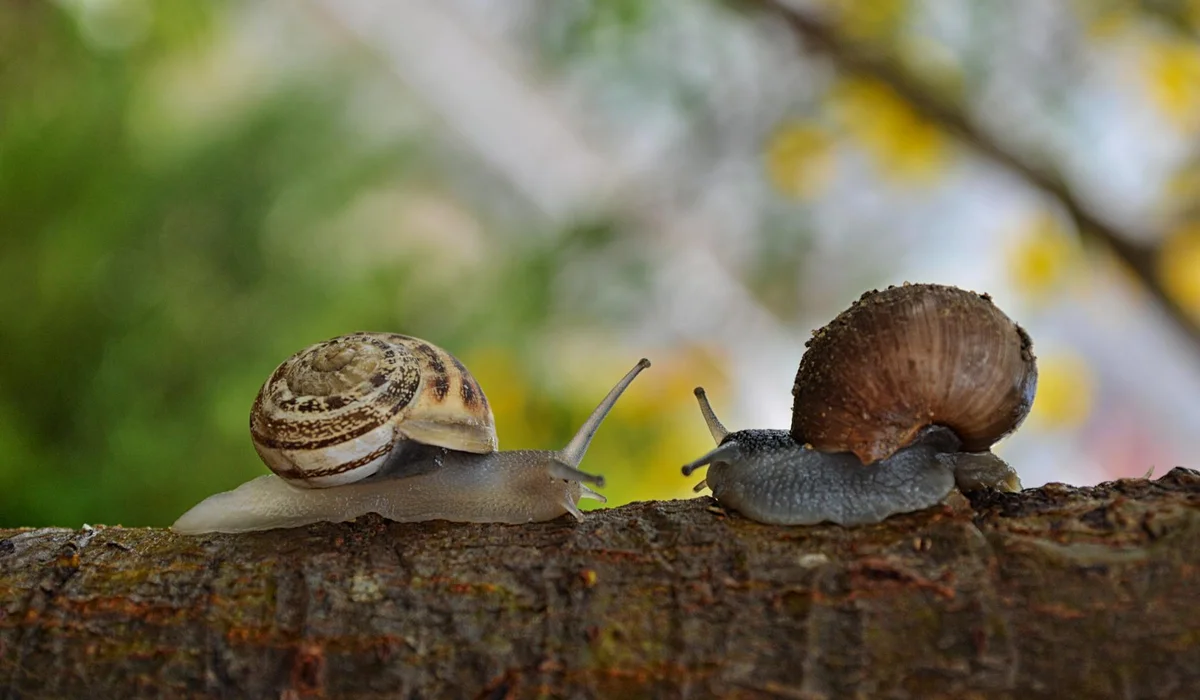
If you’ve decided the benefits outweigh the risks, introducing snails properly is key to their success. Never just drop a new snail directly into your tank, as the shock from different water parameters can be fatal. Also, take precautions to avoid pest snails that can harm your aquarium ecosystem.
Safe Acclimation Steps
- Float the Bag: Just like with fish, float the sealed bag or container in your aquarium for about 15-20 minutes to equalize the temperature.
- Drip Acclimate: This is the gold standard. Place the snails in a clean bowl or cup. Use airline tubing with a knot or a valve to create a slow drip from your main tank into the container. Aim for 2-4 drips per second. Let this continue for about an hour.
- Introduce Gently: After an hour, the water in the container will be mostly from your tank. Gently net the snails and place them into their new home, discarding the original water.
Finding Your Snails
You have a few ethical options for sourcing your new cleanup crew. I strongly recommend against collecting snails from local ponds or rivers, as you can unintentionally introduce parasites or pesticides into your enclosed ecosystem.
- Local Fish Stores (LFS): Many will give away common pest snails for free or a very small fee.
- Online Aquarium Forums: Fellow hobbyists are often happy to share snails from their own established, healthy tanks.
- Reputable Online Retailers: This is the best way to find specific, desired species like Nerite snails that cannot reproduce in freshwater.
Ideal Tank Conditions for a Thriving Snail Community
To keep your snails healthy and their populations manageable, focus on these water parameters. Calcium is non-negotiable for strong, healthy shells, and your water’s pH and general hardness (GH) directly affect how available that calcium is.
- pH Level: Aim for a slightly alkaline pH, between 7.0 and 8.0. Acidic water will slowly dissolve their shells.
- General Hardness (GH): A GH of 8-12 dGH provides the necessary dissolved minerals for shell building.
- Calcium Supplementation: You can add a piece of cuttlebone (like the kind for birds) to your filter or drop in wonder shells. Blanched spinach is also a great occasional snack for shell health.
- Stable Environment: Avoid large, sudden swings in temperature or water chemistry. The quiet hum of your filter and heater should be the soundtrack to their stable home.
Common Questions
What are beneficial pest snails?
Beneficial pest snails are small, often accidentally introduced snails that perform valuable cleanup duties in your aquarium. They are not true pests but rather a sign of excess food or waste, which they help consume. Their presence can indicate your tank’s ecosystem is out of balance, and they work to correct it. Are snails good or bad for your aquarium? The truth is they can be beneficial cleaners when kept under control, but too many can upset your tank’s balance.
Which snail species are considered beneficial for pest control?
Common beneficial species include Ramshorn Snails, Malaysian Trumpet Snails, and Bladder Snails. Each has a specialized role, such as cleaning algae from glass, aerating the substrate, or consuming decaying plant matter. These species are excellent at waste management and help prevent algae blooms by consuming excess nutrients. Regarding the bladder snail vs ramshorn snail—what’s the difference? Bladder snails usually have elongated shells and reproduce quickly, while ramshorn snails have flat, disk-shaped shells and different grazing habits.
How do I differentiate between beneficial snails and pest snails in the garden?
This distinction is primarily about perspective in an aquarium context. The snails often labeled as “pests” are the same ones that provide benefits. A population is considered a problem only when it explodes due to overfeeding, not because of the species itself. Observing their behavior and population level is more important than the specific type.
Where can I buy beneficial pest snails or snail eggs?
You can often get them for free or a small fee from local fish stores or fellow hobbyists on aquarium forums. Reputable online retailers are another excellent source, especially for specific species. It is crucial to avoid collecting snails from wild ponds to prevent introducing parasites or pesticides into your tank.
Your Snail Strategy
Some snails, like Ramshorns and Bladders, can be beneficial cleanup crew members that help manage algae and detritus in your tank. To keep their numbers in check, focus on not overfeeding your fish and manually removing excess snails when you see them. Understanding the role cleanup crews play in freshwater tanks helps you use them effectively. They work best when balanced with proper feeding and regular maintenance, contributing to a cleaner, healthier aquarium overall.
Every choice you make in your aquarium impacts the delicate balance of your pets’ home. Stay curious, keep testing your water, and always strive to learn more about creating a thriving environment for your fish.
Further Reading & Sources
- r/aquarium on Reddit: In defense of “pest” snails
- 5 Easy Ways to Get Rid of Pest Snails in Your Fish Tank – Aquarium Co-Op
- All About Pest Snails in the Planted Aquarium – Buce Plant
- Are pest snails bad for aquariums? – Aquarium Co-Op
- Pest Snails in Aquariums: Harmful or Hidden Helpers?
Lia is an expert in aquarium and pet fish care. Having worked in the marine industry and having cared for multiple pet fish, she has acquired first hand expertise on aquarium care, maintenance and setup. She always brings her practical expertise and science to help solve any aquarium related queries.
Aquatic Invertebrates