
Where Did These Snails Come From? Unpacking Your Aquarium’s Pest Problem
Published on: January 8, 2026 | Last Updated: January 8, 2026
Written By: Lia Annick
Hello fellow fish keepers. One day your tank is pristine, and the next, you spot a tiny, uninvited shell cruising across the glass. That sudden appearance of pest snails can feel confusing and frustrating.
This guide cuts through the mystery and gives you a clear path to understanding and managing your aquarium’s ecosystem. We will cover the key aspects of a snail outbreak, focusing on:
Overfeeding and excess waste, the primary fuel for a population boom.
Live plants and decor as common Trojan horses for snail eggs.
Water quality and tank maintenance habits that create a perfect snail paradise.
I’ve managed this exact scenario in my own high-tech planted tanks for years, balancing the needs of fish, plants, and the occasional unexpected guest.
How Snails Sneak Into Your Tank
Hitchhiking on Store-Bought Plants
You bring home a beautiful new plant, and within weeks, your tank is crawling with tiny snails. I’ve been there-it’s frustratingly common. Snail eggs or juveniles often cling to plant leaves and roots, invisible to the naked eye. Quarantining new plants in a separate container for a week or two can save you from an unwelcome invasion.
Rinse plants under cool, running water and gently rub the leaves to dislodge any hitchhikers. For stubborn cases, a quick dip in a mild bleach solution (one part bleach to twenty parts water for no more than two minutes) followed by a thorough rinse can help. Always inspect plants under a bright light, looking for gelatinous egg clusters on stems or undersides of leaves.
Contaminated Substrate and Ornaments
That bag of gravel or cute decoration might harbor more than just aesthetic appeal. Snail eggs can survive in damp substrate or hide in the crevices of ornaments. I always boil or soak new decorations in hot water for ten minutes to kill any hidden eggs before adding them to my tank. This practice helps prevent any surprises—like finding those pesky snail eggs when you’re least expecting them.
If you’re using sand or gravel from an uncertain source, rinse it thoroughly until the water runs clear. For extra caution, bake substrate in the oven at 200°F for 20 minutes to eliminate any pests. Never assume store-bought items are snail-free-a simple cleaning routine prevents big headaches later.
Aquarium Conditions That Snails Love
Overfeeding and Excess Nutrients
Snails thrive in environments rich with food, and overfeeding is the top culprit. Leftover flakes or pellets decay, releasing excess nutrients into the water. Feed your fish only what they can consume in two minutes, and remove any uneaten food promptly with a siphon.
In my experience, cutting back on feeding reduced my snail population noticeably within a week. High levels of phosphates and nitrates from decomposing waste also fuel algae growth, which snails eagerly graze on. Stick to a consistent feeding schedule and avoid the temptation to offer extra “treats” that end up as snail buffets.
- Use an automatic feeder for precise portions if you’re often away.
- Fast your fish one day a week to let them clean up leftovers.
- Test water weekly for nitrate levels above 20 ppm, which signal overfeeding.
Poor Water Quality and Inadequate Filtration
Murky water and a sluggish filter create a paradise for pest snails. They reproduce rapidly in tanks with high organic waste and low oxygen levels. Invest in a filter rated for at least twice your tank’s volume to keep water crystal clear and well-oxygenated, especially when managing snail populations.
I once neglected filter maintenance in a 10-gallon tank, and the resulting snail boom was a clear lesson. Perform partial water changes of 25-30% weekly to dilute toxins and remove debris. Aim for zero detectable ammonia and nitrites, and keep nitrates under 20 ppm through regular upkeep.
Check that your filter flow isn’t too weak-stagnant areas allow detritus to accumulate, giving snails plenty to eat. Clean filter media monthly in tank water (not tap water) to preserve beneficial bacteria while removing gunk.
Tank Habits That Encourage Snail Populations
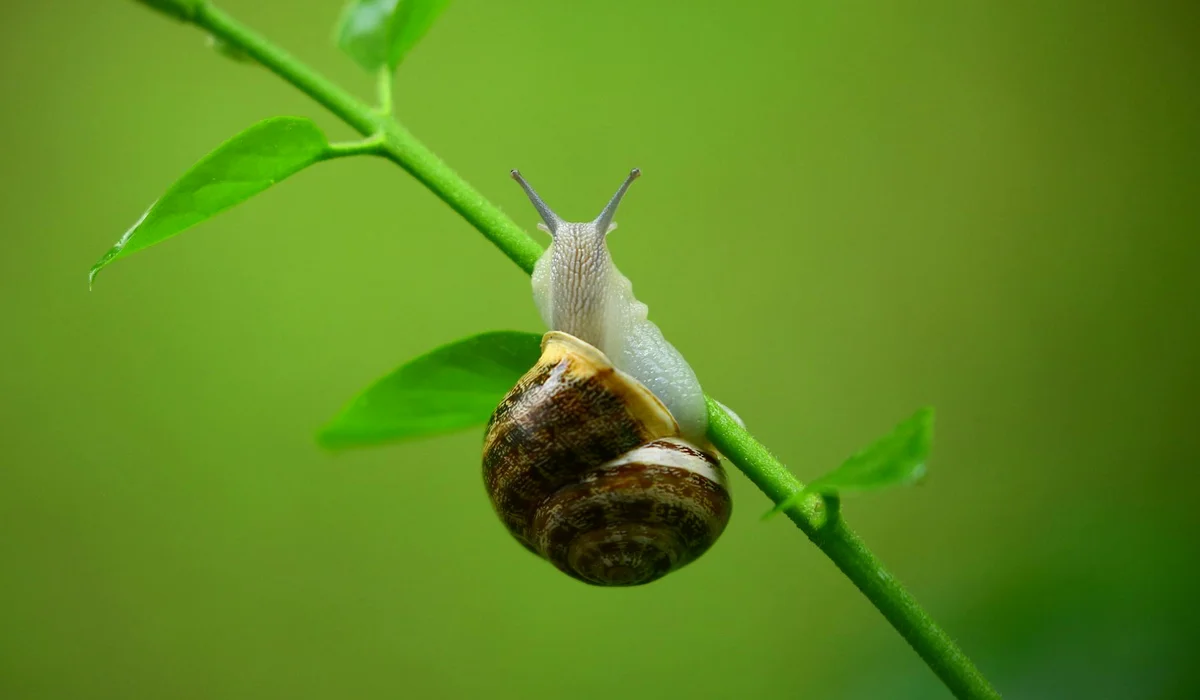
Debris Buildup and Substrate Choices
A pristine tank is your best defense, while a messy one is a five-star snail resort. I’ve seen tanks transform from clear to crowded in weeks because of a few simple oversights.
Uneaten food is the primary buffet that fuels a snail explosion, settling into every nook and cranny of your aquarium floor. Those tiny particles you can barely see are a feast for a budding snail colony.
Your substrate choice plays a bigger role than you might think. Fine, sandy substrates can compact, trapping rotting food and waste where your vacuum can’t reach. Larger, coarse gravel allows debris to fall deep between the stones, creating a hidden larder.
- Overfeeding is the number one culprit. Fish bellies are small, and they rarely need as much as we think.
- Poor water flow creates dead zones where waste and food collect instead of being swept toward the filter intake.
- Dying plant leaves are a gourmet meal. Regularly trim and remove any melting or yellowing foliage.
Reproduction Rate and Environmental Triggers
Snail reproduction isn’t just fast; it’s alarmingly efficient. Many common pest snails, like bladder and ramshorn snails, are hermaphrodites and can reproduce asexually.
A single snail can start a full-blown infestation, laying clutches of nearly invisible gelatinous eggs on hardscape and plant leaves. You often introduce them as tiny hitchhikers you never even see.
Warm, stable water and an abundance of food are their main reproductive triggers. A tank kept at a constant 78°F (25.5°C) with plenty of algae and detritus is a snail paradise. They don’t need a partner, and they don’t need perfect conditions—just good enough to survive and eat. Regarding their diet, aquarium snails do best on a varied mix of foods—algae, biofilm, and occasional blanched vegetables or cucumber. A little calcium-rich supplement helps with shell health.
- Stable, warm temperatures accelerate their metabolism and breeding cycles.
- Consistent overfeeding provides the energy needed for constant egg production.
- They have few natural predators in a typical community tank setup.
Proactive Steps to Prevent Snail Takeovers
Quarantining New Additions
I cannot stress this enough: a separate quarantine tank is the single most effective tool for preventing pests. It’s not just for sick fish. Quarantine new arrivals properly to watch for signs of illness. This step helps prevent disease from spreading to your main tank.
Every new plant or piece of decor should be treated before it enters your main display tank, as snail eggs are masters of camouflage. A quick visual inspection is never enough.
My go-to method is a bleach dip for hardy plants. I mix one part household bleach with nineteen parts water, soak the plant for no more than two minutes, and then rinse it thoroughly in dechlorinated water. For delicate plants or decor, a good scrub in a strong saltwater solution works wonders.
- Dedicate a simple, small tank for a 2-3 week observation period for all new plants.
- Physically inspect every leaf and stem under a bright light for clear, jelly-like egg sacs.
- Use a magnifying glass if you have one; snail eggs can be smaller than a pinhead.
Optimizing Feeding and Maintenance
Controlling the food supply is controlling the snail population. It’s that simple. Your goal is to have zero leftover food after five minutes.
Feed your fish smaller amounts two or three times a day rather than one large feeding, which gives you more control and results in less waste. Watch your fish eat, don’t just dump and walk away. For a fuller explanation, our guide on how often you should feed your aquarium fish covers how to set a feeding schedule. It helps tailor frequency to species, tank size, and bioload.
Your gravel vacuum is your best friend. During weekly water changes, make a point of deeply cleaning one section of the substrate, really digging in to pull out the trapped gunk. Rotate the section you clean most thoroughly each week to manage the entire tank floor over a month. Knowing how to clean and vacuum your gravel effectively ensures a healthy environment for your aquatic life.
- Use a feeding dish or ring to contain sinking foods and make cleanup easier.
- Stick to a consistent weekly water change schedule of 15-25%.
- Manually remove any visible snails you see during maintenance to slowly reduce numbers.
FAQs
How do plant choices affect snail infestation?
Certain aquarium plants, especially those with dense or broad leaves, can provide ideal hiding spots and surfaces for snail eggs. Plants sourced from tanks with existing snail issues are more likely to introduce pests unintentionally. To prevent unwanted snail eggs from taking hold in your tank, quarantine new plants and inspect them before adding. Opting for plants known to be less prone to snail infestations, like Anubias or Java Fern, and giving them a thorough pre-addition check can help minimize risks.
What role do predators play in snail infestation?
Predatory fish, such as loaches or pufferfish, can naturally reduce snail populations by feeding on them. They are often cited as among the best natural predators for aquarium snails, but suitability depends on tank size and other inhabitants. However, they may not completely eradicate snails and could disrupt other tank inhabitants if not chosen carefully. Introducing predators should be balanced with the overall aquarium ecosystem to avoid unintended consequences. Careful selection and monitoring help ensure they are the right fit for your setup.
Does temperature influence snail infestation?
Yes, temperature plays a key role, as warmer water (around 70-80°F or 21-27°C) speeds up snail metabolism and reproduction. Cooler temperatures might slow their growth but won’t prevent infestations alone. Maintaining stable temperatures alongside other controls is essential for management.
How do moisture and humidity affect snail infestation?
In aquariums, snails rely on constant water moisture, so humidity isn’t a factor, but water parameters like hardness and pH can influence their survival. Excessively soft or acidic water may hinder some snails, but overall, consistent water quality and nutrient levels have a bigger impact on infestation outbreaks. Snails can be a beneficial cleanup crew in moderation, helping with algae and detritus. However, large populations can become pests, so controlling feeding and performing regular tank maintenance helps with overall management.
Keeping Your Aquarium Snail-Free
The most effective way to control pest snails is to limit their food source by avoiding overfeeding and to meticulously clean or quarantine new plants before they enter your tank. By managing these two factors, you tackle the root of the problem instead of just the symptoms.
Responsible fishkeeping means observing your tank’s ecosystem daily and being willing to adapt your care routine as your aquatic world evolves. Every challenge, from a snail bloom to a water parameter shift, is a chance to become a more attentive and knowledgeable aquarist.
Further Reading & Sources
- Physella acuta – Wikipedia
- Types of Aquarium Snails
- Snails in the aquarium | Green Aqua
- Freshwater snail – Wikipedia
- All About Pest Snails in the Planted Aquarium – Buce Plant
Lia is an expert in aquarium and pet fish care. Having worked in the marine industry and having cared for multiple pet fish, she has acquired first hand expertise on aquarium care, maintenance and setup. She always brings her practical expertise and science to help solve any aquarium related queries.
Aquatic Invertebrates