
Bladder Snail vs. Ramshorn Snail: The Ultimate Aquarist’s Comparison
Published on: January 6, 2026 | Last Updated: January 6, 2026
Written By: Lia Annick
Hello fellow fish keepers! You’ve probably spotted a tiny, uninvited shelled guest cruising on your aquarium glass and wondered, “What exactly are you?”
This guide will help you instantly identify your new snail and understand its role in your tank’s ecosystem.
We will cover everything you need to know, including:
- Physical appearance and shell shape
- Reproduction rates and egg clutches
- Diet and cleaning habits
- Overall impact on your tank’s health
I’ve managed these snails in my own high-tech planted tanks for years, learning to appreciate their unique quirks. You’ll hear debates about whether the most common snail types in tanks are pests. In my view, many are simply miscategorized until you understand their role in a balanced ecosystem.
Meet the Tiny Tank Cleaners: An Introduction
What Are Bladder Snails and Ramshorn Snails?
Bladder snails (*Physella acuta*) and Ramshorn snails (*Planorbella duryi* or *Planorbarius corneus*) are small, air-breathing freshwater snails that often hitchhike into aquariums on plants. Both species are prolific scavengers that help break down leftover food and decaying plant matter, acting as a miniature cleanup crew. I’ve watched my Corydoras, Shadow, share his space with them without any issues.
Why They Appear in Your Aquarium
You rarely buy these snails on purpose. They usually arrive as unexpected guests. The most common way snails enter your tank is as tiny eggs or juveniles hidden in the leaves and roots of new aquatic plants. A sudden population explosion is not a cause of problems, but a clear symptom. It’s your tank’s way of telling you there is an excess of food available.
- Overfeeding: Excess fish food is a gourmet feast for snails.
- Decaying Plants: Dying leaves provide a constant food source.
- Biofilm & Algae: New tanks with established biofilm are a snail paradise.
Shell Showdown: Physical Differences at a Glance
Bladder Snail Shell Features
Bladder snails have thin, translucent shells that often appear yellowish or spotted with grey. The shell is sinistral, meaning it spirals to the left when you look at it with the opening facing you. It’s elongated and tapers to a fine point, giving it a slightly teardrop shape. Their antennae are thin and thread-like.
Ramshorn Snail Shell Features
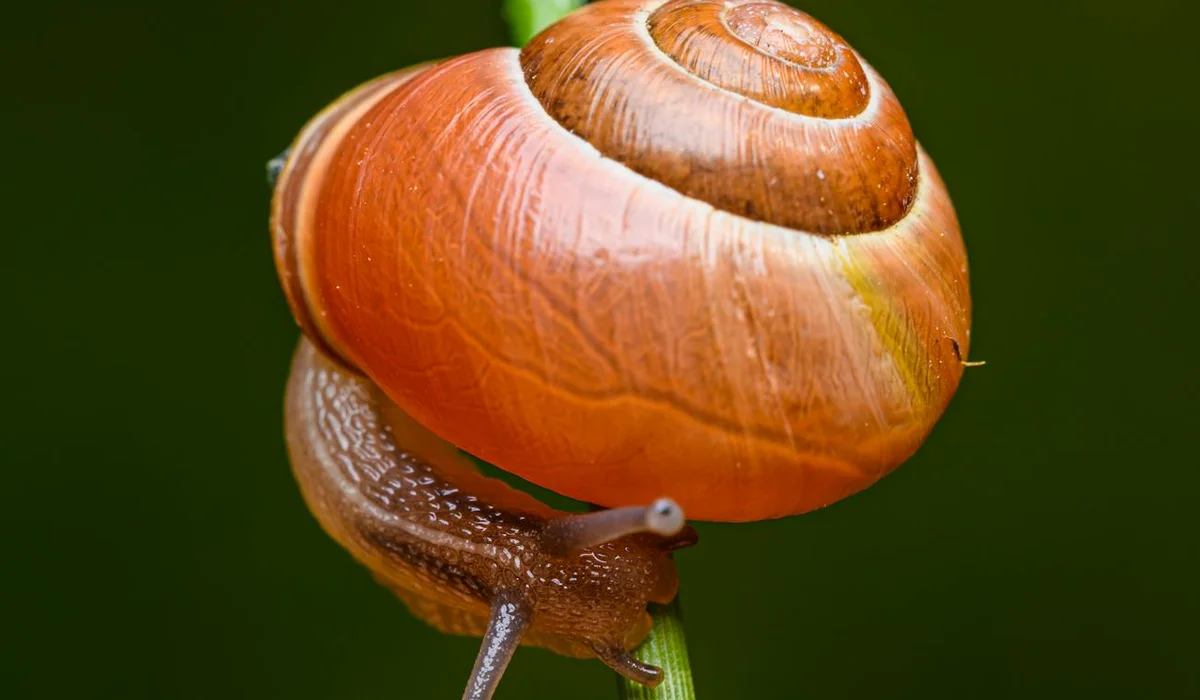
Ramshorn snails get their name from their distinctive, disk-shaped shell that coils flatly, resembling a ram’s horn. Their shell is almost always dextral, coiling to the right, and it looks like a tiny, coiled rope sitting on their back. You can find them in various colors, from translucent red (showing their body inside) to striking blues and spotted patterns.
Quick Comparison: Body and Movement
Beyond the shell, their bodies move and look quite different. Bladder snails have a darker, speckled grey body and move with a deliberate, almost methodical glide. Ramshorn snails have a more rounded foot, and their red-bodied varieties are easily identifiable by the vibrant color showing through their shell. They seem to slide more fluidly across surfaces.
| Feature | Bladder Snail | Ramshorn Snail |
|---|---|---|
| Shell Coiling | Left (Sinistral) | Right (Dextral) |
| Shell Shape | Elongated, pointed | Flat, disk-like |
| Common Colors | Translucent yellow, grey spots | Red, blue, brown, spotted |
| Antennae | Long and thin | Shorter and thicker |
Daily Life and Behavior: How They Live in Your Tank
Bladder Snail Habits and Habitat
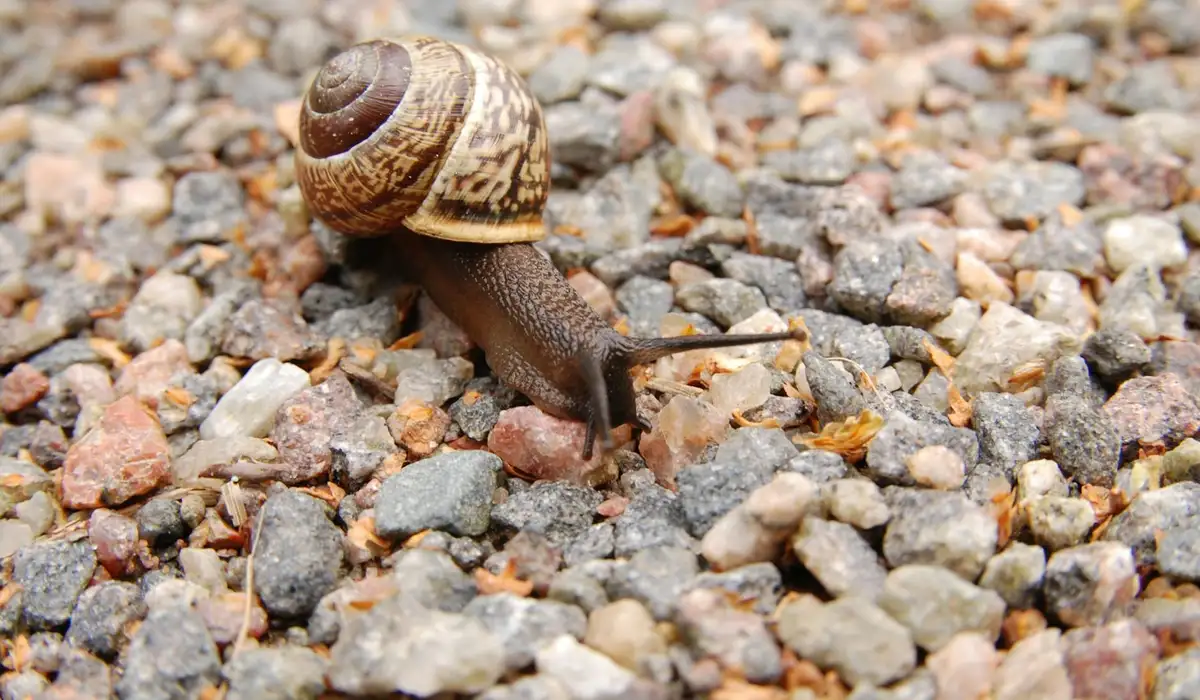
Bladder snails are the energetic speedsters of the aquarium snail world. You will constantly see them on the move, scaling glass, climbing plant leaves, and even traversing the water’s surface upside-down. Their frantic pace and ability to colonize every surface make them one of the most visible clean-up crew members you can have. They are not shy and seem to operate on a simple principle: if there’s a surface, it must be explored for food.
They prefer well-oxygenated water but are incredibly adaptable to various conditions. You will often find them congregating near filter outflows or air stones, taking advantage of the higher oxygen levels. This preference for oxygen-rich zones often leads them to the top of the tank, creating a fascinating spectacle as they glide along the waterline.
Ramshorn Snail Habits and Habitat
Ramshorn snails exhibit a much more deliberate, almost graceful, gliding motion. They are the methodical landscapers of your aquarium substrate and hardscape. Watching a Ramshorn slowly and meticulously clean a single leaf or a piece of driftwood is a lesson in patience and thoroughness. They spend a significant amount of time on the bottom and on hard surfaces, rarely making daring journeys across the water’s surface like their Bladder snail cousins.
Their flat, disk-shaped shell makes them adept at navigating tight spaces under decorations and between pebbles. You will often spot their beautifully spiraled shells looking like little living jewels against dark substrate or green plant leaves. They are less of a frantic presence and more of a calm, steady force in the tank’s ecosystem.
Feeding Frenzy: Diet Differences
While both are celebrated algae eaters and detritivores, their dietary preferences have subtle but important distinctions that affect their usefulness.
- Bladder Snails: These are your generalists. They enthusiastically consume soft film algae, leftover fish food, and decaying plant matter. I find them particularly effective at cleaning up the very fine, dusty algae that coats glass. They are not typically known for eating healthy, living plants unless they are absolutely starving.
- Ramshorn Snails: Ramshorns have a stronger preference for soft, decaying plant matter and are famous for their appetite for uneaten food. Many aquarists, myself included, value Ramshorns for their ability to target and consume dead leaves before they can decompose and spoil water quality. In well-fed tanks, they will focus on biofilm and soft algae, but in a pinch, they are more likely than Bladder snails to nibble on tender live plants like Java Fern.
The single most effective way to control the population of either species is to limit their food source by not overfeeding your fish. A hungry snail population is a stable snail population.
Family Expansion: Reproduction and Eggs
Bladder Snail Reproduction Cycle
Bladder snails are prolific breeders capable of self-fertilization. This means a single snail that hitchhiked into your tank on a plant can start an entire colony. Their reproductive strategy is one of sheer volume and speed, which is why they can seemingly overrun a tank overnight. In a full aquarium guide answering ‘do snails reproduce,’ we explain how this happens and how to manage or prevent outbreaks. This is the practical insight you need to keep your tank balanced.
They lay transparent, jelly-like egg clutches that contain a dozen or more tiny white eggs. If you’re wondering what snail eggs look like in an aquarium, they appear as clear, jelly-like clusters attached to glass or leaves. You will find these stuck to hard surfaces like glass, filter intakes, and the undersides of leaves. From egg to breeding adult takes only about a month, creating a rapid and continuous cycle of new snails.
Ramshorn Snail Reproduction Cycle
Ramshorn snails typically require a mate to reproduce, though some species can also self-fertilize. Their reproduction is slightly less explosive than Bladder snails but is still remarkably efficient. They lay their eggs in small, firm, gelatinous clutches that look like tiny, flattened, semi-clear blobs.
These clutches are often laid on plant leaves and decorations. The key visual difference is that Ramshorn egg clutches are more compact and opaque than the loose, see-through jellies of the Bladder snail. A single clutch will hatch in about two to three weeks, steadily adding to your clean-up crew.
Managing Snail Populations
An explosion of snails is not a pest problem; it’s a symptom of excess food. Managing them is about balance, not eradication.
- Control Feeding: This is your number one tool. Feed your fish only what they can consume in two minutes and remove any uneaten food.
- Manual Removal: Regularly pick out adult snails and egg clutches by hand. Squishing snails against the glass lets your fish eat them, providing a free protein snack.
- Employ Natural Predators: Many loaches, such as the Clown or Yo-yo Loach, and some pufferfish, will happily hunt and consume snails. Introducing a single Assassin Snail is my preferred method for a slow, steady, and natural population control in a community tank.
- Vegetable Traps: Place a blanched piece of zucchini or cucumber in the tank overnight. By morning, it will be covered in snails, which you can simply remove and discard.
Remember, a few snails are beneficial, acting as a constant cleanup patrol and a reliable indicator of your tank’s overall health. Their presence tells you a story about what’s happening in your water. They are one of the beneficial snail species that can help maintain balance in an aquarium ecosystem.
Aquarium Harmony: Compatibility and Care
Ideal Tank Mates and Potential Predators
Both bladder and ramshorn snails are peaceful scavengers, but their tank mate requirements differ slightly. They generally do well with small, non-aggressive community fish.
For Bladder Snails: Their small size makes them vulnerable. They thrive with neon tetras, harlequin rasboras, and adult cherry shrimp. My betta, Captain Fin, ignores them completely, but a more aggressive fish might see them as a moving snack.
For Ramshorn Snails: Their larger, firmer shell offers better protection. They can coexist with guppies, mollies, and even some dwarf cichlids. Be cautious with loaches and pufferfish, as they will actively hunt and eat both snail types.
- Safe Tank Mates: Small tetras, danios, livebearers (guppies, platies), Corydoras catfish like Shadow, and most shrimp.
- Potential Predators: Assassin snails, loaches (clown, yo-yo, skunk), pufferfish, and some large cichlids.
Water Parameters for Healthy Snails
These snails are hardy, but they do have preferences. I’ve found that stable water is more critical than hitting an exact number.
Bladder snails are the ultimate survivors. They tolerate a wide pH range from 7.0 to 8.0 and temperatures from 64°F to 84°F. They handle softer water better than ramshorns.
Ramshorn snails need more calcium. Their beautiful shells will start to pit and erode in soft, acidic water. Aim for a pH of 7.2 to 8.0 and moderately hard water. If your tap water is soft, add a wonder shell or crushed coral to your filter to provide the necessary minerals.
- Temperature: 70°F – 78°F (21°C – 26°C)
- pH: 7.0 – 8.0 (Ramshorns prefer the higher end)
- General Hardness (GH): 8-18 dGH
Impact on Plants and Ecosystem Balance
This is where most of the confusion lies. Let’s clear it up.
Neither snail species will eat your healthy aquarium plants. They simply lack the mouthparts for it. They are detrivores and algae grazers. If you see a snail on a leaf, it’s far more likely cleaning off algae or consuming decaying plant matter. Snails primarily feed on detritus and algae.
Bladder snails are fantastic at cleaning up uneaten fish food and general tank detritus. They are like tiny, mobile vacuum cleaners. Are any pest snails beneficial in your aquarium? Some can be, as scavengers, but many species reproduce rapidly and can upset the tank balance.
Ramshorn snails have a particular talent for consuming soft algae films and, famously, dead plant leaves. They help prevent organic waste from breaking down and fouling your water. A sudden population boom is not a snail problem; it’s a leftover food problem, and the snails are just the visible symptom. In an aquarium, pest snail infestations usually stem from overfeeding and leftover debris, or eggs hitchhiking in on new plants. Regular maintenance and mindful feeding can help prevent these outbreaks.
Pest or Pal? Managing Their Role in Your Aquarium
When Snails Become a Nuisance
The line between helper and pest is drawn by overpopulation. A few snails are beneficial; dozens can feel like an invasion.
You’ll know you have a problem when you see clusters of gelatinous eggs on the glass and the snail population seems to double overnight. The primary driver of a snail explosion is an excess of food, whether it’s overfeeding, algae blooms, or decaying plant matter.
While they don’t eat healthy plants, a large mass of snails can sometimes uproot delicate carpeting plants or weigh down fine-leaved stems as they move across them.
Practical Control Methods
If you need to reduce their numbers, you have several effective and humane options.
- Manual Removal: The simplest method. Place a blanched piece of zucchini or a sinking algae wafer in the tank at night. An hour later, you can lift it out covered in snails.
- Limit Their Food: This is the most effective long-term solution. Feed your fish only what they can consume in two minutes and remove any leftovers. Perform regular water changes and vacuum the substrate.
- Introduce a Predator: A single assassin snail will slowly but surely hunt down and consume your bladder and ramshorn snails. This is a natural, chemical-free solution.
I strongly advise against using chemical snail-killing treatments. They can be harmful to shrimp, sensitive fish, and your biological filter, causing a dangerous ammonia spike from all the dead snails. Instead, manually remove pest snails. You can also support control with natural, non-chemical predators to keep their numbers in check.
Embracing Your Snail Crew
Instead of fighting them, consider the benefits of a managed snail population. I’ve learned to appreciate my cleanup crew.
They are a free, self-sustaining cleaning service that works around the clock. A small, controlled population of snails acts as a brilliant early warning system that tells you when you’re overfeeding or your tank needs maintenance.
Watching a ramshorn snail glide gracefully under the light or seeing a bladder snail meticulously clean a leaf can be surprisingly meditative. They add another layer of life and activity to your underwater world. When you understand their role, these so-called “pests” become valuable partners in maintaining your tank’s health.
FAQs
Which snail moves faster, bladder or ramshorn?
Bladder snails are notably faster and more active, often seen rapidly scaling glass and plants. Ramshorn snails move at a slower, more deliberate pace as they methodically clean surfaces. This difference in speed makes bladder snails more visible and energetic in daily tank activities.
How do ramshorn and bladder snail eggs differ?
Bladder snail eggs are laid in loose, transparent jelly-like clutches that can contain dozens of tiny white eggs. Ramshorn snail eggs form firmer, more compact, and semi-opaque gelatinous blobs attached to surfaces. In contrast, fish eggs vs snail eggs are usually laid in the water and can vary in texture and attachment, making the differences between fish eggs and snail eggs easy to tell apart. Recognizing these differences helps in identifying and managing snail populations effectively.
What is the bioload impact of bladder snails vs ramshorn snails?
Both snails have a low individual bioload as they consume waste, but overpopulation can increase overall waste production. Regular tank maintenance and controlling their numbers through feeding limits prevent any significant bioload issues. A balanced population actually helps reduce detritus and maintain water quality.
How do bladder and ramshorn snails compare to Malaysian trumpet snails?
Malaysian trumpet snails are burrowers that live in the substrate and are mostly nocturnal, unlike the surface-active bladder and ramshorn snails. They help aerate sand but can reproduce quickly like the others. Each type plays a unique role in tank cleanup, with trumpet snails focusing on substrate health.
Your Aquarium Snail Decision
Bladder snails reproduce quickly and are excellent for cleaning up waste, but they can overpopulate if overfeeding occurs. Ramshorn snails, with their distinct coiled shells, are better at algae control and often stay in check with balanced tank conditions.
Always research before adding any snail to ensure it matches your tank’s environment and your fish’s needs. Consider using a visual guide to aquarium snails to identify them at a glance. This helps you compare shells, sizes, and habits before you introduce them to your tank. Stay curious and keep exploring reliable sources to grow your skills and provide a healthy home for your aquatic pets.
Further Reading & Sources
- How To Guide Bladder Snail: Care, Food, Breeding, Tank Mate, and More. – Micro Aquatic Shop
- r/Aquariums on Reddit: Does anyone else purposely have bladder snails and ramshorn snails in all of their tanks?
- Bladder snail vs Ramshorn snail If you were to keep only …
- Is this a bladder snail or a ramshorn?
- Do snails out-compete each other? – General Chat – Aquarium Co-Op Forum
Lia is an expert in aquarium and pet fish care. Having worked in the marine industry and having cared for multiple pet fish, she has acquired first hand expertise on aquarium care, maintenance and setup. She always brings her practical expertise and science to help solve any aquarium related queries.
Aquatic Invertebrates