
The Uninvited Guests: A Guide to Common Aquarium Pest Snails
Published on: January 9, 2026 | Last Updated: January 9, 2026
Written By: Lia Annick
Hello fellow fish keepers. You’ve seen them-those tiny, mysterious shells that seem to multiply overnight on your glass. One day your tank is pristine, the next it’s hosting a snail party you never intended to throw.
This guide is your first line of defense. We will cover:
How to identify the most common hitchhikers, why their reproduction rates explode, the real risks and surprising benefits they bring, and safe, effective methods for removal and control.
I’ve managed these uninvited guests in my own planted tanks for years, balancing ecosystems and fish health.
Meet the Unwanted Guests: An Introduction to Pest Snails
You’re admiring your tank’s crystal-clear water when you spot it-a tiny, uninvited shell cruising up the glass. Finding a pest snail often feels like a surprise inspection on your aquarium maintenance habits. They usually hitchhike into your ecosystem on new plants or decor, and a single snail can quickly become a colony. I’ve learned that their population explosion is a direct message from your tank, typically signaling an abundance of food like algae, leftover fish food, or decaying plant matter. Are snails good or bad for your aquarium? They can be helpful cleaners in the right numbers, but unchecked populations can threaten plants and water quality, so monitoring and control matter.
The Usual Suspects: Common Types of Aquarium Pest Snails
Not all tiny snails are the same. Knowing which one you’re dealing with is the first step to managing them. Correct identification is your most powerful tool for effective snail control. Here’s a breakdown of the four most common culprits you’re likely to encounter.
Bladder Snail (Physa acuta)
These are the most frequent stowaways. They have thin, translucent shells that are usually a spotted brown or amber color. Their shells spiral to the left, which is a key identifier. Bladder snails are prolific breeders, capable of laying jelly-like egg clutches all over your tank that seem to hatch overnight. From my experience, a small group can explode into hundreds if you’re overfeeding. While they are excellent algae film cleaners, their numbers can become visually overwhelming very quickly.
Pond Snail (Physidae)
Often confused with Bladder Snails, Pond Snails are their bulkier cousins. They have larger, darker, and more opaque shells that spiral to the right. Look for their triangular, ear-shaped antennae. The biggest concern with Pond Snails is their appetite for healthy aquarium plants, making them a genuine nuisance in a planted tank. I’ve watched them take neat bites out of tender Anubias and Java Fern leaves, so I’m always cautious when I see them appear.
Ramshorn Snail (Planorbidae)
These snails are easily recognized by their flat, coiled shell that resembles a ram’s horn. They come in various colors, from red and pink to spotted blue and brown. While the red Ramshorns can be quite beautiful and are sometimes kept intentionally, they reproduce just as readily as other pests. They are fantastic scavengers, primarily feasting on soft algae, dead plant matter, and uneaten food. Their jelly-like egg masses are often deposited on the undersides of plant leaves.
Malaysian Trumpet Snail (Melanoides tuberculata or MTS)
This snail is unique with its long, pointed, conical shell that looks like a small ice cream cone. Unlike the others, MTS are primarily nocturnal and burrow deep into the substrate during the day. Malaysian Trumpet Snails are livebearers, meaning they give birth to live young instead of laying eggs, which makes spotting an infestation early much more difficult. Many aquarists, including myself, intentionally introduce a few to help aerate the substrate and prevent toxic gas pockets, but you must monitor their numbers carefully.
How Do Pest Snails Sneak Into Your Aquarium?
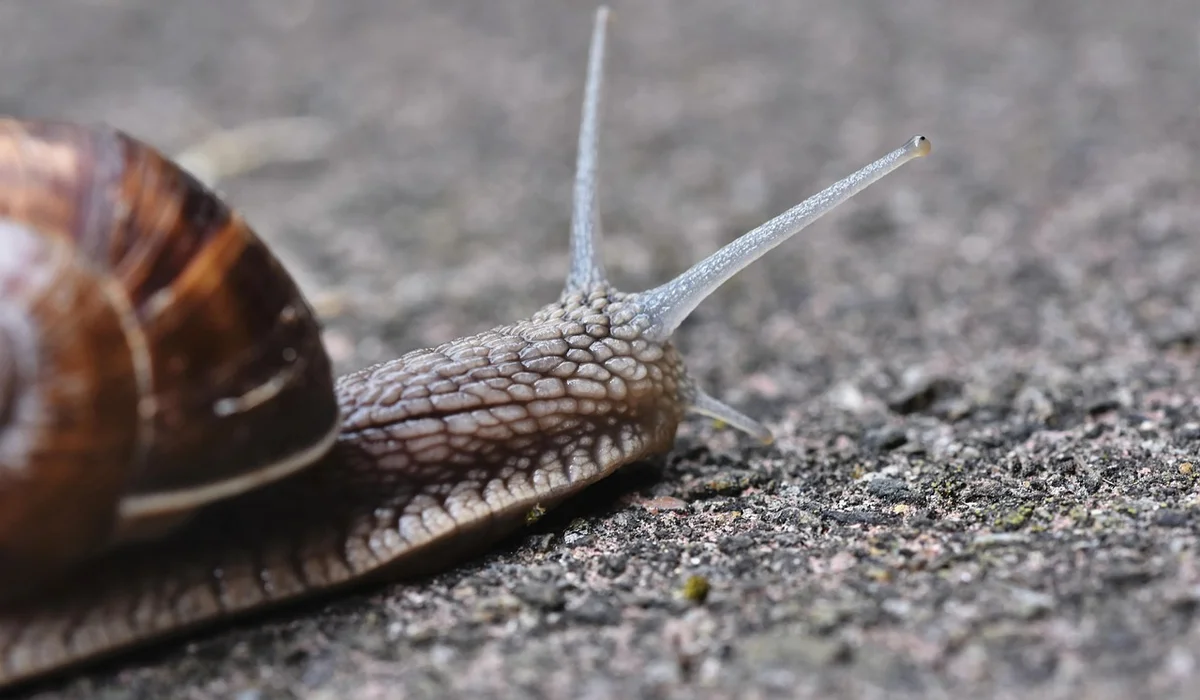
You might be staring at your tank one day and suddenly notice tiny, uninvited snails gliding across the glass. I’ve been there myself, wondering how they managed to set up shop. Pest snails are masters of hitchhiking, and they usually arrive as tiny eggs or juveniles hidden on other items you add to your aquarium. These pests often enter through common culprits like new plants, driftwood, decor, or even bags of fish, so quarantine and inspection matter. They can sneak in through several common pathways that many aquarists overlook.
Live plants are the number one culprit for introducing snails. When I bought a beautiful bunch of Java Fern from my local fish store, I didn’t realize it came with a free snail colony. Snail eggs are often attached to plant leaves or roots, and they’re so small you can easily miss them during inspection. Even if you rinse plants, some eggs stubbornly cling on.
- Live Plants: Eggs or baby snails hide in the roots and leaves.
- Decorations and Driftwood: Used or unsterilized items can harbor snails.
- Gravel or Substrate: If reused from another tank, it might contain eggs.
- Water from Other Sources: Transferring water or fish from an infested tank.
- Secondhand Equipment: Filters or nets that weren’t properly cleaned.
Another sneaky way is through aquarium water or fish bags from pet stores. I once added a new fish and accidentally poured in water that had microscopic snail larvae. Always assume that any wet item could be carrying snail offspring, and take precautions like quarantining new additions. It only takes one pregnant snail or a cluster of eggs to start an infestation. Beyond snails, aquariums often pick up other hitchhikers like planaria, hydra, or detritus worms on plants, rocks, or new equipment. Learning to identify and manage these common aquarium hitchhikers besides snails helps prevent broader problems.
Spotting Trouble: Signs of a Snail Infestation
Rapid Population Growth
If you see one snail today and a dozen tomorrow, you’re likely dealing with a population boom. I remember in one of my first tanks, the snail numbers exploded in just two weeks. Pest snails like bladder snails and ramshorns reproduce quickly in tanks with excess food or waste, leading to a visible crowd on glass and decorations. Their life cycle is fast, with eggs hatching in as little as a week under ideal conditions.
Look for clusters of gelatinous eggs on hard surfaces, or an increasing number of tiny shells. You’ll notice the hum of your filter is accompanied by the constant sight of snails moving around, which can indicate overfeeding or poor tank maintenance. A sudden surge often means your water parameters, like nitrate levels, are out of balance, giving them the perfect environment to thrive.
Damage to Aquarium Plants
Healthy plants should have vibrant, intact leaves, but snails can turn them into a buffet. In my planted tank, I once found delicate leaves with irregular holes and ragged edges. Snails such as pond snails tend to munch on softer plants like Anubias or Java Moss, leaving behind telltale nibble marks and weakened growth. If you see plants looking chewed or decaying faster than usual, snails might be the culprits.
- Holes in Leaves: Small, uneven bites on plant surfaces.
- Yellowing or Wilting: Plants struggle due to constant grazing.
- Visible Grazing Trails: Slime trails or snails clustered on stems.
It’s not just about aesthetics; damaged plants can affect your tank’s oxygen levels and water clarity. Keep an eye on plant health and remove any snails you spot early to prevent widespread damage to your aquascape. Regular trimming and monitoring help you catch issues before they spiral out of control.
Friend or Foe? Pest Snails vs. Beneficial Snails
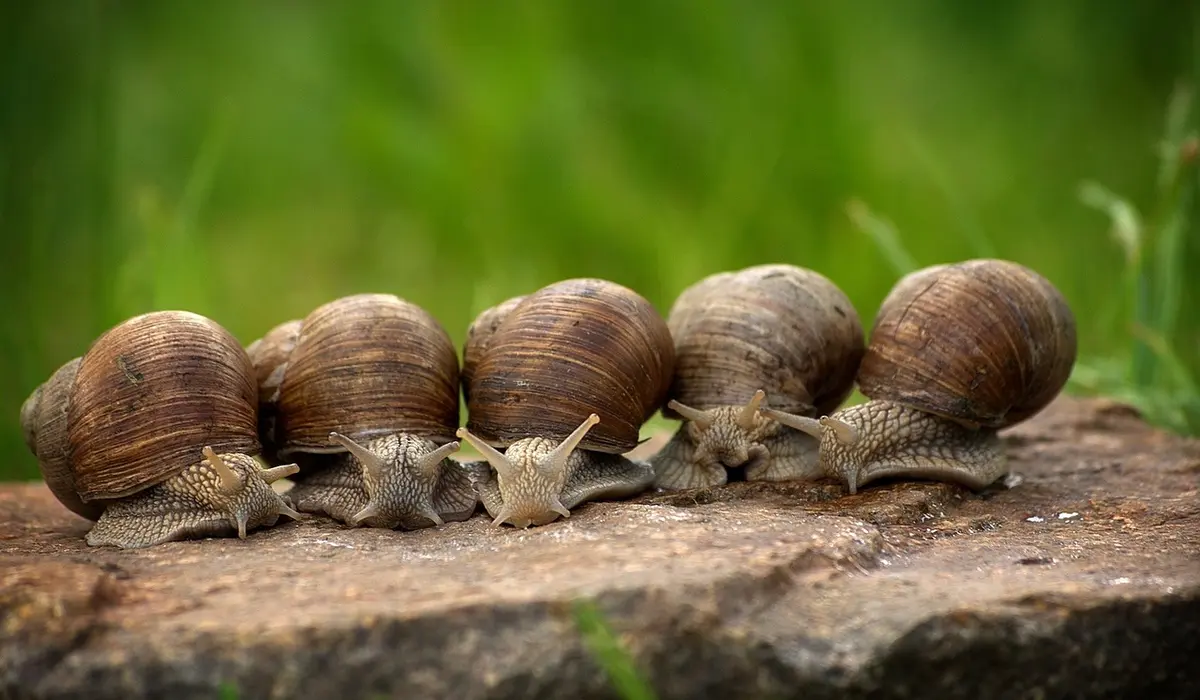
Seeing a tiny, uninvited snail can feel like a defeat, but I’m here to tell you it’s not always a disaster. The real question is whether that snail is a pest or a helpful cleanup crew member. The key difference often lies not in the species itself, but in the population balance within your tank’s ecosystem.
Let’s break down the common contenders you’re likely to meet.
The “Pest” Snail Crew
These snails reproduce quickly and can seem to appear from nowhere.
- Bladder Snails: Thin, translucent shells with spotted bodies. They are prolific breeders but are fantastic at consuming soft algae and leftover food.
- Pond Snails: Have darker, more rounded shells and broad, triangular antennae. They can sometimes nibble on delicate plants if other food is scarce.
- Ramshorn Snails: Their flat, coil-shaped shells come in red, brown, or blue. The red ones are particularly striking. They are excellent algae grazers but will multiply rapidly in a well-fed tank.
The Beneficial Snail Squad
These are snails you intentionally buy for their specific jobs.
- Nerite Snails: The undisputed champions of algae cleaning. They cannot reproduce in freshwater, so you’ll never have a population explosion.
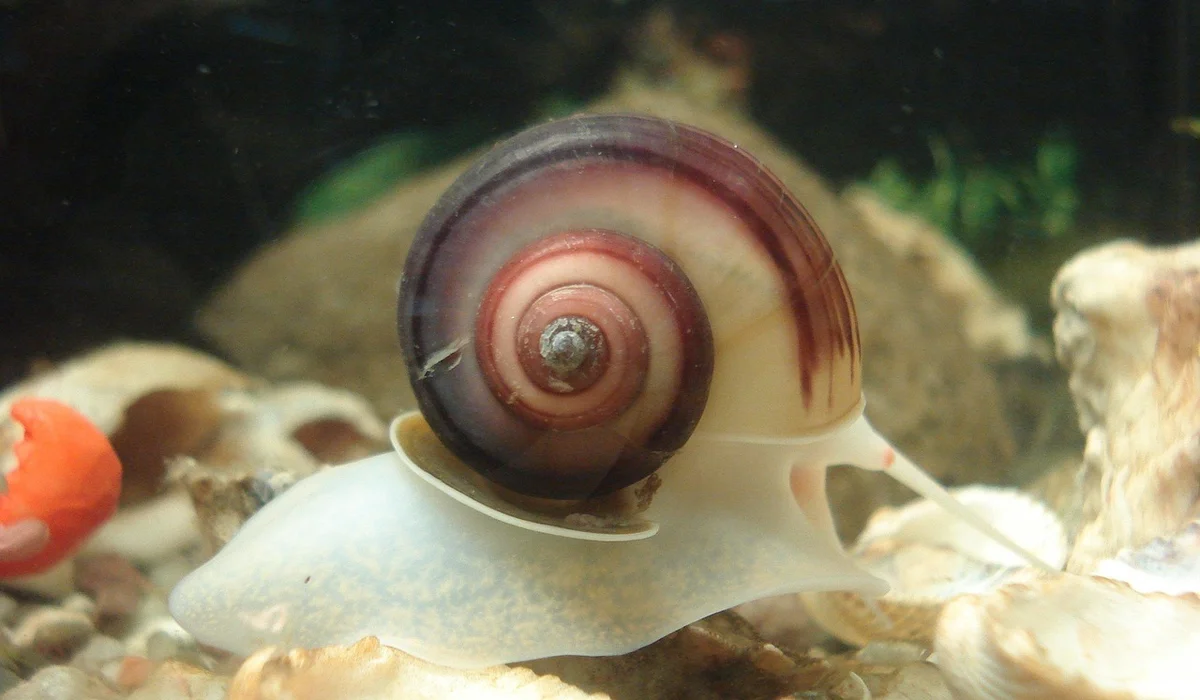
- Mystery Snails: Large, colorful, and full of personality. They are peaceful, eat a variety of waste, and lay their eggs in obvious clutches above the waterline for easy management.
- Malaysian Trumpet Snails: These live burrowed in your substrate during the day and emerge at night. They are incredible for aerating your sand or gravel and preventing toxic gas pockets.
So, are they friend or foe? A few “pest” snails are actually free janitors; it’s only when their numbers skyrocket that they become a visual nuisance. A sudden population boom is almost always a message about your tank’s conditions, not the snails themselves.
Taking Charge: How to Manage Pest Snail Populations
If you’re staring at a tank glass covered in snails, don’t panic. You have multiple, effective tools to regain control. I always start with the safest methods first.
Manual Removal Techniques
This is your first and most direct line of defense. It’s free, safe for your fish, and gives you immediate results.
- The Blanched Vegetable Trap: Place a slice of blanched zucchini, cucumber, or lettuce weighted down with a fork on the substrate at night. By morning, it will be covered in snails. Simply lift it out and dispose of them.
- The Snail Trap: You can buy these or make your own from a plastic bottle. Bait it with food, and snails will crawl in but can’t get out.
- Hand-Picking: During water changes, manually scrape snails off the glass and decorations. It’s tedious but very effective for immediate reduction.
Manual removal works best when you are consistent and combine it with addressing the root cause of the outbreak. Doing this for a week or two can drastically cut numbers.
Introducing Natural Predators
This is nature’s way of handling the problem for you. It’s a fantastic, hands-off solution, but you must ensure the new fish is compatible with your current tank inhabitants. When choosing new additions for a community tank, pick species that are compatible in temperament and water conditions. Introduce them slowly and monitor their interactions.
- Assassin Snails: My top recommendation. They specifically hunt and eat other snails and reproduce very slowly. They are peaceful toward fish and shrimp.
- Loaches: Species like Yo-yo, Clown, and Skunk Loaches are snail-eating machines. Remember, most loaches need to be in groups and require larger tanks, so research carefully before buying.
- Pufferfish: Dwarf Pea Puffers will decimate a snail population. However, they are specialized predators that can be aggressive and often need a species-only tank.
Chemical and Environmental Controls
Use these methods as a last resort, as they can be harsh on your tank’s balance.
- Reduce Feeding: This is the single most important environmental change. Snails breed based on available food. If you cut back on how much you feed your fish, you starve the snails.
- Thorough Cleaning: Vacuum your gravel deeply during water changes to remove snail eggs and detritus. Wipe down all surfaces.
- Chemical Snail Killers: I am very cautious with these. They can harm sensitive fish, shrimp, and beneficial bacteria. If you must use them, follow the instructions exactly and be prepared for a ammonia spike from the dead snails.
- Dip New Plants: To prevent future invasions, always dip new plants. A quick bath in a solution of 1 part bleach to 19 parts water for 2 minutes (rinse thoroughly!), or a hydrogen peroxide dip, will kill eggs and hitchhikers.
The most sustainable, long-term solution is always to improve your tank maintenance habits rather than relying on a chemical quick-fix. A clean tank with controlled feeding rarely has pest snail issues. Do you have unwanted snail eggs in your tank? The same maintenance habits—regular tank cleaning and controlled feeding—help prevent them, and you can remove any eggs you find by hand to stop an outbreak.
Prevention Patrol: Stopping Snail Infestations Before They Start
The most effective way to manage pest snails is to never let them get a foothold in your tank. An ounce of prevention is truly worth a pound of cure when it comes to these prolific breeders. A single stray egg sac can lead to a population explosion, so your first line of defense is a strict quarantine protocol. To prevent pest snails from entering your aquarium, inspect all new plants and decor and quarantine them before adding them to your setup.
Quarantine Everything New
Assume every new addition to your tank is a potential snail Trojan horse. This goes for plants, decor, and even the bag water from new fish.
- New Live Plants: I never, ever put a new plant directly into my main aquarium. They are the number one source of snail infestations.
- Decorations and Substrate: Rinse new gravel or ornaments thoroughly with hot water. For items from an established tank, a quick bleach dip is my go-to method.
- Fish Bag Water: Never pour the water from a fish store bag into your tank. Net the fish out and discard the water, as it can contain snail eggs or microscopic juveniles.
How to Properly Treat New Plants
A simple rinse isn’t enough. You need a treatment that kills eggs and tiny snails. For pest snail removal methods, these approaches are what I rely on. Here are the methods I use and trust.
- Bleach Dip: Mix 1 part plain household bleach with 19 parts water. Submerge the plant for no more than 90 seconds, swishing it gently. Immediately rinse the plant under running water, then soak it in a bucket of dechlorinated water with a double dose of water conditioner for 5-10 minutes. This neutralizes any remaining bleach.
- Alum Soak: A gentler alternative. Use 1 tablespoon of alum powder per gallon of water. Soak the plants for 2-3 hours, then rinse thoroughly.
- Potassium Permanganate Dip: Mix until the water is a dark pink color (like a rosé wine). Soak plants for 10-15 minutes, then rinse well. This also kills some bacteria and algae.
Manage Your Tank’s Food Supply
Pest snails reproduce to match the available food. An overfed tank is a snail paradise.
- Feed your fish only what they can completely consume in two minutes.
- Remove any uneaten food with a siphon after feeding time.
- Control algae by managing your light cycle to 6-8 hours per day and performing regular water changes. A clean tank with little excess food is an unattractive environment for snails to breed in massive numbers.
Inspect and Clean Equipment
If you use the same equipment across multiple tanks, you could be transferring snails. A quick snail or egg cluster can hide on a filter intake or heater.
Always inspect and rinse equipment that has been in another aquarium before placing it into a snail-free tank. A quick wipe-down is a small price to pay for prevention.
Common Questions
What is the difference between pest snails and pet snails?
The main difference is often intent and population control. Pest snails like Bladder and Pond Snails are accidental hitchhikers that reproduce rapidly. Pet snails, such as Nerite and Mystery Snails, are purchased intentionally for their beneficial roles and are typically easier to manage, as they either cannot reproduce in freshwater or lay eggs in visible, removable clutches. Some pest snails can offer small benefits by helping clean detritus and algae, but their numbers can balloon quickly, so monitoring and control are important.
What are the best snail types for a planted aquarium?
Nerite Snails are often considered the best for planted tanks because they are voracious algae eaters but do not reproduce in freshwater, preventing overpopulation. While some “pest” snails can help with clean-up, they may also nibble on delicate plants, so species like Nerites provide the benefit without the risk of damaging your aquascape.
What are the best snail types for a freshwater aquarium?
The best snails for a freshwater aquarium depend on your goal. Nerite Snails are excellent for algae control, while Mystery Snails are admired for their size and personality. For substrate aeration, Malaysian Trumpet Snails are beneficial, and Assassin Snails are a great choice for naturally controlling populations of other pest snails. If pest snail control is your goal, Assassin Snails are widely regarded as among the best natural predators for aquarium pest snails. They help keep snail populations in check without needing chemical treatments.
What is the best type of snail for a general clean-up crew?
For a general clean-up crew that won’t overpopulate, Nerite Snails are a top choice due to their unparalleled algae-eating prowess. Mystery Snails are also fantastic, as they are peaceful scavengers that consume leftover food and detritus. Both species are effective workers that are easy to manage in a community tank.
Your Aquarium, Your Ecosystem
Your best defense against a snail population boom is a proactive approach: always quarantine and rinse new plants, and be mindful not to overfeed your fish. When snails do appear, manual removal and population control are often more effective and safer for your tank’s balance than immediate chemical treatments.
Remember, every creature in your tank, even the unexpected snails, is part of a living ecosystem you are responsible for managing. Stay curious, keep testing your water, and never stop learning from the fascinating world happening right inside your glass box.
Further Reading & Sources
- r/aquarium on Reddit: In defense of “pest” snails
- All About Pest Snails in the Planted Aquarium – Buce Plant
- 5 Easy Ways to Get Rid of Pest Snails in Your Fish Tank – Aquarium Co-Op
- Pest Snails in the Aquarium – What You Need to Know & How to Get Rid of Them
- How to Remove Pest Snails from Your Aquarium – Buce Plant
Lia is an expert in aquarium and pet fish care. Having worked in the marine industry and having cared for multiple pet fish, she has acquired first hand expertise on aquarium care, maintenance and setup. She always brings her practical expertise and science to help solve any aquarium related queries.
Aquatic Invertebrates