
The Walstad Method: A Natural Aquarium Revolution for Healthier Fish and Plants
Hello fellow fish keepers! If you’re tired of fighting algae, dosing chemicals, and the constant hum of high-tech filters, the Walstad Method offers a refreshing escape into a more natural, self-regulating aquarium.
This guide breaks down everything you need to know, covering:
- The core principles behind the Walstad Method and why it works so well
- How to set up your own low-tech, soil-based aquarium step-by-step
- The best plant and fish choices for a thriving Walstad ecosystem
- Common pitfalls and how to troubleshoot water chemistry issues
With multiple years of experience running everything from high-tech planted tanks to breeding fish like the iridescent Captain Fin, I can personally vouch for the beauty and balance this method brings.
Understanding the Walstad Method
At its heart, the Walstad Method is a beautifully simple, low-tech approach to keeping a planted aquarium. You create a miniature, self-sustaining ecosystem that largely takes care of itself.
This entire philosophy was pioneered by ecologist Diana Walstad, detailed in her book “Ecology of the Planted Aquarium.” The core idea is to work with nature, not against it, by replicating the processes found in a natural pond.
Think of your tank not as a sterile box, but as a thriving, tiny pond you can keep in your living room. It has its own dirt, its own plants, and its own natural cycles.
You will often hear a few key terms associated with this method:
- Soil-Based Substrate: This is the foundation, using organic potting soil under a gravel or sand cap.
- Natural Filtration: The plants and substrate do the filtering, not a powerful canister filter.
- Low Maintenance: Once established, these tanks require very little intervention from you.
How the Walstad Method Creates a Balanced Ecosystem
The magic starts at the bottom with a layer of organic, fertilizer-free potting soil. This soil is your nutrient powerhouse, packed with everything plants crave. A cap of fine gravel or sand seals this soil in, preventing a muddy disaster while still allowing nutrient exchange.
This layered substrate acts like a slow-release fertilizer pill, constantly feeding plant roots for months or even years.
Inside this rich substrate, a whole world of decomposers and beneficial bacteria gets to work. They break down fish waste and other organic matter, converting it into plant food. The plants, in turn, absorb these nutrients and use them to grow, which naturally purifies the water.
Because the soil provides a constant, gentle stream of carbon dioxide (CO2) and other nutrients, you don’t need to inject pressurized CO2. The plants have everything they need for steady, healthy growth directly from their roots and the water column. In heavily planted or high-light tanks, CO2 injection may be necessary to sustain rapid growth. If you do inject CO2, monitor levels to maintain balance and avoid algae blooms.
This beautiful cycle leads to remarkable water chemistry stability. The plants are so effective at using nitrogen compounds that nitrate levels often read zero. This stability is why many Walstad enthusiasts perform minimal water changes, sometimes as little as 10-25% per month, or even less.
Step-by-Step Guide to Setting Up a Walstad Tank
-
Pick a tank that holds at least 10 gallons to keep water parameters stable. Place it on a level surface away from direct sunlight and drafts. A larger tank forgives beginner mistakes better than a small one. From my setup, I’ve seen 20-gallon tanks handle nutrient swings with ease.
-
Spread one to two inches of organic potting soil-free of perlite or fertilizers-across the bottom. Top it with a two-inch cap of fine gravel or sand to seal in nutrients. This cap acts like a lid, trapping rich soil compounds where plant roots can reach them. I use play sand for its tight packing and natural look.
-
Select fast-growing stems like Hornwort or Water Wisteria and root feeders such as Amazon Swords. Plant them thickly from the start to outcompete algae. Dense foliage soaks up excess ammonia and nitrates before they harm your fish. In my tanks, I cram in stems every few inches for a lush, healthy start.
-
Add a piece of driftwood or a few stones to create visual interest without crowding the plants. Too much hardscape steals space from the green workhorses that clean your water. I once used a single twisted branch to give Shadow, my Corydoras, a perfect hiding spot.
-
Pour water slowly onto a saucer or your hardscape to prevent the substrate layers from mixing. Gentle filling keeps the water clear and the soil intact. The first time I tried this, I watched the water stay crystal-clear instead of turning into mud soup.
-
Wait until plants show new growth-usually a week or two-before adding fish or shrimp. Letting the plants settle first builds a resilient ecosystem for your livestock. I introduced Captain Fin, my Betta, after the Java Fern had anchored itself, and he thrived in the balanced environment.
Selecting Plants and Livestock for Walstad Success
-
Beginner plants like Java Fern, Anubias, and Brazilian Pennywort grow vigorously without extra fertilizers. These species pull nutrients directly from the soil and water, keeping algae at bay. I’ve had Anubias bounce back even in low light, making it a reliable choice.
-
Stick to peaceful, small fish such as Neon Tetras, Cherry Shrimp, or a solo Betta. Calm species reduce stress on the biological balance of your tank. Choosing the right tank mates is essential for reducing stress and aggression in the tank. Look for peaceful species with similar temperature and care needs to keep the bioload balanced. Goldie, my Oranda, needed a much larger setup, but Neons or Guppies fit perfectly in a 10-gallon Walstad.
-
Include microfauna like Copepods or Detritus Worms to break down waste naturally. These tiny cleaners process leftover food and debris, boosting your tank’s self-sufficiency. I spotted Copepods darting around after a month, a sign my ecosystem was maturing well.
-
Limit fish to one per two gallons to avoid overloading the natural filtration. Understocking gives plants time to absorb waste and keeps ammonia spikes rare. For a 10-gallon tank, I’d add just five small Tetras and a handful of shrimp to be safe. That approach fits the best fish 10-gallon aquarium stocking—focus on small, peaceful schooling species. A 10-gallon setup benefits from a modest school of tiny fish and a few shrimp.
Ongoing Care and Maintenance for Walstad Tanks
Your Walstad tank thrives on a hands-off approach, but a little routine keeps it balanced. Stick to a simple schedule to maintain crystal-clear water and happy fish without constant fuss. Test key parameters like pH and nitrate every week for the first two months, then scale back to monthly checks once the ecosystem stabilizes.
Minimal Water Change and Testing Schedule
- Week 1-8: Perform a 10-15% water change every two weeks if nitrate levels creep above 20 ppm.
- Month 3 and beyond: Reduce water changes to 10% monthly or even less, relying on plant uptake to manage waste.
- Always use a liquid test kit; aim for pH 6.5-7.5 and undetectable ammonia or nitrite for most community fish.
I test my tanks every Sunday morning-it takes five minutes and gives me peace of mind. Consistent monitoring lets you spot trends, like a slow pH drop, before they affect fish like Goldie, my curious goldfish.
Monitoring Plant Health and Pruning
Healthy plants are the engine of your Walstad tank. Look for vibrant green leaves and steady growth. If you see yellowing or holes, it might signal a nutrient deficiency, so consider adding a pinch of crushed oyster shell for calcium. Prune overgrown stems weekly with sharp scissors to prevent shading and encourage bushier growth.
- Trim dead leaves promptly to avoid decay that clouds water.
- Thin out fast-growing species like hornwort to maintain light penetration.
- Rotate floating plants to ensure even coverage and reduce algae competition.
In my setup, I prune every other week, and Shadow, my Corydoras, appreciates the open spaces to forage. Regular trimming not only keeps plants lush but also boosts oxygen levels for your entire aquatic community.
Role of Leaf Littler and Decomposers
Leaf litter, like Indian almond leaves, slowly releases tannins and organic matter. This natural debris feeds microfauna such as copepods and snails, which break down waste into plant-friendly nutrients. Add a handful of leaves every few months to sustain this cycle.
- Decomposers like Malaysian trumpet snails aerate the substrate as they burrow.
- Shrimp and small worms consume detritus, keeping the tank floor clean.
- Over time, this system reduces your need for water changes by recycling nutrients efficiently.
I always keep a stash of dried leaves-my betta, Captain Fin, loves resting on them. Embracing decomposers creates a self-cleaning tank that mimics a wild pond ecosystem.
Simple DIY Hacks for Upkeep
Save time and money with these easy tricks. Use a clean turkey baster to spot-clean waste from tight corners without disturbing the substrate. For algae on glass, an old gift card scrapes it off gently without chemicals. To clean algae off aquarium glass effectively, use gentle, steady scrapes with a plastic card. Keep up with regular cleaning to maintain clear glass.
- Make a DIY fertilizer by soaking banana peels in tank water for a day, then using the liquid during water changes.
- Repurpose pantyhose as a pre-filter sponge to catch debris and protect shrimp.
- Place ice cubes made of tank water near heat-sensitive plants during hot days to cool the area gradually.
These hacks have saved me hours of maintenance. A little creativity goes a long way in keeping your aquarium low-effort and high-reward.
Solving Common Walstad Tank Challenges
Even well-balanced Walstad tanks can hit snags, but natural solutions usually fix them. Don’t panic if you see algae or cloudy water-it’s often a sign your tank is finding its equilibrium. Start by observing changes over a few days before taking action.
Addressing Algae Blooms, Plant Melt, and Cloudiness
Algae blooms happen when light or nutrients outpace plant consumption. Reduce your light period to 6-8 hours daily and add floating plants like duckweed to shade the water. For plant melt, where new foliage yellows and dies, trim affected areas and ensure steady water flow to prevent rot.
- Cloudy water is typically a bacterial bloom; it often clears on its own as bacteria settle.
- If cloudiness persists, do a 10% water change and avoid overfeeding.
- Test for ammonia spikes, which can stress fish like Captain Fin, and add more fast-growing plants to absorb excess.
I’ve faced green water in new tanks—patience and plant adjustments resolved it every time. Algae isn’t your enemy; it’s a messenger telling you to tweak your tank’s balance. In planted tanks, balanced nutrients keep algae at bay by supporting robust plant growth. When plants thrive, there’s less excess nutrients for algae to feed on.
Practical Fixes with Natural Methods
Skip chemicals and use biology to your advantage. Introduce algae-eating crew like nerite snails or amano shrimp to graze on problem spots. If plants struggle, push a piece of root tab made from clay and fish food into the substrate near their roots.
- Adjust lighting height or intensity if algae persists on surfaces.
- Add pothos plant cuttings with roots in the water to soak up nitrates rapidly.
- For foul odors, check for decaying matter and siphon it out, then boost aeration with an air stone.
In my experience, more plants always help-I doubled down on stem plants when Goldie’s tank got murky. Natural fixes not only solve issues but also strengthen your tank’s resilience long-term.
Reinforcing Beneficial Bacteria and Macrofauna
Your filter and substrate host bacteria that detoxify waste. Avoid deep cleaning the gravel; instead, gently swirl the top layer during water changes to preserve bacterial colonies. If debris builds up, use a gravel vacuum to clean the top layer without digging into the substrate. This helps you vacuum effectively while preserving the beneficial bacterial colonies. To boost macrofauna, add a scoop of substrate from an established tank or commercial bacterial starters.
- Macrofauna like detritus worms and scuds break down organic matter, enhancing stability.
- Feed sparingly to prevent overloading the system-uneaten food decays and harms balance.
- Use a sponge filter to provide surface area for bacteria without strong currents that stress shy fish like Shadow.
I once added too many fish at once and saw a bacteria crash; seeding with media from another tank fixed it fast. Healthy bacteria and macrofauna are invisible heroes that keep your water safe and clear.
Reassurance for Beginners
Setbacks are normal and part of the learning curve. My first Walstad tank had an algae takeover for weeks, but it eventually became my most stable aquarium. Remember, nature doesn’t hurry, and your tank will find its rhythm with time.
- Start with hardy plants like java fern and anubias to build confidence.
- Join online forums to share experiences-you’ll see others face similar issues.
- Celebrate small wins, like new plant growth or clear water, to stay motivated.
You’re not alone in this journey. Every expert was once a beginner who learned by observing and adapting to their aquatic world.
Comparing Walstad to High-Tech and Other Low-Tech Methods
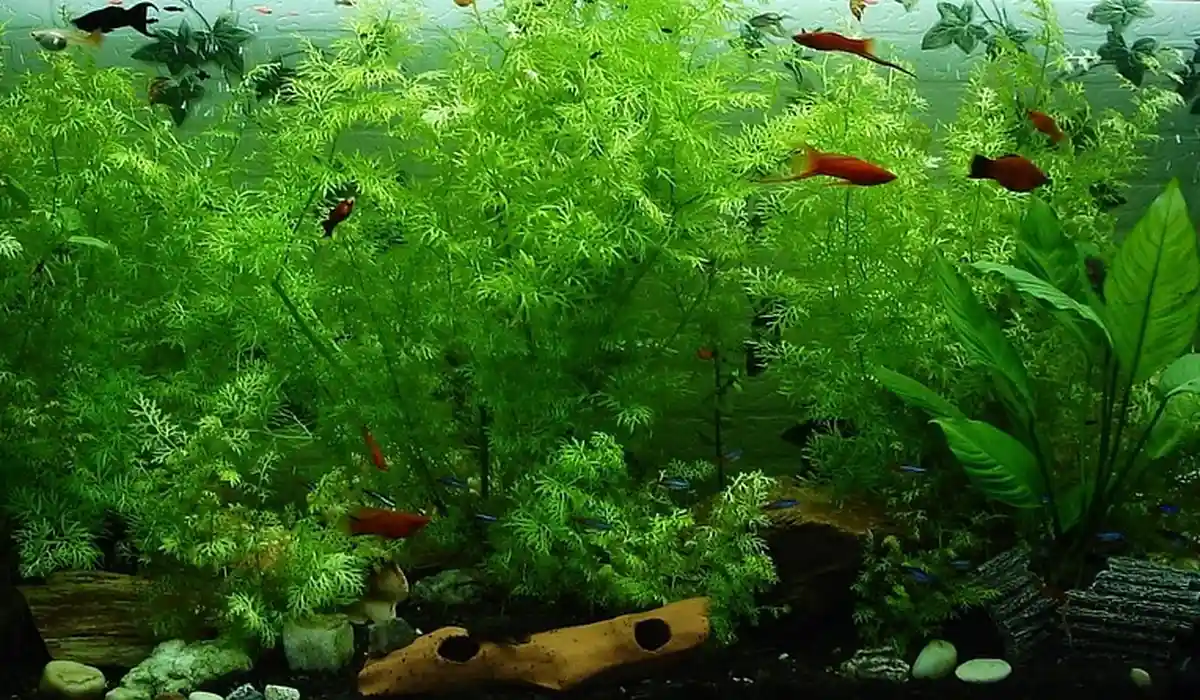
Choosing between aquarium styles feels like picking a pet personality-some need constant attention, while others thrive with gentle guidance. Walstad tanks operate on a simple, self-sufficient principle, while high-tech setups demand more from your wallet and weekly schedule. In this honest comparison of high-tech vs low-tech planted aquariums, we’ll weigh costs, upkeep, and outcomes. Let’s break down the differences so you can match a method to your life.
Walstad vs. High-Tech CO2 Setups: Cost and Effort
High-tech tanks dazzle with rapid growth and vivid colors, but they come with a price. You are looking at investing hundreds upfront for CO2 regulators, diffusers, powerful lights, and daily fertilizer dosing. In my experience, the hum of a CO2 system becomes part of your home’s background noise, but so does the chore of testing and adjusting levels.
- Cost: Walstad uses inexpensive soil and basic lighting, cutting startup costs by over half compared to high-tech.
- Effort: High-tech requires weekly water changes, filter cleaning, and CO2 tank refills. Walstad needs minimal water changes and no chemical additives.
- Time: High-tech tanks can grow plants inches per week; Walstad grows steadily but slowly, like a relaxed garden.
Why Walstad Shines: Fertilizer-Free and Balanced
The shimmer of a healthy Walstad tank comes from its natural cycle. Soil layers release nutrients gradually, so you skip buying liquid fertilizers and root tabs forever. I’ve watched my own Walstad tanks develop crystal-clear water and robust plants without any additives-just fish waste and decomposing matter feeding the roots.
- Ecosystem Balance: Plants and bacteria work together to consume nitrates, reducing algae and stabilizing pH between 6.5 and 7.5.
- Low Maintenance: Once established, these tanks almost run themselves, perfect if you travel or have a busy routine.
- Fish Health: The stable environment mimics wild habitats, reducing stress for species like bettas and corydoras.
When Walstad Might Not Fit Your Goals
This method isn’t a one-size-fits-all. If you dream of a dense, colorful aquascape with red plants or carpeting species, Walstad’s slower growth may frustrate you. High-tech tanks support demanding plants like HC Cuba that need CO2 and high light to carpet thickly.
- Ideal for: Beginners, budget-conscious hobbyists, or anyone wanting a hands-off approach.
- Avoid if: You enjoy tweaking equipment, keeping high-light plants, or competing in aquascaping contests.
- Plant Limits: Species like dwarf hairgrass may struggle without CO2 injection in a Walstad tank.
Think about your daily routine-do you prefer observing nature or actively engineering it? Walstad offers a peaceful, low-cost journey, while high-tech delivers faster, customizable results for those who love the tech side. Your tank should bring joy, not become a second job.
FAQs
What is the Walstad Method?
The Walstad Method is a natural, low-maintenance approach to aquarium keeping that mimics a pond ecosystem. It relies on a soil-based substrate to feed plants, which in turn filter the water and reduce the need for chemical additives or high-tech equipment. This method promotes a self-regulating environment where fish waste and decomposing matter sustain plant growth.
How does the Walstad Method work in an aquarium?
In an aquarium, the Walstad Method uses a layered substrate of organic soil capped with sand or gravel to slowly release nutrients to plant roots. Fast-growing plants absorb ammonia and nitrates from fish waste, acting as a natural filter to maintain water clarity and stability. This setup minimizes the reliance on external filters and frequent water changes, creating a balanced, low-tech system.
Is the Walstad Method good for beginners?
Yes, the Walstad Method is beginner-friendly due to its simplicity and reduced maintenance needs once established. Beginners should start with hardy plants and understock with peaceful fish to allow the ecosystem to stabilize. While it requires patience during the initial setup, the method avoids complex equipment and constant dosing, making it easier to manage over time.
What do Reddit users say about the Walstad Method?
On Reddit, many hobbyists share positive experiences, highlighting how the Walstad Method saves money and creates thriving, natural-looking tanks. Common discussions include tips for avoiding common pitfalls like algae blooms and celebrating success with minimal water changes. Users often recommend Diana Walstad’s book and community forums for troubleshooting and inspiration.
Your Natural Aquarium Journey Starts Here
Stick with a mineral-rich soil base under a gravel cap and pack your tank full of fast-growing plants to harness nature’s filtration. A properly layered gravel substrate supports healthy root development, helping you successfully grow aquarium plants. This simple setup creates a stable environment where your fish can thrive with minimal equipment and fewer water changes.
Always test your water regularly and adjust your care based on your tank’s unique needs to keep your aquatic pets healthy. To make this easier, follow a step-by-step guide on how to test your aquarium water properly. It will show you how to collect a sample, run the tests, and interpret the results. I encourage you to keep learning and experimenting, because the more you understand your ecosystem, the more rewarding your fishkeeping experience becomes.
Further Reading & Sources
- Questions about the Walstad Method – General Chat – Aquarium Co-Op Forum
- r/PlantedTank on Reddit: Is walstad basically: Put as much plants = Bad elements get sucked up, eternal cycle?
- The Downsides Of The Walstad Method For Planted Aquariums! – Glass Box Diaries
- The Walstad Method Tank Guide – Buce Plant
- Walstad Method Step By Step – YouTube
Lia is an expert in aquarium and pet fish care. Having worked in the marine industry and having cared for multiple pet fish, she has acquired first hand expertise on aquarium care, maintenance and setup. She always brings her practical expertise and science to help solve any aquarium related queries.
Aquatic Plants