
High-Tech vs. Low-Tech Planted Tanks: No-Fluff Guide to Your Perfect Aquarium
Hello fellow aquarists. I see you, standing in the fish store, staring at that pressurized CO2 canister and wondering if your plant dreams require that level of tech. You’re not alone in weighing the shimmering, fast-growing allure of a high-tech tank against the gentle, steady rhythm of a low-tech setup.
This honest guide cuts through the confusion to help you decide. We will cover:
- Real cost comparisons, from startup to monthly bills
- Maintenance routines and time commitments for each style
- The best plant and livestock choices for your system
- Proactive algae control strategies that actually work
I’ve run both types of tanks for years, from breeding delicate species to cultivating lush aquascapes, so you get advice tested in real water.
What Exactly Are High-Tech and Low-Tech Planted Aquariums?
Think of it as the difference between a meticulously managed botanical garden and a peaceful, self-sustaining woodland. One is a controlled environment for explosive growth, the other a balanced ecosystem that thrives on patience.
The Building Blocks of a High-Tech Tank
A high-tech aquarium is an engine for plant growth. We actively push plants to their photosynthetic limits by providing everything they could want, the moment they want it. The right equipment—strong lighting, CO2, dosing, and reliable filtration—makes this possible. With the proper gear in place, success in a planted aquarium follows naturally.
- Pressurized CO2 Systems: This is the non-negotiable heart of a high-tech tank. A CO2 tank, regulator, and diffuser pump carbon dioxide directly into the water column all day.
- High-Output Lighting: We use powerful, programmable LED fixtures that run for 6-8 hours daily, delivering intense light that drives rapid photosynthesis.
- Daily Liquid Fertilizers: With such fast growth, plants devour nutrients. We dose a comprehensive mix of macro and micronutrients directly into the water every single day.
- Robust Filtration and Flow: All this growth demands pristine water. A powerful canister filter ensures waste is processed and nutrients are evenly distributed to every leaf.
The goal here is total control, creating an environment where demanding, colorful plants like Rotala and Hemianthus ‘cuba’ can form lush, dense carpets.
The Simplicity of a Low-Tech Setup
A low-tech tank works with nature’s rhythm, not against it. It’s a lesson in balance, where the ecosystem provides most of what the plants need.
- Passive CO2: The only CO2 comes from fish respiration and the natural breakdown of waste. We don’t inject anything.
- Moderate Lighting: A simple LED light that’s on for 6-10 hours is plenty. The goal is to provide energy without encouraging algae.
- Nutrient-Rich Substrate: The foundation is key. A soil-based substrate or root tabs under sand slowly releases nutrients directly to the plant roots over months.
- Low-Maintenance Plant Species: We choose hardy plants like Java Fern, Anubias, and Cryptocorynes that are adapted to survive with less.
The beauty of a low-tech tank is its stability; you are cultivating a resilient ecosystem that requires far less daily fiddling.
Equipment Deep Dive: What You Really Need for Each Style
Let’s get specific about the gear. Your shopping list and budget will look dramatically different depending on the path you choose.
Lighting Your Underwater Garden
Light is the engine of photosynthesis, but too much or too little can cause chaos.
For a high-tech tank, you need a light with high PAR (Photosynthetically Active Radiation) output. Look for programmable LEDs that allow you to create a sunrise/sunset ramp to reduce stress on your fish. You are essentially buying a commercial-grade grow light designed to operate for a strict photoperiod, often between 6 to 8 hours maximum. For beginners, it’s also helpful to know how PAR relates to the light spectrum. This guide covers the basics of PAR and spectrum to help you pick the right aquarium lighting.
In a low-tech setup, the rules are simpler. A standard, full-spectrum LED aquarium light is perfect. The intensity should be just enough to see your fish beautifully and support slow growth. You can often get away with a longer photoperiod of 8-10 hours because the lower light intensity won’t trigger the same algae explosions, especially for fish and plants.
CO2 Injection and Nutrient Dosing
This is the single biggest divider between the two styles and the most common point of failure for beginners.
High-tech CO2 isn’t optional. You need a full pressurized system:
- A 5lb CO2 tank.
- A quality dual-stage regulator with a solenoid valve.
- A needle valve for precise control.
- A diffuser or reactor to dissolve the gas into the water.
You’ll also need a drop checker to monitor CO2 levels, aiming for a lime green color. Forget the DIY yeast bottles; they are inconsistent and cannot support the demands of a high-tech planted tank.
Nutrient dosing is a daily ritual. You’ll use separate bottles for Macros (Nitrogen, Phosphorus, Potassium) and Micros (Iron, Manganese, etc.), following a strict schedule like the Estimative Index (EI) method.
Low-tech tanks take a completely different approach. CO2 is ambient and nutrient dosing is minimal. Your primary nutrient source is a rich substrate like aquasoil or laterite, supplemented by root tabs pushed into the gravel near heavy root feeders.
You might dose a comprehensive liquid fertilizer once a week or just after a water change, but it’s a supplement, not a primary food source. The fish waste and decomposing plant matter do most of the work for you.
Plant Selection and Aquascaping Potential
Your choice of plants shapes the entire look and feel of your aquarium, from a serene, natural scape to a vibrant, engineered masterpiece. I always tell fellow aquarists that picking plants suited to their tank’s tech level is the fastest way to avoid frustration and see real growth. Let’s break down what works where, based on my years of tinkering with both setups.
Thriving Plants for Low-Tech Tanks
In a low-tech tank, you’re working with natural light and no injected CO2, so you need plants that are tough and patient. These species thrive on neglect, growing slowly but steadily, which actually means less pruning for you. For those looking for the best plants for a low-tech, no-CO2 aquarium, these choices excel in such setups. They tolerate natural light and slow growth without fuss, making them ideal for beginners and busy hobbyists. I’ve had incredible success with the following in my own low-maintenance tanks:
- Java Fern and Anubias: Attach these to driftwood or rocks with super glue or thread. Their roots shouldn’t be buried in substrate.
- Cryptocoryne Species: They come in various colors and sizes. They might “melt” when first added, but new leaves will sprout if you leave them alone.
- Vallisneria: This grass-like plant sends out runners and creates a beautiful background jungle, perfect for fish like Shadow to hide in.
- Amazon Sword: A classic, hardy plant that benefits from a root tab placed under its base every few months.
My low-tech tank, home to my shy Corydoras, Shadow, is filled with Java Fern. It provides perfect cover and has never needed anything more than the ambient room light.
Showstopping Flora for High-Tech Aquariums
When you add CO2 injection and powerful lighting, a whole new world of aquatic gardening opens up. High-tech setups let you grow demanding, colorful plants that can form dense carpets and create breathtaking aquascapes. These plants grow fast, so you’ll be trimming weekly, but the visual payoff is immense. My top picks for a stunning display are:
- Dwarf Baby Tears: This is the quintessential carpeting plant. It requires high light and consistent CO2 to form a lush green lawn.
- Rotala Species: Plants like Rotala ‘H’ra’ or Rotala macrandra can turn brilliant shades of pink and red, making fish like Captain Fin’s iridescent blue truly pop.
- Ludwigia Repens ‘Rubin’: Its deep red leaves add a dramatic contrast to any green background.
- Monte Carlo: An easier-to-grow carpeting plant alternative to Dwarf Baby Tears, it still needs CO2 to thrive.
In my high-tech tank, the intense reds of the Rotala against my betta’s blue scales is a sight I never get tired of. Just remember, with great power comes great responsibility-you must balance light, CO2, and fertilizers precisely to prevent algae.
Keeping Algae at Bay and Water Crystal Clear
Nothing spoils the view of your aquascape faster than a fuzzy green algae bloom. The key to crystal clear water isn’t a magic potion; it’s about creating a balanced ecosystem where plants outcompete algae for nutrients. This balance is achieved differently in high-tech and low-tech environments, but the goal is the same.
Water Chemistry and Stability
Algae is a sign that something is out of whack in your tank’s chemistry. Think of your aquarium water like a soup—too much of any one ingredient, and the flavor is ruined. In planted tanks, balancing nutrients helps prevent algae and supports healthy plant growth. When nutrients are balanced and CO2 is stable, algae growth is less likely. The most common triggers are excess nutrients (nitrates, phosphates) and unstable CO2 levels. Here’s how to maintain stability:
For Low-Tech Tanks:
- Focus on consistency. Perform small, weekly water changes of 10-20% to remove excess nutrients without shocking the system.
- Test your water regularly. Aim for a stable pH between 6.5 and 7.5 and keep nitrates below 20 ppm.
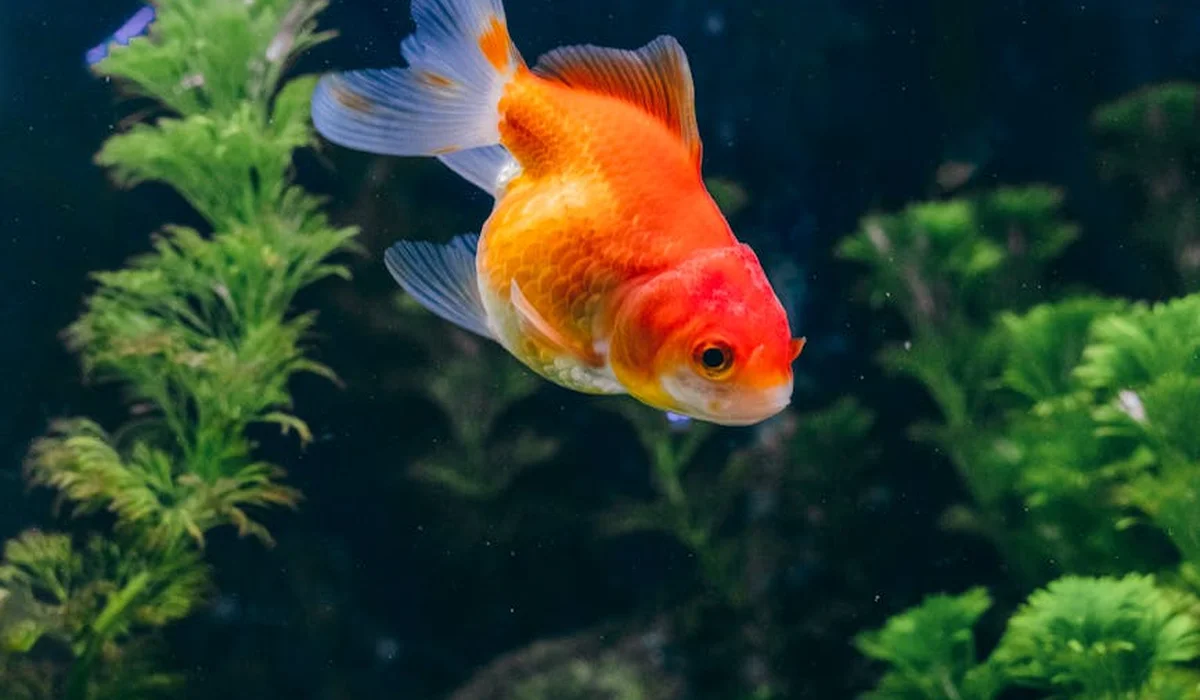
- Don’t overfeed. Uneaten food decomposes and fuels algae growth. Goldie, my Oranda, is a messy eater, so I use a feeding ring to contain the mess.
For High-Tech Tanks:
- Balance is everything. You must match your light intensity and photoperiod (6-8 hours is a good start) with a consistent CO2 injection rate.
- Use a drop checker to monitor CO2 levels visually, aiming for a lime green color.
- Dose liquid fertilizers on a strict schedule to ensure plants have what they need, leaving nothing for algae.
I learned the hard way that fluctuating CO2 in a high-tech tank is an open invitation for hair algae. Keeping your water parameters rock-solid is the single most effective thing you can do to prevent algae from ever getting a foothold.
Maintenance Routines: Time and Effort Compared
Your weekly schedule will look vastly different depending on which path you choose. Think of low-tech as a relaxing hobby and high-tech as a passionate, hands-on project that demands more of your attention.
Low-Tech Tank Upkeep
My low-tech tanks are my zen gardens. The routine is simple and meditative, perfect for a busy life.
- Weekly Water Changes: A simple 20-25% water change is often all you need.
- Glass Cleaning: You might see a slow build-up of algae on the glass; a quick wipe with a magnetic cleaner takes seconds.
- Filter Maintenance: I rinse my filter media in old tank water every 4-6 weeks to preserve the beneficial bacteria.
- Fertilizing: A single, comprehensive liquid fertilizer dose after the weekly water change is typically sufficient.
- Plant Pruning: Growth is slow, so you might only need to trim plants once a month or even less.
The beauty of a low-tech tank is its stability; you can go on a short vacation without worrying about a system crash.
High-Tech System Monitoring
My high-tech tank is like a finely tuned engine. It’s rewarding, but it needs a watchful eye.
- Daily Check: I visually inspect the CO2 bubble counter and drop checker to ensure levels are consistent.
- Frequent Water Changes: To prevent waste buildup from rapid growth, I perform 30-50% water changes weekly.
- Aggressive Pruning: Fast-growing stems and carpeting plants may need trimming every single week.
- Fertilizer Dosing: This is a precise science. I follow a strict daily or alternate-day dosing schedule for macro and micronutrients.
- Equipment Checks: You must regularly clean filter outtakes, check for CO2 leaks, and ensure your lights are on their timer.
Neglect a high-tech tank for just a few days, and you might return to an algae farm or a CO2-related fish disaster.
Cost Breakdown: Investing in Your Aquatic Vision
Your budget is a major deciding factor. The initial price tag tells only part of the story; you must also consider the long-term recurring costs.
Budgeting for a Low-Tech Startup
You can create a stunning low-tech aquarium without breaking the bank. This budget-friendly approach helps you create a stunning tank for under $100. Here’s a typical breakdown for a 10-gallon tank.
- Tank & Stand: $50 – $150
- Basic LED Light: $30 – $80 (No need for high-power models)
- Filter: $25 – $60 (A simple sponge or hang-on-back filter works perfectly)
- Heater: $20 – $40
- Substrate & Hardscape: $40 – $100 (You can use inexpensive inert gravel or soil)
- Plants & Livestock: $50 – $150
The ongoing costs are minimal, mostly for water conditioner, a bottle of fertilizer, and fish food, making it incredibly affordable to maintain.
The Price of High-Tech Precision
High-tech aquariums are an investment in equipment and performance. For a comparable 10-gallon high-tech setup, expect these costs.
- Tank & Stand: $50 – $150
- High-Power LED Light: $100 – $300+ (This is a non-negotiable major expense)
- Canister Filter: $80 – $200 (Superior filtration is needed for the bioload)
- CO2 System: $150 – $400 (Includes cylinder, regulator, diffuser, and drop checker)
- Substrate & Hardscape: $60 – $150 (You often need nutrient-rich aquasoils)
- Plants & Livestock: $75 – $200
You also have recurring costs for CO2 cylinder refills, specialized fertilizers, and replacement filter media, adding a significant monthly or quarterly expense.
Making Your Choice: Which Path is Your Perfect Fit?
So, how do you decide which world to dive into? It’s not about which one is “better,” but which one fits your lifestyle, budget, and what you want to get out of the hobby.
Ask Yourself These Three Questions
Grab a notebook and jot down your honest answers. This simple exercise will point you in the right direction.
- How much time can you consistently dedicate each week? Be realistic about your schedule.
- What is your startup and ongoing maintenance budget? Remember, your fish’s health depends on this.
- What is your dream aesthetic? Are you envisioning a lush, vibrant carpet or a more natural, slow-growing landscape?
The High-Tech Route: For the Hands-On Hobbyist
Choose a high-tech tank if you see aquarium keeping as an active, immersive project. This path is perfect for you if you love tinkering with equipment and watching plants respond almost daily to your care. You’re the type of person who gets a thrill from dialing in the perfect CO2 bubble count and programming a sophisticated light schedule.
- You enjoy a fast-paced, highly visible growth cycle.
- You’re comfortable with a higher initial investment for equipment.
- You can commit to more frequent water changes and fertilizer dosing.
- You want to grow demanding, colorful plant species like red Ludwigia or dwarf hairgrass.
From personal experience, a high-tech tank feels like a living science experiment. I’ve spent hours adjusting my CO2 diffuser to get that perfect “pearling” effect, where plants release tiny streams of oxygen bubbles. It’s incredibly rewarding, but it demands attention.
The Low-Tech Route: For the Patient Naturalist
Opt for a low-tech aquarium if you prefer a “set it and forget it” approach that mimics nature’s pace. A low-tech tank is your sanctuary if you find peace in a stable, self-regulating ecosystem that requires minimal intervention. You appreciate the subtle changes that happen over weeks and months, not days.
- You have a busy lifestyle and need a lower-maintenance hobby.
- Your budget is tighter, or you prefer to spend it on fish rather than gear.
- You value long-term stability over rapid, explosive growth.
- You love the look of hardy plants like Anubias, Java Fern, and mosses.
My first low-tech tank taught me more about patience and balance than any other. Watching a Java Fern slowly unfurl a new leaf over a month is a quiet kind of magic. The hum of the filter is the loudest thing about it, and that’s exactly how I like it.
Side-by-Side Snapshot
| Consideration | High-Tech | Low-Tech |
|---|---|---|
| Weekly Time Commitment | 3-5 hours (testing, pruning, dosing) | 1-2 hours (feeding, light cleaning) |
| Startup Cost | High ($500+) for lights, CO2, fertilizers | Low to Moderate ($150-$300) |
| Plant Growth Speed | Fast, requires frequent trimming | Slow to moderate, minimal trimming |
| Risk of Algae Outbreaks | Higher if balance is off | Lower, more forgiving |
| Best For Plant Types | Colorful, carpeting, and stem plants | Hardy epiphytes, floating plants, and rhizome plants |
The most successful aquarium is the one you can sustain with joy, not stress. I’ve made the mistake of setting up a high-tech tank during a busy period in my life, and the constant upkeep led to burnout. Be honest with yourself. Both paths lead to a beautiful, healthy underwater world; they just take different routes to get there.
Common Questions
What is the best substrate for a low-tech planted aquarium?
A nutrient-rich substrate is the foundation of a successful low-tech tank. It acts as a long-term nutrient bank for your plants, slowly releasing what they need directly to their roots. Options like aquarium soil or using root tabs with an inert gravel are excellent choices for supporting steady, slow growth without daily liquid fertilization.
How much lighting does a low-tech planted aquarium need?
Low-tech tanks thrive on moderate lighting to avoid algae outbreaks. A standard, full-spectrum LED light is perfectly adequate. The key is to provide a consistent photoperiod, typically between 6 to 10 hours a day, which offers enough energy for plant growth without exceeding the ecosystem’s natural carbon dioxide limits. For a step-by-step approach, see our set up aquarium lighting complete guide. It covers fixture selection, placement, and timed schedules for different tank sizes.
Why do low-tech planted aquariums often have less algae?
Low-tech tanks typically have less algae because they operate in a state of natural balance. The moderate light intensity and absence of injected CO2 create a stable environment where plant growth and nutrient consumption are in sync. This balance prevents the nutrient excesses and unstable CO2 levels that commonly trigger algae blooms in more intensely managed systems. You can read more about the relationship between light, CO2, and nutrients in a planted tank to understand why these factors matter.
What are the basic steps for setting up a low-tech planted tank?
Setting up a low-tech tank focuses on creating a stable, self-sustaining ecosystem from the start. Begin with a nutrient-rich substrate, choose hardy plants like Anubias and Java Fern, and install a simple filter and heater. After filling the tank, establish a consistent lighting schedule and perform regular, small water changes to maintain stability as the tank matures.
Finding Your Perfect Planted Path
Your ideal aquarium hinges on matching your available time and budget to either the accelerated growth of high-tech or the gentle rhythm of low-tech systems. I always recommend starting with a low-tech setup if you’re new, as it builds a solid foundation in water chemistry without overwhelming you with equipment. In this complete beginner’s guide to managing aquarium water parameters, you’ll learn how to test and interpret the basics. You’ll focus on pH, ammonia, nitrite, nitrate, and hardness to keep your tank stable.
Remember, every choice you make directly impacts the well-being of your fish, so commit to creating a stable home they can thrive in. Stay curious, ask questions, and never stop observing your tank-it’s the best teacher you’ll ever have in this hobby.
Further Reading & Sources
- Fertilizer Requirements: Low-Tech vs. High-Tech Planted Tanks – NilocG
- Low Tech vs High Tech Planted Aquarium
- What’s The Difference Between High Tech And Low Tech? | The Planted Tank Forum
- r/PlantedTank on Reddit: What’s the difference between high tech and low tech tanks?
- Low-Tech Vs High-Tech Planted Tank: Differences, Benefits – Rooted Tank | Planted Aquariums Advice & Guides
Lia is an expert in aquarium and pet fish care. Having worked in the marine industry and having cared for multiple pet fish, she has acquired first hand expertise on aquarium care, maintenance and setup. She always brings her practical expertise and science to help solve any aquarium related queries.
Aquatic Plants