
Aquarium on a Budget: Your Guide to a Stunning Tank for Under $100
Hello fellow fish keepers. I know that feeling-you dream of a beautiful, shimmering aquarium, but the price tags on tanks and equipment can make that dream feel completely out of reach. You can absolutely create a gorgeous, healthy aquatic world without draining your wallet.
This guide will walk you through the smartest ways to save, covering:
finding affordable tanks and equipment,
selecting low-cost, hardy plants and fish,
DIY solutions for decor and filtration, and
maintaining pristine water quality on a budget.
I’ve successfully set up dozens of thriving tanks on a shoestring budget, learning exactly where to save and where to spend.
Planning Your Budget Aquarium Setup
Choosing the Right Starter Tank Size
Bigger is not always better when you’re watching your wallet. A 10-gallon tank is your budget-friendly sweet spot, offering stable water parameters without the high cost of a massive setup. This size gives you enough water volume to dilute waste, making it easier to maintain a healthy environment for a small community of fish. Considering the pros and cons of small versus large aquariums, you trade cost and footprint for stability. Smaller tanks save money and space but require meticulous maintenance. Smaller 5-gallon tanks are cheaper upfront but can turn into a chemistry nightmare for beginners, requiring near-constant attention.
I always steer new aquarists toward a standard 10-gallon because the equipment is universally affordable and the tank itself is often sold in low-cost starter kits. You can comfortably house a betta with some tank mates or a small school of nano fish in this space. A standard rectangular tank uses space more efficiently than a tall, narrow one, giving your fish more horizontal swimming room and better gas exchange at the surface.
Setting a Realistic Budget Breakdown
Let’s put a precise number to every dollar. Sticking to a $100 limit is challenging but completely possible with careful planning. Your money needs to cover the tank, a filter, a heater, substrate, lighting, water conditioner, and your first fish.
Here is a sample budget that has worked for me:
| Item | Estimated Cost |
|---|---|
| 10-Gallon Tank (or kit) | $15 – $30 |
| Filter | $10 – $20 |
| Heater | $12 – $18 |
| Substrate & Decor | $15 – $20 |
| Lighting | $5 – $15 |
| Water Conditioner & Food | $8 – $12 |
The secret is to allocate the most money toward the components that keep your fish alive: the filter and heater. You can save massively on the tank and decor by buying secondhand or getting creative. Never sacrifice filter quality for a fancy piece of driftwood.
Sourcing Affordable Aquarium Equipment
Finding Secondhand Tanks and Filters
The secondhand market is a goldmine for aquarists on a budget. Check Facebook Marketplace, local aquarium clubs, and thrift stores. I’ve found perfectly good 10-gallon setups for as little as $20, complete with a filter and hood. Always inspect a used tank for leaks by setting it up outside on a flat surface and filling it with water before you pay.
For filters, a simple sponge filter is not only inexpensive but also incredibly effective. It provides both mechanical and biological filtration and is gentle enough for bettas and fry. You can often find these for under $15, and they run on a single air pump, making them one of the most cost-efficient choices available. Just give a used filter a good rinse in old tank water, never tap water, to preserve the beneficial bacteria.
Selecting an Efficient, Low-Cost Heater
A reliable heater is non-negotiable for most tropical fish. You don’t need a smart Wi-Fi model; a basic, adjustable 50-watt heater will do the job perfectly for a 10-gallon tank. Look for trusted budget brands that offer a warranty. An adjustable heater allows you to set the exact temperature, which is far safer and more reliable than a preset model that can sometimes malfunction.
Place the heater near your filter’s outflow to help circulate the warmed water throughout the entire tank. This prevents hot and cold spots and creates a more stable environment for your fish. I always keep a cheap separate thermometer in the tank to double-check the heater’s accuracy; it’s a small investment that can prevent a major disaster.
DIY and Budget Lighting Solutions
You do not need a high-tech, plant-growing LED rig for your first budget tank. A simple LED desk lamp or a basic clip-on light can provide more than enough illumination for you to enjoy your aquarium and for low-light plants to thrive, especially when fish and plants don’t require specialized lighting.
Here are my go-to affordable lighting solutions:
- An LED shop light from a hardware store, which can be suspended above the tank.
- A simple glass canopy with a built-in fluorescent light, often found in secondhand starter kits.
- A programmable plug to automatically turn your DIY light on and off, mimicking a consistent day/night cycle.
This approach gives you full control over the intensity and duration of light, which is your best defense against algae blooms in a new tank. Aim for about 6-8 hours of light per day to start, and adjust based on how your tank responds.
Creative and Cheap Aquascaping Ideas
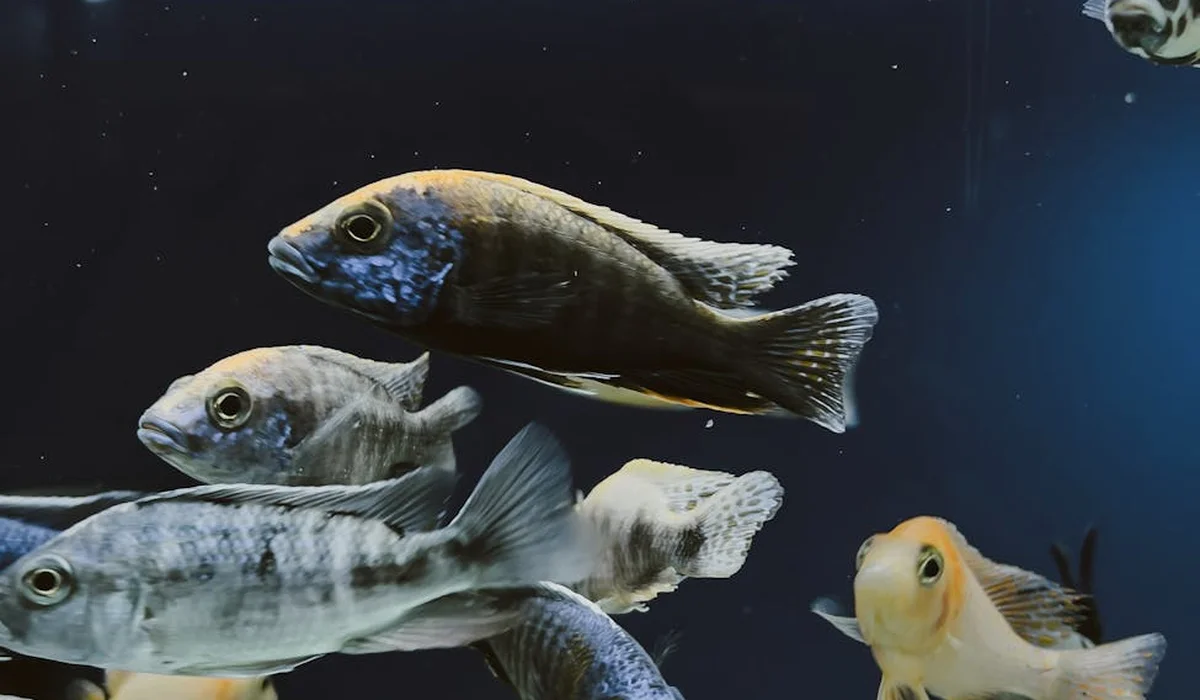
You do not need to spend a fortune to design an eye-catching underwater landscape. With a bit of creativity, you can build a beautiful aquascape that rivals expensive setups. I have set up dozens of tanks over the years, and some of my favorites were crafted with budget-friendly materials. Focus on simplicity and natural elements to create a sense of depth and harmony without the high cost.
Using Gravel and Substrate Wisely
Substrate forms the foundation of your aquascape, and choosing the right type can save you money while enhancing your tank’s health. In a quick aquarium substrate guide, the right gravel or sand sets the stage for both aesthetics and health. It also helps with maintenance and ensures compatibility with your chosen inhabitants. I always recommend using a basic, inert gravel or sand from a hardware or pet store. A 5-pound bag of aquarium gravel often costs under $5, and play sand is even cheaper. Layering different textures, like placing a darker gravel behind a lighter sand, can create an illusion of depth and make your tank look larger.
For planted tanks, you can mix in a thin layer of organic potting soil beneath your gravel to nourish plants. Just cap it with an inch of sand to prevent cloudiness. I did this in my first low-tech tank, and the plants thrived without expensive substrates. Always rinse any substrate thoroughly before adding it to avoid murky water.
- Choose neutral-colored gravel or sand to highlight fish colors and plants.
- Buy in bulk from garden centers for larger tanks to cut costs per pound.
- Use river rocks collected from outdoors after boiling them to sterilize.
Incorporating Live Plants on a Budget
Live plants are a game-changer for water quality and aesthetics, and you can get them for free or very cheap. I often trade cuttings with local aquarium club members or buy from online forums like Reddit’s AquaSwap. Easy-to-grow plants like Java Moss, Anubias, or Hornwort are hardy and multiply quickly. Starting with fast-growing stem plants helps absorb excess nutrients and reduces algae outbreaks in new tanks. These are among the key benefits live plants bring to your aquarium. They help absorb excess nutrients, improve water quality, and provide habitat and natural behavior cues for your aquatic life.
Propagation is your best friend here. For example, Java Fern can be divided by gently separating its rhizome, and you can replant the pieces. I once turned one small Anubias plant into a full carpet over months by splitting it regularly. If you buy, opt for tissue culture cups-they are pest-free and cost around $10, giving you multiple plants.
- Join local fishkeeping groups on social media to find free plant trimmings.
- Use low-light plants to avoid spending on specialized lighting.
- Anchor plants to driftwood or rocks with cotton thread instead of buying weights.
Upcycled and Thrift Store Decor Finds
Thrift stores and your own home are treasure troves for unique aquarium decorations. I have found terracotta pots, glass vases, and even ceramic mugs that make perfect hides for fish. Always check that items are non-toxic and lack sharp edges. A quick boil or soak in a vinegar-water solution sterilizes them safely. Upcycling not only saves money but also gives your tank a personalized touch that store-bought decor cannot match. It’s important to ensure decorations are safe for aquarium use.
In one of my tanks, I used a cleaned glass jar as a cave for Shadow, my Corydoras, and he loved it. Avoid metals or painted items that could leach chemicals. Driftwood from beaches can be used after soaking and boiling to remove tannins, though it might tint your water slightly-which some fish enjoy.
- Look for smooth, glazed ceramics or untreated wood at thrift stores.
- Repurpose PVC pipes as tunnels for bottom-dwellers; just sand the edges.
- Use aquarium-safe silicone to attach rocks or plants for custom structures.
Selecting Budget-Friendly Fish and Inhabitants
Top Beginner Fish for Cheap Setups
You don’t need a fortune to enjoy vibrant life in your aquarium. The key is choosing fish known for their hardiness and low cost. I always recommend starting with species that can handle the slight fluctuations common in new, budget-friendly setups.
Here are my top picks for affordable, resilient fish:
- White Cloud Mountain Minnows: These little fish are absolute troopers. They thrive in cooler water, which can save you money on a heater. You can get a small school for a very low price.
- Zebra Danios: Energetic and nearly indestructible, zebra danios are perfect for new tanks. Their constant movement adds a dynamic feel, and they are incredibly affordable.
- Guppies: If you want color and activity, guppies are your fish. They are livebearers, so you might even get a growing population for free. Just be prepared for babies!
- Cherry Shrimp: These tiny, bright red shrimp are fantastic algae eaters and a joy to watch. They are inexpensive and help keep the tank clean.
- Mystery Snails: A single snail does a great job cleaning up leftover food and algae. They come in fun colors like gold and blue and are very cheap.
My best advice is to buy just a few fish at first, allowing your tank’s biological balance to establish itself without being overwhelmed. A crowded tank is a stressed tank, and that leads to health problems and extra costs.
Cycling Your Tank for a Healthy Biofilter
This is the single most important step for keeping fish alive on a budget. “Cycling” is the process of growing beneficial bacteria in your filter. These bacteria are your invisible cleanup crew, converting toxic fish waste into safer substances.
Think of it like building the immune system for your tank. Without it, fish are swimming in their own poison. A properly cycled tank is the difference between thriving fish and constant emergencies.
Here is the simple, fishless method I use to cycle any new tank:
- Set Up: Get your tank running with your filter, heater (if you have one), and substrate. No fish yet.
- Add an Ammonia Source: You can use a pure ammonia solution from the store (no surfactants) or simply drop in a tiny pinch of fish food every day. As the food decays, it produces ammonia.
- Test the Water: Use a liquid test kit to monitor levels. You’ll first see ammonia spike, then nitrites, and finally, nitrates.
- Wait for the Magic: The cycle is complete when your test kit reads zero ammonia and zero nitrites, with some nitrates present. This usually takes 4-6 weeks.
- Add Fish Slowly: Once cycled, you can carefully add your first small group of fish.
I know the wait is tough, but it saves you money and heartache. Patience during the cycling phase is the ultimate budget hack, preventing costly fish losses and medication down the line. A cycled tank is a stable tank, and stability is cheap.
A great DIY tip is to ask a fellow aquarist for a handful of used filter media from their established tank. Seeding your filter with these “live” bacteria can cut your cycling time in half.
Frequently Asked Questions
Can I cycle my tank with fish in it?
You can, but I don’t recommend it for beginners. It requires very frequent water testing and changes to protect the fish from toxic ammonia burns. The fishless method is much safer and less stressful for everyone.
How do I know my tank is cycled?
Your tank is ready for fish when you can add your ammonia source and it, along with nitrites, converts fully to nitrates within 24 hours. A liquid test kit is your best friend here. Test ammonia regularly to know what your results mean for safety. If ammonia reads zero, the cycle is complete; any detectable ammonia means you still need to monitor and adjust.
Step-by-Step Aquarium Assembly
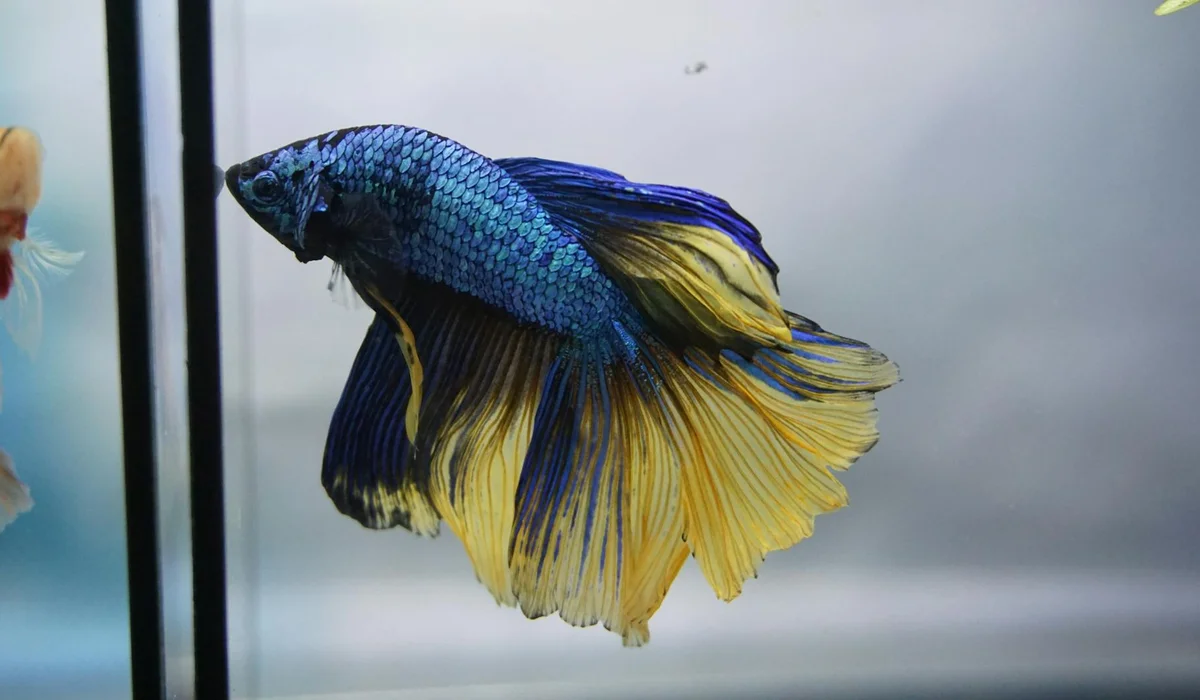
Prepping and Placing Substrate and Decor
Begin by rinsing your substrate thoroughly in a bucket until the water runs clear. This prevents cloudy water that can stress your fish and clog your filter. I always use inexpensive pool filter sand or natural gravel from a garden center, which costs a fraction of branded aquarium substrates.
Add about two inches of substrate to the tank bottom, sloping it slightly higher in the back for visual depth. A gentle slope makes waste easier to clean and gives plants better anchor points. For my betta Captain Fin, I create hiding spots with smooth river rocks and PVC pipe cuttings to keep him engaged.
Arrange decorations like driftwood or resin caves before adding water. Position taller items toward the back and leave open swimming areas near the front for active fish like Goldie. Rinse everything well to remove dust, and avoid overcrowding-your fish need space to explore and retreat.
Installing Equipment and Adding Water
Install your filter and heater according to the manufacturer’s instructions. A simple sponge filter connected to an air pump is both affordable and highly effective for biological filtration. I set my heater to a stable 78°F for tropical fish, using a separate thermometer to double-check the temperature.
Place the heater near water flow for even heat distribution, and ensure all cords are secure. You can hide equipment behind plants or decor to maintain a natural look without extra cost. For lighting, a basic LED clip-on light provides enough brightness for low-light plants and highlights your fish’s colors.
Slowly add dechlorinated water by pouring it onto a plate or bowl to avoid disturbing the substrate. Fill the tank until it’s about an inch from the top, leaving room for surface agitation from the filter. Let the system run for at least 24 hours to check for leaks and stabilize temperature before adding fish.
Introducing Fish and Monitoring Health
Acclimate your fish by floating the sealed bag in the tank for 15 minutes to equalize temperature. Then, add small amounts of tank water to the bag every 10 minutes for another 30 minutes to prevent shock. I net the fish directly into the tank instead of pouring bag water, which can introduce contaminants.
Start with hardy species like Corydoras or livebearers if you’re new to fishkeeping. Observe their behavior closely-active swimming and steady breathing are signs of a healthy adjustment. Shadow, my Corydoras, took a day to start foraging, which is normal for shy bottom dwellers.
Test water parameters daily for the first week using budget-friendly test strips. Keep ammonia and nitrite levels at zero, and perform 25% water changes if you notice cloudiness or fish gasping at the surface. Feed a pinch of food once daily, and remove any uneaten bits to maintain water quality.
Easy and Cost-Saving Maintenance Routines
Keeping your aquarium sparkling doesn’t have to drain your wallet; with a few smart habits, you can maintain a healthy environment for your fish like Captain Fin or Goldie without overspending. Regular, simple routines are your best defense against costly problems down the line, and I’ve found they actually make fishkeeping more enjoyable.
Performing Budget Water Changes
Water changes are non-negotiable for fish health, but you can do them affordably with items you might already have at home. I use a length of clean vinyl tubing from a hardware store-it costs under $5-to siphon water into a bucket, avoiding pricey aquarium-specific kits. A simple fish tank siphon makes a perfect water change easy and controlled. With practice, you’ll manage any tank size without pricey gear.
Start by siphoning out 10-25% of the tank water weekly, adjusting based on your tank’s size and stock; for a single betta like Captain Fin in a small tank, you might do less, but for a goldfish like Goldie, stick to higher frequencies. Always treat tap water with a dechlorinator before adding it back, and buy a large bottle to save money per use-it lasts for months.
Here’s a simple step-by-step guide to a budget-friendly water change:
- Fill a clean bucket with tap water and let it sit to reach room temperature-no need for heaters if you match the tank’s temp.
- Add dechlorinator according to the label; a little goes a long way, so measure carefully to avoid waste.
- Use your DIY siphon to remove old water, and gently stir the substrate to release debris without disturbing fish like Shadow.
- Slowly pour the treated water back into the tank to minimize stress on your fish.
Reuse old containers for water storage, and if you have plants, consider using the old tank water to fertilize them-it’s rich in nutrients. This method keeps parameters stable and costs almost nothing once you have the basics.
DIY Cleaning and Algae Control
Algae blooms can cloud your tank, but you don’t need expensive chemicals to manage them; household items work wonders for scrubbing and prevention. In my experience, a clean old toothbrush is perfect for scrubbing algae off decorations and glass without scratching surfaces. I find it especially effective when used as described in that guide on cleaning aquarium glass.
For glass cleaning, a razor blade holder from a hardware store (under $3) lets you safely scrape off stubborn algae, and you can make a algae magnet by attaching a sponge to a magnetic pair. Increase your tank’s light duration gradually and keep it away from direct sunlight to reduce algae growth naturally. For more tools, check out the best algae scrapers and cleaning tools for your aquarium.
Try these DIY hacks for effective algae control:
- Add fast-growing plants like java fern or anacharis-they outcompete algae for nutrients and are cheap or free from local hobbyists.
- Introduce a few snails, such as nerites, which graze on algae and cost little at pet stores.
- Use a white vinegar solution (1 part vinegar to 4 parts water) to clean external equipment, rinsing thoroughly before reuse.
For substrate cleaning, gently vacuum during water changes with your siphon, focusing on areas where waste accumulates, like near Shadow’s hiding spots. Consistency here means less work over time and a clearer, healthier tank for your fish to thrive in.
Smart Shopping for Aquarium Deals
Scouting Pet-Store Sales and Discounts
I always keep an eye on major pet store flyers and apps for seasonal clearances. You can snag tanks, filters, and decor for half off during holiday weekends or inventory resets. Sign up for store loyalty programs to get exclusive coupons sent straight to your email. That’s how I upgraded my filter without blowing my budget.
Visit stores in person and check clearance aisles for returned or discontinued items. I once found a perfectly good heater with a damaged box for 70% off. Always ask staff about upcoming promotions; they often know about unadvertised deals.
- Time your purchases around Black Friday, Memorial Day, or back-to-school sales for the deepest discounts.
- Look for “dollar per gallon” tank sales, where a 10-gallon tank might cost just $10.
- Buy multipacks of water conditioner or fish food to save over individual items.
Exploring Online and Local Secondhand Markets
I’ve scored incredible finds on Facebook Marketplace and local fishkeeping groups. Sellers often offload full setups after upgrading or moving. Inspect every item in person for cracks, leaks, or rust before handing over cash. My Corydoras’ cave came from a used tank bundle I cleaned and repurposed.
Check Craigslist or OfferUp for people giving away tanks for free-just be ready to clean them thoroughly. Join aquarium clubs online; members frequently trade or sell equipment at friendly prices.
- Search terms like “aquarium,” “fish tank,” or “filter” to broaden results.
- Test heaters and filters with you to ensure they work properly.
- Clean secondhand items with a vinegar-water solution to remove mineral deposits and bacteria.
Don’t shy away from negotiating politely. Many sellers are happy to lower prices for a quick sale. I once talked a $50 tank down to $30, leaving room in my budget for plants.
Common Questions
Is a $100 budget truly realistic for a complete aquarium setup?
Yes, a $100 budget is realistic if you prioritize essential equipment and get creative with sourcing. By focusing your spending on a reliable filter and heater, and finding a tank and decor secondhand or through DIY, you can absolutely build a healthy habitat. The key is careful planning and patience in finding deals.
What are the ongoing monthly costs for a budget aquarium?
The ongoing monthly costs are minimal, primarily for electricity, water conditioner, and fish food. You can expect to spend just a few dollars a month, as regular maintenance like water changes can be done with a DIY siphon and water you already treat. Buying supplies like dechlorinator in a large, concentrated bottle will make these costs even lower over time.
Are DIY decorations and equipment safe for my fish?
DIY solutions can be perfectly safe if you use the right, non-toxic materials and prepare them correctly. Always sterilize items like rocks, wood, or ceramics by boiling them before they go in the tank. Avoid any objects that can leach chemicals, such as painted, metallic, or soft plastic items.
Can I keep more than one type of fish in a budget 10-gallon tank?
Yes, you can create a small community, but stock selection is critical for a small tank’s stability. A great combination is a single, calm centerpiece fish like a betta, paired with a small school of peaceful bottom-dwellers like Corydoras catfish. Always research compatibility and avoid overstocking to prevent stress and water quality issues.
Your Affordable Aquarium Adventure Awaits
By focusing on secondhand gear, creative DIY solutions, and low-cost, hardy fish, you can absolutely build a beautiful and healthy tank without draining your wallet. A successful budget aquarium relies more on smart planning and consistent care than on expensive equipment.
Remember that every fish you bring home relies on you for its quality of life, making responsible research and commitment the most valuable parts of this hobby. Your journey as an aquarist is a continuous learning experience, and the thriving underwater world you create will be your greatest reward.
Further Reading & Sources
- $100 Aquarium Challenge: Tiny Space, HUGE Results – YouTube
- Cheapest possible tank setup? | Freshwater Tank Equipment Forum
- New planted aquarium on a budget | The Planted Tank Forum
- Budget-Friendly Fishkeeping: How to Get Started with an Amazing Aquarium Under $100 – Diapteron Shop
- Best ATO Under $100?? | Reef2Reef
Lia is an expert in aquarium and pet fish care. Having worked in the marine industry and having cared for multiple pet fish, she has acquired first hand expertise on aquarium care, maintenance and setup. She always brings her practical expertise and science to help solve any aquarium related queries.
DIY Projects