
Your Lush, Thriving Aquascape Awaits: The Complete Guide to Choosing Aquarium Plants
Published on: December 29, 2025 | Last Updated: December 29, 2025
Written By: Lia Annick
Hello fellow aquarists! Are you staring at your tank, dreaming of a vibrant underwater garden but feeling overwhelmed by the choices? You’re not alone. Picking the right plants is the secret to a healthy, beautiful aquarium that practically runs itself.
This guide will walk you through everything you need to know. We’ll cover:
- The three main plant types and which one fits your skill level.
- How to match your lighting and nutrients to your plant choices.
- The best beginner-friendly plants that grow fast and look amazing.
- Smart placement strategies for a professional-looking aquascape.
- How the right plants naturally reduce algae and keep your fish happy.
I’ve spent years cultivating high-tech planted tanks and breeding fish, learning these lessons through trial and error so you don’t have to.
Why Live Plants Make Your Aquarium Thrive
Watching fish glide through a forest of green is more than just beautiful-it’s a fundamental shift towards a healthier, more balanced tank. Live plants work with you to create a vibrant ecosystem.
- They Supercharge Your Water Quality. Plants are natural filters, actively consuming the ammonia and nitrates that stem from fish waste and leftover food. This natural purification keeps your water crystal clear and significantly reduces the frequency of water changes you need to do.
- They Pump Oxygen Into the Water. Through photosynthesis, plants release a steady stream of oxygen bubbles, which you can often see clinging to their leaves. This constant infusion is vital for your fish’s respiration and creates a healthier environment for beneficial bacteria.
- They Offer Safe Haven and Reduce Stress. Plants provide crucial hiding spots for shy fish like my Corydoras, Shadow. This security makes fish feel safe, curbs aggression, and allows their natural behaviors to shine. The gentle sway of leaves in the current creates a calming, natural environment for all your aquatic residents.
- They Actively Combat Algae. By competing with algae for the same nutrients, robust plant growth effectively starves out unwanted green fuzz and slime. A well-planted tank is your best long-term defense against algae outbreaks.
The gentle hum of your filter paired with a lush, green aquascape transforms your tank from a simple container into a living, breathing slice of nature.
Understanding Different Types of Aquatic Plants
Not all aquarium plants grow the same way. Knowing their categories helps you design your aquascape effectively and meet each plant’s specific needs.
Stem Plants
These are the fast-growing background stars of the aquarium. You plant them directly into the substrate where they grow tall and bushy, perfect for hiding equipment and filling in the back of your scape.
- Popular Examples: Hornwort, Water Wisteria, Rotala.
- Care Tip: They are heavy root feeders and often need nutrient-rich substrate or root tabs to thrive. Regular trimming encourages them to grow bushier instead of leggy.
Carpet Plants
These plants spread horizontally across the bottom of your tank, creating a beautiful, lush lawn. They require more light and often supplemental CO2 to form a dense, low-lying carpet.
- Popular Examples: Dwarf Hairgrass, Monte Carlo, Dwarf Baby Tears.
- Care Tip: Plant them in small clumps spaced about an inch apart. With good conditions, they will quickly spread and fill in the gaps.
Mosses
Incredibly versatile and low-maintenance, mosses can be attached to rocks and driftwood or left free-floating. They provide an excellent micro-habitat for baby shrimp and fry.
- Popular Examples: Java Moss, Christmas Moss, Flame Moss.
- Care Tip: You can secure moss to hardscape with thin thread or super glue gel. It thrives in almost any light condition and doesn’t need to be planted in substrate.
Epiphytes
This is one of my favorite plant groups for beginners. Epiphytes absorb nutrients directly from the water column through their leaves and roots. You must never bury their rhizome (the thick, horizontal stem) in substrate, or it will rot. Instead, attach them to decorations.
- Popular Examples: Anubias, Java Fern, Bucephalandra.
- Care Tip: These plants are perfect for tying onto driftwood or wedging between rocks. They are slow-growing, hardy, and ideal for low-tech setups.
Rosette Plants
These plants, like the Amazon Sword or Vallisneria, grow from a central crown and send out long, flowing leaves. They are dramatic centerpiece plants that can get quite large.
- Popular Examples: Amazon Sword, Vallisneria, Cryptocoryne.
- Care Tip: They are heavy root feeders and will benefit greatly from a nutrient-rich substrate or root tabs placed near their base.
Key Factors in Plant Selection for Your Tank
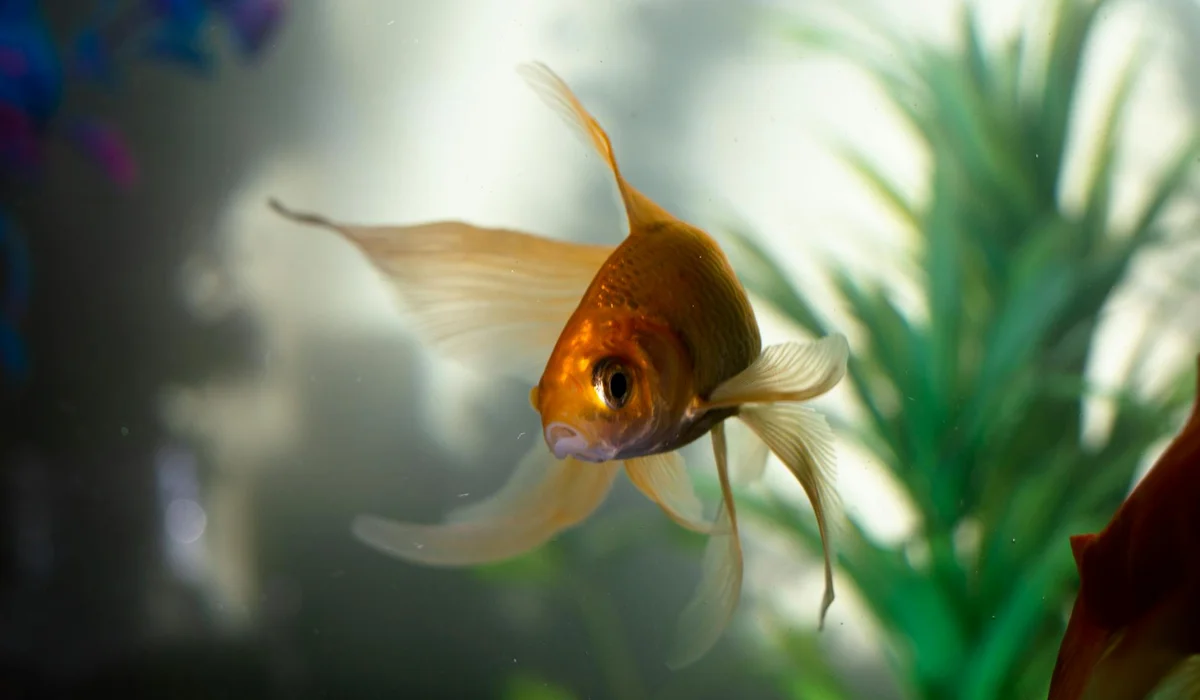
Choosing the right plants isn’t just about looks. It’s about matching their needs to the environment you can provide. The most beautiful plant will struggle and die if its core requirements for light, food, and water aren’t met. Let’s break down the essentials.
Lighting: The Engine of Growth
Light is plant food. The intensity and duration of your light directly control how fast and how well your plants grow.
- Low Light: Perfect for beginners. These plants are slow-growing and undemanding. Think Anubias, Java Fern, and most mosses. They won’t carpet the bottom, but they’ll thrive with just a basic LED light for 6-8 hours a day.
- Medium Light: This is the sweet spot for many popular stem plants and rosettes. You’ll see more defined growth and can try some red plants. Amazon Swords, Cryptocorynes, and Ludwigia Repens fall here.
- High Light: Reserved for advanced aquascapers. Plants like Dwarf Baby Tears and some Rotala species need powerful LEDs and often require extra CO2 and fertilizers to avoid being overrun by algae. Without a balanced system, high light simply becomes an algae incubator.
Substrate: The Root of the Matter
Your substrate is more than just decoration; it’s the pantry for your root-feeding plants.
- Inert Substrates: Gravel and sand look nice but offer zero nutrition. You must use root tabs placed near the roots of plants like Amazon Swords to feed them.
- Active Substrates: Aquasoils like those from ADA or Fluval are packed with nutrients and help soften water and lower pH. They are fantastic for a planted tank but can be messy initially and need replacing every few years.
- A Personal Hack: I often use a thin layer of aqua soil under a cap of sand or gravel. This gives plants a nutrient-rich base while keeping the top layer clean and aesthetically pleasing.
CO2 Injection: The Growth Turbocharger
Carbon is a building block of life. Adding CO2 is the single biggest thing you can do to boost plant health and speed up growth.
- Low-Tech Tanks: No injected CO2. Your plants rely on the CO2 produced by fish and bacteria. Growth is slower, but the tank is simpler to manage.
- High-Tech Tanks: With a CO2 system, you inject a consistent amount of carbon dioxide. This allows plants to photosynthesize more efficiently, leading to lush, dense, and vibrant growth. It’s a game-changer for red plants and carpeting species.
Nutrient Dosing: The Plant Buffet
Even in a stocked tank, fish waste doesn’t provide all the nutrients plants need. You have to supplement.
- Macronutrients (NPK): Nitrogen (N), Phosphorus (P), and Potassium (K). These are consumed in large quantities.
- Micronutrients: Iron, Manganese, Zinc, etc. These are needed in trace amounts but are just as critical. Iron deficiency, for example, will cause new leaves to turn yellow.
A consistent, weekly liquid fertilizer regimen is the easiest way to prevent nutrient deficiencies and keep your plants from looking pale and stunted.
Water Parameters: The Invisible Foundation
pH and hardness (GH/KH) aren’t just for fish. They dictate how well plants can absorb the nutrients you’re providing. This is a core concept in a complete guide to water hardness and alkalinity, and how those factors shape aquariums. By balancing GH, KH, and pH, you can create a more stable ecosystem for both plants and fish.
- pH Level: Most plants do well in a slightly acidic to neutral range (6.5 – 7.5). A very high pH can “lock up” certain nutrients, making them unavailable to plants even if they’re in the water.
- General Hardness (GH): This measures calcium and magnesium. Plants need these, but very soft water may require you to supplement. Shrimp keeping plants like Bucephalandra appreciate some GH.
- Carbonate Hardness (KH): This is your water’s buffering capacity. A low KH means your pH can swing wildly, which stresses both plants and fish. Test your tap water first-it’s the easiest way to know what you’re working with from the start.
Best Plants for Beginner Aquarists
Starting your first planted tank can feel overwhelming, but I promise it doesn’t have to be. The secret is to begin with plants that are almost impossible to kill. Choosing the right beginner plants builds your confidence and creates a stable environment for your fish from day one. In this step-by-step guide, you’ll learn how to set up your first fish tank. We’ll cover choosing equipment, cycling, and matching plants to your fish.
My top recommendations are Java Fern, Anubias, and Amazon Sword. I’ve used these in dozens of setups, and they have never let me down.
-
Java Fern
This plant is a true survivor. I’ve seen it thrive in tanks with very little light and no added fertilizers.
- It doesn’t get planted in the substrate. You attach its rhizome (the thick, horizontal stem) to driftwood or rocks with super glue gel or thread.
- It grows slowly, which means you rarely need to trim it.
- Java Fern is famous for propagating itself by growing tiny plantlets on the tips of its leaves.
Its tough, bitter leaves are almost never eaten by problematic fish like goldfish or certain cichlids.
-
Anubias
Anubias is the other cornerstone of the low-tech aquarium. It’s so hardy that it can even handle a bit of neglect.
- Like Java Fern, its rhizome must remain above the substrate to prevent rot.
- It comes in many sizes, from the small Anubias Nana ‘Petite’ to larger varieties, fitting any tank layout.
- It grows at a glacial pace, making it a perfect, low-maintenance foreground or mid-ground plant.
Anubias can live for years in the same spot, providing consistent cover for shy bottom-dwellers like my Corydoras, Shadow.
-
Amazon Sword
If you want a dramatic, leafy centerpiece, the Amazon Sword is your plant. It creates an instant jungle feel.
- This one does get its roots planted deep into the substrate, preferring a nutrient-rich gravel or sand.
- It’s a heavy root feeder, so using root tabs (fertilizer pellets placed in the gravel) will make it explode with growth.
- Its long, flowing leaves are perfect for fish like Bettas to rest on near the surface.
A single, healthy Amazon Sword can fill a huge amount of space, making your tank look established and lush much faster.
Matching Plants to Your Fish and Tank Setup
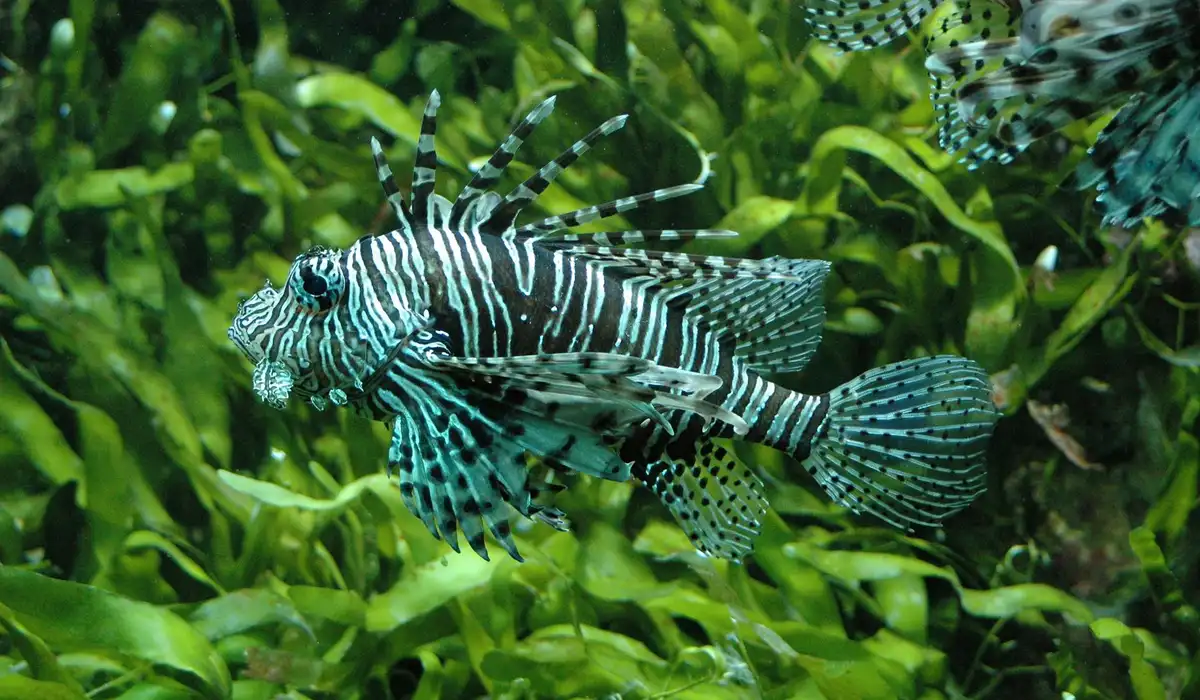
Choosing the right plants isn’t just about what looks good to you; it’s about creating a living space that works for all your tank’s inhabitants. Understanding the pros and cons of a planted aquarium can help you weigh maintenance, cost, and care against the benefits. The best planted tank is one where the flora and fauna exist in a supportive, balanced relationship.
Selecting Plants for Your Fish’s Behavior
Different fish have vastly different lifestyles, and your plant choices should reflect that. A plant that’s perfect for a calm community tank might be a terrible choice for a tank with boisterous diggers. When stocking your community tank, choose compatible fish to ensure the plants and animals coexist peacefully.
For Feisty Fish Like Bettas (Captain Fin)
Bettas are labyrinth fish that need to breathe air from the surface, but they also love to rest among leaves. They can be rough on delicate plants with their flowing fins.
- Anubias and Java Fern: These are my top picks. Their tough, broad leaves are perfect for a betta to lounge on. I always attach them to driftwood or rock to keep their rhizomes above the substrate, safe from any curious nibbling.
- Floating Plants: Frogbit or Salvinia provide shade and cover, which helps a betta feel secure. The dangling roots also offer an interesting environment for exploration.
- Avoid: I’d steer clear of plants with sharp edges, like some types of dwarf sword plants, as they can tear a betta’s delicate fins.
For Foraging & Nibbling Fish Like Goldfish (Goldie)
Goldfish are delightful chaos machines. They root through substrate, move decorations, and will happily eat most soft-leaved plants. An ideal tank setup avoids common mistakes by prioritizing sturdy decorations, a deep substrate, and robust filtration. Plan for easy maintenance to keep chaos in check.
- Java Fern and Anubias (Again!): Their leathery, bitter-tasting leaves are highly unpalatable to most goldfish. They are truly the workhorses of the aquarium plant world.
- Marimo Moss Balls: These are fun, nearly indestructible algae balls that Goldie can push around the tank. They help polish the water and are fun to watch.
- Avoid: Tender stem plants like Hornwort or delicate foreground carpets. They will be treated as a expensive salad bar and uprooted in minutes.
For Bottom Dwellers Like Corydoras (Shadow)
These gentle catfish are sensitive and need soft, smooth substrates to protect their delicate barbels (whiskers). They appreciate hiding spots but won’t eat your plants.
- Dwarf Sagittaria or Cryptocorynes: These plants are fantastic in a sand substrate, sending out runners to create a lush, low-growing carpet that provides excellent cover without sharp edges.
- Amazon Sword: Its large, dense leaves create a perfect canopy for shy fish like Shadow to hide under and feel safe.
- Avoid: Plants with sharp, rigid leaves or those that require a sharp, rocky substrate, as this can injure your corydoras.
Aligning Plants with Your Tank’s Conditions
Beyond your fish, the physical setup of your tank dictates which plants will thrive versus those that will simply survive or die.
For a Sand Substrate
Sand is dense and can sometimes compact, making it tricky for root-feeding plants. But don’t worry, you still have incredible options.
- Root Tabs are Your Best Friend: I always use root tabs with sand. They are little nutrient-packed capsules you push into the substrate near the plant’s roots. This turns inert sand into a fertile bed.
- Vallisneria: This plant is a monster in sand with root tabs. It sends out runners everywhere and creates a beautiful, tall grassy background.
- Cryptocoryne Wendtii: A super adaptable plant that comes in many colors. It establishes a strong root system in sand and multiplies over time.
For Low-Tech, Low-Light Setups
Not everyone wants high-intensity lights and pressurized CO2, and that’s perfectly okay! Some of the most beautiful, stable tanks are low-tech.
- The “Easy” Gang: Anubias, Java Fern, Java Moss, Marimo Moss Balls, and most Cryptocorynes. These plants are practically bulletproof and will grow steadily with just the waste produced by your fish.
- Floating Plants: Plants like Duckweed or Salvinia get all the light they need right at the surface and are excellent at consuming excess nutrients like ammonia and nitrates, helping to keep your water crystal clear.
For Ammonia and Nitrate Control
If you’re battling water quality issues, certain fast-growing plants act as a natural filtration system.
- Hornwort: This is a nutrient sponge. You can plant it or let it float, and it will rapidly consume ammonia and nitrates, helping to starve out algae.
- Water Wisteria: Another fast-growing stem plant that is very effective at improving water quality. It’s a great background plant that adds a lot of volume quickly.
- Pothos (Emersed): This common houseplant is my secret weapon. I let the roots dangle in the water from the back of the tank (the leaves must be out of water). It is one of the most powerful ammonia removers I have ever used, and it adds a beautiful touch of green above the tank.
How to Plant and Maintain Your Aquatic Flora
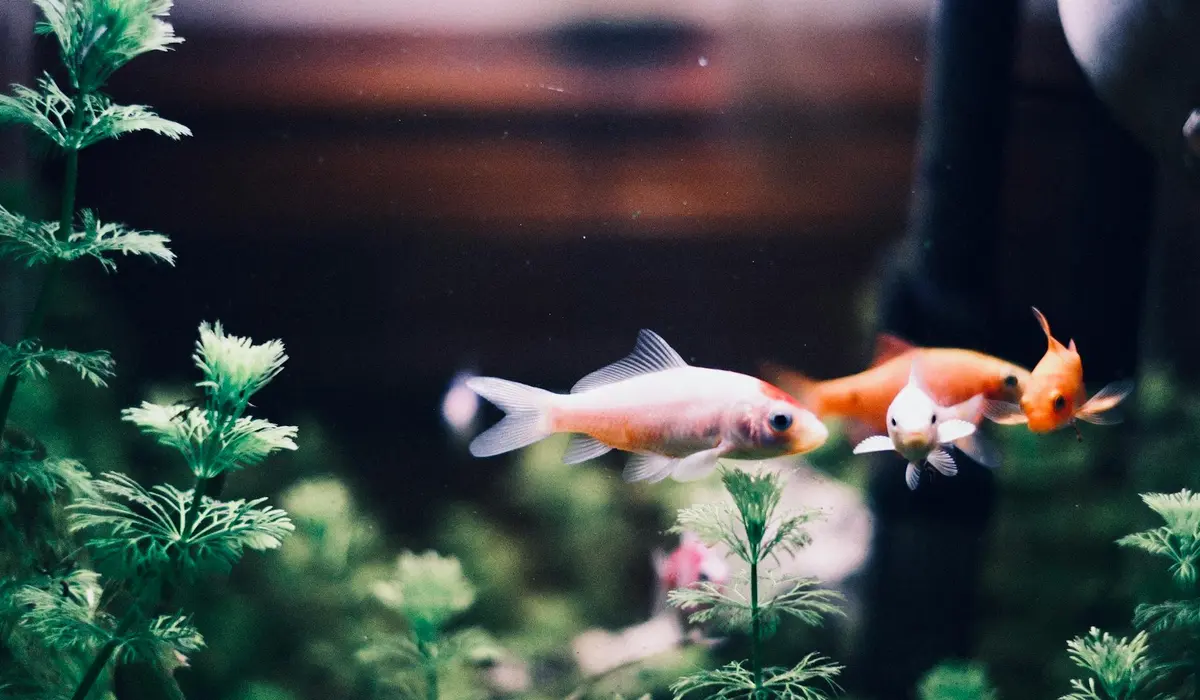
Getting your new plants settled is the most satisfying part. You’ll see your vision start to take shape. Proper planting technique is the single biggest factor in whether a plant thrives or just slowly dies.
Step-by-Step Planting for Success
- Inspect and Quarantine: Before anything, gently rinse your new plants under lukewarm tap water. I always do a quick visual check for snails or any weird gunk. A brief soak in a diluted bleach solution (1 part bleach to 19 parts water for 2 minutes, then rinse thoroughly) can save you from a snail infestation later.
- Trim and Prep: Use sharp, clean scissors to trim any damaged or overly long roots. For stem plants, snip off the lowest leaves from the bottom inch of the stem. This gives you a clean section to push into the substrate.
- Create a Planting Hole: Use planting tweezers or your fingers to make a small pilot hole in the substrate. This prevents you from crushing the roots or stem when you push it down.
- Plant with Precision: For stem plants, gently place the bare stem into the hole and carefully push the substrate around it. For rosette plants like Swords or Crypts, position the crown (where the leaves meet the roots) just above the substrate line. Burying the crown will rot the plant.
- Anchoring Rhizome Plants: For Anubias and Java Fern, never bury the thick, horizontal rhizome. Instead, use a dab of super glue gel (cyanoacrylate) to attach it to a rock or piece of driftwood, or loosely tie it with dark cotton thread.
My betta, Captain Fin, loves to rest on the broad leaves of my Anubias, which I superglued to a piece of spiderwood years ago.
Pruning for a Lush, Healthy Look
Think of pruning as giving your plants a haircut to encourage them to grow bushier and fuller.
- Stem Plants: When they get too tall and “leggy,” simply snip the top portion off just above a set of leaves. You can then replant that healthy top cutting to create a new plant. The old stem will often sprout two new side shoots.
- Rosette Plants: Simply remove any old, melting, or damaged outer leaves by snipping them at the base. This directs the plant’s energy into pushing out vibrant new growth from the center.
- Rhizome Plants & Mosses: For Anubias or Java Fern, you can trim away any yellowing or hole-ridden leaves at the rhizome. For moss, just give it a trim with sharp scissors to your desired shape.
A quick trim every other week prevents your tank from looking overgrown and keeps water circulating freely around all the leaves.
Routine Care for a Low-Tech Tank
You don’t need fancy CO2 systems for a beautiful planted tank. Consistent, simple care is the real secret.
- Weekly Water Changes: Stick to changing 15-25% of your water every week. This removes waste and replenishes minerals that your plants consume. The gentle hum of the siphon is the sound of a healthy aquarium.
- Liquid Fertilizing: In a low-tech tank, a comprehensive liquid fertilizer used once a week after your water change is usually all you need. It’s like a weekly vitamin for your plants.
- Substrate Vacuuming: Be gentle. You only need to vacuum the open, visible areas of the substrate. Avoid digging deeply around plant roots, as this can disturb them and release trapped toxins. My corydoras, Shadow, appreciates when I leave his corner of the tank mostly undisturbed.
- Algae Control: The best algae control is a balanced tank with healthy plants. Reduce your lighting period to 6-8 hours a day if you see algae. You can manually wipe the glass and remove any algae-covered leaves during your weekly maintenance.
Consistency is far more powerful than any single piece of high-tech equipment in a low-tech planted aquarium. In an honest comparison of high-tech vs low-tech planted tanks, practical consistency often outperforms flashy gear. A reliable routine, balanced fertilization, and simple lighting choices can deliver lush growth without breaking the bank.
Avoiding Common Beginner Mistakes
- Planting Too Deep: This is the #1 killer. Remember the crown of rosette plants and the rhizome of ferns must never be buried.
- Overcleaning: You want a slightly “dirty” tank. A bit of mulm and detritus in the substrate provides natural fertilizer for plant roots. Don’t sterilize your tank.
- Ignoring Melt: Many plants, especially Cryptocoryne, will “melt” when first added as they adapt to your water. Don’t panic and remove them! Just trim off the melting leaves and the plant will often regrow new, adapted leaves within a few weeks.
- Too Much Light Too Soon: Start with just 6 hours of light daily and slowly increase it over a few weeks. Too much light from day one is an open invitation for an algae takeover.
Patience is your most valuable tool; a stable aquarium is built over months, not days.
Common Questions
What are the best aquarium plants for oxygen?
Plants that grow rapidly are typically the best oxygenators, as they undergo photosynthesis at a high rate. Hornwort is a top choice as it can be planted or left floating, releasing a steady stream of oxygen bubbles. Other excellent options include Anacharis and Water Wisteria, which are also fast-growing and help improve overall water quality.
What are the best aquarium plants to reduce ammonia?
Fast-growing stem and floating plants are highly effective at consuming ammonia and nitrates directly from the water column. Hornwort and Water Wisteria act as nutrient sponges, outcompeting algae and improving water parameters. For a powerful solution, Pothos grown with its roots submerged is one of the most effective natural ammonia filters available.
What are the best aquarium plants for a sand substrate?
Many beautiful plants thrive in sand, especially when supported with root tabs that provide essential nutrients. Vallisneria spreads quickly via runners to create a tall grassy background, while Cryptocoryne species are adaptable and develop strong root systems. Amazon Swords also do exceptionally well in sand as long as they receive root tab fertilization.
What are the best aquarium plants for a shrimp tank?
Shrimp thrive in tanks with plants that provide ample surface area for biofilm to grow, which is a primary food source. Mosses like Java Moss and Christmas Moss are ideal, creating perfect hiding and foraging spots for baby shrimp. Epiphytes like Bucephalandra and Anubias are also excellent, as they can be attached to hardscape without burying their rhizomes. For a shrimp-invertebrate setup, plan a stable, low-stress environment with gentle filtration and consistent parameters to support biofilm growth and shrimp health. A thoughtfully planted tank with moss and epiphytes provides both habitat and natural food sources for thriving shrimp populations.
Your Planted Tank Journey Begins Now
Ultimately, the best plants for your tank are the ones that thrive in your specific water and light conditions, creating a beautiful and healthy home for your fish. In a low-tech, no-CO2 setup, choose hardy, slow-growing plants that thrive on basic lighting and no CO2. They’re ideal for beginners and keep maintenance simple. Start with a few easy, hardy species and let your confidence grow alongside your aquatic garden.
Remember, a thriving planted aquarium is a commitment to the well-being of your entire aquatic community, from the tiniest shrimp to your most vibrant fish. Equipment plays a key role in success: lighting, filtration, substrate, and CO2 support healthy plant growth. Getting the gear right is part of caring for your whole aquatic community. Stay curious, keep learning, and enjoy every moment of creating your own living underwater masterpiece.
Further Reading & Sources
- Plants – The 2Hr Aquarist
- Quick Guide: How to Plant Live Aquarium Plants in Freshwater Tanks – Aquarium Co-Op
- Beginner’s Guide to Aquarium Plants – INJAF
- r/Aquariums on Reddit: A beginners guide to adding plants to a basic aquarium
- The right aquarium plants – Tropica Aquarium Plants
Lia is an expert in aquarium and pet fish care. Having worked in the marine industry and having cared for multiple pet fish, she has acquired first hand expertise on aquarium care, maintenance and setup. She always brings her practical expertise and science to help solve any aquarium related queries.
Aquatic Plants