
Your Water Testing Toolkit: Master Aquarium Health with the Right Kits
Hello fellow fish keepers! That nagging worry about your fish’s health or sudden algae outbreak often points straight to your water quality. Knowing exactly what’s in your water with the right testing kit is the fastest way to solve problems and prevent them.
This guide will give you crystal-clear confidence by covering:
- Choosing between test strips, liquid kits, and meters for accuracy and value.
- The non-negotiable parameters to test: ammonia, nitrite, nitrate, pH, and beyond.
- Simple, step-by-step instructions for foolproof testing every time.
- How to interpret results and take immediate action for a balanced tank.
I’ve relied on this routine for years to keep my own planted tanks thriving and fish like Captain Fin breeding happily.
Why Can’t You Just Guess Your Tank’s Water Quality?
You might see clear water and assume all is well, but that clarity can be a beautiful lie. Toxic ammonia is invisible, and nitrite doesn’t change the water’s sparkle. Relying on looks alone is like trusting a smile to diagnose a fever; you’ll miss the hidden crisis until your fish are gasping at the surface.
I thought my tank was perfect until Captain Fin, my usually feisty betta, started hugging the bottom. The water had that pristine shimmer, but a test revealed an ammonia spike from a missed water change. Your fish’s behavior is the last alarm to sound, but water testing is the early warning system that prevents emergencies.
Consider my goldfish, Goldie; she’s a foraging machine that produces waste constantly. That waste breaks down into chemicals you cannot see or smell. Guessing parameters is a gamble with your pets’ health, leading to stress, suppressed immune systems, and preventable losses.
Your Testing Toolkit: Strip, Liquid, or Digital?
You have three main paths to water clarity, each with its own balance of speed, precision, and price. Your tank’s life stage and your own routine should guide your pick. Matching the tool to your specific need turns a chore into a quick, rewarding habit that safeguards your aquatic ecosystem, such as using the right filter media for your aquarium.
Quick-Dip Test Strips
These are your go-to for a fast, multi-parameter check. Dip the strip, shake it off, and compare the colored pads to a bottle chart within seconds. They are fantastic for a weekly “vitals check” when you need a general picture without a big time investment.
I keep a jar near my community tank for a rapid scan. But I’ve noticed the colors for hardness can be tricky to read under my kitchen lights. View strips as a helpful screening tool, not a diagnostic instrument, because their accuracy has limits for critical parameters.
- Best For: New hobbyists, routine monitoring, and tanks with a stable history.
- Watch Out For: Fading colors after the bottle is opened, and vague readings for low-level ammonia.
- Pro Tip: Always store them in a sealed, dry container to prevent moisture from ruining the pads.
Precise Liquid Test Kits
This is the method I trust most for definitive answers. You’ll add drops of reagents to a vial of tank water, initiating a color-changing chemical reaction. The step-by-step process yields reliable, repeatable data that forms the backbone of intelligent tank management.
When my corydoras, Shadow, was less active, a liquid nitrate test uncovered a reading over 40 ppm from decaying plant leaves. For nailing down the nitrogen cycle compounds-ammonia, nitrite, nitrate-nothing beats the confidence of a liquid test kit.
- Rinse the test tube with tank water to avoid contamination.
- Fill to the line with water from mid-tank depth.
- Add the reagent drops, cap the tube, and invert it gently to mix.
- Place the tube on the white part of the card and compare in natural daylight for the truest color match.
High-Tech Digital Testers
Digital testers use electronic probes or sensors to give you a number on a screen, removing all color-guessing. They are the pinnacle of convenience and precision for a specific parameter. If you track something like pH daily, a digital pen saves time and boosts accuracy, giving you graph-ready data.
I use a digital pH meter for my planted tank where stability is key. It needs regular calibration with solution packets, but the hum of reliable data is satisfying. These tools are investments best suited for parameters where even minor fluctuations can cause major stress for sensitive livestock.
- Ideal Use Case: Monitoring pH in discus or shrimp tanks, or tracking TDS (Total Dissolved Solids) for breeding projects.
- Maintenance is Key: Probes require proper storage fluid and calibration to stay accurate. A neglected probe gives bad data.
- Cost vs. Value: The high upfront cost pays off in the long run for dedicated hobbyists who test frequently.
What Are You Actually Testing For? The Key Water Parameters

Think of your test kit as a medical lab for your underwater world. You’re not just looking at colors; you’re reading the vital signs of the entire ecosystem living in your glass box. Ignoring these parameters is like flying a plane blindfolded-you might be okay for a bit, but a crash is almost inevitable.
The Big Three: Ammonia, Nitrite, Nitrate
These three form the cornerstone of water testing, tied directly to the famous (and crucial) Nitrogen Cycle. They tell the story of your tank’s biological health.
- Ammonia (NH3/NH4+): This is the primary waste product from your fish, like my Captain Fin and Goldie. It’s highly toxic even at low levels, burning gills and stressing fish. Any reading above 0 ppm (parts per million) in a cycled tank is a red alert. I treat it like a silent killer that demands immediate action.
- Nitrite (NO2-): Beneficial bacteria convert ammonia into nitrite. Sadly, nitrite is just as dangerous. It binds to fish blood cells, preventing oxygen transport. Your fish can literally suffocate in oxygen-rich water. A healthy, cycled tank should always read 0 ppm nitrite.
- Nitrate (NO3-): The final product in the cycle, produced when a second type of bacteria consumes nitrite. Nitrate is far less toxic, but it accumulates over time. Keeping nitrates below 20 ppm for most community tanks is a key goal, achieved through regular water changes and live plants. My planted tanks help keep Shadow’s home stable by soaking up nitrates.
Acidity and Hardness: pH, GH, and KH
This trio determines your water’s “personality.” Some fish thrive in soft, acidic water, while others need hard, alkaline conditions.
- pH: Measures how acidic or basic your water is on a scale of 0 (acidic) to 14 (basic), with 7 being neutral. Rapid pH swings are more harmful than a stable, slightly “off” number. Consistency is king here; a stable pH of 7.8 is better for your fish than a perfect but fluctuating pH of 7.0.
- GH (General Hardness): This is the total concentration of dissolved minerals, primarily calcium and magnesium. It’s crucial for fish skeletal health, shrimp molting, and snail shell integrity. Think of it as the mineral content of the water.
- KH (Carbonate Hardness or Alkalinity): This is your pH’s buffer. It measures carbonates and bicarbonates that neutralize acids and prevent your pH from crashing overnight. A higher KH means a more stable pH. I view KH as the shock absorber for your aquarium’s chemistry.
Other Important Checks: Chlorine, Phosphate, and Salinity
These tests are for specific situations but are no less important.
- Chlorine/Chloramine: Tap water contains these to make it safe for us, but they are deadly to fish and filter bacteria. You must use a water conditioner to neutralize these every single time you add tap water to the tank. This is non-negotiable.
- Phosphate (PO4): Often overlooked, phosphate is a primary nutrient for algae. It enters your tank through fish food, waste, and some tap water. Testing for it can help you diagnose and combat persistent algae blooms by identifying an excess nutrient source.
- Salinity: Measured with a refractometer or hydrometer, this is critical for brackish and marine (saltwater) tanks. It measures the total dissolved salts. Even freshwater keepers sometimes use a tiny bit of aquarium salt for therapeutic purposes, requiring precise measurement.
Following the Current: A Step-by-Step Testing Guide
Testing feels intimidating at first, but it quickly becomes a simple, satisfying ritual. The key is methodical consistency.
How to Use Liquid Test Kits Accurately
Liquid reagent kits, like the API Master Test Kit, are the gold standard for accuracy. Here’s how I use them to avoid common pitfalls.
- Clean the Tube: Rinse the test tube thoroughly with tank water-never tap water, as residual chemicals can skew results.
- Fill to the Line: Add tank water to the marked line. Hold it at eye level on a flat surface to get this exact.
- Add Reagents: Add the specified number of drops. Hold the bottle vertically for consistent drop size. Cap the bottle tightly immediately after.
- Shake and Wait: Cap the test tube and shake vigorously for the time stated in the instructions. Then, set a timer for the exact development time. This waiting period is critical; reading results too early or too late gives false readings.
- Compare in Good Light: Hold the tube against a white background in natural daylight if possible to compare the color.
How to Use Test Strips Correctly
Strips are about speed and convenience, perfect for a quick check-in. Their trade-off is slightly less precision.
- Dip and Remove: Quickly dip the strip into the tank water and remove it immediately. Do not swirl it.
- Shake Off Excess: Give the strip a firm downward flick over the tank to remove water droplets.
- Read Immediately: Hold the strip horizontally and compare the pads to the color chart on the bottle within the seconds listed-usually 60 seconds or less. Timing is everything with strips.
- Store Properly: Keep the bottle sealed tightly in a cool, dry place. Moisture ruins unused strips.
Reading Results and The Color Chart Challenge
This is where many aquarists, myself included, have squinted in frustration. The transition between colors on a chart can be subtle.
- Use Natural, White Light: The yellow tinge of indoor bulbs can distort colors. I always read my tests near a window during the day for the truest match.
- Look Down Through the Tube: For liquid tests, look down through the top of the tube against a white paper, not through the side.
- When in Doubt, Test Twice: If a color seems borderline between two readings, perform the test again. Human error happens. A second test confirms whether you need to take action or if you can simply monitor the situation.
- Record Your Results: Keep a simple logbook or use an app. Tracking pH, ammonia, and nitrate weekly reveals trends and helps you catch problems before your fish show signs of stress.
When Should You Test Your Aquarium Water?
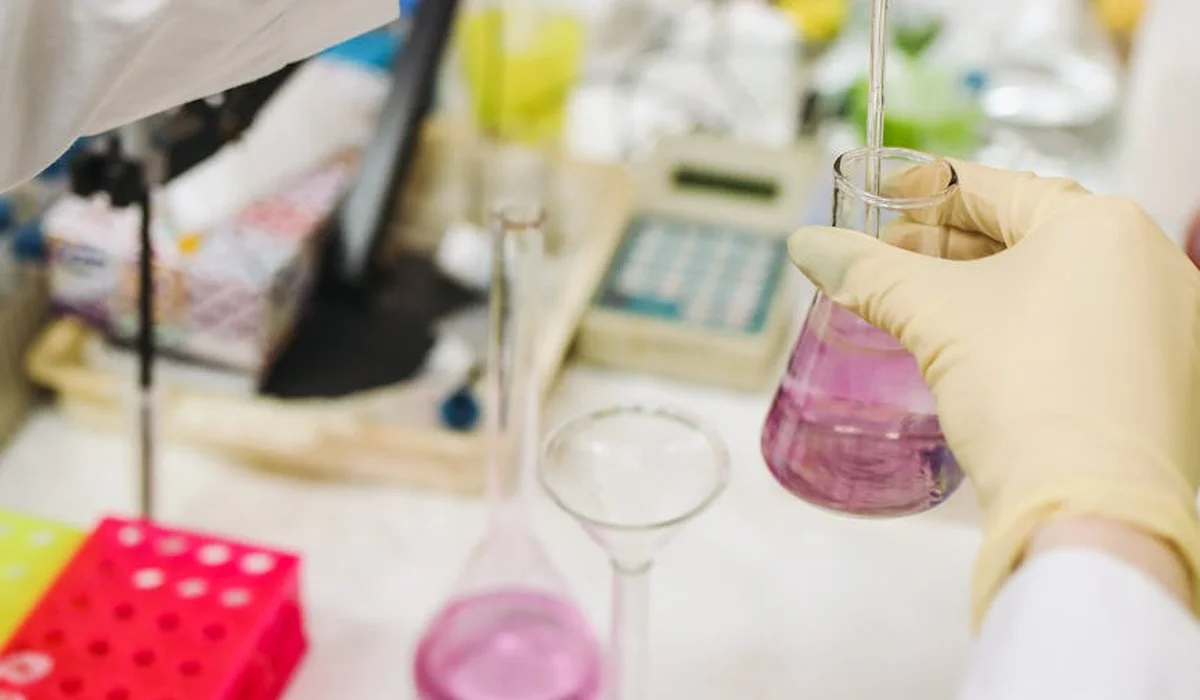
Think of testing like checking the weather forecast for your fish. You don’t wait for a storm to hit to look outside. Regular, scheduled testing prevents small issues from becoming full-blown tank disasters. Let’s break down the critical times to grab your test kit.
During the Tank Cycle: The Daily Check
This is non-negotiable. When you’re starting a new tank, the invisible Nitrogen Cycle is building its army of beneficial bacteria. You must track its progress. For a clearer path, check out the article on new aquarium nitrogen cycle explained for a step-by-step overview. It explains what to test, when to test, and how to recognize when the cycle is complete.
- Test for Ammonia and Nitrite daily. You’re watching for their dramatic rise and eventual fall to zero.
- Test for Nitrate weekly during this phase. Its appearance tells you the cycle’s final stage is working.
- Test pH every few days. A crashing pH can stall your cycle completely, leaving you stuck with toxic ammonia.
I test new tanks every single morning with a liquid master kit; it’s the only way to know exactly when the coast is clear for your first fish. This daily ritual might feel intense, but it typically only lasts 3-6 weeks and is the most important thing you’ll ever do for tank health.
Regular Maintenance: The Weekly Ritual
Once your tank is cycled and stable, you can relax a bit. I make water testing part of my weekly maintenance, right before a water change.
- Test for Nitrate. This tells you exactly how large your water change needs to be.
- Do a quick check on pH. This catches any gradual drift.
- Once a month, run the full suite: Ammonia, Nitrite, Nitrate, pH, and KH (Carbonate Hardness). This is your tank’s complete physical exam.
Testing weekly builds a history for your tank, so you learn its unique rhythms and can spot a tiny problem before your fish do. If my Goldie is acting less social, I check my test log first to see if anything has changed.
Emergency Tests: When Fish Seem Off
Your fish are your best alarm system. If their behavior changes, test immediately. Don’t wait.
- Rapid gill movement, gasping at surface: Test for Ammonia and Nitrite FIRST.
- Fish clamped, hiding, or lethargic: Full test (Ammonia, Nitrite, Nitrate, pH).
- After a tank accident: (Overfeeding, dead fish you didn’t find, medication) Test for Ammonia and Nitrite within hours.
- Before adding sensitive new fish: Always test to ensure parameters match the store’s water.
A sudden change in your fish’s world is almost always reflected in the water, and your test kit is the translator. My betta, Captain Fin, gets feisty at feeding time; if he’s listless, I know to test the water before even thinking about food.
What Do Your Test Results Mean? Fixing Common Problems
You’ve got colorful vials and numbers. Now what? Here’s how to decode the results and take action.
High Ammonia or Nitrite: The Emergency Protocol
Any reading above 0 ppm for Ammonia or Nitrite is a red alert. These are direct poisons.
- Immediately perform a 50% water change with temperature-matched, dechlorinated water. This dilutes the toxin.
- Re-test after the change. If levels are still elevated, prepare for another 25% change in a few hours.
- Add a double dose of a trusted water conditioner that detoxifies Ammonia and Nitrite, like Seachem Prime. This buys you time.
- Stop feeding completely for 24-48 hours to halt new waste production.
- Determine the root cause: Overfeeding? Dead fish or plant? A clogged filter? A new tank that wasn’t fully cycled?
This is the one scenario where frequent, large water changes are always the correct first response to save your fish’s lives.
pH Swings or Incorrect Hardness
Fish adapt to stable pH better than a “perfect” but swinging pH. A sudden change of more than 0.3 in 24 hours is stressful. To prevent pH shock during water changes, acclimate new water to the tank’s pH and temperature gradually and add it slowly. Test pH after mixing to ensure swings stay small.
- pH is too low (acidic): Often linked to low KH (Carbonate Hardness). The water has no buffering capacity. Slowly raise KH by adding crushed coral to your filter or a commercial buffer. This stabilizes pH naturally.
- pH is too high (alkaline): Can be harmful to species like tetras. Use natural methods like Indian Almond Leaves or peat moss in the filter to gently lower it. Avoid rapid chemical fixes.
- General pH drift: Test your KH. KH is your pH’s bodyguard; if it’s too low (under 4 dKH), your pH can crash overnight. Aim for a KH between 4-8 dKH for most community tanks.
Persistent High Nitrate or Phosphate
These are the slow, chronic issues that weaken fish immune systems and fuel algae blooms.
For High Nitrate (above 20 ppm for most fish, above 10 ppm for sensitive species):
- Increase the frequency or volume of your weekly water changes.
- Vacuum your substrate deeply to remove detritus.
- Ensure your filter isn’t clogged and is properly sized for your tank’s bioload.
- Add fast-growing live plants like Hornwort or Floating Frogbit; they are nitrate sponges.
For High Phosphate (often over 1.0 ppm):
- Phosphate usually comes from excess food, fish waste, or your tap water. Test your tap water to rule it out.
- Cut back on feeding significantly.
- Use a phosphate-removing media in your filter, like PhosGuard.
- Algae thriving while your plants struggle is a classic sign of a phosphate-heavy imbalance.
Managing nitrate and phosphate is less about a single fix and more about refining your overall maintenance habits for long-term clarity.
Choosing and Caring for Your Test Kits
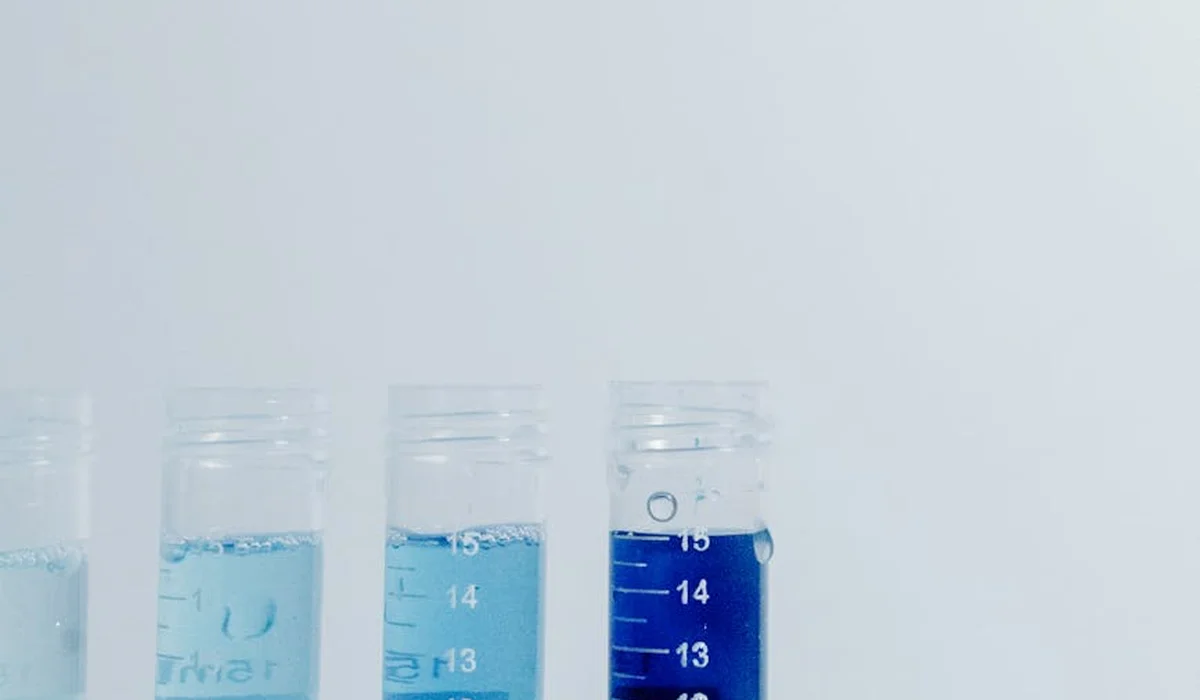
Getting the right kit and treating it well is just as important as performing the test itself. A well-chosen, properly stored kit becomes a trusted advisor for your aquatic world.
Picking the Right Kit for Your Tank Type
Not all test kits are created equal. Your tank’s inhabitants dictate your shopping list. For a beginner-friendly community tank or a Betta like Captain Fin, a master liquid test kit for ammonia, nitrite, nitrate, and pH is your non-negotiable foundation. Strips are tempting for speed, but liquid tests give you the precision needed to catch tiny spikes that can stress fish. Always test water parameters before adding new fish to ensure the tank is ready. This helps prevent sudden ammonia or nitrite spikes from stressing newcomers.
If you’re nurturing a planted tank with critters like Shadow the Corydoras, you’ll venture further. You’ll want a KH (carbonate hardness) and GH (general hardness) kit to ensure your shrimp and plants thrive, and a phosphate test to manage algae. For a goldfish tank like Goldie’s home, nitrate testing becomes a weekly ritual due to their heavy bio-load.
Saltwater and reef tanks demand an entirely different arsenal. Start with the basics, but quickly expand to test for:
- Calcium and Alkalinity: The building blocks for coral skeletons.
- Magnesium: Supports calcium and alkalinity balance.
- Phosphate: Even tiny amounts can stifle coral growth.
This is part of a complete guide on water hardness and alkalinity in aquariums. Understanding these metrics helps reef tanks stay stable and healthy.
Storage and Shelf Life: Keeping Kits Accurate
Think of your test kit reagents like perishable food; heat and light are their enemies. I learned this the hard way when an old ammonia kit stored near a sunny window gave me a false “all clear” reading. Always store your kits in a cool, dark, and dry cupboard, not in a humid bathroom or hot garage. This simple step extends their useful life dramatically.
Most liquid reagents have a shelf life of 1-2 years. Write the purchase date on the box with a marker. If the liquid color looks off or tests seem inconsistent, it’s time for a new kit. For powder-based tests, clumping is a dead giveaway that moisture has crept in and compromised the results.
Beyond the Basics: When to Test for Rare Parameters
You don’t need to test for everything every week. Advanced parameters are your diagnostic tools for specific puzzles. Reach for a copper test kit if you’ve treated fish for parasites, as copper lingers and can harm invertebrates like shrimp and snails. A sudden, stubborn algae bloom is your cue to test for phosphates and silicates, which often sneak in via tap water or overfeeding.
In my own aquascaping projects, I test for iron and potassium when my red plants lose their vibrant shimmer. If you’re trying to breed soft water species, testing for TDS (Total Dissolved Solids) with a handheld meter gives you a superb overall picture of water purity. These are tools for when you’re fine-tuning your aquarium’s masterpiece, not for daily maintenance.
FAQs
Where can I find aquarium testing kits near me?
Aquarium testing kits are commonly sold at local pet stores, aquarium specialty shops, and large chain retailers like Petco or Petsmart. It’s advisable to call ahead to confirm stock, as availability can vary by location. Additionally, some hardware stores with pet sections may carry basic kits for urgent needs.
Is it reliable to buy aquarium testing kits on Amazon?
Yes, Amazon is a reliable source for purchasing aquarium testing kits, offering a wide selection from trusted brands with customer reviews. To ensure quality, buy from authorized sellers and check product expiration dates upon delivery. Reading reviews can help you choose accurate and long-lasting kits for your tank.
What do Reddit communities recommend for aquarium testing kits?
On Reddit, communities like r/Aquariums frequently recommend liquid test kits, such as the API Master Test Kit, for their precision in monitoring water parameters. Users share firsthand experiences with different brands, discussing reliability and ease of use. Browsing these forums can provide valuable insights before making a purchase. Regular testing helps you maintain proper water parameters in your aquarium. It reduces surprises and supports a stable, healthy environment for your aquatic life.
Where can I purchase aquarium testing kits in Australia?
In Australia, aquarium testing kits are available at pet store chains like Petbarn, online retailers such as Aquarium Products or Fishkeeper, and through local fish clubs. When ordering online, consider shipping times and costs, and verify that instructions are suited to Australian water conditions for accurate testing. If you’re wondering which are the best water testing kits for aquarium cycling, choose kits that reliably measure ammonia and nitrite (as well as nitrate and pH). Look for clear color charts and quick results to monitor the cycle effectively.
Your Path to Pristine Water Starts Here
Make weekly testing with a reliable liquid-based master kit your non-negotiable aquarium habit, as this routine is the single most effective way to spot invisible problems before they harm your fish. For best results, follow a simple step-by-step guide to test your aquarium water properly, from sampling to interpreting the results. By understanding what the results mean for your specific tank community, you transform simple data into a powerful tool for creating a stable, thriving ecosystem.
Consistent water testing is the cornerstone of responsible fishkeeping, a direct reflection of your commitment to the well-being of your aquatic pets. Regularly test and monitor your tank water to track essential parameters of fish tank water quality. This proactive approach helps you catch problems early and maintain a healthy environment. Let your curiosity grow with your tank-seek out knowledge from reputable sources and connect with fellow hobbyists to keep learning and improving your aquatic craft.
Further Reading & Sources
- Individual Test Kits – Aquarium & Aquaculture – Products
- Aquarium Test Kits | Amazon.com
- Fish Tank Water Testing | PetMD
- Water Test Kits – KGTropicals
- What test kits should I buy for my aquarium or planted tank?
Lia is an expert in aquarium and pet fish care. Having worked in the marine industry and having cared for multiple pet fish, she has acquired first hand expertise on aquarium care, maintenance and setup. She always brings her practical expertise and science to help solve any aquarium related queries.
Water Quality