
Water Hardness and Alkalinity Decoded: Your Blueprint for Aquarium Stability
Hello fellow fish keepers! Does your tap water leave mysterious white crust on glass, or do your prized fish seem off despite pristine filters? You are not alone-mastering water hardness and alkalinity is the silent game-changer for a vibrant tank.
This guide cuts through the confusion and gives you actionable steps. We will cover:
- The real difference between general hardness (GH) and carbonate hardness (KH) and why both matter
- Selecting affordable, accurate test kits and interpreting the results like a pro
- Safe, step-by-step methods to raise or lower hardness using natural solutions or commercial products
- Matching your water parameters to the specific needs of common fish, from bettas to corydoras
- Preventing sudden pH crashes and algae blooms through alkalinity management
With years of hands-on experience maintaining high-tech planted tanks and breeding sensitive fish, I have navigated these exact water chemistry puzzles to create thriving aquatic homes.
Defining Water Hardness (GH) and Alkalinity (KH)
What is General Hardness (GH)?
General Hardness (GH) measures the dissolved calcium and magnesium ions in your aquarium water. It tells you if your water is soft or hard. In my planted tanks, I track GH because fish like Captain Fin, my crowntail betta, naturally prefer softer water with lower mineral content. It’s all part of a complete guide to water hardness. We’ll also cover KH, testing methods, and ideal ranges for different setups.
You’ll often see GH reported in degrees (dGH) or parts per million (ppm). For example, water from 0-4 dGH is very soft, while over 14 dGH is considered very hard. That white, crusty scale on your heater or glass is a classic sign of high GH, showing excess calcium carbonate.
Here’s what GH directly influences in your tank:
- Fish scale integrity and skeletal development
- Proper egg hardening during fish breeding
- Efficiency of plant nutrient absorption
What is Carbonate Hardness (KH)?
Carbonate Hardness (KH), or alkalinity, measures your water’s buffering capacity from carbonates and bicarbonates. It’s your pH’s personal bodyguard. Early on, I neglected KH and faced a sudden pH crash that left my fish gasping; now I test it every week. That steady KH is what helps prevent pH shock during water changes. Keep KH stable to buffer the new water and protect your fish.
KH neutralizes acids produced by fish respiration, waste, and decomposing organic matter. Think of KH as a chemical sponge that soaks up excess hydrogen ions before they can make the water acidic.
The Direct Link Between KH and pH
KH and pH are intimately connected. The carbonate ions in your KH directly counteract acids that lower pH. If your KH is too low, your pH becomes unstable and can swing dramatically, which is dangerous for sensitive species.
I visualize it like this: a higher KH gives your pH a wider, safer platform to sit on. For every 1 dKH of carbonate hardness, your water can buffer a significant amount of acid, creating a stable environment for your community.
Why GH and KH Are Vital for Fish and Plant Health
How Mineral Balance Affects Fish Physiology
Fish depend on minerals in the water for critical bodily functions, primarily osmoregulation. This is how they balance internal fluids and salts. If GH is too low, fish like Shadow, my corydoras, expend extra energy to maintain this balance, leading to stress and a weakened immune system.
Different fish are adapted to specific mineral profiles. Bettas thrive in soft, low-GH water, while goldfish like Goldie are more flexible and can handle moderate to hard water conditions.
An imbalance can cause visible issues:
- Low GH may result in poor fin development and lethargy.
- Extremely high GH can strain kidneys in some species.
KH’s Role in Preventing pH Swings
KH is the cornerstone of a stable aquarium. Daily biological processes constantly release acids; without KH, pH can plummet overnight. I maintain a KH of at least 4-6 dKH in my tanks to prevent those scary, rapid pH crashes that harm fish.
This stability is not just for fish. Consistent pH from adequate KH allows beneficial bacteria in your filter to work efficiently and plants to uptake nutrients predictably.
The Impact on Plants and Overall Ecosystem Balance
Aquatic plants use calcium and magnesium from GH to build cell walls and conduct photosynthesis. In my experience, a GH around 6-8 dGH supports lush plant growth without promoting excessive algae.
When GH and KH are in sync, your entire tank ecosystem finds its rhythm. The water clarity improves, fish exhibit vibrant colors and natural behaviors, and plants grow vigorously, creating a resilient, beautiful underwater world.
You can maintain this balance with a simple routine:
- Test both GH and KH with a reliable liquid test kit during weekly water changes.
- Adjust parameters slowly using products like remineralization salts for RO water or natural methods like adding driftwood to lower hardness.
- Watch your tank’s response-happy fish and steady plant growth are your best indicators.
Finding the Perfect Range: GH and KH for Your Aquarium Type

Getting your general hardness (GH) and carbonate hardness (KH) dialed in makes your fish feel right at home. Think of it like setting the perfect room temperature—everyone is more comfortable and healthier when their environment matches their natural needs. Ideal parameters aren’t the same for every fish—different species have different preferred ranges. Some do best in softer, acidic water, while others thrive in harder, alkaline conditions.
Freshwater Community Tank Parameters
For a mixed tank with fish like tetras, guppies, and mollies, you want a middle-of-the-road balance. I shoot for a GH of 6 to 10 dGH and a KH between 4 and 8 dKH, which keeps the water stable for most common species. Equally important is choosing compatible fish for your community tank—select species with similar water needs and temperaments. A thoughtful mix reduces stress and helps everyone show their best colors. This range supports everything from finicky plants to active swimmers without stressing anyone out. My community tank, which houses fish similar to Captain Fin and Shadow, thrives with these parameters, and I notice brighter colors and more natural behaviors when I keep things steady.
Temperature matters too, so pair this with a cozy 74°F to 78°F. Regular testing is your best friend here, as tap water can vary and throw off your careful balance after a water change.
Specialized Biotopes: Soft Water vs. Hard Water Setups
When you venture into specialized tanks, you’re recreating a specific slice of nature. Soft water setups, with low mineral content, mimic rainforest streams, while hard water tanks echo rocky African lakes. Your choice here dictates everything from the fish you can keep to the types of plants that will grow.
Example Setup: A Hard Water Mbuna Tank
African cichlids from Lake Malawi, like Mbuna, are hard water champions. For a thriving group, aim for a GH of 15 to 20 dGH and a KH of 10 to 15 dKH, with a pH holding steady at 8.0 to 8.5. I use aragonite sand or crushed coral in the filter to naturally buffer the hardness. A tank of at least 55 gallons is necessary for their territorial nature, and keep the temperature warm at 78°F to 80°F. The high mineral content brings out incredible blues and yellows in these fish, but it will melt most delicate plants, so stick with tough species like Anubias.
Example Setup: A Soft Water Blackwater Biotope
This setup is all about tannins and acidic, mineral-poor water for fish like Neon Tetras or Wild Betta species. Target a very soft GH of 1 to 4 dGH and a low KH of 0 to 3 dKH, which lets the pH drift down to a gentle 5.5 to 6.5. I achieve this by filtering water through peat moss or adding Indian almond leaves. A 20-gallon long tank works well, heated to 80°F to 82°F. The tea-colored water isn’t dirty-it’s a protective, calming environment that reduces stress and encourages breeding behaviors in shy species.
Testing Your Water: Accurate Measurement of GH and KH
You can’t manage what you don’t measure, and guessing your water hardness is a fast track to unhappy fish. Accurate testing removes the mystery and lets you make confident adjustments to your aquarium’s chemistry.
Choosing the Right Test Kit
Test strips are quick but often unreliable for precise numbers. I always recommend a liquid drop test kit for GH and KH, like those from API or Salifert, because they give you repeatable, accurate results you can trust. They might seem fiddly at first, but the few extra minutes are worth it for the clarity they provide. I’ve caught many potential problems early by using these over strips.
Step-by-Step Guide to Performing a KH and GH Test
- Gather your clean test tube, reagent bottles, and the instruction card.
- Fill the tube to the line with water from your tank.
- For KH: Add the KH reagent one drop at a time, swirling after each drop, until the solution changes from blue to yellow. Count the drops.
- For GH: Use a separate tube. Add the GH reagent until the color shifts from orange to green, counting the drops.
- Multiply the number of drops by the kit’s conversion factor (usually each drop equals 1 dGH or 1 dKH).
Write the numbers down in a log-this history is gold for spotting trends before they become emergencies.
Interpreting Results and When to Test
A single test gives you a snapshot, but testing over time shows you a movie. If your KH is below 3 dKH, your pH can crash suddenly; if your GH is above 15 dGH, many soft water plants will struggle to grow. Test your water every week when you’re setting up a new tank or after changing your decor. For an established, stable aquarium, testing once a month is usually sufficient. Sudden changes in fish behavior, like Goldie foraging less or Shadow hiding more, are your cue to test immediately.
Safe Adjustment Methods: Changing GH and KH in Your Tank
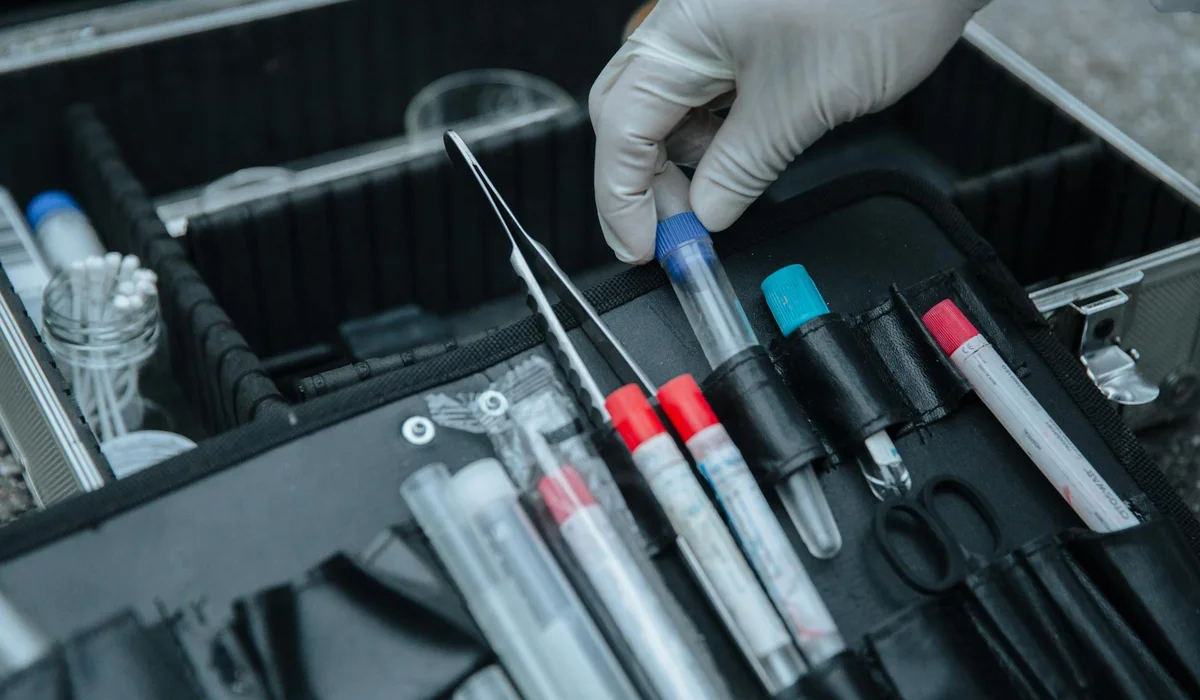
Changing your water’s mineral content must be done with a gentle, steady hand. Rapid swings in GH or KH are far more dangerous to fish than staying at a stable, but non-ideal, level. Always test before you adjust and make changes gradually over days or weeks, not in one dramatic pour.
How to Increase Water Hardness and Alkalinity
If your water is too soft for your livestock, you’ll need to add minerals back in. This is common for African cichlids or livebearers like guppies. The most reliable long-term method is using a remineralizing product designed for aquariums, as it offers predictable, balanced results. You can mix it into water during your regular changes for perfect consistency.
DIY Method: Using Cuttlebone or Baking Soda
For a softer boost, two household items can help in a pinch. Cuttlebone, found in the bird aisle, slowly leaches calcium carbonate. Just wedge a small piece in your filter or tank. It gently raises both GH and KH. Baking soda to raise KH quickly, but not GH. Using baking soda to adjust KH is a common, targeted approach to raise and stabilize aquarium pH. Pair it with regular KH and pH testing to avoid overshoot and keep your tank chemistry steady.
- For Baking Soda: Dissolve 1 teaspoon per 5 gallons in a separate container of tank water, then add it slowly to the tank. This buffers pH to around 8.2.
- Major Caveat: Baking soda adds sodium, which plants and some sensitive fish don’t love. It’s a temporary fix, not a complete mineral solution.
How to Decrease Water Hardness and Alkalinity
Softeners, tannins, and acids-the goal is to remove or neutralize dissolved minerals without shocking the ecosystem. It’s trickier than increasing hardness. Your best starting point is to dilute your hard tap water with pure, soft water like Reverse Osmosis (RO) or distilled water during changes. This gives you precise control.
The Role of Water Conditioners and Softening Pillows
Be wary of chemical shortcuts. Some water conditioners claim to “neutralize” heavy metals, which can slightly lower GH. Ion-exchange softening pillows or peat granules in the filter will pull calcium and magnesium out, replacing them with sodium or hydrogen ions.
- Softening Pillows: They work but exhaust quickly and need frequent recharging with salt, which can spike sodium levels.
- Peat Moss: Releases tannic acid, softening water and lowering pH naturally. It stains the water a tea-like color, which many fish adore.
I prefer natural dilution with RO water and peat for a blackwater biotope over chemical resins, as it creates a more stable and natural environment.
Pro Insights and Common Misconceptions Demystified
After years of testing water and observing fish like my feisty betta Captain Fin and shy corydoras Shadow, I’ve learned that folklore often clouds the facts about water chemistry.
Myths About Water Hardness and Fish Acclimation
The biggest myth is that “fish will adapt to whatever water you have.” While tough species like goldfish might tolerate a range, their physiology is set for specific mineral levels. Constant exposure to very soft water can actually leach essential salts from a hardwater fish’s body, leading to long-term stress and organ failure. True acclimation happens over generations, not in a single fish’s lifetime.
Another misconception is that KH only matters for pH. It’s your tank’s invisible shield against pH crashes; without it, a single bacterial bloom can acidify your water overnight, risking a total collapse. Even my hardy Goldie the Oranda wouldn’t be safe from that.
DIY Hacks for Stable Mineral Balance
For a set-it-and-forget-it mineral source, try a limestone or wonder stone aquascape for hardwater tanks. They dissolve aesthetically over years. In my softwater planted tanks, I keep a bag of crushed coral in the filter media basket. It dissolves only when the pH dips too low, acting as a self-regulating safety net. This passive method prevents the rollercoaster of manual dosing and creates a resilient mineral buffer that responds to the tank’s own needs.
Integrating GH/KH Management into Your Maintenance Routine
Don’t make GH and KH an afterthought. Test them every time you test for ammonia and nitrites—at least once a week for a new tank, and monthly for an established one. Record the numbers in a log; seeing the trend over time is more valuable than any single measurement. The goal is a straight, stable line, not a perfect number.
Common Questions
What is the main difference between aquarium water hardness (GH) and alkalinity (KH)?
General Hardness (GH) specifically measures the amount of dissolved calcium and magnesium in the water, which is crucial for fish physiology and plant health. Alkalinity (KH) measures the water’s buffering capacity, or its ability to neutralize acids and keep the pH stable. While both involve dissolved minerals, they serve very different primary functions in your aquarium’s ecosystem. Understanding GH and KH together helps you gauge overall water hardness and stability in your tank. This knowledge is essential when learning how to manage GH and KH in your aquarium.
Is my regular tap water automatically safe if it’s “hard” or “soft” for my fish?
Not necessarily. Tap water parameters can vary greatly and may not match the natural habitat of your specific fish. While general hardness (GH) is a factor, you must also test for alkalinity (KH), pH, chlorine, and chloramines. Simply knowing your water is “hard” doesn’t tell you if the mineral profile is balanced and safe for your particular aquarium inhabitants. Regular testing and monitoring of essential water quality parameters helps keep your tank healthy and stable. This includes GH, KH, pH, ammonia, nitrite, nitrate, chlorine, and chloramines.
How do hardness and alkalinity specifically affect breeding fish in my aquarium?
Proper mineral levels are critical for successful breeding. Many fish species require specific general hardness (GH) levels for proper egg hardening and embryo development. Furthermore, a stable alkalinity (KH) prevents harmful pH swings during the sensitive breeding period, which can otherwise stress parents or harm vulnerable eggs and fry.
If my pH is stable, do I still need to worry about alkalinity (KH)?
Yes, absolutely. A stable pH is often a direct result of having sufficient alkalinity (KH). If your KH is too low, your pH stability is on borrowed time and can crash suddenly from normal biological processes. Regularly testing KH is how you proactively prevent dangerous pH instability before it affects your fish and filter bacteria.
Mastering Your Aquarium’s Foundation
Consistently test and gently adjust your water’s hardness and alkalinity to create a stable, comfortable environment tailored to your specific fish. Stability prevents stress, so use reliable methods like remineralizing reverse osmosis water or natural decor to maintain these levels without sudden swings.
Caring for an aquarium is a rewarding commitment to understanding and respecting the delicate balance of life in water. Let your curiosity guide you to learn more each day, ensuring your underwater world remains a healthy, shimmering home for all its inhabitants.
Further Reading & Sources
- Aquarium Water Quality: Total Alkalinity and Hardness
- 4.5. Water Hardness, GH and KH in the Aquarium
- The Fish Keeper’s Guide to pH, GH, and KH | Water Chemistry 101 – Aquarium Co-Op
- How to Adjust Water Hardness in the Aquarium – Buce Plant
- What is water hardness and alkalinity in fish tanks and can someone explain it to me Throughly? Throughly, please! – Quora
Lia is an expert in aquarium and pet fish care. Having worked in the marine industry and having cared for multiple pet fish, she has acquired first hand expertise on aquarium care, maintenance and setup. She always brings her practical expertise and science to help solve any aquarium related queries.
Water Quality