
Crystal Clear Views: Choosing the Best Algae Scrapers for Your Aquarium
Hello fellow aquarists! That frustrating green film on your glass is a common battle, stealing the shimmer from your fish’s scales and clouding your hard work. Picking the perfect algae scraper transforms a tedious chore into a swift, satisfying swipe that keeps your underwater world vibrant.
This guide walks you through every consideration to make your tank sparkle. We’ll explore:
- The real-world showdown between magnetic scrubbers and long-handled blade tools
- Selecting scrapers based on your tank size, glass thickness, and algae stubbornness
- Affordable daily drivers versus premium tools worth the investment
- Safe cleaning protocols for acrylic tanks and dense planted aquascapes
- Proven techniques to reduce how often you even need to scrape
My years of experience maintaining high-tech planted tanks and breeding delicate fish have taught me that the right tool is the cornerstone of a healthy, beautiful aquarium.
Why You Need the Right Algae Scraper for a Healthy Tank
Think of algae not just as a green smudge on the glass, but as a blanket that steals light and competes with your live plants for nutrients. Using the correct scraper is about protecting your entire ecosystem, not just achieving a spotless view. I learned this the hard way when a cheap, abrasive pad scratched my acrylic tank, creating hazy grooves where new algae loved to grow, dimming Goldie’s bright orange glow.
An improper tool can stress your fish, leave microscopic cracks for bacteria, or even release toxins from damaged algae cells into the water. Your goal is to remove the algae efficiently without harming the tank’s inhabitants or its structure. For shy bottom-feeders like Shadow, a sudden, clumsy scrape overhead can feel like an earthquake, sending him darting for cover.
The right tool makes maintenance fast and safe, preserving the crystal clarity that lets you enjoy every detail of your underwater world. Regular, gentle cleaning with a purpose-built tool is far better for long-term tank health than occasional aggressive scrubbing.
Understanding Different Types of Aquarium Cleaning Tools
Your cleaning arsenal should match your tank’s specific needs. Just like fish have different personalities, from Captain Fin’s feisty nature to Shadow’s shyness, each cleaning tool has a dedicated job it excels at. Mixing them up can lead to damaged tanks and frustrated fish keepers. Understanding the role clean up crews in freshwater tanks is part of getting this balance right. Knowing which crew handles which task helps you choose tools that support them without disturbing the tank’s harmony.
- For the glass or acrylic walls: Magnetic cleaners, handheld scrapers, and blades.
- For decorations and hard-to-reach spots: An assortment of brushes and pads.
- For comprehensive tank hygiene: Gravel vacuums and siphons work in tandem with your scraping.
Magnetic Algae Cleaners: The No-Mess Marvel
These two-part cleaners, with one magnet inside the tank and another outside, are a game-changer for daily touch-ups. Magnetic cleaners let you wipe away fresh green film without getting your arms wet, which is a blessing for deep tanks or busy schedules. I use one on my betta’s tank to quickly clear the front glass before feeding time, and Captain Fin now associates its movement with dinner, swimming right up to it.
They come with different pad materials for glass or acrylic. Always check the pad’s roughness; a felt pad for acrylic can scratch glass, while a coarse pad for glass will ruin an acrylic surface. The gentle hum of the magnet gliding across the pane is a satisfying sign of proactive care.
Handheld Scrapers and Blades for Precision Cleaning
When algae gets stubborn or grows in tight corners, a handheld tool gives you the control you need. These are your surgical instruments for targeted algae removal, especially for the hard, spot-like algae that magnetic pads might skip over. I keep a razor-blade scraper handy for the waterline gunk that builds up in Goldie’s tank, where her constant foraging stirs up debris, despite my best efforts at controlling algae in the planted sections.
Glass Aquarium Scraper vs. Acrylic Aquarium Scraper
This distinction is non-negotiable for tank safety. Glass scrapers often use sharp, replaceable razor blades that can shave off even the toughest calcium deposits and green spot algae. They are my go-to for my standard glass tanks, offering a crisp, clear scrape with minimal pressure.
For acrylic, you must use a plastic blade or a dedicated acrylic scraper, as even a single swipe with a metal blade will leave permanent, cloudy scratches. Acrylic tools use softer plastics and require more passes, but they preserve the tank’s flawless clarity. It’s a lesson in patience that pays off. To prevent scratches when cleaning your fish tank, use plastic or acrylic-safe scrapers and gentle, even strokes.
Brushes, Pads, and Siphons: The Support Crew
Algae doesn’t just grow on glass; it coats driftwood, clings to filter intakes, and carpets rocks. Targeting algae on aquarium decorations and rocks is a common maintenance task. Keeping rocks clear of algae helps maintain water quality and overall tank balance. A set of various brushes—bottle brushes, angled brushes, and soft-bristled plant brushes—lets you clean decorations without removing them, which keeps your fish calm and your bacteria colonies intact. I use a soft toothbrush to gently whisk algae off the broad leaves near where Shadow likes to hide.
Melamine foam pads (like aquarium-safe magic erasers) are fantastic for scrubbing glass on empty tanks or tackling external surfaces. Never use household sponges or scouring pads, as they often contain soaps or antimicrobial agents that are toxic to fish.
Your gravel vacuum is the final partner in crime. Siphoning after you scrape suspends algae and waste in the water column, allowing you to physically remove it from the tank instead of just redistributing it. This one-two punch of scraping and siphoning is how you maintain that perfect, healthy water clarity.
How to Choose the Perfect Algae Scraper for Your Tank
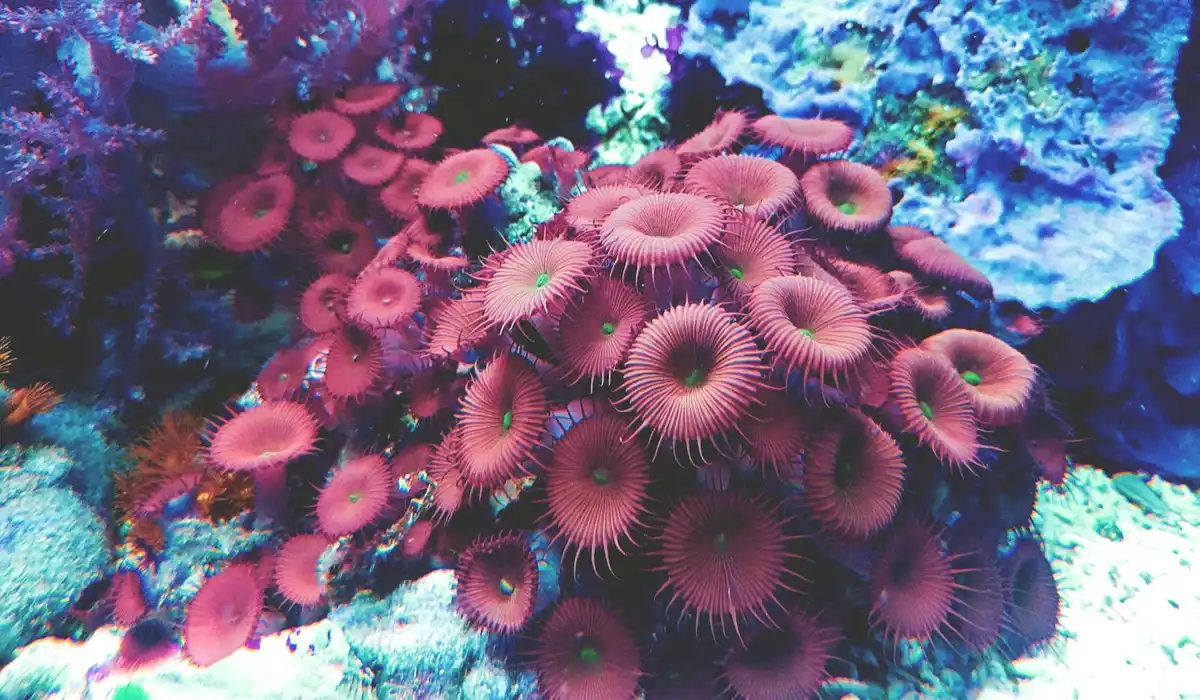
Walking into a fish store, the wall of cleaning tools can be overwhelming. I’ve bought my share of duds that broke in a week or scratched a pane. The right choice comes down to three simple, but critical, factors that will save you money and protect your tank. These are essential aquarium cleaning supplies that every hobbyist should have on hand. Investing in the right tools now saves headaches later.
First Consideration: Glass or Acrylic Tank Walls?
This is the most important question, and getting it wrong can permanently ruin your view. Glass tanks are hardy and can handle stainless steel razor blades or stiff plastic scrapers. Acrylic, however, scratches incredibly easily-think of it like a plastic smartphone screen.
For acrylic, you must use tools specifically labeled for it, which have softer blades or pads. I keep a dedicated acrylic-safe magnetic cleaner for my nano tank; using my glass scraper on it even once would leave permanent marks. Always double-check your tank material before any blade touches the surface; when in doubt, go with the softer, acrylic-safe option.
Matching Tool to Tank Size and Algae Type
Your tank’s dimensions and the algae’s texture dictate the best tool for the job. A long-handled scraper is non-negotiable for a deep 75-gallon tank, while a simple magnetic cleaner works wonders on a standard 20-gallon. Check out our guide on how to clean different sized fish tanks for more tips tailored to your tank’s size.
Look at the algae itself. Is it a soft, green film or hard, stubborn green spot algae?
- Soft Green Algae: Felt pads, sponges, or magnetic cleaners with a felt surface often wipe this away effortlessly.
- Hard Green Spot Algae: This requires a sharp edge. A razor blade on a handle (for glass) or a dedicated plastic scraper with a stiff, replaceable blade (for acrylic) is your best bet.
- Hair or Thread Algae: A toothbrush or a specialized algae scrubber with bristles can twirl and pull it off the glass.
I keep two tools on hand: a razor scraper for the weekly green spots on my glass tanks and a soft pad for quick touch-ups on film algae.
Evaluating Durability and Your Budget
The cheapest scraper might seem like a win, but if the handle snaps or the magnet falls apart, you’re buying another in a month. Look for solid construction-a metal blade holder that doesn’t wiggle, or a magnetic cleaner with strong, sealed magnets.
Consider long-term costs. A tool with replaceable blades or pads is often more economical than replacing the entire unit. Investing a few extra dollars in a durable, reliable tool means less hassle during cleaning sessions and more time enjoying the shimmer of your fish instead of fighting with equipment.
Step-by-Step Guide to Using Your Algae Scraper Safely
Having the right tool is only half the battle. Proper technique keeps your fish stress-free and prevents accidents. I’ve learned this routine through trial and error, especially with skittish fish like my corydoras, Shadow.
Preparation: Setting the Stage for a Clean Tank
Never just start scraping. First, unplug your heater and filter. A heater exposed to air can crack, and you don’t want to suck dislodged algae gunk into your filter impeller.
Do a partial water change of 10-20% before you scrape. This lowers the nutrient-rich particles you’ll stir up, preventing them from immediately feeding another algae bloom. Have your siphon ready to quickly remove any large floating clumps you dislodge.
The Cleaning Motion: Technique Matters
Use slow, steady strokes. Jerky movements startle fish and are less effective. For magnetic cleaners, move the outside cleaner slowly and let the inside piece follow; forcing it can cause it to slip and trap substrate, scratching the glass.
If using a razor or blade scraper, always hold the blade at a 45-degree angle to the glass. Use gentle pressure and let the sharp edge do the work. Avoid digging the corner of the blade into the silicone seams at the tank corners, as you can accidentally cut or weaken the seal.
When cleaning near the substrate, be extra cautious. Gently push the blade or pad *away* from the gravel or sand to avoid dragging substrate particles up the glass, which creates horrific scratches. Your bottom-dwellers will thank you for the peace.
Building Your Complete Aquarium Cleaning Toolkit
Think of your cleaning toolkit as a fishkeeper’s first-aid kit; having everything in one place saves you from frantic searches during routine maintenance. A dedicated caddy or bucket filled with the right tools transforms a chore into a smooth, almost therapeutic process. I keep mine under my 20-gallon community tank, ready for action whenever Shadow’s corydoras kick up a dust storm from the sand.
Your core kit should address every surface and function: glass, substrate, water, and decor. Investing in quality tools from the start prevents scratches on your tank and stress for your fish, saving you money and heartache later. A cheap, abrasive pad might seem like a good deal, but one wrong move can permanently mar your view of Goldie’s graceful swim.
Beyond the Scraper: Essential Tools for Routine Maintenance
A magnetic scraper or long-handled blade is just the beginning. True tank clarity comes from a suite of specialized helpers. Each tool in your arsenal targets a specific problem, making your weekly water changes efficient and thorough. Here is my non-negotiable list, honed from years of keeping everything from bettas to goldfish.
- Gravel Vacuum or Siphon: This is your water change workhorse. A good siphon pulls out water while vacuuming debris from the substrate. For fine sand like in Shadow’s corner, use a vac with a flow control valve to avoid sucking it all up.
- Flexible Algae Pads: These are for the nooks and crannies. I use a separate, softer pad for the acrylic filter housing and tricky decor spots where algae loves to hide from Captain Fin’s watchful eye.
- Dedicated Aquarium Scissors and Tweezers: Plant maintenance is part of cleaning! Stainless steel tweezers let you plant stems without uprooting everything, and curved scissors trim overgrown leaves neatly.
- A Fleet of Buckets: Label them clearly. One is for clean, dechlorinated water only. Another is strictly for waste water. This cross-contamination prevention is the cheapest insurance policy you can buy for your fish’s health.
- A Soft-Bristled Brush Set: Small brushes clean filter intakes, heater surfaces, and the inside of plumbing tubes. I use an old toothbrush for my sponge filters-it dislodges gunk without damaging the foam.
Pro tip: For small tanks under 10 gallons, consider a mini turkey baster; it’s perfect for spot-cleaning leftover food without a full siphon setup. This simple hack has saved my betta’s tank from many a tiny ammonia spike.
Care and Storage of Your Cleaning Tools
Neglecting your tools is like using a dirty sponge to wash dishes-you’re just moving problems around. Proper care extends the life of your tools and, more critically, stops you from introducing pathogens or chemicals into the aquarium. I made this mistake once and spent weeks battling a mysterious biofilm; now, my tool hygiene is non-negotiable.
Follow this simple routine after every use:
- Rinse Thoroughly: Rinse all tools-scrapers, siphons, buckets-in hot tap water immediately after use. Remove all visible debris and algae.
- Air Dry Completely: Store nothing while wet. Let all tools air-dry fully in a clean, dust-free area to prevent mildew and bacterial growth.
- Periodic Deep Clean: Once a month, soak removable parts in a solution of one part white vinegar to four parts water for 15 minutes to dissolve mineral deposits, then rinse well.
Never, ever use soap or household cleaners on any item that will touch your tank water; even a tiny residue can be deadly to fish. For storage, a ventilated toolbox or a hook system on the wall keeps everything organized and dry. I keep my algae pads in a sealed baggie to keep them dust-free, ensuring my next glass scrape starts with a clean swipe. If you ever need to clean fish tank with vinegar, diluted with water is a safe alternative—rinse thoroughly and dry before returning items to the tank. Vinegar leaves no soapy residue that could harm fish once it’s completely rinsed away.
FAQs
What is the best algae scraper for acrylic aquariums?
The best scraper for acrylic is a tool specifically designed for acrylic, such as a magnetic cleaner with a soft felt pad or a handheld plastic blade scraper. These prevent permanent scratches that metal blades can cause. Always verify the tool is labeled acrylic-safe to preserve your tank’s clarity and longevity.
What is the best algae scraper for a reef tank?
For reef tanks with sensitive corals, a rust-proof magnetic cleaner with a non-abrasive pad is often ideal. It allows gentle, efficient cleaning without disrupting invertebrates or leaching harmful materials. Ensure the tool is safe for saltwater use to maintain a stable environment for your marine life.
What is the best algae scraper for curved glass?
Curved glass requires a flexible scraper, such as a handheld model with a bendable head or a specialized magnetic cleaner designed for curved surfaces. These tools conform to the glass shape, providing thorough coverage without scratches. Avoid rigid scrapers that may leave algae in hard-to-reach areas.
What is the best algae scraper according to Reddit communities?
On Reddit forums like r/Aquariums, popular recommendations include magnetic cleaners like the Flipper for daily use and handheld razor blade scrapers for stubborn algae on glass tanks. Users emphasize choosing based on tank material and algae type, often favoring tools with replaceable parts for cost-effectiveness and durability. When cleaning glass specifically, opt for tools that minimize scratching and use gentle, steady strokes to lift algae off the surface. Regular, light-cleaning routines help keep glass clear and reduce stubborn buildup.
Your Clear View Awaits
The right tool makes all the difference, so match your scraper to the algae you fight and always opt for gentle, non-scratch materials like acrylic-safe blades and reliable magnet cleaners. A consistent, gentle cleaning routine with the proper gear protects your viewing pane and keeps your underwater world thriving without stress.
Great aquarium keeping is a journey of constant learning, where even routine tasks like glass cleaning deepen your connection to the ecosystem you nurture. Every time you maintain that crystal-clear view, you’re directly contributing to the health and happiness of the vibrant life, like Captain Fin or Shadow, that depends on you – as explained in our aquarium cleaning and maintenance guide.
Further Reading & Sources
- MuFan Aquarium Algae Scraper Review – Spec-Tanks
- r/ReefTank on Reddit: Anyone have good algae scraper suggestions
- Top Five Beginner Algae Scrapers – My First Fish Tank
- 7 Fish Tank Algae Scrapers Tried And Tested! – Glass Box Diaries
- Amazon Best Sellers: Best Aquarium Algae Scrapers
Lia is an expert in aquarium and pet fish care. Having worked in the marine industry and having cared for multiple pet fish, she has acquired first hand expertise on aquarium care, maintenance and setup. She always brings her practical expertise and science to help solve any aquarium related queries.
Algae Control