
Crystal Clear Tanks Start Here: Your Guide to the Best Aquarium Filter Media
Hello fellow fish keepers! Is your aquarium water perpetually cloudy, no matter how much you tinker? That dream of flawless, shimmering water is closer than you think, and it all hinges on the unsung hero inside your filter.
This guide cuts through the confusion and lays out a clear path to pristine water. We’ll cover:
- how different filter media types-mechanical, chemical, and biological-tackle specific problems
- the perfect layering order to trap debris, remove toxins, and host beneficial bacteria
- simple, routine maintenance steps to prevent media from becoming a nitrate factory
- cost-effective media choices and smart DIY hacks that rival premium products
I’ve spent years breeding fish and managing complex planted systems, dialing in this exact balance for my own aquariums.
Understanding Your Filter’s Three Jobs
Think of your filter not as one gadget, but as a tiny, hardworking crew with three very different specialties. Getting crystal clear water means making sure all three jobs-mechanical, biological, and chemical-are covered by the right media in your filter box. Miss one, and you’re asking for cloudy water or unhappy fish.
The Sieve: Mechanical Filtration Media
This is your first line of defense. Mechanical media acts like a sieve, physically trapping floating gunk before it clouds your view or decays. You hear the gentle hum of the filter, and see debris get pulled right in. The key is to use a layered approach, starting with coarse foam to catch big bits and ending with fine floss for polish.
I always keep a coarse sponge pad in my filter’s first chamber; it snags plant bits and leftover food from Shadow’s messy bottom-feeding sessions. Replace or rinse mechanical media in old tank water during changes to preserve bacteria. It’s especially important to know how to clean different types of aquarium filters, like sponge, canister, and HOB filters, as each requires specific care.
- Filter Sponges: Durable, reusable, and great for housing beneficial bacteria too. Pore size from coarse to fine.
- Filter Floss/Polyfill: Super fine, brilliant for that final polish. It’s cheap but needs frequent replacement.
- Filter Pads: Often combine mechanical and chemical layers. Handy, but can be less customizable.
The Invisible City: Biological Filter Media
This is where the real magic happens for fish health. Biological media is a porous apartment complex for nitrifying bacteria-an invisible city that processes toxic ammonia from fish waste. Without a stable biological filter, even clear water can be a deadly trap for your fish. The surface area is everything.
In my betta tank for Captain Fin, I use a small bag of ceramic rings because they offer massive surface area in a compact form. The water clarity from mechanical media means nothing if ammonia spikes from his hearty meals.
- Ceramic Rings/Noodles: Highly porous, lightweight, and my long-term favorite for establishing a robust bacterial colony.
- Bio-Balls: Often used in wet/dry filters. Great for oxygen exposure, but can be bulky in hang-on-back filters.
- Lava Rock: A natural, affordable option you can rinse and reuse for years. It adds a rustic, DIY touch.
The Magnet: Chemical Filtration Media
Chemical media works like a magnet, actively pulling dissolved impurities from the water column that other filters miss. Use this media tactically for specific problems like odors, medication removal, or tannin-stained water. It’s not always needed, but it’s a powerful tool.
When I used almond leaves for Shadow’s comfort, the water turned tea-colored. A pouch of activated carbon cleared it up in two days, restoring that sparkling shimmer. Remember, chemical media becomes exhausted and must be replaced.
- Activated Carbon: The classic choice. It absorbs odors, medications, and yellowing compounds. Replace it monthly.
- Seachem Purigen: A synthetic resin that is rechargeable. It outperforms carbon on organic waste, making water exceptionally clear.
- Phosphate Removers: Specialized media like GFO that combat algae fuel. Ideal for planted tanks or tanks with messy eaters like Goldie.
Choosing the Right Media Team for Your Tank
There’s no single “best” media. The perfect team depends on your tank’s residents, size, and your goals. Balancing these media types is like crafting a personalized recipe for your aquarium’s ecosystem. A heavy-stocking goldfish tank has wildly different needs than a serene betta bowl.
Matching Media to Common Aquarium Types
Let’s match media to real-world setups. I’ll use examples from my own tanks to give you a clear picture.
The Betta Sanctuary (5-10 gallons, like Captain Fin’s home):
- Mechanical: A fine filter sponge. Bettas dislike strong flow, so sponge filters are excellent dual-purpose units.
- Biological: A small handful of ceramic rings or the sponge itself provides ample surface area for one fish.
- Chemical: Use a mini carbon pouch only after medicating or to remove tannins. Not for everyday in a lightly stocked tank.
The Goldfish Powerhouse (30+ gallons, for friends like Goldie):
- Mechanical: Heavy-duty! Layer coarse and fine filter floss. Goldies are waste machines; you’ll rinse mechanical media weekly.
- Biological: Maximize surface area. Pack a canister filter with ceramic media and bio-balls to handle the immense bioload.
- Chemical: Purigen is a star here. It helps manage the organic waste that leads to cloudy water and algae.
The Planted Community Tank (20+ gallons, with fish like Shadow):
- Mechanical: Standard filter pad followed by filter floss. This protects your pump from soil substrate particles.
- Biological: Ceramic rings or lava rock. The plants also help, but your filter needs to be a dependable bacterial fortress.
- Chemical: Often skipped to preserve fertilizers, but a phosphate remover can be useful if algae appears.
Your filter media is the unsung hero. Take time to observe your tank’s specific needs – the clarity of the water after feeding, the behavior of your fish – and adjust your media team accordingly. A little customization goes a long way.
The Best Mechanical Media for Polished Water

Mechanical filtration is your first line of defense, grabbing visible debris like fish poop, leftover food, and plant matter before it decays. The goal is crystal clarity, and that starts with trapping particles so your biological filter can focus on the invisible toxins. If you want to learn more, check out how a fish tank filter works.
From my years of running tanks, I’ve found a few standout performers. Filter floss is my go-to for a final polish; its dense fibers catch the tiniest silt that makes water look hazy. Just be ready to replace floss weekly, as it clogs fast and can restrict water flow if neglected.
Coarse sponge pads are the durable workhorses, perfect for catching larger chunks and are easy to rinse and reuse. For sump or canister users, filter socks offer immense surface area and are brilliant for heavy bioload tanks like the one housing my always-foraging Goldie. Each type has its place, and layering them correctly is the real secret to that polished, shimmering water we all love.
Step-by-Step: Building a Mechanical Filtration Stack
Think of your filter as a multi-stage sieve. You want to catch big stuff first, then finer particles. Here’s how I build my stack for optimal clarity and flow.
- Start with a coarse sponge. Place this first in the water’s path. It catches large debris and protects finer media from clogging too quickly.
- Add a medium-density sponge. This layer snags mid-sized particles and provides additional surface for beneficial bacteria to grow.
- Finish with fine filter floss or a polishing pad. This is your final polish, removing the microscopic silt that causes cloudiness. I change this layer every week in my betta tank to keep Captain Fin’s water impeccable.
Always arrange media so water flows from coarse to fine; reversing this will cause immediate clogging and reduce filtration efficiency dramatically. Rinse coarse and medium sponges in old tank water during water changes to preserve bacteria while removing gunk.
The Best Biological Media for a Stable Ecosystem
Biological media is the silent powerhouse, providing a home for the nitrifying bacteria that convert harmful ammonia and nitrite. A stable ecosystem hinges on having ample, porous surface area for these bacteria to colonize and thrive.
Ceramic rings or cylinders are a classic choice, loved for their incredible porosity. In my community tank, the bacteria living on these rings keep the water safe for shy bottom dwellers like Shadow. Different aquarium types do call for different filtration approaches, so the best setup can vary from a community tank to reef or heavily planted aquariums. Understanding those differences helps tailor media choices to each tank’s needs. For high-flow areas, plastic bio-balls are fantastic because they won’t break down and create dust that can irritate fish gills.
Newer options like sintered glass media offer staggering surface area in a small footprint, a game-changer for crowded sumps. No matter what you choose, the key is to never clean biological media with tap water, as chlorine will wipe out your essential bacterial colony.
Ceramic vs. Plastic: A Surface Area Showdown
Choosing between ceramic and plastic bio-media often comes down to surface area and tank setup. Let’s break it down.
| Feature | Ceramic Media | Plastic Media (e.g., Bio-Balls) |
|---|---|---|
| Surface Area | Extremely high due to micro-pores. One liter can have a surface area rivaling a football field. | Moderate. Designed more for water agitation and oxygen exposure in wet/dry filters. |
| Durability | Can break down over years, potentially shedding fine dust. Handle with care during rinsing. | Virtually indestructible. Won’t degrade or alter water chemistry. |
| Best Use Case | Submerged in canister filters or internal filters where maximum bacterial colonization is needed. | Ideal for trickle filters, sumps, or anywhere high oxygen exchange is a priority. |
| Cost & Maintenance | Generally affordable but may need eventual replacement. Rinse only in dechlorinated water. | Often more expensive upfront but lasts forever. Easier to clean physically. |
I lean towards ceramic for most submerged applications because that immense porous surface creates a bacterial stronghold for handling waste spikes. Plastic bio-balls excel in a sump where their shape promotes oxygen diffusion, boosting bacterial efficiency. Different filter types—sponges, ceramic media, bio-balls, and canister setups—each offer distinct advantages. So, which type is best depends on your tank size, bioload, and how you maintain the system. Your choice should align with your filter type and the bioload of your aquarium residents.
The Best Chemical Media for Targeted Problem-Solving
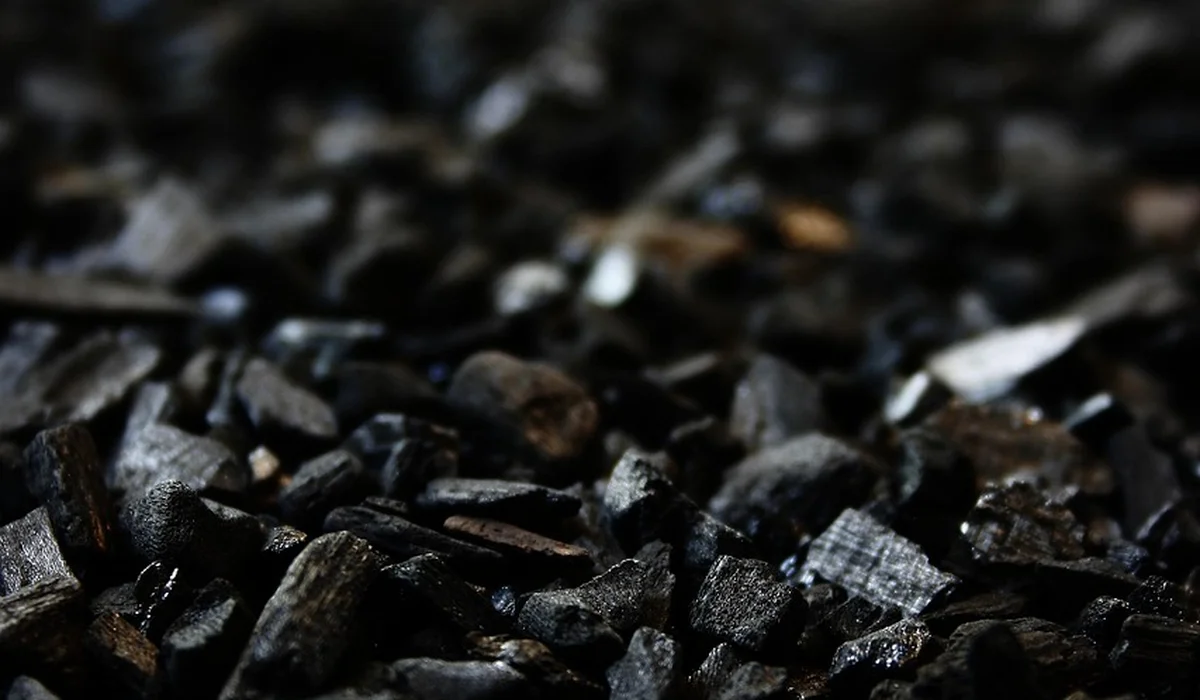
When to Use Activated Carbon and When to Skip It
Think of chemical media as your tank’s specialized toolkit, perfect for tackling specific issues that mechanical and biological filtration can’t handle. Activated carbon is the most famous, but its use is often misunderstood.
I keep a small stash of high-quality carbon for emergencies. Its real power lies in adsorbing dissolved organics, medication residues, and tannins that cause yellow water, giving you that prized crystal clarity almost overnight. The shimmer of your fish’s scales simply pops against that pristine background.
But carbon is not a “set it and forget it” media. It exhausts itself in about 3-4 weeks and then stops working. More importantly, you should skip it during certain times.
- Do Use Carbon: After treating fish with antibiotics or other medications, to polish water for a show-tank look, or to remove mysterious odors.
- Skip Carbon Entirely: When using liquid fertilizers for your plants, as it will strip those nutrients out. Also avoid it if you’re trying to maintain the beneficial tannins from driftwood for soft water fish.
Beyond carbon, other chemical media offer precise solutions. Ion-exchange resins soften hard water, and phosphate-removing media starves out pesky algae. These are your strategic weapons, best deployed for a specific battle rather than left in the filter year-round.
Installing and Caring for Your Filter Media

The Golden Rule of Media Maintenance
You’ve chosen your media, now placing it correctly is key to success. Always follow the water flow path of your specific filter. The water should hit mechanical media first, then biological, and chemical media last if you’re using it.
This sequence catches debris before it can clog your precious biological media, letting those nitrifying bacteria do their job without interruption. The gentle hum of a well-packed filter is a sound of pure efficiency.
- Rinse mechanical media (like sponges or floss) in a bucket of old tank water during a water change to remove gunk.
- Never rinse biological media (ceramic rings, lava rock) under the tap; chlorine will kill your bacteria. Just swish it lightly in tank water if it’s visibly clogged.
- Replace chemical media like carbon or phosphate pads according to the package instructions, as they expire.
The single most important rule for filter media care is this: never replace all your media at once. This catastrophic mistake resets your tank’s cycle by removing the vast majority of beneficial bacteria, potentially spiking ammonia and risking your fish’s health. Learn how often you should replace your filter media to avoid this issue.
Instead, stagger changes. Swap out one piece of old mechanical foam for a new one every few months, leaving the others intact. Your biological media should rarely, if ever, be fully replaced. A slightly “dirty” filter from a bacterial perspective is a healthy, fully-cycled filter that keeps your ecosystem stable and your fish breathing easy.
FAQs
What is the best filter media for removing iron from my water?
For targeted iron removal, a specialized chemical filtration media like Seachem CupriSorb or an ion-exchange resin is most effective. These media are designed to bind with and remove heavy metals like iron and copper from the water column. It is typically used temporarily to solve a specific water quality issue, not as a permanent fixture in your filter.
Do turtle tanks require different filter media than fish tanks?
Yes, turtle tanks often need more robust mechanical and biological media due to their significantly higher waste production. Emphasize coarse and fine mechanical media to handle large debris, and maximize biological media volume with porous ceramics to manage the heavy bioload. Chemical media like Purigen is highly recommended to control organic waste and maintain clarity between frequent maintenance.
How does filter media choice differ for a saltwater aquarium?
Saltwater setups, especially reef tanks, often prioritize chemical filtration to maintain pristine water parameters. Media like GFO (granular ferric oxide) for phosphate control and high-quality carbon for organic removal are common staples. While biological media is still crucial, live rock in the display tank serves as the primary biological filter, reducing the need for extensive internal biological media.
What’s the single best media combination for achieving crystal clear water?
The most effective combination layers all three filtration types: coarse-to-fine mechanical media (sponge then floss) to trap particles, ample porous biological media (ceramic rings) for ecosystem stability, and targeted chemical media (like Purigen) to adsorb dissolved organics. This multi-stage approach tackles clarity from every angle, ensuring water is not only clear but also healthy. Understanding the difference between mechanical, biological, and chemical filtration helps explain why this combination works. Mechanical filtration physically traps particulates, biological filtration relies on beneficial bacteria to process waste, and chemical filtration adsorbs dissolved organics.
Your Filter Media Foundation
For water that truly sparkles, layer your filter with mechanical, biological, and chemical media tailored to your tank’s specific needs. Routine checks and gentle cleaning of these materials will sustain that crystal clarity far longer than any quick fix.
Caring for your aquarium is a continuous journey of learning and adaptation for the sake of your fish’s wellbeing. I encourage you to watch your tank closely, share experiences with other hobbyists, and let each clear water change remind you why this hobby is so rewarding. Over time you’ll learn which maintenance tasks are essential and how often they should be done.
Further Reading & Sources
- Filter Media For Saltwater Tank: Choosing The Best Options For Your Aquarium – Sunnyside Corals
- 7. Aquarium Filter Media
- FilterPlus (Professional Grade Aquarium Filter Bio-Media)
- whats the best filter media | MonsterFishKeepers.com
- r/Aquariums on Reddit: What filter media should i use?
Lia is an expert in aquarium and pet fish care. Having worked in the marine industry and having cared for multiple pet fish, she has acquired first hand expertise on aquarium care, maintenance and setup. She always brings her practical expertise and science to help solve any aquarium related queries.
Filtration Systems