
Algae Wars: Deciding Between Natural and Chemical Treatments for a Healthy Tank
Hello fellow fish keepers! That murky green film on your aquarium glass or the sudden bloom choking your plants is a battle every aquarist faces. Figuring out whether to fight algae naturally or reach for a bottle can be confusing, but I’m here to help you find the clearest path forward for your unique setup.
This guide breaks down the key aspects so you can choose with confidence. We’ll cover:
- The fundamental mechanics of natural algae control, leveraging your tank’s own biology and balance.
- Precise situations where chemical algaecides become a valid tool, and the risks they carry for your ecosystem.
- Head-to-head comparisons on cost, ease of use, and long-term tank health between the two approaches.
- Actionable, step-by-step plans for deploying each method safely and effectively.
- Root-cause fixes and maintenance routines that stop algae before it ever starts.
My advice comes from years of hands-on experience running complex planted systems and breeding delicate fish, dealing with algae in all its frustrating forms.
Understanding Algae: The Green Guest in Your Tank
Think of algae as an uninvited but persistent visitor that shows up when conditions are just right in your aquarium. It’s not inherently bad; in fact, a little can be a sign of a living ecosystem. In your aquarium ecosystem, algae can be good in small, controlled amounts. It can be bad when it overgrows and crowds out other inhabitants. The key is managing its growth so your tank stays a healthy showcase, not a green swamp.
Why Algae Appears: The Trifecta of Growth
Algae needs three things to thrive: light, nutrients, and a stable environment. When these get out of balance, you’ll see a bloom. I learned this the hard way when Goldie’s tank turned pea-soup green after I left the light on for 14 hours a day.
- Light: More than 8-10 hours of bright light, especially direct sunlight, fuels algae. LED intensity matters too.
- Nutrients: Excess fish waste and leftover food raise nitrate (above 20 ppm) and phosphate levels. These are algae fertilizer.
- Carbon Dioxide (CO2): In planted tanks, fluctuating CO2 can give algae an edge over your plants.
Controlling algae starts with testing your water and observing your tank’s daily rhythms. A simple nitrate test kit is your best friend here. In our step-by-step guide to testing your aquarium water properly, you’ll learn exactly what to test (nitrates, ammonia, pH) and how often to test to keep algae under control.
Spotting the Difference: Algae Types at a Glance
Not all algae is the same. Identifying the type tells you what’s out of balance in your tank.
- Green Spot Algae: Hard, green dots on glass and slow-growing leaves. Often means low phosphate or too much light.
- Brown Diatoms: A dusty film that wipes away easily. Common in new tanks and indicates silicates in the water or low light.
- Hair/Thread Algae: Stringy green strands on plants and decor. A sign of excess iron or an imbalance in macronutrients.
- Blue-Green Algae (Cyanobacteria): Slick, smelly sheets that can be blue-green or reddish. This isn’t true algae but bacteria, often thriving in low nitrate or poor flow.
Spotting fuzzy green tufts on my driftwood was my clue to cut back on feeding Shadow’s sinking wafers, as the excess was dissolving into nutrients.
Going Natural: Harnessing Your Tank’s Ecosystem
Natural methods work with your tank’s biology for long-term balance. They require more patience but create a resilient, self-regulating environment. I always try natural routes first, as they’ve saved Captain Fin’s tank from chemical stress more than once.
Manual Removal: Your First Line of Defense
Nothing beats good old-fashioned elbow grease. It gives you immediate results and helps you connect with your tank.
- For glass, use a dedicated algae scraper; a razor blade for acrylic tanks.
- Siphon substrate during water changes to suck up detritus and lurking spores.
- Gently rub affected leaves or remove heavily infested ones to protect plants.
The shimmer of clean glass after a thorough scrape is instantly rewarding and cuts down the algae’s reproductive head start.
The Clean-Up Crew: Fish and Invertebrate Helpers
Introducing natural grazers is like hiring a maintenance team. Choose species that match your tank size and community. That means selecting fish for a community tank with compatible temperaments and similar water needs. Doing so helps prevent aggression and keeps the tank harmonious.
- Amano Shrimp: Excellent for hair and thread algae. They’re busy little workers but need a group of five or more.
- Nerite Snails: Champions at clearing green spot algae from glass without breeding in freshwater.
- Otocinclus Catfish: Gentle algae vacuums for smaller tanks, but they need established biofilms and supplementary food.
- Siamese Algae Eater: The best for tackling stubborn black beard algae. Ensure you get the true species, not look-alikes.
My crew of amanos keeps the anubias leaves in Shadow’s corner spotless, working tirelessly where my hands can’t reach.
Biological Balance: Bacteria and Competing Plants
This is about starving algae out. Beneficial bacteria and fast-growing plants consume the same nutrients algae craves.
- Add floating plants like frogbit or water lettuce to soak up excess nitrates and phosphates, shading the tank slightly.
- Plant densely from the start with stems like hornwort or water wisteria. They outcompete algae for resources.
- Ensure your filter is mature with healthy bacteria to process waste efficiently, keeping nutrient levels low.
A densely planted tank with a steady hum of filtration is your strongest, most beautiful defense against algal takeovers.
The Refugium Method: A Secret Weapon
A refugium is a separate compartment or hang-on chamber where you grow macroalgae, like chaetomorpha. It’s a nutrient export powerhouse.
Light the refugium on a reverse schedule (on when the main tank is off). The macroalgae absorbs nutrients directly from the water column as it grows. You then simply trim and discard the macroalgae, physically removing nutrients from your system. This method, borrowed from reef keeping, works wonders in larger planted tanks over 20 gallons to maintain crystal clear water and stable parameters.
Chemical Solutions: The Fast-Acting Algaecides
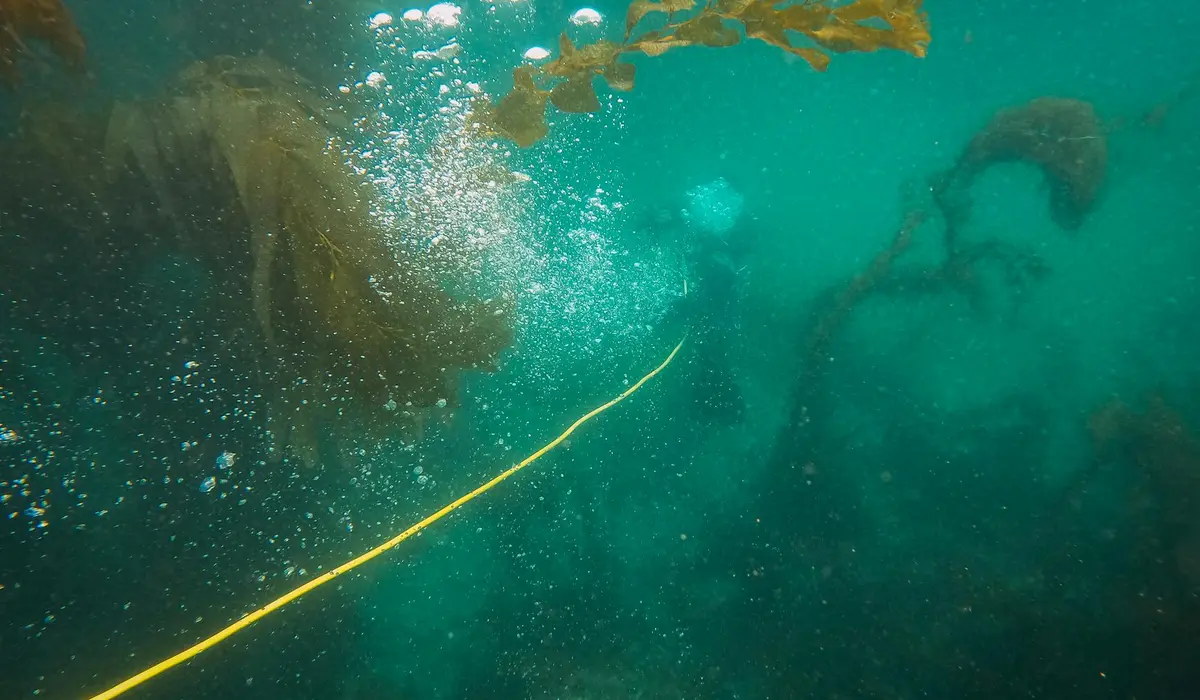
When you’re staring at a tank that’s turned into a green pea soup soup practically overnight, patience can wear thin. This is where chemical algaecides enter the scene, promising a swift and powerful counter-attack.
Types of Chemical Algae Treatments
Not all bottled solutions are the same, and their active ingredients target different problems. Knowing which one you’re using is non-negotiable for your fish’s safety.
- Copper-Based Algaecides: Very effective against stubborn green water and some filamentous algae. Extreme caution is required, as copper is toxic to invertebrates like shrimp and snails, and can harm sensitive fish species.
- Peroxide-Based (Hydrogen Peroxide) Treatments: Often used as a spot treatment. You can apply it directly to clumps of hair or beard algae with a syringe. It breaks down into water and oxygen, leaving no long-term residue.
- Glutaraldehyde-Based Products: Marketed as “liquid carbon” supplements, these are primarily plant fertilizers that have a side effect of inhibiting algae growth. They require careful, consistent dosing.
- Polymer-Based Flocculants: These don’t kill algae but clump free-floating green water cells together so your filter can remove them, clearing the water column quickly.
How Algaecides Work: A Double-Edged Sword
Most algaecides work by disrupting the cellular processes of the algae, causing rapid die-off. Think of it as a targeted herbicide for your aquarium. The immediate visual results can be incredibly satisfying, transforming a murky tank to crystal-clear water in 24-48 hours.
But here’s the critical part everyone must understand: a massive algae die-off is a biochemical event. As the algae cells rupture and decay, they release all their stored nutrients back into the water and consume dissolved oxygen during decomposition. This one-two punch can crash your water quality and suffocate your fish if you’re not prepared.
You must manually remove as much dead algae as possible and consider increasing surface agitation or running an air stone after treatment. I’ve made the mistake of not doing this, and the frantic gasping of my fish at the surface is a mistake I won’t repeat.
The Great Debate: Pros, Cons, and Real-World Efficacy
Choosing a path isn’t about good versus evil; it’s about choosing the right tool for your specific crisis and long-term management style.
Cost and Convenience Comparison
| Method | Upfront Cost | Long-Term Cost & Convenience |
|---|---|---|
| Natural (Biological) | Variable (fish, plants, lights) | Lower ongoing cost. Requires consistent maintenance and observation. |
| Chemical (Algaecides) | Moderate (bottle purchase) | Cost per treatment. Instant, “just add” convenience. Risk of repeated use. |
A squad of Otto catfish might cost more initially than a bottle of algaecide, but they work for you every single day without dosing or risk of overdose. Chemicals are a reactive purchase, while creating a balanced ecosystem is a proactive investment.
Efficacy Showdown: Which Works Faster and Longer?
This is the heart of the debate. Let’s be brutally honest about performance.
- Speed: Chemicals win, hands down. For an emergency like a severe green water outbreak before a family gathering, an algaecide is your fire extinguisher.
- Longevity & Root Cause: Natural methods win the marathon. Algaecides wipe out the symptom but do nothing to address the light, nutrient, or imbalance that caused the bloom. If you don’t fix the underlying condition, the algae often returns with a vengeance once the chemical dissipates.
- Safety Profile: Natural controls, when chosen for compatibility, integrate safely. Chemicals always carry a risk of collateral damage to your cycle, plants, or livestock if misapplied.
In my tanks, I treat chemical algaecides like a potent antibiotic-used sparingly for severe, acute infections only. For chronic, low-level algae, I always turn to the slower, safer tune-up of my tank’s natural balance. The gentle hum of a well-tuned filter and the sight of Captain Fin patrolling a clean leaf beat the silent, uneasy wait after a chemical dose any day.
Safety Check: Protecting Your Fish, Plants, and Microbes
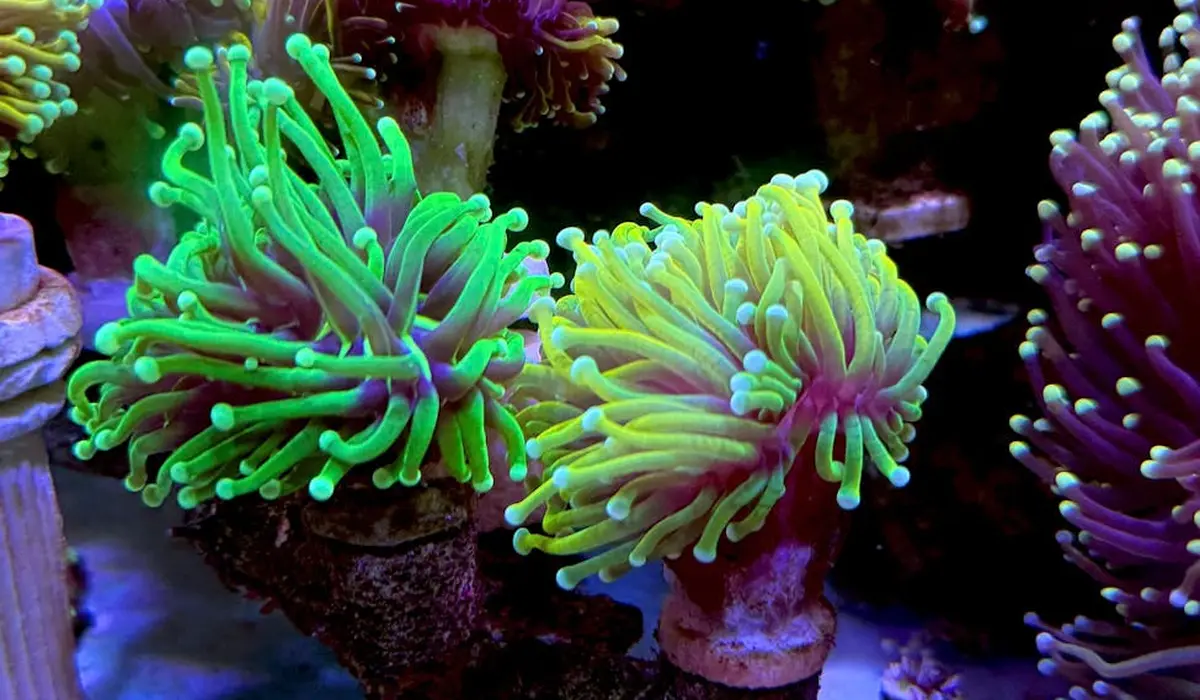
Before you reach for any treatment, pause and consider the living world in your glass box. Your goal isn’t just a clean tank, but a thriving one where every creature, from the tiniest microbe to your flashiest fish, remains safe and healthy.
Chemical Risks: Copper Toxicity and Beyond
Liquid algaecides promise a quick fix, but their ingredients can linger like unwelcome ghosts. Copper is a common culprit, toxic to invertebrates like shrimp and snails at concentrations harmless to fish. I once lost a beautiful ramshorn snail colony because I didn’t realize a “fish-safe” treatment still contained trace copper that accumulated over time.
The risks extend beyond copper. Some chemicals can indiscriminately kill your beneficial filter bacteria, crashing your nitrogen cycle and spiking ammonia. Imagine the clear water clouding overnight-a stressful sight for any aquarist.
- Watch for behavioral clues: Fish like Captain Fin, my betta, will often show clamped fins or dart erratically if water chemistry shifts suddenly from a treatment.
- Know your tank’s inhabitants: Scaleless fish, such as many catfish, and all invertebrates are especially vulnerable to chemical burns and poisoning.
- Always pre-treat: If you must use chemicals, dose half the recommended amount in a separate container of tank water first to observe for reactions.
Natural Method Pitfalls: When Helpers Become a Hassle
Introducing algae-eating crew members feels like a brilliant, self-sustaining solution. However, a pleco or a flock of snails is not a magic eraser. Every new organism adds to your tank’s bioload, producing waste that can decompose into the very nutrients algae love. To understand their role in freshwater tanks, you need to balance their cleaning power with the extra bioload. Clean-up crews are a helpful part of maintenance, not a cure-all.
I’ve seen tanks where an army of algae-eating fish created more problems than they solved, leading to constant ammonia alerts. Even natural additives like almond leaves can lower pH or decompose rapidly, sucking oxygen from the water and gasping fish like Goldie. Often the real issue is waste buildup and insufficient biological filtration, which pushes ammonia high. This highlights common causes of high ammonia in fish tanks and how to fix it: test ammonia levels, reduce feeding, and ensure proper cycling and aeration.
- Right crew for the job: Otocinclus are great for soft algae but are fragile. Larger plecos outgrow most tanks. Research thoroughly before buying.
- Quarantine everything: That “natural” snail from a friend’s tank can introduce parasites. Always isolate new additions for at least two weeks.
- Manage their output: More algae eaters means you must be vigilant about vacuuming their waste from the substrate, especially where bottom-dwellers like Shadow forage.
Natural control is a partnership, not a pardon from routine tank management.
Building a Defense: Long-Term Algae Prevention Strategies
Shifting from reactive treatment to proactive prevention is the secret to a low-maintenance, crystal-clear aquarium. This mindset change transforms algae control from a chore into a seamless part of your fish-keeping rhythm.
Nutrient Control: Starving Algae at the Source
Algae are opportunistic feeders, thriving on excess nitrates and phosphates. Your mission is to limit their buffet. The most effective tool isn’t a bottle from a store, but a consistent water testing and changing schedule.
I test my water every Sunday, aiming to keep nitrates under 20 ppm. Phosphates often sneak in via fish food; switching to a higher quality brand made a visible difference in my tanks. It’s crucial to manage nitrate levels effectively to maintain a healthy aquatic environment.
- Feed smartly: Offer only what your fish can consume in two minutes. For my always-hungry Goldie, I use a sinking pellet to reduce surface waste.
- Embrace fast-growing plants: Species like water sprite or floating frogbit are nitrate sponges, outcompeting algae brilliantly.
- Deep-clean your substrate: Use a gravel vacuum during water changes to remove trapped detritus, a major nutrient reservoir.
Lighting and Maintenance: Your Daily Routine
Light is algae’s engine. Managing your photoperiod is one of the simplest yet most powerful controls you have. An inconsistent light schedule is an open invitation for green film to coat your glass and plants.
I use a simple, programmable LED timer set for 7 hours a day. This mimics a natural environment and prevents me from forgetting to turn lights off, which I did too often early on.
Weave these small tasks into your daily routine to maintain balance effortlessly.
- Morning visual scan: While your coffee brews, glance at the tank. Early algae spots on the front glass are easy to wipe away with a dedicated magnetic cleaner.
- Check filter flow: Listen to the hum of your filter. A weakened flow can signal clogging, reducing water circulation where algae spores settle.
- Evening feeding ritual: Feed your fish, then watch. Scoop out any uneaten food after five minutes to prevent nocturnal decomposition.
This daily connection helps you spot tiny changes before they bloom into big problems, keeping your aquatic ecosystem shimmering and healthy.
Choosing Your Path: A Guide for Your Specific Tank
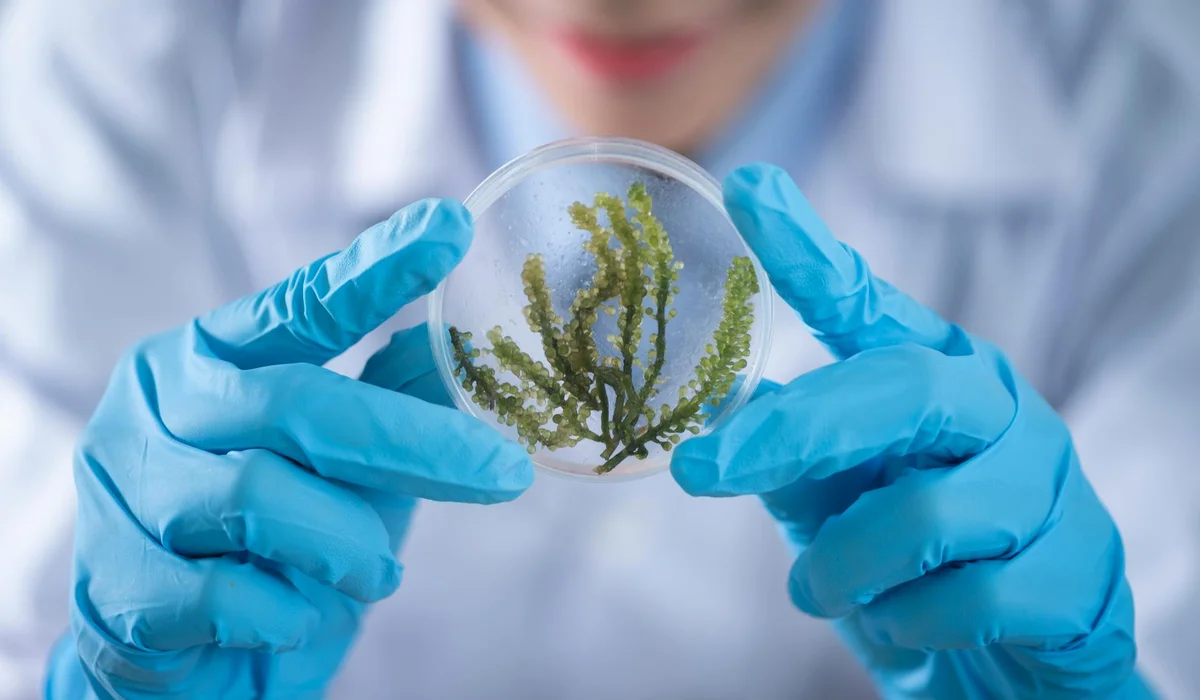
Decision Factors: Freshwater, Saltwater, and Reef Tanks
Your tank’s inhabitants and water type dramatically shift the algae treatment game. In my freshwater planted tank, home to Captain Fin and Shadow, I have a wider safety net to test both natural and chemical approaches without immediate disaster. You can often use liquid carbon as a spot treatment or introduce a troop of nerite snails. Some hobbyists also use UV sterilizers to curb algae in the water column. Used alongside good filtration and regular maintenance, they can complement natural and chemical approaches.
Saltwater environments are less forgiving. The complex chemistry of marine water means a chemical algaecide can crash your pH or oxygen levels faster than you can say “water change.” I rely on natural nutrient export here, like growing macroalgae in a refugium set to a stable 78°F. That’s why the key differences in water chemistry between freshwater and saltwater tanks matter. In saltwater systems, salinity, alkalinity, and calcium management are critical.
Reef tanks are a universe of their own. Corals and delicate invertebrates have zero tolerance for common chemical treatments, especially those containing copper, which is lethal to shrimp and crabs. For any reef system, your first line of defense is always manual removal and optimizing water flow to prevent spore settlement.
Consider your tank’s volume and bioload. A small 5-gallon betta tank with a lone fish like Captain Fin has minimal water to buffer a chemical dose, while a heavy-stocked 55-gallon goldfish tank like Goldie’s can mask nutrient problems that need natural, systemic fixes. Larger volumes sometimes handle treatments differently. For bettas, the ideal tank size is 5 gallons or more to provide better water stability and swimming space. In practice, a 10-gallon setup is a comfortable and forgiving choice for a single betta.
Making the Call: A Simple Flowchart for Action
Break down your decision with this straightforward action plan. Start by asking one simple question: “Can I see my fish clearly, or is the algae taking over the view?”
- Identify Your Tank Type
- Freshwater: Proceed to step 2. Most options are open.
- Saltwater or Reef: Skip chemical treatments. Focus on natural controls like increasing protein skimmer efficiency or adding copepods.
- Audit Your Tank’s Health
- Test your water for nitrates and phosphates. If nitrates are above 20 ppm, a series of 25% water changes is your new best friend.
- Check your lighting period. Reduce it to 6-8 hours daily for a week and observe.
- Choose Your Initial Treatment
- For minor algae on glass or decor: Use a magnetic algae scraper and increase your cleanup crew. I added two more corydoras after Shadow’s success.
- For persistent filamentous algae: In a hardy freshwater tank, a one-time dose of an algaecide labeled for your tank size can work, but follow it with activated carbon in the filter after 48 hours.
- For reef or sensitive tanks: Employ a turkey baster for blow-off and consider a temporary blackout for 3 days, ensuring aeration continues.
- Monitor and Adjust
- Watch your fish’s behavior. If Goldie seems lethargic or Captain Fin loses his vibrant color, perform an immediate water change and halt any treatment.
- Re-test your water parameters in 3 days. Stability is your goal.
This methodical approach prevents knee-jerk reactions. I used this very checklist when a stubborn brown diatom bloom appeared, and balancing my phosphate remover media with reduced feeding solved it naturally.
Common Questions
Are natural algae treatments safe for all fish and invertebrates?
Yes, when chosen correctly, natural methods are inherently safer. Introducing species-specific cleanup crews like Amano shrimp or Nerite snails poses minimal risk compared to chemicals. However, always research compatibility, as some algae-eating fish may not suit your tank’s environment or could bother other inhabitants.
How do I use natural algae treatment for a fish tank?
Implement a multi-pronged natural approach. Start by manually removing visible algae and then introduce a cleanup crew suited to your algae type. Simultaneously, add fast-growing plants to outcompete algae for nutrients and ensure your filtration is optimal to process waste efficiently. It’s crucial for a good algae control strategy.
Can natural algae treatment work for water features like fountains?
Absolutely, though the methods differ from enclosed aquariums. For small, ornamental water features, barley straw bundles or beneficial bacteria products are effective natural options. Increasing water circulation and providing shade can also significantly prevent algae growth without harming any decorative plants or wildlife.
What is the best natural algae treatment for a garden pond?
For ponds, natural treatment focuses on balance at a larger scale. Introducing floating plants like water lilies for shade and marginal plants to consume nutrients is highly effective. Additionally, installing a UV clarifier, which uses ultraviolet light to kill free-floating algae cells, is a popular and fish-safe mechanical solution for green water.
Your Clear-Water Journey Ahead
For a thriving tank, start with natural methods like optimizing light and nurturing live plants to outcompete algae; chemical treatments are a precise tool best used as a targeted, last-resort solution when all else fails. The healthiest approach balances patience with proactive tank maintenance.
Great fish keeping comes from a commitment to observing your underwater world and adapting your care over time. Embrace the learning process, and you’ll build not just a clearer tank, but a more resilient and beautiful ecosystem for your fish.
Further Reading & Sources
- Algae Control: Effective Solutions for Ponds and Lakes
- Algae Control for Ponds
- Chemical Algae Control – Hurth Waterscapes
- Frontiers | Remarkable Natural Biological Resource of Algae for Medical Applications
- QUESTION OF THE DAY – Dealing with pests: What chemical treatments do you use to treat unwanted algae? | Reef2Reef
Lia is an expert in aquarium and pet fish care. Having worked in the marine industry and having cared for multiple pet fish, she has acquired first hand expertise on aquarium care, maintenance and setup. She always brings her practical expertise and science to help solve any aquarium related queries.
Algae Control