
Betta Fish Tank Setup: The Truth About Size and Environment for a Thriving Fish
Hello fellow fish keepers! If you’ve ever brought home a betta only to see it listless in a tiny bowl, you know the heartache of an improper setup. Getting the tank size and environment right is the single most important step to seeing your betta’s colors pop and personality shine.
This straightforward guide will walk you through everything you need to know, covering key aspects like:
- The definitive tank size that prevents stress and disease
- Critical equipment choices for heating and filtration
- Water chemistry secrets for crystal-clear health
- Aquascaping with live plants and safe decorations
I’ve spent years running complex planted systems and breeding fish like my own betta, Captain Fin, so I can help you sidestep the common pitfalls.
How Big Should Your Betta Tank Be?
Choosing the right tank size is the single most important decision you’ll make for your betta’s well-being. A proper home impacts everything from their lifespan to their vibrant colors. When you pick a tank, do choose the right aquarium size for your fish species to ensure comfort and stable water conditions. Bettas especially benefit from appropriately sized setups that accommodate their activity and space needs.
A cramped tank is a stressful environment that weakens a betta’s immune system and stunts their natural behaviors.
The 5-Gallon Minimum: A Non-Negotiable Starting Point
For a single betta, a 5-gallon tank is the absolute smallest you should consider. This isn’t just an opinion; it’s about water chemistry. In a smaller volume, waste products like ammonia and nitrites can spike to toxic levels in mere hours, poisoning your fish.
- Stable Water Parameters: More water dilutes toxins, making the environment safer and more stable between water changes.
- Room to Explore: Bettas are curious and will patrol their territory. A 5-gallon tank gives them space to move and exercise.
- Thermal Stability: A larger water volume holds heat better, preventing dangerous temperature swings that stress your fish.
Small bowls and “betta kits” under 2.5 gallons are harmful because they cannot maintain a stable nitrogen cycle, effectively forcing your fish to live in its own waste.
Why a 10-Gallon Tank is a Game-Changer
While a 5-gallon tank is the minimum, a 10-gallon (approximately 38 liters) tank is where your betta will truly thrive. The benefits of this extra space are undeniable.
- Easier Maintenance: The larger volume is more forgiving. You have more time to react to water parameter issues, making your job easier.
- Community Potential: A 10-gallon tank opens up the possibility of adding a few peaceful tank mates, like a small group of pygmy corydoras or some shrimp.
- Enhanced Aquascaping: You can create a more complex and beautiful environment with more plants, rocks, and hiding spots, which reduces stress.
In my experience, bettas kept in a 10-gallon or larger aquarium are noticeably more active, display brighter colors, and exhibit fewer stress-related behaviors like glass surfing.
Special Cases: Fry and Giant Bettas
Standard rules have exceptions. Betta fry, for instance, are often raised in smaller, shallow tanks initially so they can easily reach the surface for food and air. Giant bettas, which are selectively bred to be much larger, have greater needs.
- Betta Fry: Start in a 1-2 gallon grow-out tank but must be upgraded as they mature.
- Giant Bettas: These fish can reach 3-4 inches and require a 10-gallon tank as a minimum, with 15-20 gallons being ideal.
Step-by-Step Guide to Setting Up Your Betta Tank
Setting up a new tank is exciting! In this step-by-step guide for your first fish tank, we’ll walk you through each essential stage. From choosing equipment to cycling the tank, you’ll be ready for success. Following these steps in order will set you up for long-term success and a very happy fish.
-
Choose the Right Location
Place your tank on a sturdy, level stand away from direct sunlight and drafts. Sunlight causes massive algae blooms, and drafts from windows or air vents make it impossible for your heater to maintain a steady temperature. -
Add a Safe Substrate
Rinse your chosen substrate thoroughly until the water runs clear. I recommend smooth gravel or sand. Avoid sharp, coarse gravel that can snag and tear your betta’s delicate, flowing fins. A depth of 1.5 to 2 inches is perfect for planting. -
Install a Gentle Filter
Bettas originate from slow-moving waters and hate strong currents. Use a filter with an adjustable flow, like a small hang-on-back or a gentle sponge filter. A sponge filter is my top choice as it provides excellent biological filtration with virtually no current. -
Set Up the Heater
Bettas are tropical fish and require a consistent water temperature between 78-80°F (25-27°C). Use a submersible aquarium heater with an integrated thermostat. Always use a separate aquarium thermometer to double-check the temperature, as heater dials can be inaccurate. -
Decorate with Hiding Spots and Plants
This is where you make the tank a home. Bettas need places to rest near the surface and hide when they feel shy. Use tall plants, driftwood, and betta hammocks. Always choose silk or live plants over plastic, as sharp plastic leaves are a common cause of fin damage. -
Fill with Water and Begin Cycling
Fill the tank with dechlorinated water. Pouring water onto a small plate or bag placed on the substrate prevents it from disturbing your layout. Then, you must begin the nitrogen cycle, a process that grows beneficial bacteria before you add your fish. This can take 4-6 weeks and is the most critical step for a healthy tank.
Essential Equipment for a Healthy Betta Habitat
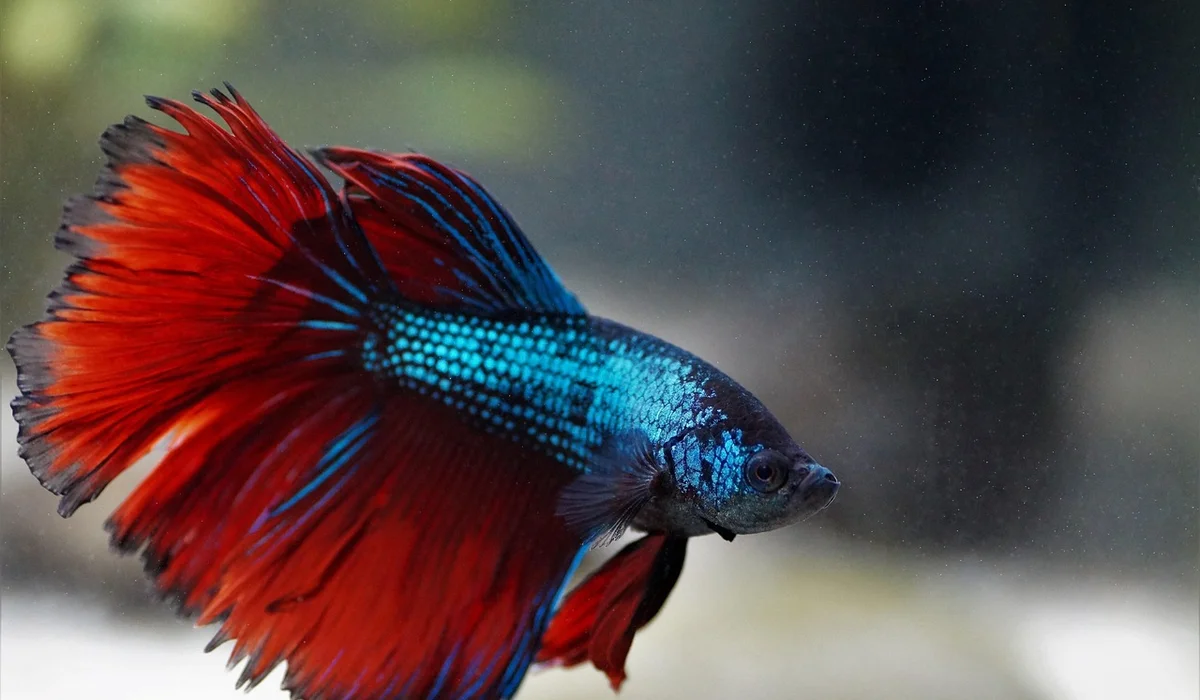
Creating a comfortable home for your Betta goes far beyond just a bowl of water. The right gear makes the difference between a fish that merely survives and one that truly thrives, showing off its vibrant colors and feisty personality.
Non-Negotiable Must-Haves
- Filtered Tank: A gentle filter is non-negotiable. Sponge filters are my top pick because they provide excellent biological filtration without creating a strong current that can batter your Betta’s long fins.
- Adjustable Heater: Bettas are tropical fish. An adjustable heater maintains the steady 78-80°F (25-27°C) they need for strong immune systems and active behavior.
- Reliable Thermometer: Don’t guess the temperature. A simple stick-on or digital thermometer lets you verify your heater is working correctly at a glance.
The Heart of a Healthy Tank: Biological Filtration
Your filter does more than just clear debris; it houses beneficial bacteria that process toxic fish waste. This invisible biological filter is the single most critical component for long-term water quality and your Betta’s health. Without it, ammonia from waste builds up, silently poisoning your fish.
Setting the Mood with Lighting
Bettas prefer soft, gentle light, not the intense, bright beams meant for growing dense plants. I recommend using a simple LED light on a timer for 6-8 hours a day to mimic a natural day/night cycle and significantly reduce algae growth. Too much light stresses them and turns your tank green.
Safe and Cozy Decorations
Those magnificent fins are delicate. Always run a piece of pantyhose over decorations; if it snags, it can tear your Betta’s fins. Choose silk plants or smooth resin ornaments over rough plastic ones, and include live plants like Java Fern or Anubias, which provide perfect, soft resting spots. Captain Fin, my own Betta, spends hours lounging on the broad leaves of his Anubias.
Optional: Air Stones for Stagnant Spots
In very still tanks, especially smaller ones, the water surface can become stagnant. If you notice a filmy layer on the water, a small air stone on a very low setting can gently ripple the surface to improve gas exchange without creating a current. For most well-filtered tanks, this isn’t necessary.
Water Parameters and Cycling Your Betta Tank
Perfect water chemistry is the secret to a vibrant, healthy Betta. Think of it as creating a pristine, balanced environment where they can truly shine.
The Perfect Betta Water
Bettas are adaptable but flourish in stable conditions. Aim for a neutral pH between 6.5 and 7.5. You can easily test this with a liquid test kit, which is far more accurate than test strips and gives you real control over your aquarium’s environment. The general hardness (GH) and carbonate hardness (KH) are also important for stability, with a moderate GH being ideal.
Understanding the Nitrogen Cycle
This is the most important concept for any new aquarist to grasp. The nitrogen cycle is the tank’s natural waste processing system. Beneficial bacteria grow in your filter and substrate, converting toxic ammonia from fish waste into nitrite, and then into much less harmful nitrate. A “cycled” tank has a fully established colony of these bacteria.
Establishing Your Biological Filtration
You can’t rush this process. The simplest way to start is by adding a small pinch of fish food to an empty, running tank every day. As the food decomposes, it produces ammonia, which feeds the bacteria and allows the colony to slowly build up over 4-8 weeks. Seeding your filter with media from an established, healthy tank can dramatically speed this up.
Clear, odorless water is a sign of a well-balanced ecosystem. Maintaining stable, cycled water conditions is your number one defense against common Betta illnesses like fin rot and ich, which often flare up due to stress from poor water quality.
Choosing Your Cycling Method
You have two main paths to a cycled tank, and the choice impacts your Betta’s well-being from day one.
- Fishless Cycling: This is the method I strongly recommend for all beginners. You set up the tank and establish the bacteria colony before any fish are added. It requires patience but is completely humane and prevents your fish from being exposed to toxic ammonia and nitrite.
- Fish-In Cycling: This involves adding the Betta to a new, uncycled tank and requires intense, daily monitoring of water parameters with frequent partial water changes to keep toxin levels low. It’s a high-stress method for both the fish and the owner and is much riskier.
Whichever method you choose, your best tools are a liquid test kit and a healthy dose of patience. Regular testing is the only way to know exactly what is happening in your water and when your tank is truly safe and stable for its new resident. Essential aquarium water testing kits are easy to use—keep them on hand and use them regularly to monitor ammonia, nitrite, nitrate, and pH so you can catch issues early.
Daily and Weekly Betta Tank Maintenance
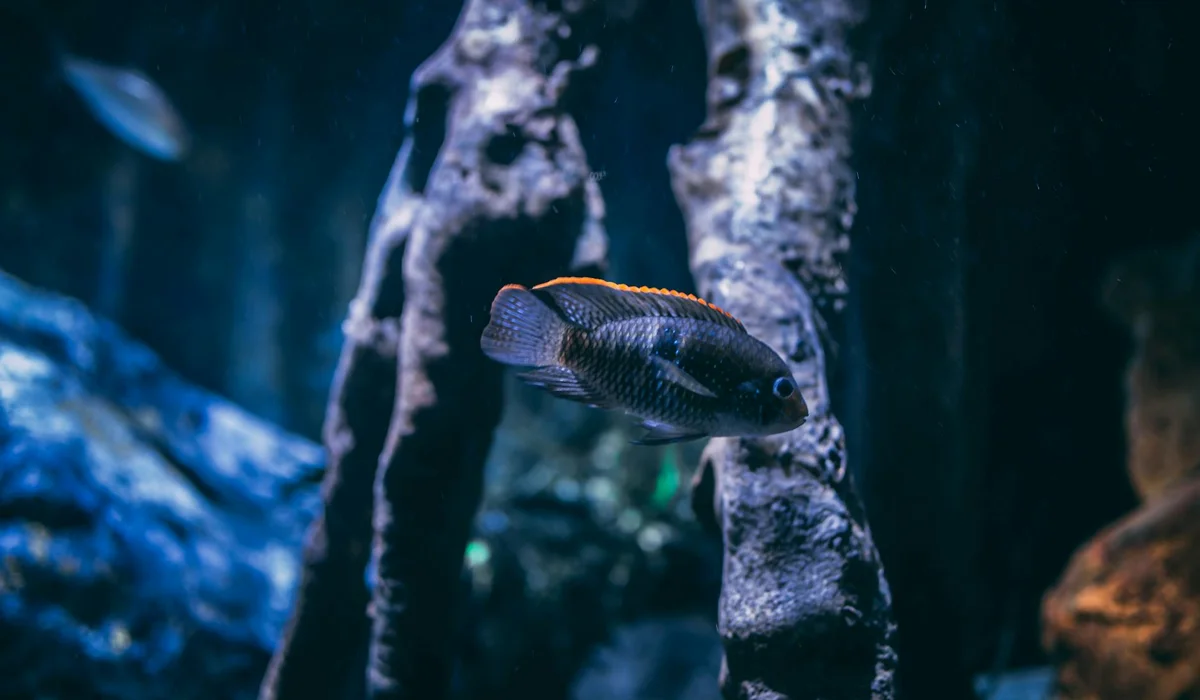
Consistency is the secret ingredient to a thriving betta tank. A simple, regular routine prevents big problems and keeps your fish’s world stable and healthy. Wondering what bettas eat? Check out our complete feeding guide for betta fish.
- Check water temperature and heater function daily. I take a quick glance at my tank’s thermometer every morning. Bettas need steady warmth between 78-80°F (25-27°C). A sudden drop can weaken their immune system. You’ll quickly learn the gentle hum of a working heater is a comforting sound.
- Perform partial water changes of 25-30% weekly. This is non-negotiable. Siphon out old water and replace it with fresh, dechlorinated water that’s been temperature-matched. This weekly refresh dilutes toxins and replenishes essential minerals, making your betta’s colors truly pop.
- Clean substrate with a gravel vacuum to remove waste. As you remove water, push the gravel vacuum into the substrate. It acts like a shop-vac for fish poop and leftover food. Cleaning the gravel prevents toxic gas pockets from forming and keeps the water crystal clear.
- Prune plants and wipe algae from glass as needed. Overgrown plants can block light and swimming space. Use clean aquascaping scissors to trim them. A simple algae magnet or a clean cloth works for the glass. A quick wipe-down restores that beautiful, shimmering view of your underwater garden.
- Test water parameters regularly to catch issues early. Once a week, test for ammonia, nitrite, and nitrate. Your goal is always zero ammonia, zero nitrite, and nitrates under 20 ppm. Think of this like a weekly health report card for your aquarium’s water.
Betta Tank Mates: Friends or Foes?
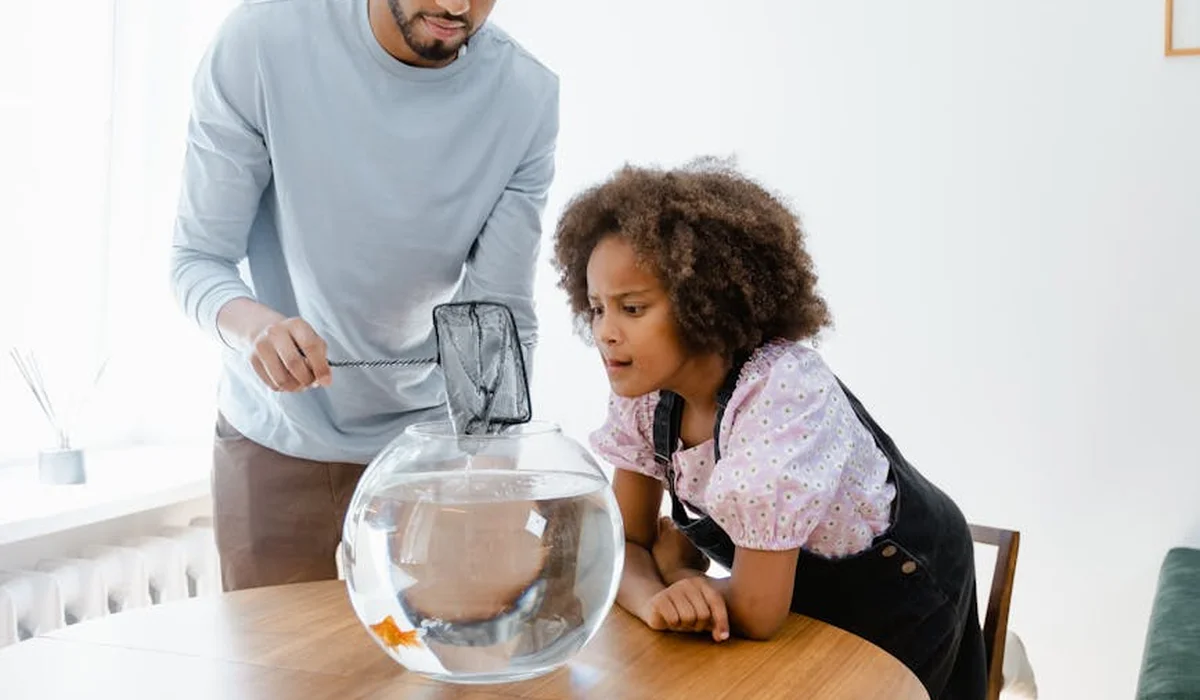
My betta, Captain Fin, is a perfect example of a fish with a big personality. He flares at his reflection and claims the entire tank as his kingdom. This territorial nature makes choosing roommates a delicate process.
- Discuss betta personality and compatibility risks. Male bettas are often solitary by nature. Their long, flowing fins can be mistaken for a rival by other fish, triggering aggression. Putting a betta in a community tank is a gamble that depends entirely on your individual fish’s tolerance.
- List safe tank mates like snails or certain small, peaceful fish. The safest choices are creatures that mind their own business. Nerite snails are fantastic algae-eaters that bettas usually ignore. In a larger tank (15+ gallons), small, calm schooling fish like ember tetras or harlequin rasboras can sometimes work. Bottom-dwellers like pygmy corydoras are also excellent as they occupy a different water level.
- Warn against aggressive or fin-nipping species. Avoid other brightly colored, long-finned fish like guppies, which can be seen as rivals. Never house two male bettas together. Fish known for fin-nipping, such as some barbs or tiger barbs, will see your betta’s gorgeous tail as a target. Introducing a bully can lead to torn fins, constant stress, and a very unhappy betta.
- Suggest observing behavior and having a backup plan. Always monitor new introductions closely for several days. Look for signs of chasing, hiding, or flaring. You must have a separate, cycled quarantine tank ready to go in case the experiment fails and you need to separate fish immediately.
FAQs
What are some common misconceptions about betta tank size discussed on Reddit?
On Reddit and other forums, a frequent misconception is that bettas can thrive in tiny bowls or containers under 2.5 gallons. This is false, as such small volumes lead to rapid toxin buildup and stress. Another myth is that bettas prefer stagnant water, but they actually need gentle filtration for a healthy environment.
What is the minimum tank size for a betta in litres?
The absolute minimum tank size for a single betta is 5 gallons, which equals approximately 19 litres. However, a 10-gallon tank (about 38 litres) is highly recommended for better water stability and more swimming space. Always opt for larger volumes to ensure your betta’s long-term health and happiness.
Do wild betta species like Betta mahachaiensis have different tank size requirements?
Wild betta species such as Betta mahachaiensis generally require similar tank sizes to domestic bettas, with a minimum of 5 gallons (19 litres) being suitable. They may benefit from tanks that mimic their natural habitat with plenty of hiding spots and plants. Researching specific species is key to providing optimal care.
Why do giant bettas require a larger tank than standard bettas?
Giant bettas are bred to be significantly larger, often reaching 3-4 inches, so they produce more waste and need extra space. A minimum of 10 gallons (38 litres) is necessary to accommodate their size and maintain water quality. Larger tanks, like 15-20 gallons, are ideal for reducing stress and promoting natural behaviors.
Your Betta’s Perfect Home Awaits
Start with a tank of at least 5 gallons, equip it with a gentle filter and a heater to maintain a steady 78-80°F, and use soft substrate to protect those delicate fins. I’ve found that adding live plants like java fern and floating logs not only beautifies the space but gives your Betta safe spots to rest and explore, reducing stress dramatically. When you introduce a Betta to the new tank, acclimate him slowly by floating the sealed bag in the water for 15-20 minutes and gradually mixing in small amounts of tank water before netting him in. Keep the water temp steady and watch for signs of stress during acclimation.
Owning a Betta is a joyful responsibility that grows with your knowledge and attention to their needs. Keep testing your water regularly and connect with fellow aquarists to share tips—every small lesson, like knowing how often to clean a Betta fish tank, makes your aquarium a healthier, happier place.
Further Reading & Sources
- r/bettafish on Reddit: What is the ideal tank size for a betta?
- What Size Tank Is Best for a Betta Fish? | Tropicflow
- The Big Debate: Betta Tank Size – PNW Bettas
- Minimum tank size for bettas | Betta Fish Forum
- What’s the minimum tank size for a betta fish? – Bettaboxx
Lia is an expert in aquarium and pet fish care. Having worked in the marine industry and having cared for multiple pet fish, she has acquired first hand expertise on aquarium care, maintenance and setup. She always brings her practical expertise and science to help solve any aquarium related queries.
Fish Species