
Mechanical vs. Biological vs. Chemical Filtration: Your Clear Guide to a Healthier Tank
Hello fellow aquarists! If you’ve ever stared at a wall of filter media and wondered what each piece actually does, you’re in the right place. That initial confusion is completely normal, but clearing it up is the first step to creating a truly balanced aquarium.
This guide will walk you through the three filtration pillars, breaking down exactly how they work together. You will learn:
How mechanical filtration acts as your tank’s first line of defense, why biological filtration is the non-negotiable heart of your ecosystem, and when to use chemical filtration for targeted water polishing.
I’ve balanced these three forces in my own high-tech planted tanks for years, breeding sensitive fish by mastering water clarity and quality.
Why Your Aquarium Needs Filtration
Think of your filter as the heart and lungs of your entire aquatic world. It’s the piece of equipment that keeps the water from turning into a stagnant, cloudy soup. A high-quality filter doesn’t just clear the water; it creates the stable, clean environment where fish can truly thrive and show their best colors. Without it, you’re fighting a constant, uphill battle against waste and poor water quality.
Mechanical Filtration: Your First Line of Defense
Mechanical filtration is the workhorse that tackles the visible gunk. It’s the part of your filter you can see doing its job, pulling floating debris from the water column. This is your filter’s first and most straightforward job: to physically trap particles before they can break down and pollute the tank. You’ll notice the water clarity improve almost immediately once this stage is working effectively.
How Mechanical Filtration Captures Dirt
Imagine pouring a cup of water with sand in it through a kitchen strainer. The strainer catches the sand, letting only clean water pass through. Mechanical media works on the exact same principle. Water is forced through a physical barrier, which snags floating particles like fish waste, leftover food, and plant debris. The finer the filter media, the smaller the particles it can capture, leading to that crystal-clear water we all love.
Top Mechanical Filter Media Choices
You have several excellent options for mechanical media, each with its own strengths. I always recommend using a coarse media first, followed by a finer one, to prevent clogging.
- Filter Sponges: My personal favorite for its versatility and durability. Coarse sponges catch big bits, while fine polishing sponges grab tiny particles. They last for years and also host beneficial bacteria.
- Filter Floss: This is the superstar for achieving ultra-clear water. It’s a dense, white polyester material that traps extremely fine silt. It’s cheap but needs frequent replacement.
- Filter Pads/Cartridges: These are often the standard in hang-on-back filters. They combine a mesh pad with activated carbon. They’re convenient but can be more expensive over time.
Caring for Your Mechanical Media
Maintenance is simple but critical. When the flow from your filter slows down, it’s a sign the mechanical media is clogged. Always rinse your mechanical media in a bucket of old tank water you’ve removed during a water change. Never use tap water, as the chlorine will kill the beneficial bacteria that have colonized the sponge. Squeeze and swish it until the water running out of it looks relatively clear. Replace filter floss when it falls apart, but sponges can often be reused for many, many months.
Biological Filtration: The Invisible Cleanup Crew
How Beneficial Bacteria Build Biofilms
Beneficial bacteria start as microscopic settlers on any surface in your tank, from gravel to filter media. These bacteria form slimy biofilms that act like tiny processing plants, breaking down harmful ammonia from fish waste into less toxic substances. In a new aquarium, [biofilms in a new aquarium](https://finandflux.com/is-biofilm-in-a-new-aquarium-normal-or-dangerous) formation is a normal part of the cycling process. Most biofilms are harmless, but imbalances can lead to dangerous blooms if water quality isn’t kept in check. I’ve watched my own tanks transform from cloudy to crystal clear once these colonies establish, turning the hum of the filter into a sign of a healthy ecosystem.
Ammonia-eating Nitrosomonas bacteria arrive first, converting ammonia to nitrite. Then Nitrobacter bacteria take over, changing nitrite into nitrate. This nitrogen cycle relies on porous surfaces where biofilms can thrive and multiply safely. It’s a silent, ongoing process that keeps fish like Shadow, my Corydoras, stress-free and active.
Best Media for Biological Filtration
Not all filter media are equal for housing bacteria. Porous materials with high surface area give bacteria the best real estate to colonize and do their job efficiently. In my setups, I prioritize media that won’t clog easily and can handle high flow rates.
- Ceramic rings: Durable and full of tiny holes, perfect for long-term bacterial growth.
- Bio-balls: Lightweight and great for wet-dry filters, promoting oxygen-rich environments.
- Sponge filters: Affordable and double as mechanical filters, trapping debris while bacteria thrive.
- Lava rock: A natural option I’ve used in planted tanks; it’s rough texture supports dense biofilms.
Combining different media types, like ceramic rings with sponge, creates a robust biological filter that handles waste spikes from active fish like Goldie, my goldfish.
Keeping Your Biological Filter Healthy
Your bacterial colony is living, so treat it gently. Avoid cleaning biological media with tap water, as chlorine can wipe out your entire bacterial population in minutes. Instead, rinse it in old tank water during water changes to preserve the ecosystem.
Monitor water parameters weekly with a test kit. If ammonia or nitrite levels rise, it’s a red flag that your biological filter needs support, possibly from overfeeding or a new tank cycle. I always keep a backup sponge filter in an established tank to seed new setups quickly.
- Maintain stable water temperature between 72-82°F for most tropical fish, as bacteria slow down in colder water.
- Ensure good water flow to deliver oxygen and nutrients to the bacteria.
- Add fish slowly to prevent overloading the filter with waste.
Patience is key-it can take 4-6 weeks for a new tank’s biological filter to mature fully.
Chemical Filtration: Tackling the Unseen
How Chemical Media Absorb Impurities
Chemical filtration uses media that adsorb dissolved pollutants, pulling them out of the water like magnets. Activated carbon, for example, has a vast network of pores that trap medications, tannins, and organic compounds, leaving water odor-free and clear. I’ve seen it remove the yellow tint from driftwood in my betta tank, making Captain Fin’s colors pop.
This process is different from mechanical or biological filtration because it targets specific molecules. Chemical media work through adsorption, where impurities stick to the surface of the media without a chemical reaction. It’s ideal for handling temporary issues like after a treatment or when tap water introduces contaminants.
Popular Chemical Media and Their Uses
Choose chemical media based on your tank’s needs. Rotating media types can address different problems, from clearing water to balancing pH for sensitive species. In my experience, this flexibility prevents over-reliance on any single method.
- Activated carbon: Removes odors, discoloration, and medication residues; replace every 2-4 weeks.
- Zeolite: Absorbs ammonia spikes, useful in quarantine tanks or during cycling.
- Phosphate removers: Reduce algae growth by targeting phosphates from overfeeding or decaying plants.
- Peat granules: Soften water and lower pH for fish like tetras that prefer acidic conditions.
Always place chemical media after mechanical filtration in your filter to prevent clogging and maximize contact time with water.
When to Replace Chemical Media
Chemical media lose effectiveness once saturated. Replace activated carbon monthly, as it can leach absorbed toxins back into the water if left too long. For other media, follow manufacturer guidelines or test water quality regularly.
Watch for signs like lingering odors, cloudy water, or algae outbreaks. I mark replacement dates on my calendar to avoid guesswork and keep my tank’s chemistry stable. In heavily stocked tanks, you might need to change media more frequently to handle the bioload.
- For ammonia-absorbing media, replace when ammonia levels start to creep up.
- With phosphate removers, swap them out if algae persist despite other controls.
- Rinse new media in dechlorinated water before use to remove dust.
Rotating chemical media based on seasonal changes or fish life stages helps maintain a balanced aquarium year-round.
Mixing Filtration Types for a Balanced Tank

Combining mechanical, biological, and chemical filtration creates a self-cleaning ecosystem that keeps your water crystal clear and your fish vibrant. Think of it like a team where each member has a specific job: mechanical grabs the visible gunk, biological breaks down invisible toxins, and chemical polishes the water by removing dissolved wastes. In my own aquarium, I rely on all three to handle Goldie’s constant foraging and Shadow’s hidden debris. Having the right filtration system is crucial, especially when dealing with different types of aquariums, each requiring unique setups.
You might start with a hang-on-back filter that includes all three stages, but customizing the media lets you target your tank’s unique needs. For instance, if you have a heavily stocked tank like mine with active fish, adding extra biological media prevents ammonia spikes during feeding frenzies. Balance is key-too much chemical filtration can strip beneficial minerals, while skipping mechanical can clog biological surfaces.
- Mechanical: Use sponge or floss to trap floating particles like uneaten food and fish waste.
- Biological: Add ceramic rings or bio-balls to host nitrifying bacteria that convert ammonia to nitrates.
- Chemical: Incorporate activated carbon or purigen to absorb odors, discoloration, or medications after treatment.
Observe your fish’s behavior-if Captain Fin seems less feisty or the water loses its shimmer, adjust your filter mix. Regularly testing water parameters helps you fine-tune this balance without guesswork.
Layering Media in Your Filter
Proper layering ensures each filtration type works efficiently without interfering with the others. I always stack media from coarse to fine, starting with mechanical layers to catch large debris before water reaches the delicate biological colonies. This order prevents clogging and maximizes surface area for bacteria to thrive.
In a typical canister filter, I place a coarse sponge at the inlet side, followed by medium-density pads, then biological media like porous lava rock, and finish with a chemical pouch if needed. This setup mimics nature’s filtration, where water flows through multiple zones of purification. For a 10-gallon betta tank, a simple internal filter might only have two layers, but the principle remains the same.
- Begin with mechanical media: Position coarse sponges or pads first to sieve out large particles.
- Add biological media: Place ceramic rings, bio-balls, or sintered glass next to colonize beneficial bacteria.
- Finish with chemical media: Include activated carbon or ion-exchange resins in a mesh bag for final polishing.
Replace mechanical media when it looks dirty, but rinse biological media in tank water to preserve bacteria. Avoid disturbing the biological layer during cleaning to maintain your tank’s stability.
Setting Up Your Aquarium Filtration System
Start by choosing a filter rated for your tank size—for example, a 30-gallon tank needs a filter handling at least 150 gallons per hour to ensure proper turnover. I learned this the hard way when my first goldfish tank became cloudy; undersizing the filter led to constant water changes. Position the filter to create gentle flow, avoiding strong currents that stress fish like Shadow. Proper filtration is key to maintaining a healthy aquarium environment.
Install the media in the correct order as described, then fill the tank with dechlorinated water. Cycle the tank for 4-6 weeks before adding fish, using a bacterial starter to speed up the process and monitor ammonia levels. If you’re wondering how long the cycle takes, it’s typically 4-6 weeks. It can vary with tank size, bio-load, and the starter’s effectiveness. For tropical communities, maintain a temperature between 75-80°F and a pH of 6.5-7.5 to support filter bacteria and fish health.
- Select a filter type: Hang-on-back for ease, canister for larger tanks, or sponge filters for fry and shrimp.
- Assemble media layers: Follow the coarse-to-fine sequence to optimize filtration stages.
- Prime the system: Run the filter for 24 hours with dechlorinator to remove chlorine before introducing bacteria.
- Test water weekly: Use a liquid test kit to check ammonia, nitrite, and nitrate, adjusting filtration as needed.
In my setup, I added an extra pre-filter sponge to protect small fish and reduce maintenance. This simple DIY hack extends the life of your main filter and provides additional biological surface area. Listen for the hum of the filter-a steady sound means it’s working, while sputtering signals a clog that needs attention.
Maintaining Your Filtration System Over Time
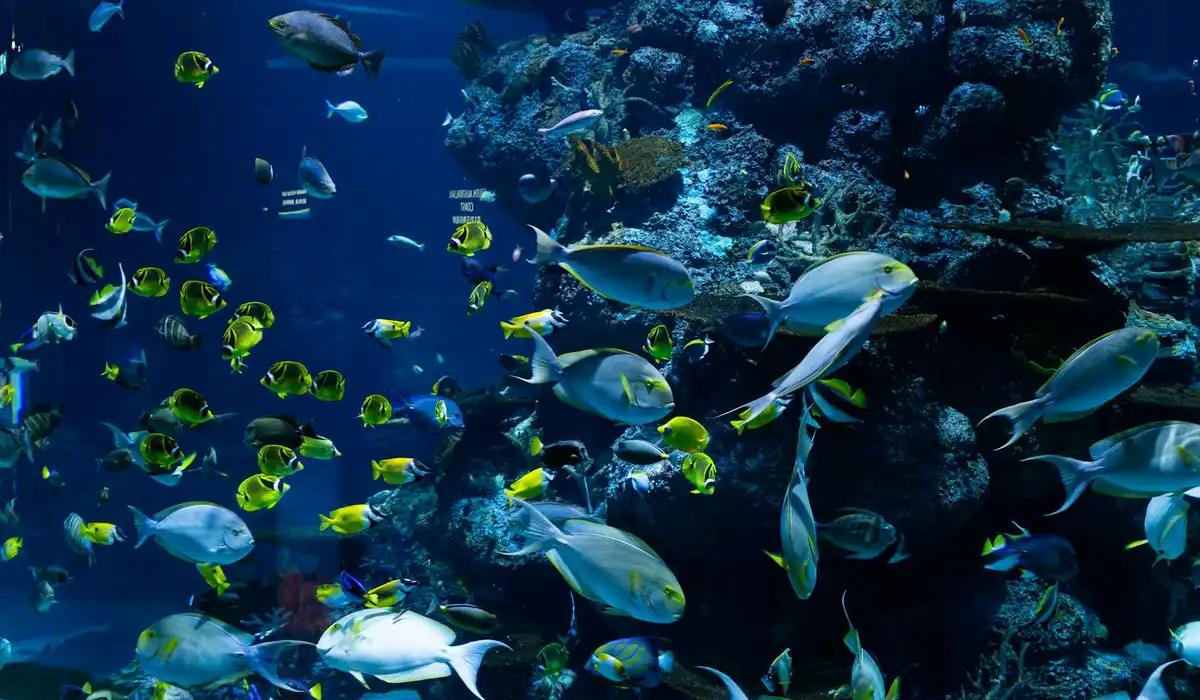
Think of your filter not as a single piece of equipment, but as the dedicated cleaning crew for your entire underwater world. A consistent maintenance routine is what keeps this crew working efficiently and prevents small issues from becoming tank-wide emergencies. In our complete guide on how often you should clean your aquarium filter, you’ll learn the right cleaning frequencies for different setups. This helps you tailor maintenance to your tank. Neglect it, and you’ll soon see the effects in cloudy water and stressed fish.
Your Weekly and Monthly Filter Care Checklist
You don’t need to clean everything at once. In fact, that can do more harm than good. I stagger my maintenance to preserve the vital bacteria.
- Weekly: Give the filter impeller a quick wipe to remove any gunk that slows it down.
- Every 2-4 Weeks: Rinse mechanical filter media (sponges, filter floss) in a bucket of old tank water you’ve siphoned out during a water change.
- Monthly: Inspect tubing for cracks and check that all water flow paths are clear.
- Every 4-6 Weeks: Gently swish biological media in used tank water to dislodge major debris, but never scrub it clean.
How to Clean Each Type of Filter Media
Each media type has different needs. Treating them all the same can crash your cycle.
Mechanical Media Maintenance
Your sponges and filter floss are the workhorses that catch physical dirt. Always rinse mechanical media in a bucket of water you’ve removed from the aquarium, never under the tap. Chlorinated tap water will kill the beneficial bacteria living within the sponge’s pores, undermining your biological filtration.
Biological Media Maintenance
This is the heart of your tank’s ecosystem. Ceramic rings, bio-balls, and porous lava rock are designed to house bacteria. Your goal with biological media is not to make it look brand new, but simply to ensure water can flow through it freely. A gentle swish in old tank water is all it needs. If it’s excessively clogged, your mechanical filtration isn’t doing its job upstream.
Chemical Media Maintenance
Media like activated carbon or phosphate removers have a finite lifespan. You must replace chemical media according to the manufacturer’s instructions, typically every 3-4 weeks, as it becomes exhausted and can no longer absorb impurities. (Learn more about replacement schedules.) Leaving old carbon in your filter for months is pointless and can sometimes leach captured toxins back into the water.
Common Filter Problems and Simple Solutions
Even the best filters have hiccups. Here’s how I troubleshoot the most frequent issues.
- Reduced Water Flow: This is almost always a clogged mechanical filter or a dirty impeller. Check and rinse your pre-filter sponge or main sponges first.
- Loud Grinding or Humming: The impeller shaft or housing is likely dirty or damaged. Unplug the filter, disassemble it, and clean the impeller area.
- Filter Not Starting Back Up: After a power outage or cleaning, sometimes air gets trapped. Try gently rocking the filter or pouring a cup of tank water into the intake to prime it.
A little proactive care makes all the difference. Listening to the steady hum of a well-maintained filter is one of the most satisfying sounds for an aquarist, a true sign of a healthy, stable habitat.
Common Questions
How often should I replace my different types of filter media?
Mechanical media like sponges should be rinsed and reused until they fall apart, while filter floss needs replacement when clogged. These principles also apply to sponge, canister, and hang-on-back (HOB) filters. Cleaning should match each media type to keep all filter kinds effective. Biological media, such as ceramic rings, should rarely be replaced and only rinsed gently in old tank water. Chemical media, like activated carbon, has a limited lifespan and must be replaced every 2-4 weeks as it becomes saturated.
Can I use just one type of filtration in my aquarium?
While it’s possible, it is not recommended for a healthy, stable aquarium. Relying solely on mechanical filtration would leave toxic ammonia and nitrite untreated. Using only biological filtration would allow visible debris to accumulate and decompose. A balanced combination of all three types creates a complete and self-sustaining cleaning system for your tank. Do you need a filter in a fish tank? In most setups, yes—filters help maintain water quality by supporting mechanical, biological, and chemical processes that keep fish healthy. Learn more about the necessity of a filter in a fish tank.
What is the most important type of filtration for a new tank?
Biological filtration is the most critical for a new aquarium because it processes the harmful ammonia produced by fish waste. Establishing a robust colony of beneficial bacteria, known as “cycling” the tank, is the single most important step to preventing fish loss in a new setup. Without it, toxins can quickly rise to dangerous levels. Regular water testing and partial water changes improve water quality for healthy fish. This careful maintenance helps prevent stress and disease.
Do I need chemical filtration all the time?
No, chemical filtration is typically used for specific, temporary purposes. It is ideal for removing medications after treatment, clearing tannins that discolor the water, or eliminating odors. For everyday maintenance in an established tank, mechanical and biological filtration are often sufficient, with chemical media added as needed to polish the water or solve a particular problem.
Your Filtration Team: Working Together
For a truly healthy aquarium, combine mechanical, biological, and chemical filtration to work in harmony. This multi-stage approach, along with choosing the best filter media, is your best strategy for achieving the crystal-clear, life-supporting water your fish need to thrive.
Your commitment to learning about your tank’s ecosystem is the most vital component of all. Stay curious, test your water regularly, and enjoy the rewarding journey of being a great fish keeper.
Further Reading & Sources
- Fish Tank Filters: Which One Should You Get? | Aquarium Filters 101 – Aquarium Co-Op
- The ABC’s of Filtration at the Aquarium | Aquarium Blog | Aquarium of the Pacific
- What are the 3 types of Aquarium Filtration? – Bulk Reef Supply
- Your Ultimate Guide to Different Types of Aquarium Filters and Their Functions – Aquatic Experts
- Types of Aquarium Filters & What is Best For Your Tank – Modern Aquarium
Lia is an expert in aquarium and pet fish care. Having worked in the marine industry and having cared for multiple pet fish, she has acquired first hand expertise on aquarium care, maintenance and setup. She always brings her practical expertise and science to help solve any aquarium related queries.
Filtration Systems