
Inert vs. Reactive Hardscape: The Ultimate Guide to a Stable Aquarium
Hello fellow aquascapers. You’ve probably noticed your water chemistry acting strangely after adding new rocks or driftwood, and you’re wondering what’s going on. The secret to controlling your tank’s environment often lies in understanding the very foundation of your aquascape.
This guide will walk you through everything you need to know, including:
- The simple definitions of inert and reactive materials
- How reactive hardscape directly impacts your water’s pH, GH, and KH
- Common material options for each category and their unique quirks
- My practical advice for choosing the right hardscape for your specific fish and plants
I’ve been running high-tech planted tanks and breeding sensitive fish for years, learning these lessons through direct, hands-on experience.
What is Aquarium Hardscape and Why Does It Matter?
- Aquarium hardscape includes all the non-living elements like rocks, wood, and other structures that define your tank’s physical layout and visual appeal. These pieces form the foundation of your aquascape, creating depth and perspective that make your underwater scene come alive.
- Common hardscape materials range from natural stones such as lava rock and seiryu stone to various types of driftwood like mopani or manzanita, along with ceramics and resin ornaments designed for aquatic use. Selecting the right materials ensures your tank not only looks stunning but also supports a healthy environment for your fish.
- Hardscape provides essential hiding spots for shy fish like Shadow, my Corydoras catfish, who feels secure nestled among rocks, and it acts as anchors for live plants, helping them root firmly. This setup influences fish behavior by reducing stress and encouraging natural activities, while also enhancing the overall aesthetics of your aquarium.
Inert Hardscape Materials: The Stable Foundation
- Inert hardscape materials are those that do not chemically react with your tank water, meaning they won’t change pH, hardness, or other water parameters. Using inert materials helps maintain a consistent environment, which is vital for sensitive species like Captain Fin, my betta, who thrives in stable conditions.
- Key characteristics of inert materials include high durability for long-lasting use, low porosity to prevent water absorption and bacterial growth, and no mineral leaching that could alter water chemistry. These traits make them a reliable choice for beginners and experts alike, ensuring your tank stays balanced over time.
- Examples of safe inert materials are slate, which is ideal for building sturdy structures; quartz, known for its neutral properties and sparkling look; and certain ceramics that are glazed to avoid reactivity. I’ve used quartz in tanks with Goldie, my goldfish, and it has never caused any issues with water hardness or clarity.
- To test if a material is inert, follow these simple steps using the vinegar test:
- Place a small drop of vinegar on the surface of the rock or material.
- Watch for any fizzing or bubbling-if it occurs, the material is reactive and should not be used in your tank.
- If there is no reaction, it is likely inert and safe for aquarium use.
This easy test can prevent unexpected water parameter shifts and keep your fish healthy and happy.
Reactive Hardscape Materials: The Dynamic Players

Reactive hardscape materials are the active participants in your aquarium’s environment. Unlike their inert cousins, these rocks and woods undergo chemical reactions with your water, directly influencing its fundamental parameters. They don’t just sit there looking pretty; they are constantly interacting with their liquid surroundings.
This reactivity most often manifests as an increase in your water’s pH and general hardness (GH). Materials like limestone and coral skeleton slowly dissolve, releasing calcium carbonate into the water, which acts as a natural buffer against acidity. This process can be a blessing for fish that thrive in hard, alkaline conditions, effectively creating a more stable, mineral-rich habitat for them. This is a core topic in a complete guide to water hardness, alkalinity, and aquariums. A solid grasp of GH and KH helps you tailor tank conditions to your species.
Common Reactive Materials and Their Effects
- Limestone: A classic example that steadily raises pH and KH (Carbonate Hardness). Perfect for African Cichlid tanks that require hard, alkaline water.
- Coral Sand and Crushed Coral: Often used as a substrate, it provides a massive surface area for dissolving calcium carbonate, making it a powerful tool for buffering soft water.
- Dolomite: Similar to limestone but contains magnesium, influencing both GH and KH.
- Tufa Rock: A very porous form of limestone that is extremely effective at altering water chemistry and provides fantastic biological filtration.
- Some Volcanic Rocks: Not all are inert. Certain types can contain soluble minerals that may subtly affect your water column.
Potential Issues and Mitigation
While useful, reactive materials demand respect. One concern is the alkali-silica reaction, where certain reactive minerals in a rock can swell when exposed to water, potentially leading to cracking or structural failure over a very long period. While rare in aquariums, it’s a known issue in geology. More commonly, you might find that some rocks leach unexpected tannins or minerals, clouding the water.
The best way to mitigate surprises is the vinegar test. Place a few drops of plain white vinegar on a dry part of the rock; if it fizzes or bubbles, you know it’s reactive and will raise your pH and hardness. Always test a new hardscape piece in a bucket of water for a week, monitoring the pH and GH, before committing it to your main display tank.
Key Differences: Inert vs. Reactive in Your Tank
Choosing between inert and reactive hardscape is one of the most foundational decisions you’ll make for your aquarium’s long-term health. Inert materials are the steady, reliable foundation that maintains water chemistry stability, while reactive materials are the dynamic tools that allow you to sculpt and shape your water parameters to a specific vision. One is a passive stage, the other is an active set designer.
Chemical Impact and Durability
The core difference lies in their interaction with water. An inert hardscape will keep your pH and hardness right where they are, making it ideal for soft water species like Tetras, Discus, and most Caridina shrimp. A reactive hardscape, however, will pull those numbers upward, creating the hard, alkaline environment cherished by livebearers, African Cichlids, and Sulawesi shrimp. This chemical activity means reactive setups often require more diligent monitoring, especially after water changes, to ensure parameters don’t swing too drastically.
In terms of durability, both can last a lifetime. However, reactive materials like limestone will very slowly dissolve and erode over many years, subtly changing their shape and texture, while an inert granite or slate will look virtually the same a decade from now.
Comparison Table: Inert vs. Reactive Hardscape
| Feature | Inert Hardscape | Reactive Hardscape |
|---|---|---|
| Effect on Water Chemistry | Neutral; maintains existing pH/GH | Increases pH and GH/KH |
| Porosity & Permeability | Generally low (except for some lava rock) | Often high, especially in tufa and limestone |
| Impact on Plant Health | No direct mineral contribution | Can slowly release calcium and magnesium |
| Impact on Fish Health | Safe for all, ideal for soft water species | Essential for hard water species, stressful for soft water fish |
| Long-term Maintenance | Minimal monitoring needed | Requires regular parameter checks |
Your final choice dictates the ease of your tank’s care and the species you can successfully keep. Selecting an inert foundation gives you maximum flexibility and stability, making your aquarium easier to manage in the long run. Choosing the right aquarium substrate is a key part of that decision. It affects rooting, beneficial bacteria, and overall maintenance ease. Opting for reactive materials commits you to a specific water chemistry path, which can be incredibly rewarding when matched with the right livestock, but demands a more hands-on, knowledgeable approach.
How Hardscape Choices Affect Water Chemistry and Fish Health
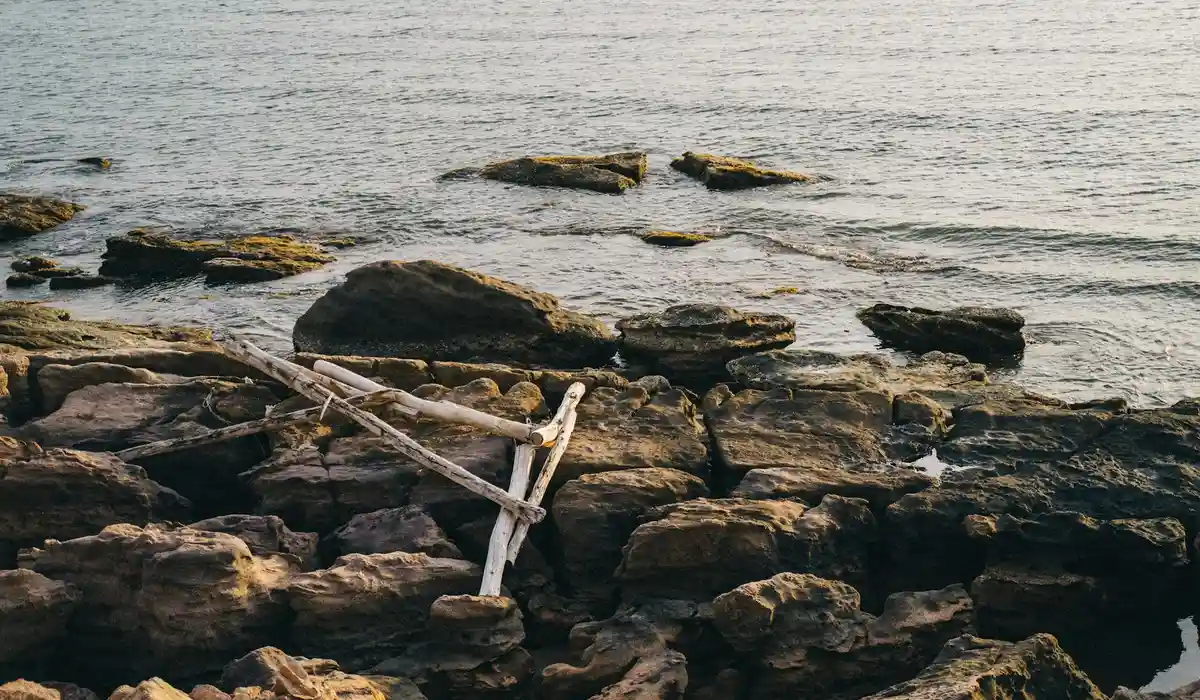
Your hardscape is not just decoration—it actively shapes your tank’s water chemistry, especially pH and hardness. In aquascaping, hardscape materials like rocks and driftwood are used to sculpt the layout and create microhabitats. These choices can subtly affect pH and hardness, alongside their visual impact. Reactive materials like limestone or coral skeleton steadily release minerals that raise pH and hardness, creating an alkaline environment perfect for African cichlids but risky for soft-water lovers like neon tetras or bettas. Inert options such as slate or quartz sand keep parameters stable, which is a safer bet for sensitive species that thrive in consistent conditions.
- Test your water weekly with a reliable kit to track pH and hardness shifts, noting any correlation with new hardscape additions.
- Watch your fish closely for signs of stress, like clamped fins or reduced activity, which can signal discomfort from changing water chemistry.
- Be ready to remove or replace reactive hardscape if parameters drift outside your fish’s comfort zone, using water changes to dilute effects.
Reactive rocks or wood can leach tannins or carbonates that stress delicate fish-my betta, Captain Fin, once showed faded colors when I experimented with a limestone cave. Species like tetras and bettas evolved in soft, acidic waters, so sudden hardness spikes can weaken their immune systems and lead to health issues over time. Hardy fish like goldfish or some livebearers handle variations better, but consistency is key for all.
Balance your hardscape impact with robust filtration and routine water changes. A good filter with chemical media like activated carbon can help absorb excess minerals, while weekly 25% water changes reset parameters and keep your ecosystem harmonious. Pair inert hardscape with plants like java fern to naturally buffer changes, creating a resilient home for your aquatic friends.
Selecting and Preparing Hardscape for a Safe Aquarium
-
Start by defining your tank’s goals based on your fish’s needs—for example, my corydoras Shadow prefers neutral pH around 7.0, so I avoid reactive materials that could alter it. Research your species’ ideal temperature and pH ranges, like 78-80°F for bettas or cooler 68-74°F for goldfish, to guide your hardscape picks. A stable temperature underpins healthy, stable water. Regular monitoring of heaters and temperature targets helps maintain that balance.
-
Select materials intentionally: inert for stability in community tanks, or reactive if you’re aiming to buffer water for specific biotopes. I use driftwood to gently lower pH for tetras, but always weigh the aesthetic against the chemical impact on your fish’s health.
-
Test potential hardscape by soaking it in a bucket of dechlorinated water for a few days, then check for pH changes with a test strip. This simple soak test reveals if a rock or wood piece will alter your tank, saving you from unexpected parameter swings. For a complete, step-by-step guide on testing your aquarium water properly, follow our guide. This ensures you confirm all parameters as you set up or modify your tank.
-
Clean everything thoroughly-scrub rocks with a brush to remove dirt, and boil driftwood for 1-2 hours to sterilize it and reduce tannins. Proper prep eliminates hitchhikers like bacteria or parasites, ensuring a clear, healthy start for your aquarium. Learn how to prepare and clean driftwood for your aquarium.
-
After adding hardscape, monitor your tank daily for a week, watching water clarity and fish behavior. Cloudiness or lethargic swimming can signal a problem, so act fast with water changes if needed to protect your aquatic ecosystem.
Avoiding Common Hardscape Mistakes
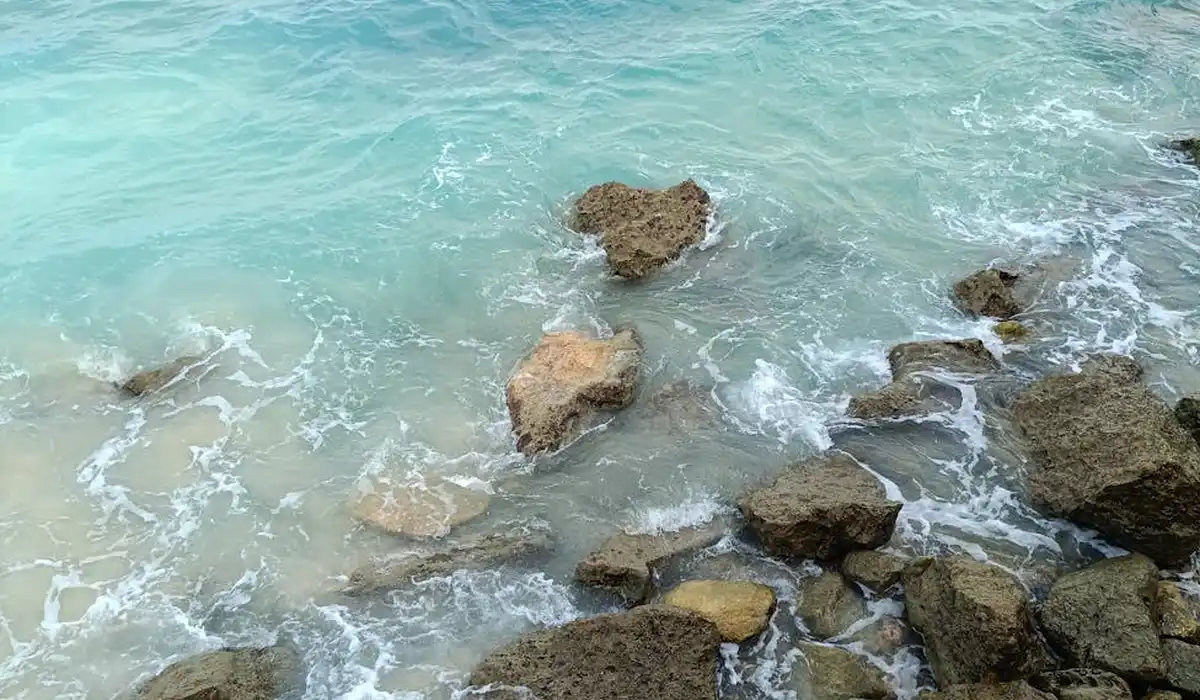
Even the most beautiful hardscape can cause chaos if you pick the wrong materials. Placing a reactive rock, like limestone, in a soft water tank is a classic error that will steadily dissolve your buffer and send your pH climbing. This creates a stressful, unstable environment for fish that thrive in acidic conditions, like many tetras or discus.
Another frequent oversight is ignoring a material’s porosity. Lava rock, for instance, is fantastic for beneficial bacteria but its countless nooks can trap fish waste and detritus. You must account for this in your cleaning routine, as porous rocks can become hidden pollution centers if neglected when cleaning aquarium rocks. A quick blast with a turkey baster during water changes keeps them clean.
Perhaps the most dangerous pitfall is simple misidentification. That attractive rock from your backyard might look perfect, but it could be silently leaching heavy metals into your water. Always test unknown rocks with a few drops of white vinegar; if it fizzes, it’s reactive and unsafe for most community tanks. When in doubt, leave it out.
Sourcing Safe Materials
Your safest bet is to buy hardscape from a reputable aquarium retailer. For stones, seek out known inert types like granite, quartz, or slate. I always steer clear of any cement-based ornaments or artificially “dyed” stones, as the binders and colorants can leach harmful chemicals you can’t easily test for. They simply aren’t worth the risk to your fish’s long-term health.
If you’re collecting wood, ensure it’s thoroughly dried and cured; fresh “green” wood will release excessive tannins and organics that can foul your water. Stick to hard, dense woods like manzanita or mopani that are known to be aquarium-safe and will last for years underwater without rotting. A good rule is that if it floats like a cork, it’s probably too soft.
Implementing Hardscape Gradually
The final, and often most overlooked, step is patience during setup. Never dump a large amount of new hardscape into an established, stable tank all at once, as the resulting shift in water chemistry can shock and stress your fish. This is especially critical with reactive materials that alter pH and hardness.
Instead, introduce your hardscape pieces one or two at a time over several weeks. This gradual approach allows your tank’s biological filtration and your fish to slowly acclimate to the new mineral content, preventing dangerous parameter swings. This same patience applies when adding fish: properly acclimate to new water parameters before introducing them. Test your water frequently after adding anything new to track the changes. A little patience here prevents a lot of problems later.
Common Questions
What is the difference between inert, reactive, and non-reactive in an aquarium context?
In aquarium terms, “inert” and “non-reactive” are synonyms for hardscape that does not alter water chemistry. “Reactive” materials, however, actively interact with the water, typically releasing minerals like calcium carbonate that increase pH and general hardness. Choosing between them is the difference between maintaining your current water parameters or intentionally changing them to suit specific fish species.
Are there inert and reactive examples used in aquarium equipment, like in filters or heaters?
Yes, the principles of inert and reactive materials are crucial in equipment design. Heater elements and filter impeller shafts are often made with inert materials like titanium or certain ceramics to prevent corrosion and leaching. In contrast, some filter media, such as crushed coral, is intentionally reactive and used in the filter to buffer and raise the pH and hardness of the water as it passes through.
How does the concept of inert vs. reactive atoms on the periodic table relate to my aquarium hardscape?
The reactivity of a hardscape material is determined by the chemical stability of the elements it contains. Inert rocks like quartz are primarily composed of silicon and oxygen, which form very stable bonds (like in glass). Reactive rocks like limestone contain calcium and carbon, which can form weaker bonds that easily break down in slightly acidic water, releasing ions that alter your tank’s chemistry.
I’ve seen debates on Reddit about “inert vs reactive” hardscape. What’s the most common point of confusion?
A common point of confusion on forums is misidentifying a material. A rock may look inert but can be subtly reactive, leading to unexplained pH creep. The most reliable advice is to always perform a vinegar test on any new hardscape before adding it to your tank, regardless of its appearance or where it was purchased, to prevent unwanted changes to your aquarium’s environment.
Your Path to a Balanced Aquarium
Always select inert hardscape like slate or quartz for stable pH in community tanks, and use reactive materials like limestone only when you need to raise hardness for specific fish. Understanding GH and KH (general hardness and carbonate hardness) helps you predict how these choices affect mineral balance and pH stability. Testing your water before and after adding any hardscape prevents unwanted chemical shifts that can stress your aquatic pets.
Being a responsible fish keeper means committing to lifelong learning about water chemistry and habitat design. Your dedication to understanding these details ensures a vibrant, healthy home for every creature in your care.
Further Reading & Sources
- Inert Stones List? | The Planted Tank Forum
- Reactive vs Inert: When To Use Each One In Writing?
- Hardscape Buying Guide
- [FREE] Explain the difference between inert elements and those that are reactive and capable of forming chemical – brainly.com
- What is the difference between an inert gas and a reactive gas? – Quora
Lia is an expert in aquarium and pet fish care. Having worked in the marine industry and having cared for multiple pet fish, she has acquired first hand expertise on aquarium care, maintenance and setup. She always brings her practical expertise and science to help solve any aquarium related queries.
Aquascaping