
How to Clean Your Fish Tank: A Gallon-by-Gallon Guide for Sparkling Water
Published on: February 1, 2026 | Last Updated: February 1, 2026
Written By: Lia Annick
Hello fellow fish keepers! You’ve found this page because you know a clean tank is a happy tank, but you’re unsure if your cleaning routine is right for your specific aquarium size. A one-size-fits-all approach can stress your fish or leave your water quality lacking.
This guide will walk you through the exact process for each tank category, giving you the confidence to maintain a pristine ecosystem. You will learn:
- The essential tools you need for each tank size
- Step-by-step cleaning methods for small, medium, and large aquariums
- Common mistakes to avoid that can harm your fish
I’ve been running high-tech planted tanks and breeding fish for years, so I’ve cleaned my share of aquariums from 5 to 100 gallons.
Why a Clean Tank Means Happy, Healthy Fish
Think of your aquarium not just as a box of water, but as your fish’s entire world. The quality of that world directly dictates their health and behavior. A clean tank is the single most effective thing you can do to prevent disease and ensure your fish live long, vibrant lives. Regular aquarium cleaning maintenance—such as routine water changes and filter care—keeps that world healthy. Establishing a simple cleaning schedule makes upkeep easier and helps reduce stress for your fish.
Fish release waste constantly, and leftover food decays. This creates ammonia, a toxin that burns their gills and stresses their entire system. In a balanced, clean tank, beneficial bacteria break this ammonia down into less harmful substances. Regular cleaning supports this invisible workforce, preventing toxic spikes that can happen in an instant.
You’ll see the benefits firsthand. Your fish will be more active, their colors will become richer and more vivid, and they will exhibit natural behaviors like foraging and exploring. Clear water isn’t just for your viewing pleasure; it’s a sign of a stable, low-stress environment where your fish can truly thrive.
Gathering Your Fish Tank Cleaning Toolkit
Must-Have Tools for Every Tank Size
You don’t need a garage full of gear, but a few key tools make cleaning efficient and safe for your aquatic pals. This core kit works for a 5-gallon betta tank or a 75-gallon community setup.
- Gravel Vacuum/Siphon: This is your most important tool. It uses gravity to pull water out while cleaning waste from the substrate.
- Algae Scraper or Pad: Choose a magnetic cleaner for glass tanks or a long-handled scrubber for deeper aquariums.
- Dedicated Aquarium Buckets: Never use buckets that have held soap or chemicals. Use two-one for removing old water, one for adding new.
- Water Conditioner: This neutralizes chlorine and chloramines in tap water, making it safe for your fish instantly.
- Aquarium-Safe Glass Cleaner Spray Bottle: A simple mix of white vinegar and water (50/50) works perfectly for the outside glass.
DIY Hacks for Common Cleaning Tasks
You’d be surprised what you can accomplish with items from around your house. I use these tricks all the time to save money and time.
- The Turkey Baster Buster: A brand-new turkey baster is perfect for spot-cleaning waste from under decorations in small tanks or for gently blowing debris out of dense plants.
- Old Gift Card Scraper: For stubborn algae spots on the glass, a plastic card is surprisingly effective and won’t scratch acrylic or glass like some abrasive pads can.
- Pantyhose Pre-Filter: Slip a piece of clean pantyhose over the intake tube of your filter. This catches loose plant matter and mulm before it clogs your impeller, extending the time between filter cleanings.
- Vinegar for Hard Water Stains: Spray your 50/50 vinegar solution on dried-on water spots on the tank hood or outside glass. Let it sit for a minute, then wipe away with a clean microfiber cloth for a streak-free shine.
Cleaning Small Fish Tanks (5-29 Gallons)
Small Tank Maintenance Schedule
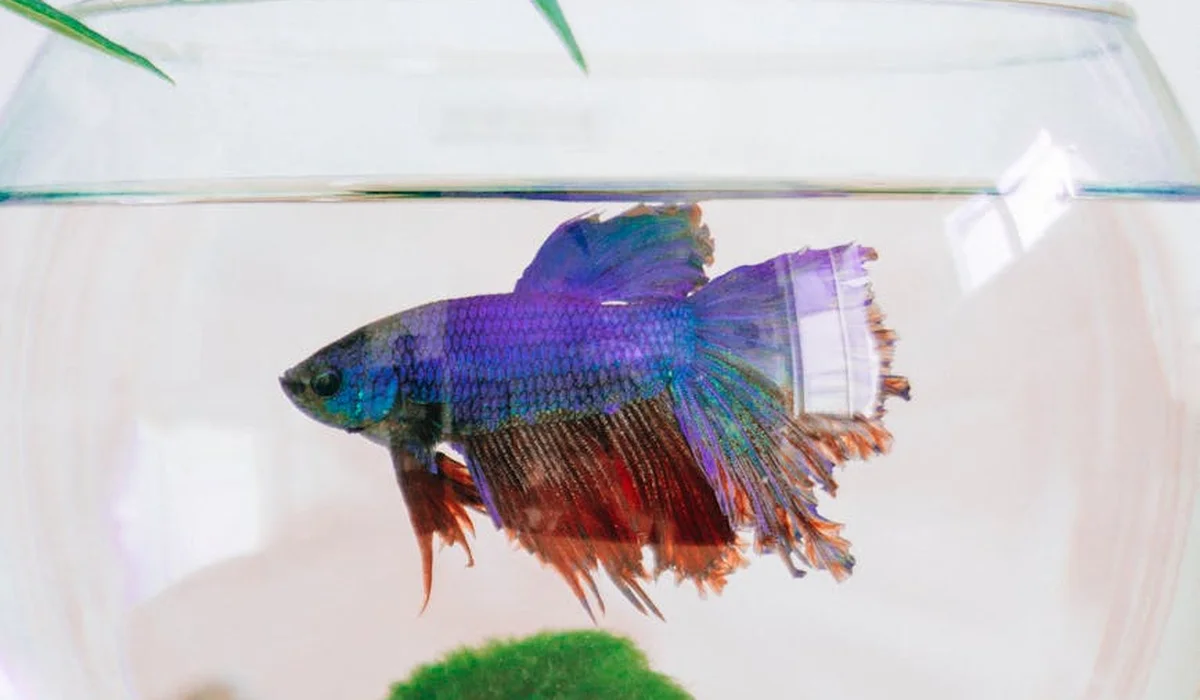
Small aquariums demand consistent care because even tiny shifts in water chemistry can stress your fish quickly. I stick to a tight weekly routine with my 10-gallon tank housing Captain Fin, my betta, to keep the environment stable and healthy. This schedule prevents the common pitfalls of small water volumes.
- Daily: Quickly check water temperature and look for any unusual fish behavior or debris.
- Twice a Week: Use a turkey baster to spot-clean uneaten food and waste, especially around decorations.
- Weekly: Perform a 25-30% water change and gently wipe the interior glass with an algae pad.
- Monthly: Test water parameters for ammonia, nitrite, and nitrate; rinse filter media in old tank water.
Small tanks accumulate waste faster, so skipping a weekly water change can lead to a dangerous ammonia spike. Consistency is your best tool for maintaining a crystal-clear, small-scale ecosystem.
Step-by-Step Small Tank Cleaning
Cleaning a compact tank is a delicate process—you want to refresh the water without shocking your fish. I always start by unplugging the heater and filter to ensure safety while I work. If the tank seems restless, I pause briefly to let the fish settle so they stay still and calm. A quiet, controlled approach keeps stress to a minimum. Here’s my go-to method for a stress-free cleaning session.
- Gather your tools: a dedicated bucket, a small gravel vacuum, an algae scraper, and a water conditioner.
- Unplug all electrical equipment to avoid any accidents during the process.
- Use the gravel vacuum to siphon out 25-30% of the water, focusing on areas with visible waste.
- Wipe the inside glass with an algae pad to remove any green film or spots.
- Rinse filter media in the bucket of old tank water to preserve beneficial bacteria-never under the tap!
- Refill the tank with temperature-matched, dechlorinated water, pouring slowly to avoid disturbing substrate or fish.
- Plug equipment back in and observe your fish for normal activity over the next hour.
Take your time with each step to minimize stress on your aquatic pets. A slow, methodical approach keeps your small tank’s biology balanced and your fish, like my betta, vibrant and active.
Cleaning Medium Fish Tanks (30-54 Gallons)
Medium Tank Maintenance Schedule
Medium-sized aquariums offer more stability, but they still need regular upkeep to support a larger bio-load. In my 40-gallon community tank, I’ve found that a bi-weekly water change schedule keeps Goldie, my goldfish, and Shadow, the corydoras, thriving without constant intervention. This balance reduces your workload while ensuring water quality. Maintenance when upgrading tank size changes maintenance needs. More water offers stability but requires adjusting your cleaning schedule and filtration to keep up with the larger volume.
- Daily: Monitor fish behavior and check that equipment like filters and heaters are running smoothly.
- Weekly: Scrape algae from the glass and trim any overgrown plants to maintain light penetration.
- Every Two Weeks: Replace 20-25% of the water and vacuum the substrate thoroughly to remove debris.
- Monthly: Test water parameters and clean filter intakes or impellers to prevent clogging.
Larger water volumes dilute toxins more effectively, but don’t get complacent. Sticking to this routine prevents nitrate creep and keeps your medium tank’s ecosystem resilient and clear.
Step-by-Step Medium Tank Cleaning
Cleaning a medium tank involves a bit more effort, but the process is straightforward with the right technique. I always use a longer gravel vacuum hose for my 40-gallon to reach every corner without spilling water everywhere. Follow these steps to efficiently refresh your aquarium.
- Assemble your supplies: a large bucket, gravel vacuum, algae scraper, water conditioner, and a towel for spills.
- Turn off and unplug heaters, filters, and lights to protect them and your fish.
- Vacuum the substrate in sections, removing about 20-25% of the water and focusing on waste-heavy spots.
- Scrub the glass and decorations to eliminate algae buildup, which can cloud the water over time.
- Clean filter media by swishing it in the removed tank water to avoid killing beneficial bacteria.
- Add new, dechlorinated water that’s within 2°F of the tank temperature to prevent thermal shock.
- Restart equipment and check for proper flow and temperature before resuming normal lighting.
This method keeps the water pristine and your fish comfortable. Regular, thorough cleanings like this help medium tanks support diverse communities with minimal health issues. That principle is a staple in a beginner’s guide to fish disease prevention and tank maintenance. Keeping up with cleanings reduces disease risk and makes tank upkeep easier.
Cleaning Large Fish Tanks (55+ Gallons)
Large Tank Maintenance Schedule
Managing a big aquarium feels less like a chore and more like a relaxing ritual once you nail down a consistent schedule. Sticking to a routine prevents small issues from becoming big headaches, keeping your water crystal clear and your fish vibrant. I base my plan on weekly, bi-weekly, and monthly tasks that sync with my fish’s behavior—like how my Oranda, Goldie, gets more active after a water change. For beginners, managing water parameters—like pH, ammonia, nitrite, nitrate, and temperature—becomes the backbone of that routine. Learning to test and balance these factors helps keep conditions stable as you grow confident.
- Weekly: Perform a 15-20% water change, test ammonia and nitrite levels, and wipe the interior glass.
- Bi-weekly: Vacuum the substrate thoroughly, clean filter media in tank water, and inspect plants for trimming.
- Monthly: Check all equipment like heaters and pumps, deep-clean decorations, and assess overall water chemistry.
I set reminders on my phone so I never miss a session. This proactive approach reduces stress on fish like Shadow, my Corydoras, who thrives in stable, clean environments.
Step-by-Step Large Tank Cleaning
Cleaning a 55-gallon or larger tank might seem intimidating, but breaking it into steps makes it manageable. Always start by unplugging heaters and filters to avoid damage during the process. Here’s how I tackle my 75-gallon setup, which houses a mix of active and shy fish.
- Gather your tools: a gravel vacuum, two clean buckets, an algae scraper, and a water conditioner.
- Siphon out 20% of the water, using the vacuum to remove debris from the substrate without disturbing plant roots.
- Scrub the glass and decorations to eliminate algae, then rinse filter media in the removed tank water to preserve beneficial bacteria.
- Refill the tank slowly with dechlorinated water matched to the tank’s temperature to avoid shocking your fish.
- Restart equipment and observe your fish for the next hour to ensure they adjust well.
I love the moment the filter hums back to life and the water shimmers under the light. Taking it slow and steady protects delicate species and maintains your tank’s biological balance.
Routine Care Between Cleanings
Quick Daily and Weekly Tasks
Small, consistent actions between deep cleans keep your aquarium thriving without much effort. Daily checks take just minutes but catch problems early, like a change in your fish’s appetite or behavior. For instance, my betta, Captain Fin, always greets me at feeding time, so I note if he seems lethargic.
- Daily: Feed appropriate portions, check water temperature, and observe fish for unusual activity.
- Weekly: Top off evaporated water with treated tap water, clean the tank’s exterior glass, and ensure filter flow is strong.
I keep a small journal by my tank to log these tasks. This habit helps me spot trends, like algae blooms, before they get out of hand.
Monitoring Water Quality Easily
Water testing doesn’t have to be complicated-I use simple tools and trust my senses. Clear, odorless water usually signals good health, but test kits give you the full picture without guesswork. Think of ammonia like a silent intruder; it’s invisible but deadly if left unchecked.
- Use liquid test kits for accuracy, focusing on ammonia, nitrite, nitrate, and pH weekly.
- Aim for 0 ppm ammonia and nitrite, with nitrates below 20 ppm for most community tanks.
- Adjust pH slowly if needed, as sudden changes can stress fish like Goldie, who prefer stability.
I compare my results to a color chart under natural light for the best reading. Regular testing builds confidence and lets you enjoy your aquarium’s beauty worry-free.
Avoiding Common Fish Tank Cleaning Blunders
I’ve seen too many aquarists, including my past self, make simple mistakes that stress their fish and disrupt the tank’s balance. Learning from these errors will save you time, money, and heartache down the line.
Over-Cleaning the Entire Tank
Scrubbing every surface and replacing all the water might seem thorough, but it strips away the beneficial bacteria your ecosystem needs. I once over-cleaned a small 10-gallon tank and sent my Betta, Captain Fin, into hiding for days because the water parameters swung wildly. To improve water quality in your aquarium and keep your fish healthy, use gentle cleaning and partial water changes. Regular tests will help you catch problems early.
- Never replace more than 50% of the water at one time; 25-30% is safer.
- Clean decor and glass in sections, not all at once.
- Leave some algae on surfaces in established tanks-it helps with nutrient control.
Skipping the Dechlorinator
Tap water contains chlorine and chloramines that are toxic to fish, killing them slowly or suddenly. Always treat new water with a quality dechlorinator before it touches your tank, no exceptions.
- For small tanks under 20 gallons, measure doses carefully to avoid overdosing.
- In larger tanks, mix dechlorinator in your water change bucket first.
- Let treated water sit for a few minutes to reach room temperature.
Neglecting Filter Media Care
Your filter is home to most of your beneficial bacteria, so cleaning it incorrectly can crash your nitrogen cycle. Rinsing filter media under tap water is a fast way to kill off the good bacteria and cause an ammonia spike.
- Gently swish media in a bucket of old tank water during water changes.
- Replace filter media gradually, not all at once.
- Clean impellers and tubes monthly to maintain flow without disrupting bacteria.
Disturbing the Substrate Excessively
Vigorous gravel vacuuming can release trapped toxins and cloud the water, stressing bottom dwellers like my Corydoras, Shadow. Focus on surface cleaning during regular maintenance and do deeper cleans only once a month. To vacuum sand without removing it, use a partial siphon to target only the top layer. This preserves the substrate and keeps bottom-dwelling residents safer.
- In small tanks, use a gentle siphon to avoid uprooting plants.
- For sandy substrates, hover the vacuum just above the surface to pick up debris.
- In planted tanks, disturb the substrate minimally to protect root systems.
Ignoring Water Temperature Matching
Adding water that’s too cold or too hot can shock fish, leading to illness or death. I always check the temperature with a reliable aquarium thermometer before every water change.
- Match new water temperature within 1-2 degrees of the tank water.
- Use a separate heater for your water change bucket in colder rooms.
- For goldfish like Goldie, sudden temperature drops can trigger fin rot.
Using Harsh Chemicals or Soaps
Even a tiny residue from household cleaners can poison your entire aquarium. Stick to dedicated aquarium-safe tools and white vinegar for stubborn stains outside the tank.
- Never use soap on nets, buckets, or decor that contact tank water.
- Rinse all items thoroughly with hot water after cleaning.
- For algae on glass, a razor blade or magnetic cleaner works best.
Common Questions
How often should I clean my fish tank gravel?
You should vacuum your gravel during every scheduled water change. For most tanks, this means a light cleaning weekly or bi-weekly. This prevents harmful waste from building up and decomposing in the substrate. To clean the gravel effectively, use a gravel vacuum and gently stir the substrate to loosen debris before siphoning it out. This helps remove waste while protecting beneficial bacteria.
What is the best way to clean a fish tank filter?
The best way is to rinse the filter media in a bucket of water you have removed from the aquarium during a water change. Never use tap water, as the chlorine will kill the beneficial bacteria that keep your tank healthy. Only clean the filter when the flow seems reduced.
Why is my fish tank water not clear even after cleaning?
Cloudy water after a cleaning can be caused by a bacterial bloom, stirred-up debris, or an issue with your filter. Ensure you are not over-cleaning, which can disrupt the biological balance, and always check that your filter is running properly and has the correct media.
Should I hire a professional fish tank cleaning service?
A professional service can be a great option if you have a very large, complex tank or are unable to perform maintenance yourself due to time or physical constraints. For most standard home aquariums, following a regular cleaning schedule is a manageable and rewarding part of the hobby. Understanding which tasks are essential and how often to perform them helps you plan the maintenance frequency effectively. This awareness makes it easier to decide when to DIY and when a professional service might be worthwhile.
A Clean Tank is a Happy, Healthy Tank
Whether you’re tending to a 5-gallon nano tank or a 100-gallon showpiece, the core principle remains the same: adjust your cleaning tools and schedule to match the volume of your aquarium. Consistency with partial water changes and diligent filter maintenance will always trump any single deep-cleaning marathon.
Your commitment to a clean habitat is the foundation of responsible fishkeeping, directly impacting the longevity and vibrancy of your aquatic pets. Stay curious, keep learning from your tank’s unique ecosystem, and you’ll be rewarded with a thriving underwater world for years to come.
Further Reading & Sources
- Aquarium Cleaning Checklist
- How to Properly Clean Your Aquarium | Tips for Easy Tank Maintenance – Aquarium Co-Op
- How To Clean a Fish Tank | PetMD
- How to deep clean a fish tank | Aquacadabra
- How to Clean a Fish Tank: Freshwater Tank Instructions | Chewy
Lia is an expert in aquarium and pet fish care. Having worked in the marine industry and having cared for multiple pet fish, she has acquired first hand expertise on aquarium care, maintenance and setup. She always brings her practical expertise and science to help solve any aquarium related queries.
Regular Cleaning