
Your Crystal-Clear Guide to a Safe and Stress-Free Aquarium Deep Clean
Hello fellow aquarists. That murky glass and the slight film on the surface aren’t just an eyesore-they’re a sign your underwater world needs a little extra TLC.
You’ve come to the right place. This step-by-step guide will walk you through the entire process, covering:
- Gathering your supplies for a smooth, efficient clean.
- Safely unplugging and removing equipment without causing damage.
- Cleaning decorations and scrubbing algae the right way.
- The proper technique for a major water change and substrate vacuuming.
- Reassembling your tank to get your ecosystem thriving again.
I’ve been running high-tech planted tanks and breeding fish like my feisty betta, Captain Fin, for years, so I know what it takes to clean without crashing your cycle.
Why a Deep Clean Makes Your Aquarium Healthier
Regular water changes are great, but a deep clean tackles hidden grime that builds up over time. A thorough clean removes trapped debris in the substrate and biofilm on decorations, which regular maintenance often misses. This prevents toxic ammonia and nitrite spikes that stress your fish.
I’ve seen my own tanks transform after a deep clean-the water gains a crystal clarity, and fish like Goldie become more active and vibrant. By eliminating excess nutrients, you cut off the food source for algae, leading to a more balanced ecosystem. It’s like giving your aquarium a fresh start, reducing the risk of diseases that lurk in dirty corners.
Deep cleaning also helps your filter work more efficiently by clearing out clogs in tubing or impellers. When your filtration system runs smoothly, it supports a stable nitrogen cycle, which is the backbone of a healthy tank. From my years of keeping fish, I’ve found that a scheduled deep clean every few months keeps issues at bay and lets your aquatic friends thrive.
Spotting the Difference: Deep Clean vs Regular Maintenance
It’s easy to mix these up, but they serve different roles in aquarium care. Regular maintenance is about consistency, while a deep clean is a reset for your tank’s environment. Think of it like daily tidying versus a spring cleaning-both are vital, but one goes deeper.
| Regular Maintenance | Deep Clean |
|---|---|
| Weekly 10-20% water changes | Major water change (up to 50%) with substrate vacuuming |
| Wiping algae from glass | Scrubbing all decorations, rocks, and equipment |
| Rinsing filter media in tank water | Inspecting and cleaning filter internals and tubing |
| Quick gravel surface clean | Thorough substrate stirring to release trapped waste |
For example, with my betta Captain Fin, I do weekly water changes, but every three months, I deep clean to prevent fin rot. Regular upkeep maintains balance, but a deep clean addresses accumulated problems before they harm your fish. This approach ensures your tank stays pristine without shocking the inhabitants.
Signs It’s Time for a Deep Clean
Your aquarium will show clear signals when it needs more than a routine touch-up. If you notice persistent algae growth on surfaces or a cloudy haze that won’t clear, it’s a red flag. These issues are classic signs that your tank needs a water change. When you see them, a partial water change can help restore balance and keep conditions stable.
- Excessive debris in the substrate, like uneaten food or fish waste
- Slime or biofilm coating decorations and plants
- Foul odors indicating bacterial overgrowth
- Filter flow reduction due to clogs
- Water tests showing high nitrate levels above 20 ppm
In my planted tank, I once ignored these signs and saw Shadow, my corydoras, hiding more than usual. Acting on these warnings early can prevent health crises and keep your aquarium thriving. A simple visual check weekly helps you catch problems before they escalate.
When Your Fish Tell You Something’s Wrong
Fish behavior is a reliable indicator of water quality issues. If your normally active fish like Goldie start acting lethargic or lose interest in food, it might be time for a deep clean. Stress from poor conditions can lead to clamped fins or rapid gill movement.
I’ve learned to watch Captain Fin closely; if he’s less feisty during feeding, I check for hidden waste. Behavioral changes, such as increased hiding or gasping at the surface, often point to oxygen depletion or toxin buildup. Addressing these with a deep clean can quickly restore their comfort and vitality.
- Lethargy or unusual inactivity
- Loss of appetite or refusal to eat
- Rubbing against objects (flashing), suggesting irritation
- Pale colors or visible stress stripes
From my experience, a deep clean resolved these issues in days, bringing back the shimmer in their scales. Your fish’s well-being is the best gauge for when your tank needs extra attention. Trust their cues-they’re the first to feel when something’s off.
Gathering Your Deep Clean Toolkit

Must-Have Items for a Smooth Clean
Before you start, gather all your supplies to avoid mid-clean dashes to the store. Having everything within arm’s reach makes the process faster and less stressful for both you and your fish. From my years of maintaining tanks for finned friends like Captain Fin and Goldie, I’ve learned that the right tools prevent mishaps.
- Two dedicated buckets: Use one for old tank water and one for fresh, treated water to avoid cross-contamination.
- Gravel vacuum or siphon: This is your best friend for removing debris from the substrate without uprooting everything.
- Algae scrubber or pad: Choose a plastic or magnetic scrubber for glass tanks; for acrylic, use a soft cloth to prevent scratches.
- Water conditioner: Always have this on hand to neutralize chlorine and chloramines in tap water before refilling.
- Filter media and sponges: Keep spare media ready, but never replace all at once to preserve beneficial bacteria.
- Soft-bristled brushes and tweezers: Ideal for gently cleaning intricate decorations and plant leaves where gunk hides.
- Water testing kit: Test strips or liquid kits let you check parameters like pH and ammonia before and after cleaning.
- Clean towels or paper towels: Handy for wiping spills and drying hands to keep everything tidy.
I always keep a separate bucket just for aquarium use to prevent soap or chemical residues from harming my fish. This simple habit has saved me from many potential disasters with sensitive species like Shadow, who thrives in stable conditions.
Your Step-by-Step Deep Clean Guide
Step 1: Prep Your Space and Unplug Gear
Clear a workspace around your tank and unplug all electrical equipment, including filters, heaters, and lights. Safety first-water and electricity are a dangerous mix, so double-check everything is powered off. I lay down towels to catch drips and make sure my fish, like the curious Goldie, are calm by dimming the room lights.
Gather your toolkit nearby so you can move efficiently. This prep step sets the tone for a smooth, accident-free cleaning session.
Step 2: Handle Decorations and Plants with Care
Remove decorations, rocks, and artificial plants, but avoid scrubbing them with soap or harsh chemicals. Rinse them in a bucket of old tank water to preserve the beneficial bacteria that keep your ecosystem balanced. For live plants, gently swish them in the water to dislodge debris without damaging roots.
If algae is stubborn, use a soft brush to scrub. I’ve found that delicate plants, like those in Shadow’s hiding spots, respond best to gentle handling to avoid shock.
Step 3: Test Water and Start the Siphon
Test your tank water with a kit to note the current pH, ammonia, and nitrate levels. This baseline helps you spot changes after cleaning and adjust as needed. This is part of a step-by-step guide on how to test your aquarium water properly to keep conditions stable. By following the guide, you can perform this routine consistently. Then, use your gravel vacuum to siphon out 25-30% of the water into a bucket, targeting debris in the substrate.
Move the siphon slowly to avoid stressing bottom dwellers. Watching the water clarity improve as waste is removed is one of the most satisfying parts of tank maintenance.
Step 4: Scrub and Clean Tank Surfaces
With the water level lowered, scrub the inside glass or acrylic with an algae pad. This helps clean algae off aquarium glass effectively. Keeping the glass clean also improves light penetration for underlying plants and animals. Work from the top down in smooth motions to prevent scratches and remove biofilm buildup. For hard water stains, a vinegar-water solution (1:1 ratio) on a cloth works wonders-just rinse thoroughly.
Wipe the exterior with a damp towel to remove dust and fingerprints. Keeping the outside clean enhances the shimmer of your fish’s scales, making colors like Captain Fin’s iridescent blue pop.
Step 5: Tidy Up Your Filter System
Never replace all filter media at once; instead, rinse sponges and biomedia in the bucket of old tank water. This preserves the vital bacteria colony that processes fish waste and keeps ammonia levels safe. Gently squeeze out debris and reassemble the filter, checking for clogs or wear.
If parts need replacing, do it gradually over weeks. I once made the mistake of over-cleaning my filter and saw a spike in ammonia-learning to be patient saved my tank’s balance.
Step 6: Refill and Reintroduce Life
Refill the tank with fresh water treated with conditioner, matching the temperature to within 1-2 degrees of the old water. To minimize stress, acclimate the fish to the new water by slowly introducing tank water over 15-30 minutes before reintroduction. Pour slowly over a plate or your hand to avoid disturbing the substrate and stressing fish. Reconnect equipment and let the filter run for 15-20 minutes before reintroducing fish.
Acclimate fish by floating their bag or container in the tank for 20 minutes, then gradually mix in small amounts of new water. This gentle transition prevents shock and lets your aquatic family, from feisty bettas to social goldfish, settle back in comfortably, especially when adjusting to new water parameters.
Keeping Your Aquarium Pristine After the Clean
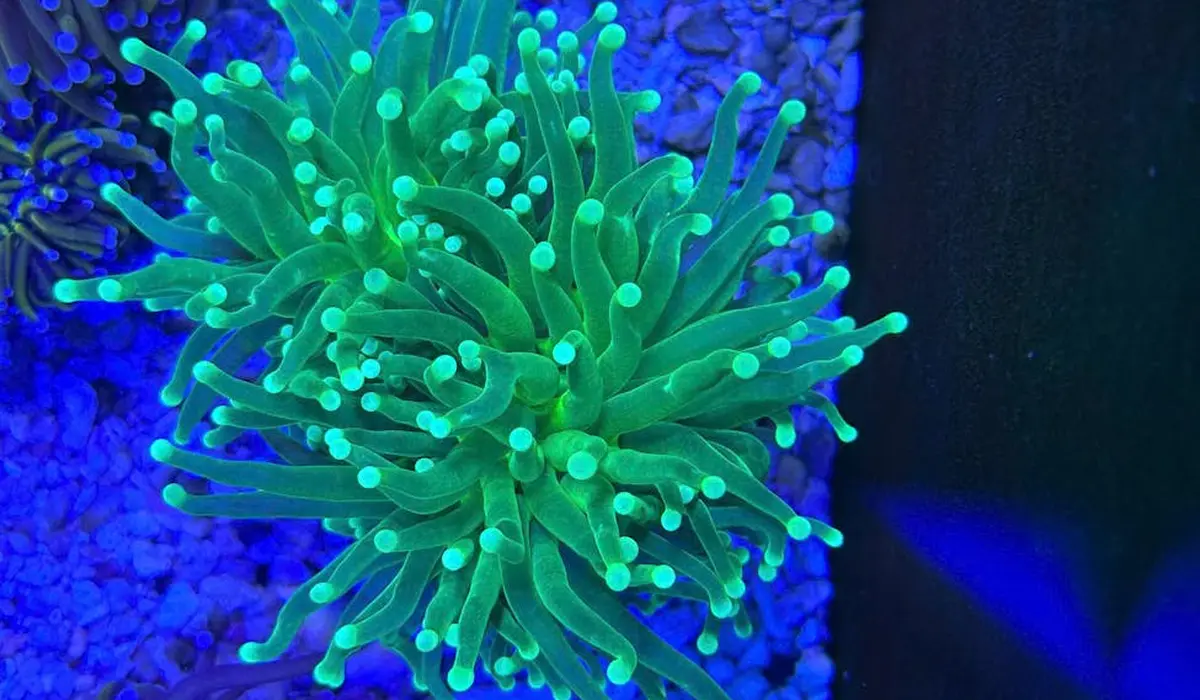
Once your deep clean is done, that fresh, crystal-clear water and the happy shimmer of your fish’s scales feel amazing, but keeping it that way relies on daily and weekly routines. Consistent small actions prevent big problems, so your tank stays healthy without constant drastic measures. I’ve seen my betta Captain Fin’s colors pop and Goldie the goldfish thrive when I stick to a simple maintenance plan that supports the whole ecosystem.
Simple Habits to Extend Cleanliness
-
Perform weekly partial water changes of 10-20%, using a gravel vacuum to siphon out debris without disturbing the substrate. This habit removes waste before it breaks down and affects water quality, keeping ammonia and nitrites in check. For my tank, I change 15% every Saturday, and Shadow the corydoras stays active scavenging the clean bottom.
-
Wipe the inside glass with an algae magnet or scrubber during water changes to stop algae films from building up. Regular glass cleaning maintains that sparkling view and reduces the need for harsh scraping later. I do a quick pass while the water level is lower, and it takes just a minute to keep things clear. Using the best algae scrapers and cleaning tools for your aquarium can make this routine even faster. They help reach corners and stubborn spots without scratching the glass.
-
Rinse filter media in old tank water monthly to preserve beneficial bacteria while removing gunk. Never use tap water for this, as chlorine can kill the good bacteria your filter needs to function. I gently swish my filter sponges in a bucket of water I’ve just removed during a change, and the hum of the filter stays steady.
-
Feed only what your fish eat in 2-3 minutes, and remove uneaten food with a small net to avoid decay. Overfeeding is a top cause of cloudy water and algae blooms, so portion control is key. With Goldie, I give small pinches and watch her eat it all, which keeps the water parameters stable.
-
Trim and prune live plants every few weeks to remove dead leaves and encourage new growth. Healthy plants absorb excess nutrients that algae love, naturally balancing your tank’s environment. I use sharp scissors to trim my java ferns, and the plants grow back lush, giving Shadow more hiding spots.
How Often to Schedule a Deep Clean

The frequency of a full deep clean depends on your tank’s size, stock level, and filtration, but most home aquariums benefit from one every 1-3 months. Listen to your tank’s cues, like persistent algae on decorations or a slowdown in filter flow, to know when it’s time. For example, my 10-gallon betta tank with Captain Fin needs a deep clean every 2 months, while a larger, heavily stocked tank might need it monthly. For betta tanks, owners often clean more frequently to maintain stable water quality. In practice, this means regular partial water changes (weekly) and a deeper clean every 4-6 weeks, adjusted to your parameters.
-
Lightly stocked planted tanks (e.g., with small fish like tetras): Schedule every 2-3 months. These setups often have better biological balance, so you can stretch the time between major cleans. I’ve kept tanks like this where the plants do most of the cleaning work.
-
Heavily stocked or messy fish tanks (e.g., with goldfish like Goldie): Aim for every 4-6 weeks. Goldfish produce more waste, so frequent deep cleans help maintain water clarity and oxygen levels. In my experience, skipping this leads to cloudy water and stressed fish.
-
Nano tanks under 5 gallons: Plan for monthly deep cleans due to less water volume. Small tanks swing in parameters faster, so regular maintenance is non-negotiable for fish health. I don’t recommend these for beginners because they demand more attention.
Common Questions
What is the main goal of a deep clean for an aquarium?
The primary goal is to remove accumulated waste, biofilm, and debris that regular maintenance misses. This prevents toxin buildup, supports a stable nitrogen cycle, and creates a healthier environment for your fish. Ultimately, it’s a reset that enhances water clarity and fish vitality.
What is considered the “best” method for a deep clean?
The best method is a systematic one that prioritizes the aquarium’s biological balance. This involves using old tank water to clean filter media and decorations to preserve beneficial bacteria. It also includes thorough substrate vacuuming and avoiding harsh chemicals to prevent shocking the ecosystem. For a detailed guide, check out our aquarium cleaning and maintenance tips.
Are there effective DIY solutions for a deep clean?
Yes, simple DIY solutions are highly effective. A vinegar and water mixture is excellent for scrubbing hard water stains off glass and equipment. Using a homemade siphon from airline tubing can also be useful for small tanks or delicate areas where a large vacuum is too powerful.
What is a common piece of advice from the Reddit aquarium community regarding deep cleans?
A common consensus on Reddit is to never deep clean the filter and the substrate on the same day. This advice is given to protect the beneficial bacteria colony, which is crucial for processing fish waste. Staggering these tasks helps maintain the nitrogen cycle and prevents dangerous ammonia spikes.
Your Sparkling Tank Awaits
Remember, a successful deep clean prioritizes your tank’s biological balance over sterile perfection. To do that, test and maintain proper water parameters in your aquarium. Regular parameter checks help prevent shocks and keep conditions stable. By testing water before you start and cleaning filter media in old tank water, you protect the invisible ecosystem your fish rely on.
Being a great fish keeper means committing to lifelong learning about their unique underwater world. I encourage you to keep observing, asking questions, and growing alongside your finned friends for years to come.
Further Reading & Sources
- r/Aquariums on Reddit: How to give my tank a deep clean
- How to deep clean a fish tank | Aquacadabra
- How To Clean Your Aquarium (Water Change & More) – Maryland Aquarium Design, Installation, and Maintenance
- How to Properly Clean Your Aquarium | Tips for Easy Tank Maintenance – Aquarium Co-Op
- Monthly Deep Dive: The Ultimate Aquarium Deep Cleaning Guide for Long- – BUBBLE-MAGUS
Lia is an expert in aquarium and pet fish care. Having worked in the marine industry and having cared for multiple pet fish, she has acquired first hand expertise on aquarium care, maintenance and setup. She always brings her practical expertise and science to help solve any aquarium related queries.
Regular Cleaning