
The Hard Truth About Aquarium Hard Water Stains: Fish Friend or Foe?
Hello fellow aquarists. You’ve scrubbed the glass, but those stubborn white, crusty rings just keep coming back, clouding your view of that beautiful underwater world.
This guide will clear the water for you, covering everything you need to know about those mineral deposits, including:
- Whether these chalky stains are actually toxic to your fish, shrimp, and plants
- Safe, effective methods for removing buildup without harming your aquarium’s inhabitants
- The surprising link between hard water stains and your tank’s long-term water chemistry
I’ve managed this exact issue for years while breeding sensitive fish and maintaining crystal-clear planted tanks.
What Exactly Are Hard Water Stains?
Hard water stains are the white, chalky, or crusty deposits you see on your aquarium glass, equipment, and sometimes even on decorations. They are not dirt or algae. These stains are actually mineral deposits, primarily made of calcium and magnesium carbonate.
Think of it like the scale that builds up inside your tea kettle. When water evaporates from your tank’s surface, it leaves these dissolved minerals behind. Over time, they accumulate into a visible, stubborn film. The higher the mineral content, or General Hardness (GH), of your water, the faster these stains will form.
The constant cycle of water evaporation and top-offs is the main driver for these crusty deposits. You are essentially concentrating the minerals every time you replace evaporated pure water with more mineral-rich tap water.
Where You’ll Commonly Find Them
- At the water line on the aquarium glass (the “tide line”)
- Crusting on the edges of heater casings and filter outflows
- A cloudy film on the lids and light fixtures from condensation
- A rough texture on plastic plants and hardscape over time
The Direct Impact on Fish Health and Welfare
Let’s get straight to the heart of the matter. The hard water stains themselves are not directly toxic. Your fish won’t swim through the crust on the glass and get poisoned. The real concern lies in what these stains represent and their indirect effects on the closed ecosystem of your tank. Cloudy water often signals underlying problems—mineral overload, nutrient imbalances, or microbial blooms—that can stress or harm your fish. Understanding these health risks is essential to keeping your aquarium safe.
The primary risk is not the stain you can see, but the gradual, invisible shift in water chemistry it signals. As water evaporates and you add more hard water, the mineral concentration in the tank slowly creeps up. This can lead to an ever-increasing GH and KH (Carbonate Hardness), which stresses fish that are adapted to softer water.
Physical and Behavioral Stress on Fish
Fish osmoregulation-how they maintain their internal salt and water balance-is directly affected by the hardness of the water. Placing a soft water fish like a Cardinal Tetra or a Discus in increasingly hard water forces their bodies to work much harder.
- They can become lethargic and lose their vibrant colors.
- You might notice clamped fins or a loss of appetite.
- Long-term stress weakens their immune systems, making them far more susceptible to diseases like ich or fin rot.
Observing your fish’s behavior is the best early warning system for water parameter issues. If my Corydoras, Shadow, starts spending more time hiding and less time foraging, I immediately test my water.
Implications for Breeding and Sensitive Species
For aquarists trying to breed fish, hard water can be a significant barrier. Many egg-laying species, including certain Tetras and Apistogramma cichlids, require soft, acidic water for their eggs to hatch and for the delicate fry to develop properly. The high mineral content can essentially seal the eggs and prevent the fry from forming correctly.
Breeding many popular aquarium fish is nearly impossible in unchecked, steadily hardening water.
Equipment Failure and Water Quality
This is a practical concern that directly circles back to fish welfare. Thick mineral crusts can compromise your equipment. A heater coated in scale will not transfer heat efficiently, leading to potential overheating and failure. The impeller in your filter can become jammed, stopping water flow and crashing your nitrogen cycle.
A clogged filter doesn’t just stop cleaning the water; it halts the entire biological filtration process that keeps your fish alive. This creates an immediate and dangerous situation for every inhabitant in the tank.
Identifying Hard Water Stains in Your Aquarium
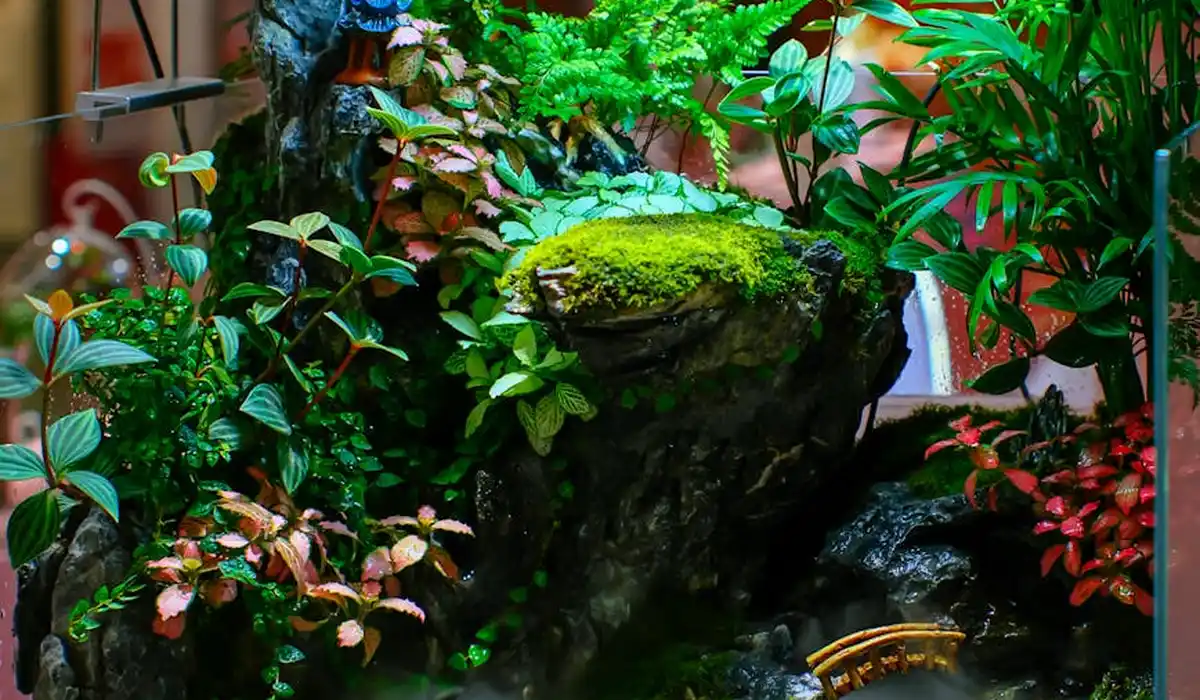
That cloudy, white film on your aquarium glass isn’t just an eyesore; it’s a clear sign of your water’s mineral content. Hard water stains, or limescale, are deposits of calcium and magnesium carbonate that build up as water evaporates, leaving the minerals behind on the glass. You’ll most often see them as a stubborn, chalky-white haze right at the waterline. When you’re cleaning hard water stains, the approach differs for glass versus acrylic tanks. Acrylic is softer and scratches more easily, so opt for gentler, non-abrasive cleaners on acrylic and reserve tougher scrubbing for glass.
Hard Water Stains vs. Other Aquarium Buildup
Not every mark on your glass is a hard water stain. Telling the difference is your first step to a proper cleanup. Here’s a quick guide:
| Type of Buildup | Appearance & Texture | Common Causes |
|---|---|---|
| Hard Water Stains (Limescale) | Cloudy, white, or off-white film; feels rough or crusty to the touch. | Evaporation of mineral-rich (hard) water. |
| Green Algae Film | Slimy, green layer that can be wiped away easily with a cloth or algae pad. | Excess light and nutrients (nitrates, phosphates) in the water. |
| Brown Diatom Algae | Dusty, brown coating that wipes off with little effort, often in new tanks. | Silicates and nitrates in the water, common in newer setups. |
| Biofilm | Whitish, stringy, and slimy; often forms on driftwood or tank surfaces. | Natural bacteria and microorganism growth; harmless and often temporary. |
The key test is texture: algae is slimy and wipes off, while hard water stains are crusty and require more effort to remove. If you run your fingernail across it and it feels like a rough, mineral crust, you’re dealing with limescale.
Safe and Effective Stain Removal from Aquarium Glass
You want that crystal-clear view back without harming your fish. The golden rule is to never use household glass cleaners or chemical sprays inside or near your aquarium. Residues from these products can be lethal to your fish, coating their gills and disrupting the entire tank’s ecosystem. Instead, use these safe, proven methods.
Method 1: The In-Tank Scrape (For Light Buildup)
For fresh or light mineral deposits, a simple physical removal while the tank is full is your best bet.
- Use a brand-new, plastic razor blade holder or an algae scraper with a stainless steel blade.
- Hold the blade at a 45-degree angle to the glass and scrape gently at the stain.
- The particles will safely fall into the water and can be removed by your filter.
This method is quick and doesn’t require you to move your fish or lower the water level. Just be gentle to avoid scratching acrylic tanks.
Method 2: The Vinegar Spot Treatment (For Stubborn Stains)
For the tough, crusty rings that won’t budge, white vinegar is your new best friend. Its mild acidity dissolves calcium carbonate without toxic chemicals.
- Siphon out some water to lower the level a few inches below the stain.
- Dip a clean cloth or paper towel in plain white household vinegar.
- Wring it out well and press it against the stained area on the *outside* of the glass, letting it sit for a few minutes.
- For interior stains, apply the vinegar directly to a clean cloth (never pour vinegar into the tank!) and scrub the area.
- Use your scraper to wipe away the now-loosened scale.
- Perform a partial water change (10-20%) to dilute any tiny amount of vinegar that may have entered the water.
I’ve found that a 1:1 mix of vinegar and water works perfectly for even the most stubborn rings without any risk to my fish. The faint smell of vinegar dissipates quickly after the water change.
Preventing Future Hard Water Stains
Stopping the stains from coming back is easier than constantly scrubbing them away.
- Use a glass canopy or a tight-fitting lid to dramatically reduce water evaporation.
- Wipe the waterline glass with a clean, dry cloth during your weekly maintenance.
- Consider using reverse osmosis (RO) or distilled water for top-offs instead of tap water, as these have had the minerals removed.
Consistently wiping down the glass during water changes is the single most effective habit for keeping those ugly white rings at bay. A little prevention saves you a lot of elbow grease later.
Cleaning Mineral Deposits from Decorations and Equipment
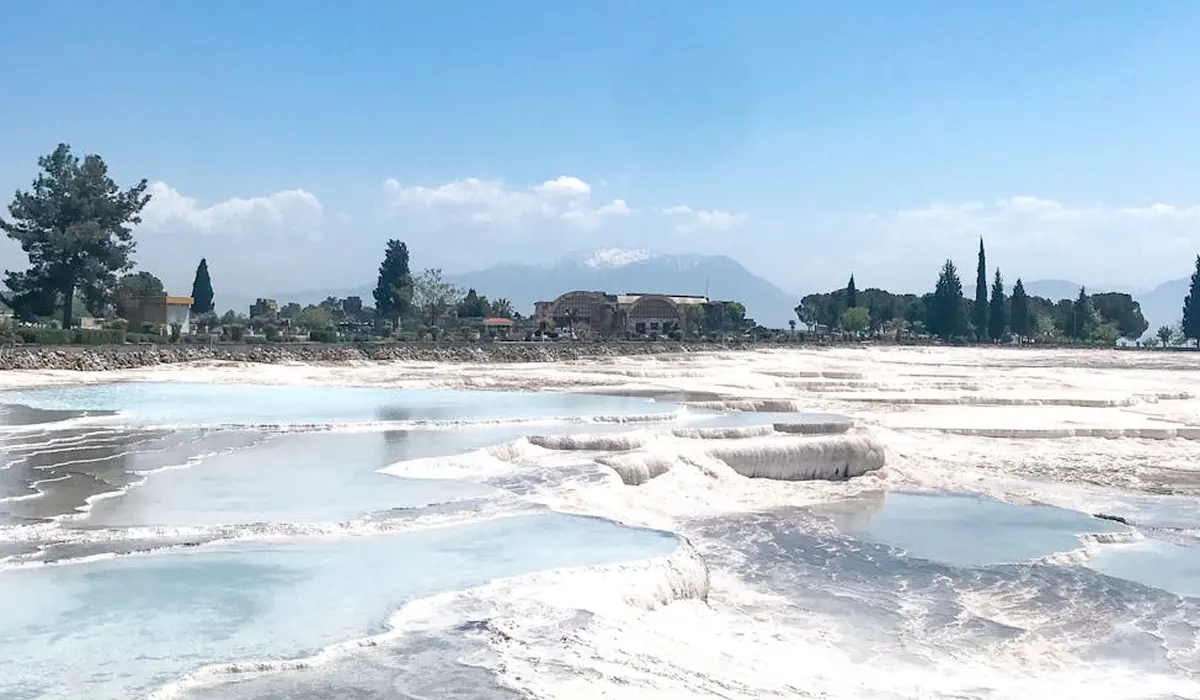
That crusty white film on your glass heater or favorite ornament isn’t just an eyesore. Over time, thick deposits can actually insulate heaters, making them work harder and potentially fail. The safest and most effective cleaner for your aquarium items is plain white vinegar. Its mild acidity dissolves calcium carbonate without leaving dangerous chemical residues.
Here is my go-to cleaning method for different items.
For Glass, Ceramics, and Plastic Decorations
- Remove the item from the aquarium.
- Submerge it in a bowl or bucket with a 1:1 mix of white vinegar and water. For stubborn stains, use full-strength vinegar.
- Let it soak for 10-30 minutes. You’ll see the deposits start to fizz and dissolve.
- Scrub gently with a soft-bristled brush or a brand-new algae pad. Never use a pad that has had soap on it.
- Rinse the item thoroughly with clean, dechlorinated water. This final rinse is critical to remove any vinegar.
- Place the clean, rinsed item back into your tank.
For Delicate Equipment (Heaters, Filter Intakes)
You don’t want to fully submerge electrical components. Instead, dampen a cloth or paper towel with vinegar and wrap it around the crusty areas. Let it sit for 5-10 minutes, then wipe the scale away. Always unplug the heater and let it cool completely first.
Avoid all soap-based cleaners, bleach, or chemical descalers not made for aquariums. Their residues can cling to surfaces and cause a toxic crash in your tank’s water quality, harming fish like my sensitive Corydoras, Shadow.
Proactive Prevention: Keeping Stains from Coming Back
Constantly scrubbing your tank is a chore nobody enjoys. The real solution is to manage the mineral content of your water before it has a chance to cling to your glass. Prevention is always easier and less stressful for your fish than a major cleaning session. Regular aquarium cleaning maintenance—quick water changes and filter upkeep—keeps the tank clean with less effort. Small, consistent tasks beat big scrubs every time.
Here are the most effective strategies to keep those white stains at bay.
Address the Source Water
- Use Reverse Osmosis (RO) or Deionized (DI) Water: This is the gold standard. An RO/DI unit filters out almost all dissolved minerals, giving you a blank slate. You then remineralize the water to the perfect parameters for your specific fish.
- Dilute Your Tap Water: If an RO system isn’t in the budget, try mixing 50% tap water with 50% distilled or RO water from the grocery store. This cuts the hardness in half and dramatically slows down deposit formation.
Maintain Your Tank Like a Pro
- Use a Glass Lid: A tight-fitting glass lid reduces evaporation. Less evaporation means the dissolved minerals in your tank water become more concentrated, leading to faster staining.
- Top Off with Pure Water: When water does evaporate, top off the tank with distilled or RO water. Only the pure water evaporates, leaving the dissolved solids behind. Adding more tap water to replace evaporation is like adding more salt to a soup that’s already too salty.
- Wipe the Waterline Daily: Keep a dedicated aquarium magnetic glass cleaner or a clean cloth by the tank. A quick once-over of the waterline each day takes seconds and prevents minerals from building up into a hard, stubborn crust.
By tackling the root of the problem, you’ll spend less time scrubbing and more time enjoying the shimmer of your fish’s scales in perfectly clear water.
Addressing the Root Cause: Managing Your Water Chemistry

Hard water stains are a visible clue that your water chemistry might be out of balance, and getting a handle on it is simpler than you might think. By focusing on your water’s general hardness (GH) and carbonate hardness (KH), you can create a stable environment where both fish and plants thrive without the chalky buildup.
I test my aquarium water every week with a liquid test kit, and it’s become a quick ritual that saves me from bigger headaches later. Consistent monitoring lets you spot trends, like a creeping rise in minerals, before they affect your fish’s health or cloud your view, which is crucial for maintaining proper water parameters.
How to Test and Interpret Your Water Hardness
You can pick up a reliable GH/KH test kit at any fish store, and it’s a small investment for peace of mind. Here’s a simple way to understand your results and what they mean for your tank:
- General Hardness (GH) measures calcium and magnesium-aim for 4-8 dGH for many tropical fish, but some, like African cichlids, love it much higher.
- Carbonate Hardness (KH) acts as a buffer for pH; keep it around 3-8 dKH to prevent sudden pH swings that stress fish.
- If your tap water tests over 12 dGH, you’re dealing with hard water that can leave stains and impact sensitive species.
When my own tap water read 15 dGH, I noticed my betta, Captain Fin, seemed less vibrant until I made adjustments. Tailoring your water to your fish’s natural preferences reduces stress and can even encourage breeding behavior in species like corydoras or tetras.
Practical Steps to Soften Hard Water
You don’t need fancy equipment to make a difference-start with partial water changes using softened water. Mixing reverse osmosis (RO) water with your tap water is a method I use to dial in the perfect hardness without shocking the tank.
- Test your tap water and RO water to know their GH/KH levels.
- Blend them in a separate container before adding to the aquarium; a 50/50 mix often gets you into a safer range.
- Add a remineralizer to RO water if needed, especially for fish that require some minerals, like livebearers.
For a low-tech approach, I’ve used peat moss in my filter media to gently soften water over time. Adding driftwood or Indian almond leaves can also slowly release tannins that lower hardness and create a soothing, blackwater effect many fish enjoy.
Remember, sudden changes are more harmful than consistent conditions, so adjust gradually over days. Your fish will thank you with brighter colors and more active swimming when their water feels like home. This is especially important when acclimating fish after a water change.
Common Questions
How do you remove hard water stains from a bathtub?
For a bathtub, you can use a commercial hard water stain remover or create a paste from baking soda and vinegar. Apply the cleaner, let it sit to break down the mineral deposits, and then scrub with a non-abrasive pad. Always rinse the surface thoroughly after cleaning to remove any residue.
What is the best way to clean hard water stains off windows?
A mixture of white vinegar and water is highly effective for cleaning hard water stains from windows. Spray the solution onto the glass and wipe it clean with a microfiber cloth to avoid streaks. For stubborn, crusty deposits, a razor blade held at an angle can carefully scrape the scale off the glass without scratching it. You can also use similar methods to remove hard water stains from aquariums.
How can I get rid of hard water stains in my toilet?
Pour a cup of white vinegar or a commercial citric acid-based cleaner into the toilet bowl and let it sit for several hours, or overnight for tough stains. Use a toilet brush to scrub away the dissolved deposits, focusing on the stained areas at the water line. Flushing will then rinse away the residue and reveal a cleaner bowl.
What removes hard water stains from eyeglasses?
To clean hard water stains from eyeglasses, use a drop of dish soap and lukewarm water, gently rubbing the lenses with your fingers. A microfiber cloth is ideal for drying and polishing the lenses without leaving scratches. Avoid using harsh chemicals or vinegar, as they can damage special lens coatings. Similarly, when cleaning a fish tank, use a soft cloth to prevent scratches on the glass or acrylic. Avoid abrasive pads or harsh cleaners near the tank.
Your Hard Water Questions, Answered
Hard water stains are a cosmetic issue for you, not a direct health crisis for your fish. The real concern is the mineral imbalance they signal, so focus on maintaining stable water parameters that suit your specific aquatic life—hard water stains can indicate underlying issues.
Staying observant and learning about your tank’s unique chemistry is a core part of being a great fish keeper. Your commitment to understanding their world is what transforms a simple tank into a thriving, shimmering ecosystem.
Further Reading & Sources
- Hard Water Stains | Cleaning and Maintenance Forum
- Removing Hard Water Stains from an Aquarium – YouTube
- impossible hard water stains | Aquarium Forum
- How To Remove Hard Water Stains From Fish Tanks – Cuteness
- r/Aquariums on Reddit: Impossible to remove hard water stains on fish tank
Lia is an expert in aquarium and pet fish care. Having worked in the marine industry and having cared for multiple pet fish, she has acquired first hand expertise on aquarium care, maintenance and setup. She always brings her practical expertise and science to help solve any aquarium related queries.
Water Quality