
Conquer Hard Water Stains: Your Path to a Pristine Aquarium
Hello fellow fish keepers, if you’re tired of seeing that cloudy, white film ruin the crystal-clear view of your underwater paradise, you’ve come to the right place. Those stubborn stains are more than just an eyesore-they can signal imbalances that affect your entire aquatic ecosystem.
This guide will walk you through everything you need to know, covering:
- The root causes of hard water stains and where they come from
- Practical, daily habits to prevent stains from forming
- How your tap water’s mineral content directly impacts your tank
- Easy maintenance routines for long-term clarity
With years of hands-on experience breeding fish and managing high-tech planted tanks, I’ve tackled hard water issues from every angle to keep my own aquariums sparkling.
What Is Hard Water in an Aquarium?
Hard water simply means your water has a high mineral content, primarily calcium and magnesium. When you top off your tank, these dissolved minerals don’t just disappear. They stay behind, becoming more and more concentrated over time.
Think of it like making a cup of tea; the water evaporates, but the tea leaves and sugar remain, making the next sip much stronger. Your aquarium water works the same way, with minerals instead of sugar.
How Water Hardness Impacts Your Aquatic World
Water hardness directly affects your fish’s internal functions and the overall tank balance. Fish from soft water rivers, like many tetras, must work harder to maintain their osmotic balance in hard water, which can cause long-term stress.
For many species, consistent water parameters are far more critical than achieving a “perfect” hardness number. A sudden shift from soft to hard water is much more dangerous than a stable, slightly hard environment.
Hard water also influences your tank’s pH, typically making it more alkaline and stable. This can be a huge benefit, creating a buffer that prevents dangerous pH crashes.
Fish and Plants That Thrive in Hard Water
If you have hard tap water, lean into it! Many beautiful and popular aquarium inhabitants originate from hard water habitats and will do wonderfully.
- Livebearers: Guppies, Platies, Mollies, and Swordtails absolutely need the minerals found in hard water for their bone development and overall health.
- African Cichlids: Fish from the Rift Valley lakes of Africa, like Mbuna, require very hard, alkaline water to thrive and display their best colors.
- Certain Snails: Nerite and Mystery Snails need calcium from hard water to build and maintain their strong, healthy shells.
For plants, several species adapt well. Anubias, Java Fern, and Vallisneria are tough plants that can handle a range of conditions, including harder water. You might see slower growth compared to a soft water, high-tech tank, but they will still grow lush and green.
What Makes Hard Water Stains Form on Glass?
Those stubborn white, crusty marks are not just an eyesore; they are a direct record of your tank’s evaporation history. They form when mineral-rich water evaporates, leaving the dissolved calcium and magnesium behind on the glass.
The Role of Evaporation and Mineral Buildup
Every time water molecules escape into the air, the minerals they were carrying get left on the nearest surface. The most common place you see this is at the waterline, creating that characteristic white crust or film.
Splash from filters or air stones accelerates this process, leaving mineral deposits higher up on the glass as the tiny droplets quickly evaporate. The hotter and drier the room, the faster water evaporates, and the quicker these unsightly deposits will appear.
How Water Chemistry Fuels Stains
The primary culprit for the toughest stains is a specific form of hardness called carbonate hardness (KH). This acts as your tank’s pH buffer. When the pH of water is high (alkaline), the calcium and carbonate ions in the water are more likely to combine and form solid calcium carbonate-the same substance that makes up limestone and those white stains on your glass. Understanding GH and KH in aquarium water hardness is crucial for managing these issues effectively.
Essentially, the higher your KH and pH, the more readily those chalky, hard water stains will form and cling to every surface. This is why a tank with low KH might have evaporated water spots, but a tank with high KH develops a thick, cemented-on crust that is a real challenge to remove. In the context of aquariums, understanding water hardness, alkalinity, and pH is key to preventing that buildup. Our complete guide to water hardness, alkalinity, and pH in aquariums walks you through balancing KH to keep stains at bay and maintain stable tank conditions.
Proactive Ways to Prevent Hard Water Stains
Smart Water Source Choices
Hard water stains form when minerals like calcium and magnesium evaporate and leave behind a crusty, white film. Choosing the right water for your tank is the single most effective way to stop these stains before they start. Your tap water might be the culprit if it has a high general hardness (GH). Water softeners and RO systems can lower the calcium and magnesium levels in your water, reducing the minerals that cause those stains. Using softened or RO water for your tank can help keep glass and decor looking cleaner longer.
I always test new water with a simple liquid test kit. If your GH reads higher than 8 dGH, you are likely dealing with hard water that will leave deposits. For my sensitive bettas and corydoras, I avoid straight tap water.
- Reverse Osmosis (RO) Water: This is my go-to for creating a blank slate. An RO system filters out nearly all minerals, giving you complete control over water parameters.
- Distilled or Deionized Water: These are excellent, pure options you can buy at the store. They are perfect for topping off your tank to replace evaporated water, as this prevents mineral concentration.
- Conditioned Tap Water Mix: If RO water isn’t an option, you can soften your tap water. I mix 50% tap water with 50% RO or distilled water to achieve a safer GH around 6 dGH.
Remember, some fish need minerals. Always remineralize pure RO or distilled water with a product like Seachem Equilibrium before using it for a water change to support fish health. This lets you add back only what your specific fish and plants need.
Daily Habits to Keep Stains at Bay
Prevention is about consistent, small actions. Making a few simple habits part of your routine will keep your glass sparkling clear with very little effort. The goal is to never give minerals a chance to build up.
After every water change, I take one extra minute. Use a clean, damp aquarium sponge or a dedicated magnetic glass cleaner to wipe down the inside glass where the water line sits. This removes the thin film of minerals before it bakes on.
- Top Off with Soft Water: Water evaporation leaves minerals behind, making the remaining water harder. Always top off your tank with pure distilled or RO water, not more tap water. This habit alone drastically reduces stain formation.
- Use a Tight-Fitting Lid: A good cover slows evaporation. Less evaporation means minerals stay dissolved in the water column instead of crusting on your glass. It also keeps jumpers like my betta, Captain Fin, safe.
- Wipe the Exterior Dry: Splashes happen. Quickly drying the outside of the tank and the hood with a soft cloth after maintenance stops external water spots from forming.
Consistency is key. These five-minute habits save you from hours of scrubbing later and keep your underwater view perfectly pristine.
Safe Methods to Remove Existing Hard Water Stains
Tools and Natural Cleaners That Work
If you already have those unsightly white rings, don’t worry. You can safely remove hard water stains without using harsh chemicals that could poison your fish. I’ve cleaned stains off dozens of tanks, and gentle, natural methods are always best.
For glass aquariums, a brand-new razor blade holder is incredibly effective. Hold the blade at a 45-degree angle and gently scrape the mineral deposits off the glass. The satisfying scrape reveals clear glass underneath. Never use a razor on acrylic tanks, as it will scratch them deeply. To prevent scratches during cleaning, use light pressure and non-abrasive tools (like plastic scrapers or magnetic cleaners) for tougher spots.
For acrylic tanks or more stubborn stains on glass, a vinegar solution is my trusted ally.
- Create Your Cleaner: Mix one part white vinegar with one part water in a spray bottle.
- Apply Safely: Turn off all equipment. Spray the solution directly onto a clean cloth or paper towel, not into the tank water, to avoid altering the pH.
- Scrub and Rinse: Wipe the stained areas thoroughly. For thick crust, let the vinegar sit for a minute before wiping. Follow immediately by wiping the area with a cloth rinsed in clean water to remove any vinegar residue.
Lemon juice also works well due to its citric acid. Simply rub a cut lemon wedge directly on the stain, then rinse the area clean. The fresh smell is a nice bonus. Always do a final wipe with pure water to ensure no cleaner is left behind for your fish.
For really tough, caked-on limescale, a dedicated aquarium-safe glass scraper with a plastic blade can provide more scrubbing power without the risk of scratches. To tackle algae as well, pair that scraper with an aquarium-safe algae pad or magnet cleaner. They can remove films and stubborn growth without scratching the glass. Your tank will look brand new again, and your fish will thank you for the clear view.
Choosing the Right Inhabitants for Hard Water Tanks
Fish That Love Mineral-Rich Waters
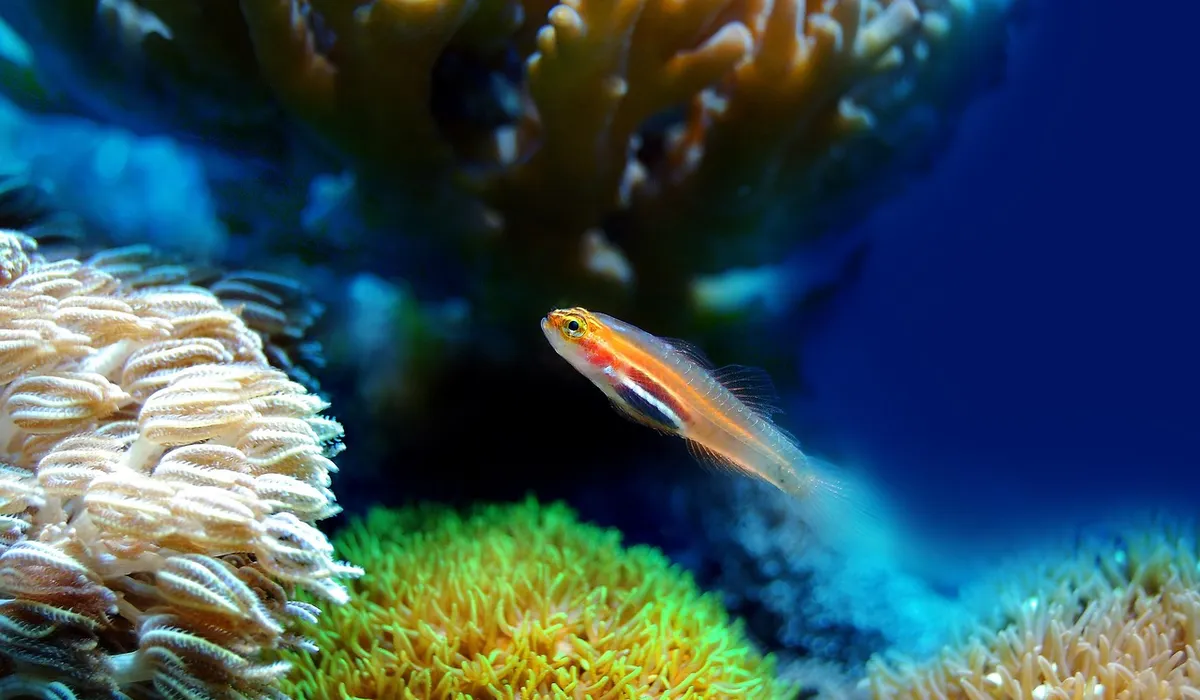
If your tap water is naturally hard, you can save yourself a lot of stress by picking fish that evolved to thrive in those conditions. Choosing fish that match your water’s hardness from the start is the single best way to prevent health issues and mineral buildup on your tank walls. I’ve found that African Cichlids from Lake Malawi and Tanganyika are absolute champions in hard, alkaline water, showing off vibrant colors when their environment is just right.
Livebearers like Guppies, Mollies, and Platies are another fantastic choice for a bustling community tank. Their active swimming and constant breeding are a clear sign they feel right at home in mineral-rich water. You’ll notice their scales shimmer with health when the water parameters suit their needs, and they help keep the ecosystem lively without you constantly fighting the water chemistry.
- African Cichlids: Ideal for pH levels of 7.8 to 8.5 and high general hardness (GH).
- Guppies and Mollies: Thrive in GH levels above 150 ppm, adding dynamic movement to your aquarium.
- Swordtails and Rainbowfish: Hardy species that tolerate a wide range, but truly flourish in harder water.
Plants That Flourish with Less Fuss
Some aquatic plants actually benefit from the extra calcium and magnesium in hard water, using those minerals to build stronger cell walls. Sturdy plants like Anubias and Java Fern attach to rocks or driftwood, and their dark green leaves resist the whitish crust that hard water can leave behind. I’ve anchored these in my own tanks, and they’ve grown steadily with minimal intervention, even when mineral deposits form on the glass.
Vallisneria and Amazon Swords are rooted plants that can handle higher GH levels, often sending out runners to create a lush underwater meadow. Their robust growth helps absorb excess minerals, indirectly reducing the rate of stain formation on your aquarium surfaces. You’ll see them reach for the light without the yellowing or melting that fussier plants might show in unbalanced water.
- Anubias species: Slow-growing and low-light tolerant, perfect for GH of 100-200 ppm.
- Java Fern: Attaches to hardscape; thrives in pH 6.5-7.5 but adapts to harder water.
- Vallisneria: Prefers GH around 100-150 ppm and spreads quickly to fill the background.
Testing and Balancing Your Aquarium’s Water Hardness
Using Test Kits and Adjusters Effectively
Regular testing is your best defense against surprise mineral stains and unhappy fish. I use a liquid GH/KH test kit every two weeks to catch changes before they lead to cloudy water or crusty buildup on the heater and filter. The process is simple: fill the test tube with tank water, add drops until the color shifts, and count them to get your hardness in degrees or ppm.
If your tests show hardness is too high for your current fish, you can gently lower it by mixing in reverse osmosis (RO) water during water changes. Blending 25% RO water with 75% tap water is a safe, gradual method to soften your aquarium without shocking your inhabitants. Always remeasure after adjusting to ensure stability, because sudden swings can stress fish more than the hardness itself.
- Collect a water sample from the middle of your tank, away from decorations.
- Follow the test kit instructions precisely, shaking reagents well.
- Record your GH and KH results to track trends over time.
- For high hardness, use peat moss in the filter or commercial water softeners as directed.
When hardness is too low, adding crushed coral or aragonite to your substrate can slowly release minerals. This natural buffering method maintains a stable pH and hardness, preventing the rapid shifts that encourage stain formation. I keep a small bag of crushed coral in my filter media for tanks with soft water fish, and it keeps the water crystal clear for months.
Common Questions
What are hard water aquarium fish?
Hard water aquarium fish are species that naturally thrive in water with high mineral content, specifically calcium and magnesium. Popular examples include African Cichlids from the Rift Valley lakes and livebearing fish like Guppies, Platies, and Mollies. In a complete guide to water hardness, GH (general hardness) and KH (carbonate hardness) explain how these minerals are measured and how they influence these species. These minerals support osmoregulation and bone development, so maintaining appropriate GH and KH is key for a healthy hard-water aquarium.
What are hard water aquarium plants?
Hard water aquarium plants are robust species that can tolerate or even benefit from the elevated mineral levels in hard water. Excellent choices include Anubias and Java Fern, which are known for their toughness and ability to attach to hardscape. Other adaptable plants like Vallisneria and Amazon Swords can also flourish, using the available calcium and magnesium for stronger growth.
What is an aquarium water hardness test kit?
An aquarium water hardness test kit is a tool used to measure the mineral content in your tank water. It typically measures General Hardness (GH), which is the concentration of calcium and magnesium, and Carbonate Hardness (KH), which stabilizes pH. Regular testing with a liquid test kit allows you to monitor your water parameters and make informed decisions to prevent issues like mineral stains and ensure a healthy environment for your fish. Be sure to check out our guide on essential aquarium water testing kits and how to use them for more comprehensive insights.
What is the Hard Water Aquarium Reddit?
The Hard Water Aquarium Reddit refers to online communities on the social platform Reddit where aquarists discuss managing tanks with hard water. In these forums, you can find advice on everything from selecting compatible fish and plants to solving common problems like limescale and stain removal. It’s a valuable resource for sharing experiences and getting real-world tips from other hobbyists facing similar challenges. Many discussions also reference an ultimate aquarium problem solver step-by-step diagnostic checklist as a practical guide for systematic troubleshooting. It helps hobbyists organize checks—from water parameters to equipment quirks—so problems can be identified and fixed efficiently.
Your Blueprint for a Stain-Free Tank
Hard water stains form when minerals like calcium and magnesium from tap water dry on your aquarium glass. Prevent these unsightly marks by using distilled or reverse osmosis water for top-offs and clean the glass regularly with a simple vinegar-water mix. Learn more about cleaning hard water stains from glass and acrylic aquariums.
Consistent care is the heart of responsible fish keeping, ensuring your aquatic pets thrive in a healthy home. Stay curious and keep educating yourself on water chemistry and tank maintenance-your fish will thank you for it with their vibrant colors and active behavior.
Further Reading & Sources
- impossible hard water stains | Aquarium Forum
- How to Clean Hard Water Stains in an Aquarium | Pets on Mom.com
- Removing Hard Water Stains from an Aquarium – YouTube
- How To Remove Hard Water Stains From Fish Tanks – Cuteness
- r/Aquariums on Reddit: Impossible to remove hard water stains on fish tank
Lia is an expert in aquarium and pet fish care. Having worked in the marine industry and having cared for multiple pet fish, she has acquired first hand expertise on aquarium care, maintenance and setup. She always brings her practical expertise and science to help solve any aquarium related queries.
Water Quality