
Say Goodbye to Hard Water Stains: How Water Softeners and RO Systems Clear Your Aquarium
Hello fellow aquarium enthusiasts! If you’ve ever battled those chalky, white marks clouding your tank glass, you know how stubborn hard water stains can be. This guide will show you exactly how water softeners and RO systems can eliminate this nuisance for good.
We’ll explore the key aspects of managing water hardness, including: the root cause of hard water stains, how water softeners change your water’s chemistry, the purification power of reverse osmosis systems, and practical steps to implement these solutions safely.
With years of experience maintaining high-tech planted tanks and breeding fish like bettas and corydoras, I’ve tested these methods to keep water pristine.
What Causes Those Cloudy Hard Water Stains in Your Aquarium?
Those frustrating white films and spots are almost always limescale, a crusty buildup of calcium carbonate and magnesium deposits. Think of every drop of water that evaporates from your tank as leaving behind a tiny mineral footprint on the glass. Over time, thousands of these footprints stack up, creating that cloudy, chalky residue you have to scrub away.
The core of the issue lies in your water’s mineral content. Here are the main factors that accelerate this staining:
- High GH/KH: General Hardness (GH) measures calcium and magnesium, while Carbonate Hardness (KH) is your water’s buffering capacity. High levels of both mean more minerals are available to form scale.
- Your Tap Water Source: If you live in an area with naturally “hard” groundwater, your tap water is essentially pre-loaded with these dissolved minerals, constantly topping them off with every water change.
- Frequent Water Changes: While vital for fish health, regularly adding new hard water introduces a fresh batch of scale-forming minerals, especially noticeable around the waterline where evaporation is most active.
How Water Softeners Work to Prevent Mineral Buildup
A traditional salt-based water softener is like a mineral bouncer for your home’s water supply. It uses a process called ion exchange to physically remove the calcium and magnesium ions that cause hardness.
- Hard water enters a tank filled with tiny resin beads charged with sodium or potassium ions.
- As the water flows past these beads, the resin grabs onto the “hard” calcium and magnesium ions with a strong preference.
- To maintain a electrical balance, the resin releases its softer sodium or potassium ions into the water in exchange.
- The water leaving the softener is now considered “soft,” with the scale-forming minerals left behind on the resin.
The primary benefit for your aquarium is a dramatic reduction in those cloudy stains on the glass and equipment. Using softened water can be a game-changer for keeping your viewing panels crystal clear with far less scrubbing. It also creates a safer environment for fish that are sensitive to dissolved minerals, like some tetras or discus.
But there’s a critical limitation to understand. A water softener does not significantly lower the Total Dissolved Solids (TDS) in the water; it just swaps one type of dissolved solid for another. The sodium ions it adds still contribute to the overall TDS, which can be a concern if you are trying to breed very soft water species or keep a heavily planted tank.
RO Systems: The Pure Water Solution for Stain Control
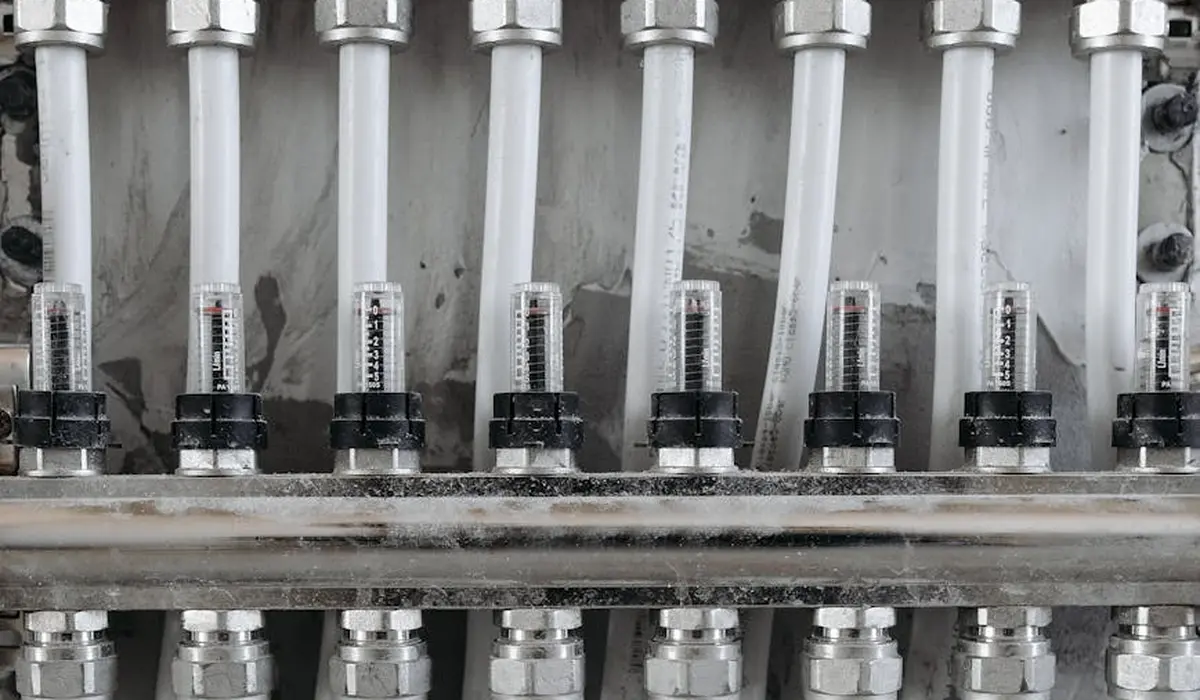
Think of a Reverse Osmosis (RO) system as the ultimate water purifier for your aquarium. It works by forcing your tap water through a special membrane with incredibly tiny pores. These pores are so small that they block nearly everything except the water molecules themselves. The RO membrane acts like a super-fine sieve, physically filtering out the dissolved minerals like calcium and magnesium that cause hard water stains. In this complete guide to using RO water in aquariums, you’ll learn how to apply RO water effectively. The guide also covers remineralization and balancing your tank’s water chemistry for healthy fish and thriving plants.
The effect on your water parameters is dramatic. An RO unit strips the water almost completely bare. Your General Hardness (GH) and Carbonate Hardness (KH) will plummet to near zero. Your Total Dissolved Solids (TDS) meter, which measures everything dissolved in the water, will show a reading that’s a small fraction of your tap water’s starting point. This creates a literal blank slate of pure H2O, giving you total control over your aquarium’s mineral content and eliminating the source of those crusty white stains for good.
This purity, however, creates a new responsibility. Fish and plants need specific minerals to live and thrive. Using 100% RO water can be dangerous, as it lacks the necessary electrolytes for basic biological functions and has no pH-buffering capacity. You absolutely must remineralize RO water before adding it to your aquarium to support fish health and osmoregulation. I use a commercial remineralizing salt designed for aquariums, which lets me dial in the exact GH and KH my specific fish require, from soft-water Tetras to harder-water Livebearers.
Comparing Water Softeners vs. RO Systems for Your Tank
Choosing between these two systems depends entirely on your goals, budget, and the specific needs of your aquatic pets. Here’s a quick comparison to help you decide. If you’re new to the hobby, freshwater setups are often the easiest and most affordable for beginners. We’ll compare freshwater vs saltwater in terms of beginner-friendliness to help you choose the best option.
- Cost: Traditional whole-house water softeners generally have a higher initial purchase and installation cost. Under-sink RO systems are often more affordable upfront but require ongoing filter changes.
- Maintenance: A water softener needs periodic refills with bags of salt. An RO system needs its sediment, carbon, and RO membranes replaced on a schedule, typically every 6-12 months for the membrane.
- Effectiveness: A softener trades scale-forming minerals for non-scale-forming sodium. An RO system physically removes almost all minerals, providing truly pure water.
| Feature | Water Softener | RO System |
|---|---|---|
| Mineral Removal | Exchanges calcium/magnesium for sodium | Physically removes nearly all dissolved minerals |
| Effect on GH/KH | Lowers GH, KH remains similar | Reduces both GH and KH to near zero |
| Stain Prevention | Excellent at preventing new stains | Perfect at preventing new stains |
| Water for Fish | Can be used directly for many hard-water species | Must be remineralized before use for all species |
So, which system works best for your situation? If your tap water is only moderately hard and you keep fish like Guppies or African Cichlids that appreciate the mineral content, a water softener is a fantastic, low-hassle solution for stain control. You can often use the softened water directly in the tank. If your water is extremely hard, you are breeding sensitive soft-water fish like Discus, or you demand the absolute purest starting point for a perfectly tuned aquarium, an RO system with remineralization is the superior choice. It gives you complete, precise control over your water chemistry.
Step-by-Step Guide to Removing Existing Hard Water Stains
-
Grab a spray bottle and mix one part white vinegar with one part dechlorinated water. This mild acidic solution safely dissolves calcium and lime scale without leaving toxic residues behind. Lightly spray the stained areas on the glass, wait five minutes, then gently wipe with a soft, non-abrasive cloth or an aquarium-safe algae pad. Be sure to use appropriate cleaning methods for your aquarium type to avoid damage.
-
Steer clear of any cleaning product not labeled for aquarium use. Household sprays often contain perfumes, ammonia, or phosphates that can poison your water and stress fish like Shadow. I learned this the hard way when a well-meaning friend used glass cleaner near my tank-thankfully, I caught it in time. For aquarium cleaning maintenance, stick to products labeled for aquarium use. Clean with tools dedicated to tanks to avoid contamination.
-
For crusty white rings on the glass rim or equipment, use a plastic razor blade or a dedicated aquarium algae scraper. Applying slight pressure at a shallow angle helps lift stubborn deposits without scratching the surface. For algae on the glass, a dedicated aquarium algae scraper or magnetic cleaner can remove it effectively without scratching. Soak filter parts or heaters in a vinegar-water bath for 30 minutes, then rinse thoroughly before returning them to the tank.
Preventing Future Stains with Smart Water Treatment
-
Always use softened, RO, or distilled water for top-offs and water changes. This simple habit stops new minerals from entering the tank and forming those chalky marks. I keep a dedicated jug of treated water next to my aquarium for easy access.
-
Test your water’s general hardness (GH) and carbonate hardness (KH) weekly with a reliable test kit. Stable readings between 4-8 dGH for most community tanks help maintain balance and clarity. Sudden spikes often mean it’s time to change your filter media or adjust your water source. Regular testing helps you maintain proper water parameters in your aquarium. Keep notes of your readings to track trends over time.
-
Place a tight-fitting lid on your aquarium to slow evaporation. Less water loss means fewer minerals concentrate on the glass. You can also add Indian almond leaves or a mesh bag of peat to your filter-these natural items slowly release tannins that soften water over time.
Balancing Water Chemistry for Healthy, Happy Fish
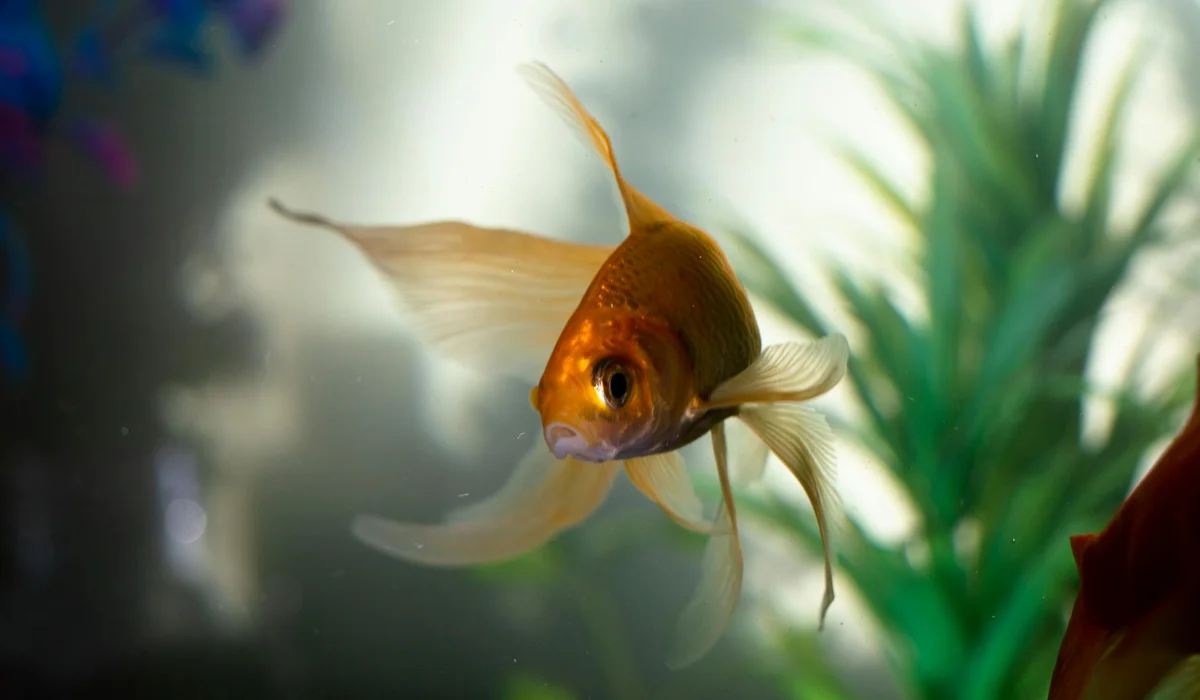
Using pure RO water in your tank is like serving distilled water to your fish; it lacks the essential minerals their bodies need to function. Remineralizing RO water is not optional-it’s a mandatory step to replenish the calcium and magnesium that fish use for everything from bone development to proper nerve function. I always use a commercial remineralizer designed for aquariums, as it gives me precise control over the final water parameters my specific fish require.
Stable alkalinity (KH) acts as your aquarium’s pH buffer, preventing dangerous and rapid pH crashes that can shock your entire ecosystem. When your water’s general hardness (GH) and alkalinity are stable, your fish aren’t constantly adapting to a changing environment, which drastically reduces their stress levels. Think of it as providing a consistent, comfortable home instead of one where the temperature and air quality swing wildly every day.
Once you achieve that mineral balance, you’ll see a direct impact on your fish’s well-being. The shimmer of their scales becomes more intense, and their behavior shifts from lethargic hiding to active, curious exploration of their pristine environment. My Betta, Captain Fin, becomes far more vibrant and interactive when his water is perfectly balanced, a clear sign he’s not just surviving, but truly thriving.
FAQs
Is softened water safe for all aquarium fish?
Softened water is generally safe for fish that prefer hard water, such as guppies or African cichlids, as it reduces scale-forming minerals. However, for soft-water species like discus or tetras, the added sodium ions can stress them due to higher total dissolved solids. Always check your fish’s specific water parameter needs before using softened water directly in the tank.
How do I remineralize RO water for my fish tank?
Use a commercial aquarium remineralizer to add essential minerals like calcium and magnesium back into pure RO water. Follow the product instructions to achieve the ideal General Hardness (GH) and Carbonate Hardness (KH) for your fish species. Test the water with a reliable kit to ensure it meets the required levels before adding it to your aquarium. (Learn more about GH and KH in aquariums).
What is the maintenance schedule for water softeners and RO systems?
Water softeners need salt refills every few weeks or months, depending on usage and hardness levels. RO systems require regular filter changes: pre-filters every 6-12 months and the RO membrane annually. These maintenance tasks are essential for a healthy tank, and the exact frequency can vary with your setup and usage. Consult your equipment manuals for the recommended intervals. Staying on top of maintenance prevents clogs and ensures consistent water quality for your aquarium.
Can I use a water softener and RO system in combination?
Yes, combining a water softener with an RO system can protect the RO membrane from scaling and extend its lifespan. This setup allows you to use softened water for general purposes and pure, remineralized RO water for your aquarium. Just remember to remineralize the RO output to support fish health and stability.
Your Clear Path Forward
Stick with RO or deionized water for a truly clean slate, and always remember that a salt-based water softener is not a safe substitute for your aquarium. This simple choice, paired with consistent wiping and water changes, will keep your glass sparkling and your aquatic environment stable.
Caring for your fish means caring for every part of their world, starting with the water they live in. Stay curious, keep testing your water parameters, and your beautiful, clear tank will be a testament to your dedication.
Further Reading & Sources
- Amazon.com: Aquarium Water Softener
- API® | WATER SOFTENER PILLOW
- Water softeners, bad for aquariums? | The Planted Tank Forum
- Aquarium Water Softener
- Use water from water softener | Aquarium Water Forum
Lia is an expert in aquarium and pet fish care. Having worked in the marine industry and having cared for multiple pet fish, she has acquired first hand expertise on aquarium care, maintenance and setup. She always brings her practical expertise and science to help solve any aquarium related queries.
Water Quality