
How to Disinfect Your Fish Tank: A Safe, Step-by-Step Guide
Hello fellow aquarists. That moment you spot a nasty disease or plan a fresh start can feel overwhelming. You need a clean slate without harming your future fish, and I’m here to guide you through it safely.
This straightforward guide will walk you through the entire process, covering:
- Knowing exactly when a full disinfect is necessary versus a simple clean.
- Choosing the safest cleaning agents that won’t leave toxic residues.
- A foolproof, step-by-step tank disinfecting process you can follow with confidence.
- How to properly restart your tank for a healthy, stable ecosystem.
I’ve used these exact methods for years while maintaining high-tech planted tanks and breeding sensitive fish.
When Is It Time to Disinfect Your Aquarium?
You don’t need to disinfect your tank with every weekly water change. A healthy tank thrives on its established beneficial bacteria. Disinfection is a major reset, and knowing when to pull that lever saves you work and protects your ecosystem.
Watch for these specific signs. If your fish show clamped fins, rapid gill movement, or unusual spots that don’t resolve with basic treatment, it’s a major red flag. Persistent disease, especially something like Ich that has a life cycle in the tank itself, is a clear signal for a full disinfect.
- After a Disease Outbreak: Once you’ve moved sick fish to a hospital tank, disinfect the main display. This kills any lingering parasites or bacteria in the water column and on surfaces.
- New Tank from an Unknown Source: A used tank from a garage sale or online marketplace is a mystery box. Disinfecting it first is non-negotiable to avoid introducing problems.
- Stubborn Algae Blooms: If you’re fighting a constant, slimy coat of blue-green algae (cyanobacteria) that water changes can’t beat, a disinfect can break its cycle.
- Unexplained Fish Deaths: When you lose multiple fish in a short time without an obvious cause, disinfecting the tank removes an unknown environmental toxin as a variable.
- Severe Parasite Infestations: Parasites like Anchor Worms leave eggs that can survive in the tank. A full disinfect ensures you don’t just treat the fish, but their environment too.
Assembling Your Disinfection Toolkit
Having everything ready before you start makes the process smooth and safe. You don’t want to be searching for a sponge with bleach-soaked hands. I keep all of this in a single bucket I only use for tank maintenance.
Here are the must-have items for a proper disinfect.
- Unscented Household Bleach: This is your primary disinfectant. It must be plain, unscented bleach without any added gels or cleaners.
- White Vinegar: Perfect for tackling hard water stains and mineral deposits on glass before you even start with bleach.
- Hydrogen Peroxide (3%): A great, fish-safe alternative for delicate items or for a final wipe-down to ensure all bleach residue is neutralized.
- New, Soft Sponges & Algae Scraper: Use brand-new sponges to avoid contaminating the tank with old grime. A good scraper handles any leftover biofilm.
- Gravel Vacuum: You’ll use this to remove the disinfecting solution and then for multiple rinses afterward.
- A High-Quality Dechlorinator: This is your most critical safety item. It neutralizes the bleach, making the tank safe for fish again.
Beyond the basics, a few optional tools can give you extra peace of mind.
- UV Sterilizer: After disinfecting, running a UV sterilizer in the tank for a week can help ensure any free-floating pathogens are eliminated.
- Test Kits: Having fresh tests for ammonia and nitrites is vital. After a disinfect, your tank will be cycling again, so you must monitor these parameters daily when you re-stock.
Step-by-Step Guide to Thorough Fish Tank Disinfection
Step 1: Safely Remove Fish and Plants
Your first job is to relocate your aquatic friends to a safe spot. I use a clean 5-gallon bucket filled with water from the main tank to keep stress levels low. Always treat this holding water with a dechlorinator to neutralize any harmful chlorine or chloramines that could harm your fish. Add an air stone for oxygen and a small heater if you have one to maintain a stable temperature. Gently net your fish and float the bag or container in the holding water for 15 minutes to equalize temperatures before release. For acclimation after a water change, slowly mix in small amounts of the main tank water to the holding container over 15–20 minutes, then release.
Step 2: Empty and Dismantle the Aquarium
Once your fish are secure, start by unplugging all electrical equipment. Use a siphon or a clean bucket to drain the tank water completely. Take apart your filter, heater, and any pumps, laying out the components on a clean towel so you don’t lose any small parts. Remove all decorations, rocks, and substrate, placing them in a separate basin for cleaning. This thorough teardown ensures no hidden grime is left behind. This is part of performing a deep clean of your aquarium, step by step. The following steps will walk you through scrubbing, rinsing, and reassembling for a pristine tank.
Step 3: Scrub and Clean All Surfaces
With the tank empty, grab a new, soft sponge or a dedicated algae scraper. Avoid any scrubbers used for household cleaning to prevent chemical contamination. Scrub the interior glass or acrylic in circular motions to lift off algae and biofilm, paying extra attention to corners where debris loves to hide. For stubborn spots, a bit of elbow grease works better than harsh chemicals. Rinse everything with warm water to wash away loosened gunk.
Step 4: Apply Disinfectant Solutions
Now it’s time to kill any lingering pathogens. Choose a disinfectant like bleach, vinegar, or hydrogen peroxide based on your comfort level and the severity of the issue. Apply your chosen solution to all tank surfaces, decorations, and equipment, making sure to cover every nook and cranny where bacteria could lurk. Let it sit for the recommended contact time, which we’ll detail in the next section, to ensure effectiveness. This is especially important when you need to clean and disinfect a tank after a fish disease outbreak.
Step 5: Rinse Everything Thoroughly
After the disinfectant has done its job, rinse all items under running water multiple times. If you used bleach, add a dechlorinator to the final rinse water to break down any residual chlorine that could harm your fish later. I always do a sniff test—if you can’t detect any chemical smell, you’re on the right track. Repeat rinsing until the water runs completely clear and odor-free. Keeping equipment clean helps improve water quality in your aquarium and supports healthy fish. Clean gear means fewer toxins and stress for your aquatic pets.
Step 6: Allow Complete Drying
Patience is your best friend in this final step. Place all cleaned items in a well-ventilated area and let them air-dry for at least 24 hours. Drying not only evaporates leftover moisture but also helps eliminate any remaining microorganisms that thrive in damp environments. Resist the urge to reassemble too soon; a fully dry tank is a safe tank for your fish to return to.
Choosing Your Disinfectant: Bleach, Vinegar, or Hydrogen Peroxide
- Bleach is a powerhouse for killing tough pathogens but requires careful handling. Mix 1 part household bleach with 9 parts water for a 10% solution. Soak items for 10-15 minutes, then rinse thoroughly. Pros: Highly effective against viruses and bacteria. Cons: Can be toxic if not rinsed completely; may damage silicone seals over time.
- Vinegar offers a natural, fish-safe alternative for general cleaning and mild disinfection. Use a 1:1 ratio of white vinegar to water. Apply and scrub, letting it sit for 15-20 minutes. Pros: Non-toxic and easy to rinse; great for dissolving mineral deposits. Cons: Less effective on resilient pathogens like some parasites.
- Hydrogen peroxide breaks down into water and oxygen, making it a eco-friendly choice. Apply 3% solution undiluted or mix 1 part peroxide to 1 part water for sensitive items. Soak for 10-15 minutes. Pros: Safe for most aquarium materials and leaves no harmful residues. Cons: May not eradicate all bacterial spores; requires longer contact times for full efficacy.
Rinsing and Drying: The Key to a Residue-Free Tank
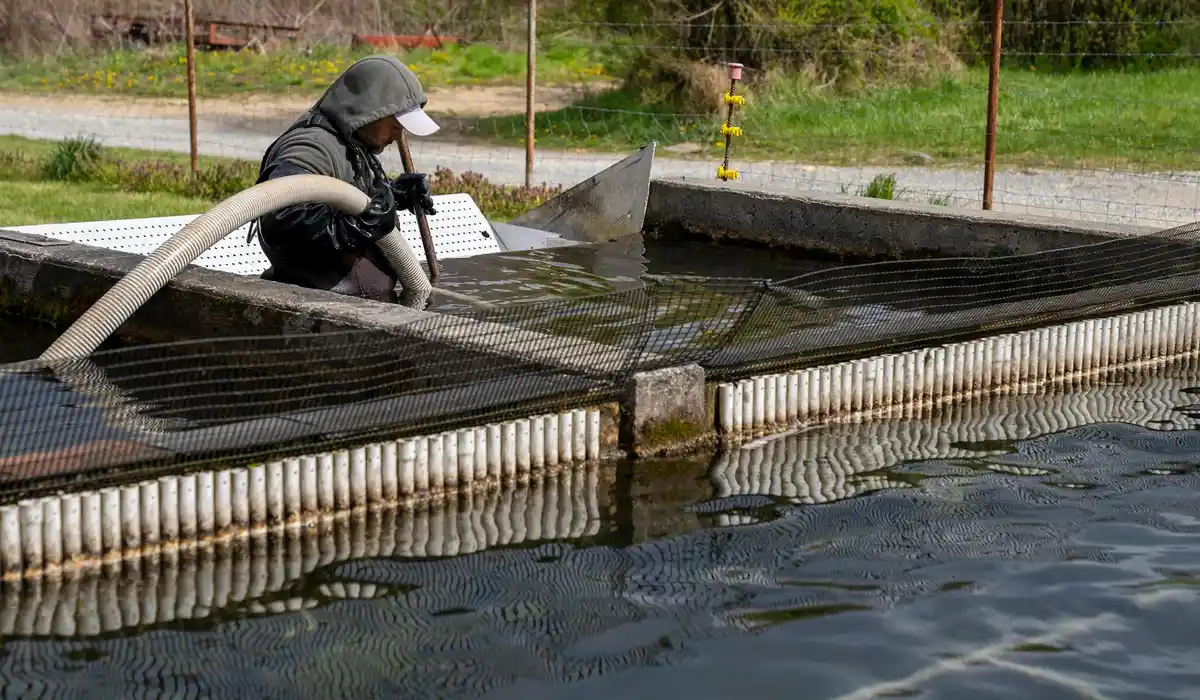
After you’ve scrubbed away the grime, your next job is to make sure no harmful chemicals linger. A thorough rinse with clean, dechlorinated water is non-negotiable for your fish’s safety. I always use water that’s been treated with a water conditioner, as tap water’s chlorine can interfere with the process if you’re not careful.
Start by rinsing the entire tank interior, paying close attention to corners and seams where residue loves to hide. I run my hand over the glass after the second rinse to check for any slippery spots, which can mean soap or disinfectant is still present. Repeat this process at least three times, or until the water runs completely clear and odorless.
- Use a clean spray bottle or a gentle stream from a hose for controlled, even coverage.
- Rinse all equipment and decorations separately in a bucket of dechlorinated water.
- Never use any detergents or soaps, as their invisible film is toxic to aquatic life.
Drying your tank is a powerful, natural sanitizer that many hobbyists overlook. Letting everything air dry completely in a sunny spot uses UV light and time to eliminate many stubborn pathogens. The evaporation helps ensure that any microscopic contaminants are gone before you rebuild.
If you used a bleach solution for disinfection, this is the moment for a chlorine neutralizer. After your final rinse, I recommend a quick wipe-down with a solution of water and a dechlorinator to break down any last traces of bleach. You only need to do this if bleach was part of your cleaning routine; for vinegar or other natural cleaners, simple drying is sufficient.
Reassembling Your Aquarium and Restoring Balance
Putting your tank back together is like conducting a symphony-every element must be reintroduced in harmony. Begin by placing your clean substrate and hardscape, as this creates a stable foundation for the ecosystem. I gently pour the substrate to avoid scratching the glass and arrange rocks or driftwood before adding water.
Slowly fill the tank with dechlorinated water, pouring onto a plate or saucer to prevent disturbing the substrate. Reinstall your filter and heater, but hold off on turning them on until the tank is full to avoid damaging the equipment. Once full, power everything up and listen for the reassuring hum of a healthy system coming back to life.
- Add substrate and decorations first to minimize cloudiness.
- Fill the tank with temperature-matched, dechlorinated water.
- Reconnect and start filter, heater, and air pumps.
- Allow the system to run for at least 24 hours before even thinking about fish.
Water parameter testing is your best friend during this delicate phase. Test for ammonia and nitrite daily, as any spike signals an unbalanced tank that isn’t ready for inhabitants. I keep a logbook to track levels; seeing zeros for both is the green light for the next step.
Perform a 25-50% partial water change if ammonia or nitrates creep above safe levels. A partial change dilutes toxins and provides fresh minerals, giving your biological filter a helping hand. Use this time to vacuum any debris that settled during setup.
- Test ammonia and nitrite every day for the first week-aim for 0 ppm.
- If levels rise, do a 30% water change and retest after a few hours.
- Only reintroduce fish once parameters are stable for 48 hours.
When it’s finally time to welcome your fish back, acclimate them slowly to avoid shock. Float their bag in the tank for 15-20 minutes, then gradually mix small amounts of tank water into their container over another 30 minutes. If the tank was moved or recently disturbed, you may need to wait longer for it to settle before reintroducing fish. Check the water parameters and ensure ammonia and nitrite are at safe levels before proceeding. I watch their behavior closely; active swimming and bright colors mean they’re adjusting well to their refreshed home.
FAQs
Can I use vinegar to disinfect my fish tank?
Yes, white vinegar is a safe, natural option for disinfecting fish tanks, particularly for routine cleaning or mild contamination. It effectively breaks down mineral deposits and kills some bacteria and algae without leaving toxic residues. However, it may not eliminate all resilient pathogens, so consider stronger disinfectants for severe disease outbreaks. If you decide to use vinegar for fish tanks, rinse the tank thoroughly with clean water until no vinegar smell remains before returning fish. Used correctly, vinegar can be a safe, natural cleaning option.
How do I disinfect a fish tank using vinegar?
Create a solution by mixing equal parts white vinegar and water, then apply it to all tank surfaces, decorations, and equipment. Let it sit for 15-20 minutes to allow the acetic acid to work on germs and stains. Afterward, rinse everything thoroughly with dechlorinated water and allow it to air-dry completely before reassembling the tank.
Is vinegar safe for all aquarium components?
Vinegar is generally safe for glass, acrylic, and most plastic aquarium parts, but avoid using it on metal components or silicone seals as it can cause corrosion or damage over time. When cleaning hard water stains, glass tends to respond quickly to vinegar, while acrylic benefits from a gentler touch to help prevent micro-scratches. Always test it on a small, inconspicuous area first to check for adverse reactions. Rinse well to prevent any acidic residue from affecting future water quality.
What are the advantages of using vinegar over bleach for disinfection?
Vinegar is non-toxic, eco-friendly, and easier to rinse off, making it ideal for those concerned about chemical residues harming fish. It excels at removing hard water stains and is less likely to damage tank materials compared to bleach. However, bleach is more potent against viruses and parasites, so choose based on the severity of contamination. If you’re cleaning a tank with fish still in it, rinse thoroughly and avoid leaving residues that could harm them. If possible, temporarily relocate fish during deeper cleanings.
Your Fresh Start Awaits
Always choose safe, aquarium-specific cleaning agents and meticulously rinse every surface to remove any chemical traces. This is a key part of aquarium cleaning maintenance to keep the system healthy. A thorough, residue-free clean is the foundation for a healthy tank restart.
Committing to this process reflects dedicated pet ownership and a promise to your fish. Stay engaged with the hobby, ask questions, and never stop learning-your aquarium will thrive because of it.
Further Reading & Sources
- r/Aquariums on Reddit: Best way to sanitize a used tank
- The Right Way to Use Bleach for Aquarium Cleaning
- How to Sanitize a Fish Tank: 14 Steps (with Pictures) – wikiHow
- How to Disinfect Fish Equipment – Fish Vet
- Disinfecting Aquariums and Equipment for the
Lia is an expert in aquarium and pet fish care. Having worked in the marine industry and having cared for multiple pet fish, she has acquired first hand expertise on aquarium care, maintenance and setup. She always brings her practical expertise and science to help solve any aquarium related queries.
Regular Cleaning