
Undergravel Filters: Outdated or Underrated? Your Honest Pros, Cons, and Setup Guide
Hello fellow fish keepers! That box of old aquarium gear in your closet or the heated forum debate you just read probably has you wondering: are undergravel filters just a relic, or do they still have a secret role to play?
Let’s clear the water together and find out if this classic system can solve your filtration puzzles or if it’s time to move on for good.
In this straightforward guide, we’ll walk through:
- The fundamental mechanics of how undergravel filters actually work
- The genuine advantages that keep some aquarists loyal to them
- The significant drawbacks and challenges you must consider
- A clear, step-by-step setup to make one work safely today
I’ve spent years maintaining everything from high-tech planted tanks to breeding setups, giving me a practical lens on what truly holds up.
The Simple Truth About Undergravel Filtration
Let’s cut through the noise. An undergravel filter is a plastic plate that sits under your gravel or sand, with uplift tubes that pull water down through the substrate. The entire bed of your tank becomes a living filter, packed with beneficial bacteria that quietly neutralize harmful waste. I ran one in a 20-gallon community tank for years, and the water clarity was consistently crystal, thanks to that constant, gentle flow.
Many hobbyists hear “undergravel” and think of a dusty, outdated relic. I get it. But in my experience, writing them off completely misses their niche. For a low-bioload tank with small fish or a dedicated shrimp colony, this system can be the silent, steady workhorse your ecosystem needs. They’re not for every setup-a tank full of goldfish like Goldie would clog it quickly-but they have their place.
Here’s the core mechanic that makes it work:
- Water is drawn downward through the substrate by an air pump or powerhead.
- This oxygenates the entire gravel bed, creating a prime real estate for nitrifying bacteria.
- Debris is trapped in the substrate, where bacteria break it down as part of the nitrogen cycle.
You need the right substrate depth-aim for 2 to 3 inches of medium gravel-and diligent vacuuming during water changes. Forget this maintenance step, and you’re building a toxic waste dump under your decor, which I learned the hard way early on.
The Surprising Benefits of an Undergravel System
Beyond the basic function, undergravel filters offer some genuine advantages that modern, complicated setups sometimes overlook. In a hobby filled with gadgets, the elegance of a simple, integrated solution still holds real value for the right aquarist.
Champion of Biological Filtration
This is where undergravel filters truly shine. While a hang-on-back filter might have a small basket of bio-media, an undergravel system turns every single piece of substrate into a biological filter. That translates to a massive, unparalleled surface area for cultivating the bacteria that keep ammonia and nitrites at zero. The hum of the air pump drives oxygen-rich water through this bacterial city, making it fiercely efficient.
I’ve tested water parameters in tanks with undergravel filters against those with only mechanical filtration, and the difference in stability is noticeable. For species sensitive to water fluctuations, like bettas or delicate tetras, this stable biological base can mean less stress and healthier fish. Regularly testing water parameters helps you maintain proper conditions in your aquarium. When you know the numbers, you can act before fluctuations stress your fish. It’s a set-and-forget foundation for your tank’s ecology.
To maximize this benefit, pair it with these practices:
- Use a pre-filter sponge on the uplift tube intake to prevent fry or shrimp from being drawn in.
- Avoid fine sand, which can compact and choke off water flow, starving the bacteria of oxygen.
- Supplement with a gentle air stone in the uplift tube to boost oxygen and flow without creating a current that stresses fish like Captain Fin.
The Budget-Friendly, Low-Tech Option
Let’s talk cost and complexity. A basic undergravel filter kit costs a fraction of a canister filter. You don’t need to buy replacement filter cartridges every month. For a beginner on a tight budget or someone setting up a spare tank quickly, this affordability is a huge win. I’ve set up hospital or quarantine tanks in an afternoon using just an undergravel plate, an air pump, and some recycled gravel.
It’s also brilliantly low-tech. There are no impellers to clog, no motor seals to fail, and very few moving parts. The simplicity means there’s less to break, giving you peace of mind and more time to enjoy the shimmer of scales in your tank. For a planted tank with gentle fish, the subtle flow won’t uproot delicate plants or buffet long-finned residents.
Consider this option if your setup matches these points:
- Tanks 55 gallons or smaller, with light to moderate stock levels.
- You prefer a minimalist aesthetic without equipment hanging on the glass.
- Your goal is a self-sustaining ecosystem, where the filter works invisibly below the surface.
Just remember, it’s not a magic bullet. You trade mechanical filtration prowess for biological supremacy and cost savings, so weekly gravel vacuuming is non-negotiable. For a messy eater like an oranda goldfish, you’d need a more powerful mechanical filter, but for a school of corydoras like Shadow? An undergravel system can be a perfect, budget-friendly cornerstone.
The Real Drawbacks: Why Many Aquarists Move On

For all their old-school charm, undergravel filters come with some very real challenges that have pushed many hobbyists toward modern canisters and hang-on-back filters. The biggest issues usually boil down to maintenance hassle and creative restriction, which can become deal-breakers for a beautifully planted or intricately scaped tank.
The Clogging Conundrum and Maintenance Headaches
Imagine this: your water flow drops to a trickle, your fish seem stressed, and a faint, unpleasant odor whispers from the substrate. You likely have a clogged undergravel plate. This is their Achilles’ heel. Fine sand, mulm from overfeeding, or even enthusiastic burrowers like my corydoras Shadow can slowly seal off those vital water channels underneath.
Fixing it isn’t a simple rinse. You must perform a major teardown.
- You carefully remove all your fish, plants, and hardscape.
- You siphon out and completely remove the substrate.
- You lift the dirty filter plates and rinse them thoroughly.
- Then, you rebuild the entire tank from the ground up.
This invasive process is incredibly stressful for your aquarium’s ecosystem and is the number one reason I rarely recommend these filters for beginners. It disrupts everything and can crash your cycle if you’re not meticulous. By familiarizing yourself with common aquarium filter problems and how to fix them, you can keep your tank healthy.
Substrate and Aquascaping Limitations
Your creative vision hits a wall with an undergravel filter. They dictate almost everything about your tank’s foundation. First, the substrate must be coarse enough to allow water flow but fine enough to trap debris. That perfect blasting sand or flourite clay gravel you wanted? Probably too dense. Large, smooth pebbles? They’ll just let gunk sink to the plate. That is exactly where a sand vs gravel substrate comparison comes in. It highlights how sand, with its fine grains, will settle debris differently from gravel, and how each choice impacts filtration and maintenance.
Your aquascaping dreams are also limited.
- Deeply rooted plants are a no-go. Species like Amazon swords or dwarf hairgrass will have their roots puncture and eventually clog the plastic grates.
- Heavy hardscape is risky. Placing a large dragon stone or driftwood piece directly on the substrate can crush the plates or create dead zones with no water circulation underneath, leading to toxic gas pockets.
- You cannot change your substrate style later. Switching from gravel to a planted tank substrate would, again, require that full system breakdown.
In my experience, an undergravel filter locks you into a very specific, somewhat basic tank design that lacks the flexibility modern aquarists crave.
How to Set Up an Undergravel Filter Correctly
If you’ve weighed the drawbacks and still want to proceed-maybe for a species-specific setup or a historical homage-doing it right is non-negotiable. A properly installed undergravel filter can be a reliable workhorse, but cutting corners here will guarantee problems.
Step-by-Step Installation Guide
Think of this as laying the foundation for a house. Get it wrong, and everything above will be unstable. Here’s how I set one up for best results:
- Clean Everything. Rinse the filter plates, lift tubes, and all parts in dechlorinated water. Never use soap.
- Dry Fit and Plan. Assemble the plates on the bare tank bottom. Ensure lift tubes are vertical and positioned near the back corners for a clean look.
- Add the Substrate. Carefully pour your pre-rinsed, medium-coarse gravel over the plates. You need a uniform depth of about 2-3 inches. Slope it slightly higher at the back for depth, but avoid creating valleys that will choke flow.
- Install the Uplifts. Secure the uplift tubes into the plates. This is when you’ll decide on air stones or powerhead attachments.
- Fill the Tank Slowly. Place a saucer or plastic bag on the substrate and pour water onto it. This prevents the gravel from being blasted into a messy mound.
- Start the Flow. Connect your chosen pump or powerhead. You should see a steady, gentle stream of bubbles or water from the uplift tubes immediately.
The key is ensuring an even, unobstructed gravel bed-any thin spots or bare plates will become detritus traps and ruin the filter’s efficiency.
Choosing Your Flow: Air Pump or Powerhead?
This choice defines your tank’s mechanics and noise level. Both create the essential lift, but in very different ways.
| Method | How It Works | Best For | Considerations |
|---|---|---|---|
| Air Pump with Airstones | Bubbles rising in the lift tube draw water up from underneath the plates. | Low-tech setups, breeding tanks, or tanks where gentle flow is critical (like for bettas). | Creates a column of bubbles that can be visually distracting. The constant hum of the air pump is part of the deal. Provides less overall flow and filtration power. |
| Powerhead (Water Pump) | A small electric pump sits atop the lift tube, actively pulling water through the plates. | Larger tanks, tanks with higher bio-loads, or when you need stronger surface agitation for oxygen. | Much quieter operation. Provides superior water turnover. Can be used with a pre-filter sponge to protect fish fry or shrimp. Adds a directional current to the tank. |
For most applications, I lean toward a powerhead for its quiet efficiency and stronger pull, which helps prevent those dreaded dead zones under the plates. Pair it with a simple sponge on the intake, and you’ve added a bonus mechanical filter.
Undergravel Filters vs. Modern Filtration: A Fair Fight
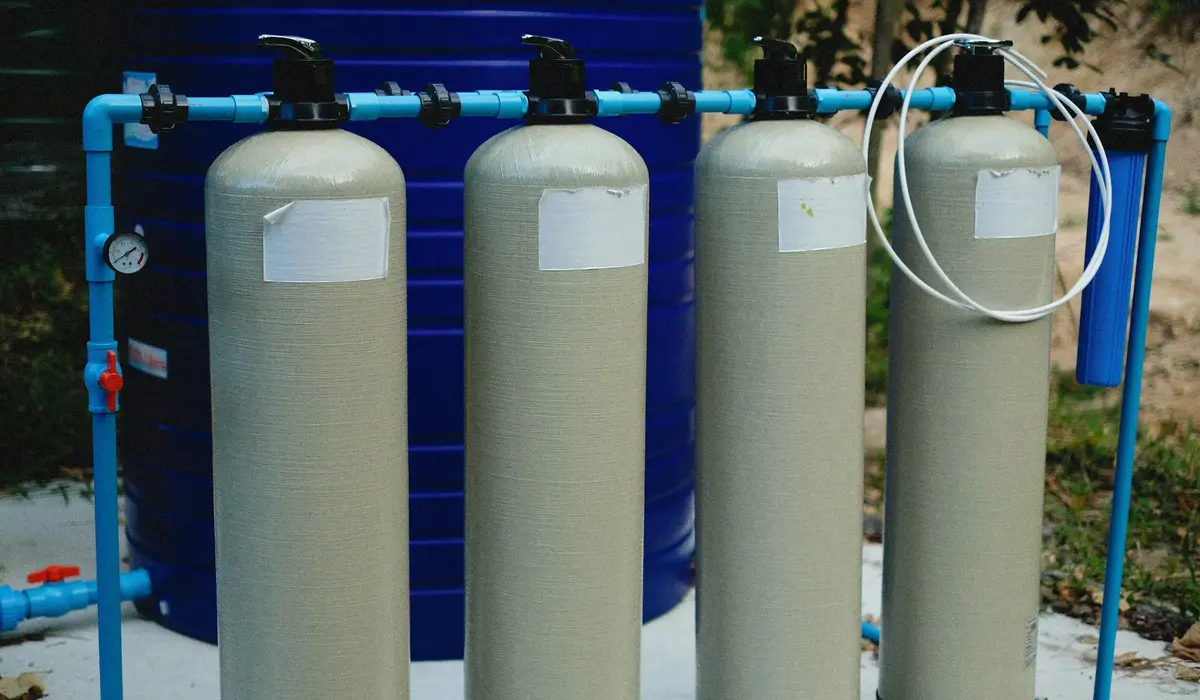
Let’s put these two filtration eras side-by-side. Modern filters like canisters or hang-on-backs (HOBs) are the multi-tools of the aquarium world. They offer mechanical, chemical, and biological filtration in one sleek box. An undergravel filter (UGF) is a specialist. It creates a massive biological filter bed under your substrate, using the entire tank bottom. The core difference is that a UGF relies on water being pulled through the gravel, while modern filters pull water from the tank and pass it over media. So, which types are best filter types for different aquariums and goals? The choice often comes down to tank size, bioload, and how much maintenance you’re willing to perform.
When a UGF Might Still Be Your Best Choice
Don’t count the old workhorse out just yet. In specific setups, its simplicity is a superpower. I’ve used them successfully for years in breeding tanks and species-specific biotopes.
- Bare-Bottom or Large-Gravel Tanks: If you’re breeding fish like bettas (think of my feisty Captain Fin) and need a sterile, easy-to-clean environment, a UGF with large pea gravel provides biological filtration without trapping messy waste.
- Low-Biologial Load Setups: A species-only tank with a few small fish, like a peaceful shrimp colony, can thrive on the gentle, consistent bio-filtration a UGF provides.
- The Budget-Conscious Beginner: For someone starting their first 10-gallon tank, a UGF kit is often cheaper than a quality HOB filter and heater combined. It’s a low-cost entry into understanding water flow and bacteria.
- Supporting Bottom-Dwellers: For fish like Shadow, my corydoras, a well-maintained UGF creates constant water movement at the substrate level, helping to keep detritus suspended and away from their sensitive barbels.
Modern filters excel at polish. They make water crystal clear by trapping tiny particles. A UGF won’t give you that optical clarity. For a heavy-feeding goldfish like Goldie, who produces waste constantly, a UGF alone would be overwhelmed; you’d need a powerful supplemental filter to handle the mechanical load.
Keeping It Clean: Essential Undergravel Filter Maintenance
This is the make-or-break ritual. Neglect it, and you’ll build a toxic waste bunker under your decor. Do it right, and your tank will hum with stability. Your weekly water change is your best friend here.
- The Vacuum Ritual: When you siphon water, place the gravel vacuum tube directly over the uplift tubes. This pulls water forcefully through the gravel plate, suctioning out the trapped debris. You should see a puff of waste swirl into your bucket.
- Substrate Stirring: Gently rake the gravel in different areas each week during your water change. This prevents compacted anaerobic zones from forming, which produce harmful hydrogen sulfide gas-that rotten egg smell is a disaster warning.
- Powerhead/ Air Pump Check: Listen for changes. A slowing powerhead hum or weaker bubble stream from your air pump means reduced flow. Clean the impeller or air stones monthly to keep that pull strong and consistent.
- The Deep Clean (Once or Twice a Year): This is a project. You’ll need to remove all decor and fish. Take out the gravel and wash it in old tank water until it runs clear. Inspect the plates for cracks and scrub the uplift tubes. This process resets the system without destroying all your beneficial bacteria, as some remain in the tank water and on tank surfaces.
I keep a dedicated “UGF siphon head” that fits snugly over the uplift tubes for my quarantine tank. It makes the weekly job faster and more effective. The shimmer of your fish’s scales depends on the unseen health of the gravel bed below. If you see detritus building up on top of the substrate, that’s your cue to be more thorough with your vacuuming next time. Using a fish tank siphon helps you perform a near-perfect water change. It makes removing waste easy while helping preserve beneficial bacteria.
Common Questions
Are undergravel filters obsolete?
Undergravel filters are not universally obsolete, but their role has become highly specialized. They are considered outdated for complex, heavily stocked, or elaborately planted aquascapes where modern filters excel. However, for specific low-tech, low-bioload setups, they remain a viable and cost-effective biological filtration solution.
What are the pros of undergravel filters?
The primary advantage is providing an enormous surface area for beneficial bacteria, leading to exceptionally stable biological filtration. They are also very affordable, mechanically simple with few parts to fail, and can be ideal for creating gentle, low-current environments for certain fish and invertebrate species. These qualities make them a critical component when considering biological filtration in an aquarium setup.
What are the cons of undergravel filters?
The major drawbacks include demanding and invasive maintenance to prevent clogging, and severe limitations on aquarium design. They restrict substrate choice, hinder deep-rooted plant growth, and can complicate aquascaping with heavy decor. Neglecting maintenance can lead to toxic gas buildup under the substrate. Choosing the right aquarium substrate from the start can help prevent these issues. It supports plant rooting, promotes healthier substrate conditions, and makes maintenance easier.
How do you set up an undergravel filter?
Proper setup involves placing the clean plate on the empty tank bottom, adding 2-3 inches of medium-coarse gravel evenly over it, and installing uplift tubes. This is part of a step-by-step guide to setting up a cichlid aquarium tank. Follow these steps to ensure a stable environment for your cichlids. You must then choose and attach either an air pump with airstones for gentle flow or a powerhead for stronger water turnover. Finally, fill the tank carefully to avoid disturbing the gravel bed.
So, Are Undergravel Filters Right for You?
Undergravel filters can be a solid choice for simple, species-specific tanks if you’re ready for weekly gravel vacuuming. View them not as outdated relics, but as specialized tools that reward hands-on maintenance with crystal-clear water and robust biological filtration, especially when you know how to clean and vacuum your aquarium gravel properly.
Your fish rely on you to make informed choices that support their long-term health and happiness. Choosing the right tank mates can significantly reduce stress and aggression in the aquarium, helping every fish thrive. When you select companions with compatible temperaments, your community stays calmer and healthier. Embrace the learning process—the hum of a well-tuned tank is the sound of your growing expertise and care.
Further Reading & Sources
- r/Aquariums on Reddit: When and why did undergravel filters become the devil?
- 5 Pros and 5 Cons of Undergravel Filtration
- Opinions on Under Gravel Filters – General Chat – Aquarium Co-Op Forum
- what are pros/cons of undergravel filters? | AquariaCentral.com
- 8.5.1. Under gravel Aquarium Filters in depth
Lia is an expert in aquarium and pet fish care. Having worked in the marine industry and having cared for multiple pet fish, she has acquired first hand expertise on aquarium care, maintenance and setup. She always brings her practical expertise and science to help solve any aquarium related queries.
Filtration Systems